Navigating Zepbound Doses: What Does Increasing the Dose of Zepbound Do?
Introduction
Imagine embarking on a journey towards better health, armed with a powerful tool like Zepbound to support your weight management goals. For many, this path begins with careful, measured steps, including a precisely managed medication dosage. Understanding what does increasing the dose of Zepbound do is not merely about taking more medication; it’s about optimizing your body’s response, managing potential side effects, and ultimately achieving sustainable results. It’s a nuanced process, guided by science and personalized care.
At TrimRx, our journey began with a shared vision: to help individuals embrace healthier lifestyles by merging cutting-edge telehealth innovations with effective weight loss solutions. We understand that navigating prescription medications like Zepbound can raise many questions, especially regarding dosage adjustments. Our platform is designed to be a user-friendly and supportive space where individuals receive personalized, medically supervised care—all designed to make sustainable weight loss attainable and tailored to the individual. We believe that sustainable weight loss should be achieved through science, empathy, and a transparent approach.
This comprehensive guide will delve into the intricacies of Zepbound dose escalation, exploring its mechanism, the reasons behind dose adjustments, what you can expect as your dosage changes, and the crucial role of expert guidance. We will illuminate how these adjustments contribute to maximizing effectiveness while minimizing discomfort, ensuring your weight loss journey is as smooth and successful as possible. By the end of this article, you will have a clearer understanding of how Zepbound dosing works and how a personalized, medically-backed approach, like ours at TrimRx, can empower your path to wellness.
Understanding Zepbound: A Dual-Action Approach to Weight Management
Zepbound, with its active ingredient tirzepatide, represents a significant advancement in chronic weight management. It’s an FDA-approved prescription medication for adults living with obesity or who are overweight with at least one weight-related condition, such as high blood pressure, type 2 diabetes, or obstructive sleep apnea (OSA). Unlike previous generations of weight loss medications, Zepbound distinguishes itself through a unique dual-action mechanism.
The Science Behind Tirzepatide: GLP-1 and GIP Agonism
At its core, Zepbound is a dual glucose-dependent insulinotropic polypeptide (GIP) receptor and glucagon-like peptide-1 (GLP-1) receptor agonist. These are naturally occurring hormones in the body that play critical roles in metabolism and appetite regulation.
- GLP-1 (Glucagon-Like Peptide-1): Mimicking this hormone helps to slow gastric emptying, which means food stays in your stomach longer, leading to a feeling of fullness. It also acts on the brain to reduce appetite and food cravings. Furthermore, GLP-1 stimulates insulin release in a glucose-dependent manner, helping to manage blood sugar levels.
- GIP (Glucose-Dependent Insulinotropic Polypeptide): By activating GIP receptors, tirzepatide enhances GLP-1’s effects, offering a synergistic approach. GIP is also involved in regulating energy balance and glucose metabolism. The combined action of GLP-1 and GIP agonism provides a more comprehensive impact on satiety, appetite reduction, and metabolic control, which are all critical for effective weight loss.
This dual-action mechanism is why Zepbound has shown impressive results in clinical trials, often leading to greater average weight loss compared to single-receptor agonists. It helps the body feel fuller for longer, reduces the desire to eat, and can improve how the body processes sugar, all contributing to a more favorable environment for weight reduction.
The Journey of Dose Escalation: A Personalized Path
For those beginning their Zepbound journey, the concept of dose escalation is fundamental. It’s a carefully structured process designed to maximize the medication’s benefits while allowing your body to adapt, thereby minimizing potential side effects. This measured approach is a cornerstone of safe and effective treatment, aligning perfectly with our commitment to patient well-being at TrimRx.
Starting Point: The Initial Dosage and Schedule
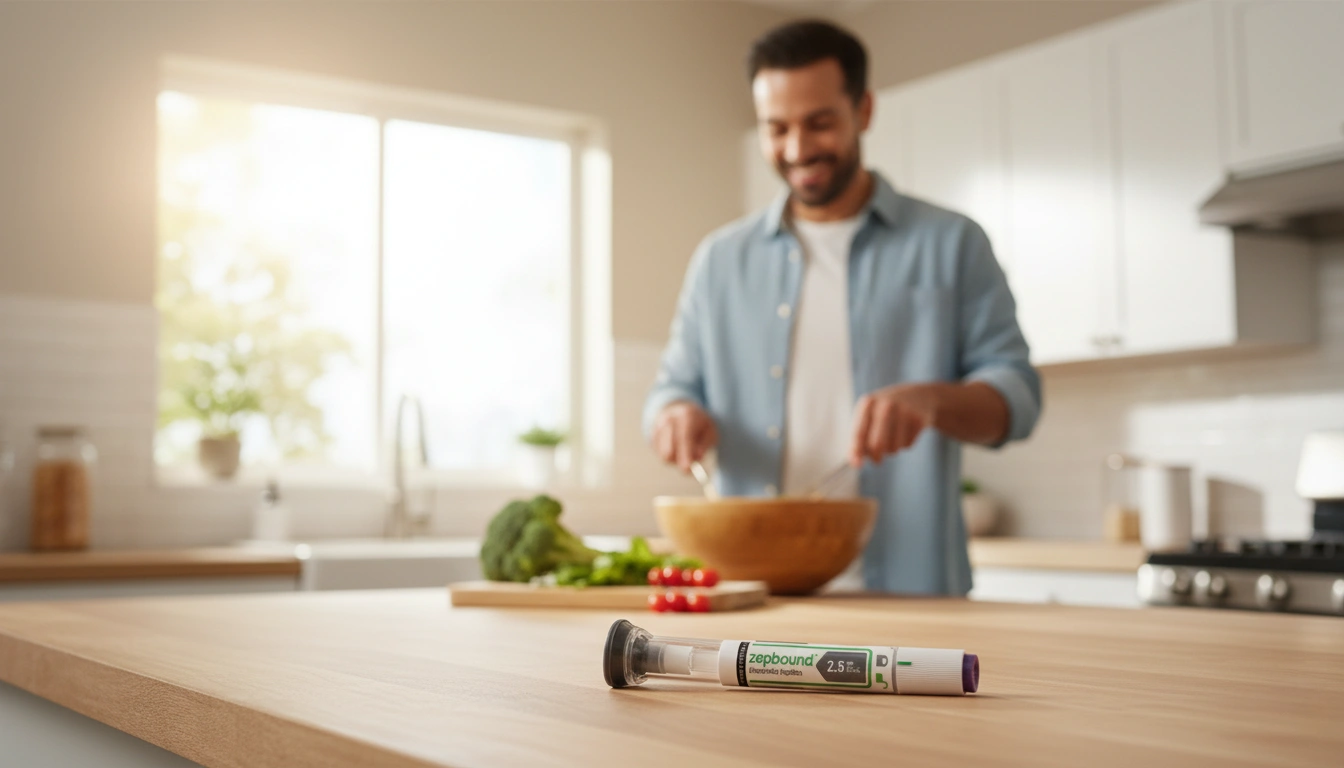
Your journey with Zepbound typically begins at the lowest effective dose. The standard starting dosage for Zepbound is 2.5 mg, injected once weekly for a period of four weeks. This initial phase is crucial, as it introduces your body to the medication gently, giving it time to acclimate to the new physiological responses triggered by tirzepatide.
During these initial weeks, our medical professionals will work closely with you, monitoring your response and any potential side effects. This personalized attention ensures that we build a foundation of comfort and efficacy before considering any adjustments. We believe that transparent communication and thorough monitoring are vital components of a successful weight loss program. To explore if a personalized plan with medications like Zepbound is right for you, we encourage you to take our free assessment quiz.
Why Gradual Increases Are Essential
Once your body has adjusted to the initial dose, your healthcare provider may recommend increasing your Zepbound dosage. Typically, doses are increased in 2.5 mg increments, approximately every four weeks. This gradual increase serves several important purposes:
- Minimizing Side Effects: Rapid increases in dosage can overwhelm your system and intensify side effects, particularly gastrointestinal issues like nausea, vomiting, and diarrhea. By increasing slowly, your body has a better chance to adjust, making the experience more tolerable. Our focus on compassionate care respects every individual’s unique journey, ensuring adjustments are made with your comfort in mind.
- Assessing Tolerability: Each individual’s response to medication is unique. A gradual escalation allows your medical team to carefully assess how well you tolerate each new dose before moving higher. If side effects become bothersome, the increase can be paused, or the dose can be maintained or even lowered until symptoms subside. This reflects our commitment to a personalized approach that prioritizes your comfort and safety.
- Optimizing Efficacy: The ultimate goal is to find the lowest effective dose that helps you achieve your weight loss and health goals with minimal discomfort. While higher doses are often associated with greater weight loss, many individuals find significant success at intermediate doses. The careful titration helps discover your optimal “maintenance” dose.
The maximum recommended dose of Zepbound is 15 mg once weekly. However, it’s important to understand that not everyone will need or benefit from reaching this maximum dose. Your personalized treatment plan will be based on your individual response, tolerability, and progress towards your specific goals.
What Does Increasing the Dose of Zepbound Do? Exploring the Impact
When your healthcare provider suggests increasing your Zepbound dosage, it’s a strategic move aimed at advancing your progress. What does increasing the dose of Zepbound do for your body and your weight loss journey? The primary impacts are enhanced efficacy and potential changes in side effect profiles.
Enhanced Efficacy and Weight Loss
For many individuals, increasing the dose of Zepbound leads to more pronounced effects on appetite suppression and metabolic regulation, which, in turn, can result in greater weight loss. Clinical trials have demonstrated a clear dose-response relationship:
- Increased Satiety: Higher doses can lead to a stronger feeling of fullness after meals and a reduced desire to eat, helping you consume fewer calories naturally.
- Reduced Cravings: The medication’s action on GLP-1 and GIP receptors can further diminish cravings for certain foods, making it easier to adhere to a reduced-calorie diet.
- Metabolic Support: The enhanced dual agonism can provide more robust support for blood sugar regulation and overall metabolic health, creating a more favorable environment for losing weight and maintaining it long-term.
In landmark studies, individuals on higher doses of Zepbound, such as 10 mg and 15 mg, generally achieved greater average body weight reductions compared to those on lower doses. For example, some studies indicated an average weight loss of around 15% at the 5 mg dose, while the 10 mg dose yielded about 20% reduction, and the 15 mg dose achieved up to approximately 21-22.5% reduction in body weight over 72 weeks. This clearly illustrates that for those who tolerate it, an increased dose can unlock additional benefits.
Managing Potential Side Effects with Dose Escalation
While an increased dose can boost efficacy, it can also lead to a temporary increase or recurrence of side effects, especially gastrointestinal issues.
Common Side Effects to Monitor
When the dose of Zepbound is increased, you might experience:
- Gastrointestinal Issues: Nausea, diarrhea, vomiting, constipation, and abdominal pain are the most frequently reported side effects. These often surge briefly when a new dose is introduced but tend to subside within a week or two as your body adapts.
- Fatigue: Some individuals report feeling more tired or experiencing a dip in energy levels.
- Injection Site Reactions: Redness, itching, or swelling at the injection site can occur.
- Hair Loss: While less common, some patients may experience temporary hair thinning.
It’s crucial to remember that these side effects are often temporary. Only a small percentage of clinical trial participants discontinued Zepbound due to adverse reactions, underscoring that most people can manage them successfully with proper guidance. Our medical team is always ready to provide unlimited support, helping you navigate any challenges.
Strategies for Side Effect Management
When faced with an increase in side effects after a dose escalation, several strategies can help:
- Hydration: Staying well-hydrated is essential, especially if experiencing nausea or diarrhea.
- Smaller Meals: Eating smaller, more frequent meals can help reduce stomach upset.
- Bland Foods: Opting for bland, easy-to-digest foods can ease digestive discomfort.
- Communication with Your Provider: This is paramount. If side effects are severe, persistent, or unmanageable, it’s critical to discuss them with your healthcare provider. They may recommend pausing the dose increase, returning to a lower dose, or adjusting your plan.
At TrimRx, our commitment to transparent service means we are with you every step of the way. Our approach remains consistent regardless of dosage changes, ensuring you receive the guidance and support needed to manage your treatment effectively. We partner with FDA-registered and inspected pharmacies for the shipping of weight loss medications, further emphasizing our focus on safety and quality.
The Importance of Personalized Care and Medical Supervision
Navigating Zepbound dosage adjustments is a highly individualized process that demands close medical supervision. This is where TrimRx’s philosophy truly shines, offering a framework of support, expertise, and personalized care that extends far beyond just providing medication.
Tailored Treatment Plans for Unique Needs
Every individual’s body responds differently to medication. Factors such as metabolism, pre-existing health conditions, and even lifestyle choices can influence how effective a particular Zepbound dose is, and how well it’s tolerated. This is why a “one-size-fits-all” approach to weight loss simply doesn’t work.
Our medical professionals at TrimRx are dedicated to crafting a personalized treatment plan specifically for you. This begins with our free assessment quiz, which helps us understand your unique health profile and eligibility for prescription medications. We consider your weight loss goals, medical history, and how you respond to each dose increase of Zepbound or other medications. This ensures that your journey is optimized for both effectiveness and safety, reflecting our brand personality as empathetic, trustworthy, and results-oriented.
The Role of Your Healthcare Provider in Dose Adjustments
Your licensed healthcare provider plays a crucial role in determining what does increasing the dose of Zepbound do for your specific situation. They are responsible for:
- Initial Assessment and Eligibility: Ensuring Zepbound is appropriate for you based on your health status.
- Prescribing and Monitoring: Guiding your initial dose and subsequent increases, monitoring your progress, and evaluating side effects.
- Adjusting the Plan: Making informed decisions about when to increase, maintain, or decrease your dose based on your response and tolerability. They will also consider if you reach a plateau in weight loss or experience any concerning symptoms.
- Educating You: Providing comprehensive information about the medication, injection technique, and what to expect.
While TrimRx partners with FDA-registered and inspected pharmacies for the shipping of weight loss medications, it’s important to clarify that TrimRx itself does not provide actual medical supervision. Instead, our platform connects you with licensed medical professionals who provide the necessary consultations and ongoing care, ensuring your treatment is medically guided and safe. Our comprehensive service includes doctor consultations, medication, lab work, unlimited support, and shipping with no hidden fees, providing a seamless and transparent experience.
When to Consult Your Healthcare Provider
Open communication with your medical team is vital. You should reach out to your healthcare provider if:
- Severe Side Effects Occur: Any severe or alarming symptoms, such as an allergic reaction (hives, difficulty breathing, swelling), severe vomiting, or dehydration, require immediate medical attention.
- Persistent Side Effects: If common side effects like nausea or diarrhea last longer than three to four weeks after a dose increase, or become intolerable, your dose may need adjustment.
- Weight Loss Plateaus: If you stop losing weight or feel that the medication’s effectiveness has decreased, a dose increase might be considered, or your overall plan reviewed.
- Considering Stopping Treatment: If you wish to stop Zepbound, your provider can guide you on a safe tapering schedule to minimize potential rebound effects like increased hunger or weight regain.
- Questions About Your Treatment Plan: Any uncertainties about your medication, its effects, or how it fits into your broader health goals should be discussed with your provider.
We are here to support you in making informed decisions about your health. To find out if our personalized approach to weight loss, including potential access to prescription medications like Zepbound, is right for you, we invite you to take our free assessment quiz.
Beyond Zepbound: Supporting Your Weight Loss Journey
While understanding what does increasing the dose of Zepbound do is central to your treatment with this medication, it’s crucial to remember that prescription weight loss medications are most effective when integrated into a holistic health strategy. At TrimRx, we advocate for a comprehensive approach that includes dietary adjustments, increased physical activity, and robust support systems.
Complementary Lifestyle Changes
No medication, however effective, can replace the fundamental pillars of a healthy lifestyle. When taking Zepbound, integrating the following practices can significantly enhance your results and overall well-being:
- Nutrient-Dense Diet: Focus on a balanced diet rich in lean proteins, fiber-rich fruits and vegetables, and whole grains. This provides essential nutrients, promotes satiety, and supports overall health.
- Regular Physical Activity: Incorporating regular exercise, whether it’s walking, strength training, or other activities you enjoy, boosts metabolism, improves cardiovascular health, and can enhance mood.
- Adequate Hydration: Drinking plenty of water is vital for metabolic function, managing hunger cues, and alleviating some common medication side effects.
- Quality Sleep: Prioritizing 7-9 hours of quality sleep each night is essential for hormone regulation, energy levels, and overall recovery.
- Stress Management: Chronic stress can impact weight and overall health. Techniques like meditation, yoga, or spending time in nature can be beneficial.
Our goal is not just weight loss, but sustainable health. These lifestyle changes, combined with the power of medications like Zepbound, create a synergistic effect that drives meaningful and lasting results.
Exploring Additional Support from TrimRx
Recognizing that a comprehensive approach is key, TrimRx also offers a range of scientifically formulated supplements designed to support your weight loss and wellness journey, whether you’re using prescription medication or seeking immediate support. These quick-access supplements do not require a quiz and are available for immediate purchase.
- GLP-1 Daily Support: This supplement is formulated to provide daily support for overall wellness, complementing your weight loss efforts by supporting healthy metabolic function.
- Weight Loss Boost: Designed to provide additional support, this boost aims to assist your body’s natural fat-burning processes and energy levels.
These supplements offer a convenient way to enhance your well-being and provide an extra layer of support as you work towards your health goals. Our commitment is to offer pathways to a healthier life, whether through personalized prescription programs or readily available wellness aids.
Important Considerations for Safe Medication Use
Safety is paramount in any medical treatment, and Zepbound is no exception. At TrimRx, we are unwavering in our dedication to safe, effective weight loss, and individualized care. Understanding proper medication handling, storage, and potential risks is essential for a positive treatment experience.
Correct Administration and Storage
Zepbound is administered as a subcutaneous injection, typically once weekly. Your healthcare provider will provide detailed instructions on how to correctly inject the medication into your thigh, belly, or the back of your upper arm. Key points for safe administration include:
- Rotation of Injection Sites: Always rotate your injection site each week to prevent skin irritation.
- Dose Confirmation: Although Zepbound pens are pre-measured and color-coded, always double-check the label to confirm the correct dose before each injection. Accidental mix-ups can occur if you have different strengths at home.
- Proper Technique: Ensure the medication is fully delivered. A small drop of liquid on the skin after injection does not mean a partial dose was administered; the medication has still been delivered. Never double dose.
- Storage: Store Zepbound correctly as per manufacturer guidelines, usually in the refrigerator, and pay attention to expiration dates.
Our comprehensive service includes guidance on proper medication use, reinforcing our commitment to your safety and successful treatment.
Understanding Compounded vs. Branded Medications
When discussing medications like Zepbound, it’s important to understand the distinctions between branded and compounded versions.
- Branded Medications: Medications like Ozempic®, Mounjaro®, Zepbound®, and Wegovy® are brand-name products that have undergone rigorous testing and received FDA approval. This means the FDA has reviewed data on their safety and effectiveness for their approved indications.
- Compounded Medications: We also offer compounded Semaglutide and Tirzepatide. It is important to note that compounded medications are not FDA-approved. However, at TrimRx, we emphasize safety by working exclusively with FDA-registered and inspected pharmacies. These pharmacies adhere to strict quality and safety standards in their compounding processes, ensuring that the medications you receive are prepared with the utmost care. We partner with these trusted pharmacies for the shipping of all weight loss medications, providing peace of mind regarding the quality and integrity of your treatment.
Addressing Missed Doses
Life happens, and sometimes a dose of Zepbound might be missed. If you miss a dose, inject it as soon as you remember, provided it’s within 4 days (96 hours) of your scheduled dose. If more than 4 days have passed, it’s recommended to skip the missed dose and resume your regular schedule with the next planned injection.
- Do not inject two doses at once to make up for a missed dose.
- Do not inject two doses within 3 days (72 hours) of each other, as this can increase the risk of side effects.
If you are unsure whether to take a missed dose, always consult with your healthcare provider or pharmacist for guidance.
Conclusion
Understanding what does increasing the dose of Zepbound do is a critical component of a successful weight management journey. It’s a carefully calibrated process, where each adjustment is designed to enhance the medication’s effectiveness while ensuring your comfort and safety. From the initial 2.5 mg dose to potential increases up to 15 mg, every step is a testament to the personalized nature of modern weight loss therapy.
We’ve explored how increasing the dose of Zepbound can lead to greater appetite suppression and more significant weight loss, alongside the importance of managing potential, often temporary, side effects. This journey underscores the invaluable role of expert medical supervision and a compassionate, results-oriented approach—hallmarks of the TrimRx experience. At TrimRx, our commitment is to provide a supportive and innovative platform, merging cutting-edge telehealth with effective, medically supervised solutions. We empower you with transparent service, ensuring access to medications shipped from FDA-registered and inspected pharmacies, coupled with doctor consultations, lab work, unlimited support, and no hidden fees.
Your path to sustainable weight loss is unique, and we are dedicated to helping you navigate it with confidence. If you’re considering a personalized weight loss program, we encourage you to take our free assessment quiz to determine your eligibility and explore how our tailored solutions can support your health goals. For immediate support, consider our quick-access supplements like GLP-1 Daily Support and Weight Loss Boost.
Remember, successful weight management is a partnership—a journey we are honored to embark on with you.
Frequently Asked Questions (FAQs)
Q1: How quickly can I expect to see results when increasing my Zepbound dose?
A1: While Zepbound begins working after your first dose, the visible impact on weight loss often becomes more apparent as doses are gradually increased and your body adjusts. Many individuals start to see significant changes within a few weeks to months, especially once a maintenance dose is reached. However, individual results vary based on factors like adherence to diet and exercise, starting weight, and metabolic response. Regular check-ins with your healthcare provider will help monitor your progress.
Q2: What if I experience severe side effects after increasing my Zepbound dose?
A2: If you experience severe side effects such as persistent vomiting or diarrhea leading to dehydration, signs of an allergic reaction (hives, difficulty breathing, swelling), or any other alarming symptoms, you should seek immediate medical attention. For less severe but bothersome side effects that don’t subside within a couple of weeks, it’s crucial to contact your healthcare provider. They may recommend pausing the dose increase, returning to a lower dose, or adjusting your overall treatment plan to ensure your comfort and safety.
Q3: Is it possible to stay on a lower dose of Zepbound and still achieve significant weight loss?
A3: Absolutely. While clinical trials show higher doses generally lead to greater average weight loss, many individuals achieve significant and satisfactory results on lower or intermediate doses of Zepbound. The most effective dose is the one that you tolerate best while still achieving your weight loss goals. Your personalized treatment plan, guided by our medical professionals, aims to find this optimal balance for you.
Q4: Does increasing the dose of Zepbound affect how long I will need to be on the medication?
A4: Zepbound is generally intended for long-term weight management. The decision to increase or maintain a specific dose is based on your ongoing response, tolerability, and progress towards your long-term health goals, not necessarily on shortening the duration of treatment. Your healthcare provider will work with you to determine the most appropriate long-term plan, focusing on sustainable weight loss and improved health outcomes.

Transforming Lives, One Step at a Time
Keep reading

How to Get Zepbound in Texas: Your Guide
Getting Zepbound in Texas is straightforward once you know your options. You can get a prescription through a telehealth provider from home, through your…

How to Get Zepbound in California: Where to Start
Zepbound (tirzepatide) is available to California residents through your primary care provider, a weight loss clinic, or a telehealth service that prescribes and delivers…
Stopping Zepbound: Managing the Transition
When you stop taking Zepbound, your appetite returns to pre-medication levels within a few weeks and most people regain a meaningful portion of their…


