How Do I Know When to Increase Zepbound Dose?
Introduction
Starting a weight loss journey with a medication like Zepbound® can feel like a major turning point. In the first few weeks, you might notice a quietness in your mind where “food noise”—those persistent thoughts about your next meal—used to be. However, as the weeks progress, you may wonder if the medication is still working as effectively as it did on day one. Knowing when to talk to a healthcare provider about increasing your dose is a common concern for many on this path.
At TrimRx, we believe that navigating these adjustments should be supported by clinical evidence and personalized care. This article covers the signs that your current dose may need an adjustment, the standard titration schedule for tirzepatide (the active ingredient in Zepbound®), and how to balance weight loss progress with your overall well-being. Finding the right dose is not about reaching the maximum as quickly as possible; it is about finding the “sweet spot” where you see results with manageable side effects. If you are considering a personalized prescription weight loss program, you can complete a free eligibility assessment.
The Science of Titration: Why We Start Low
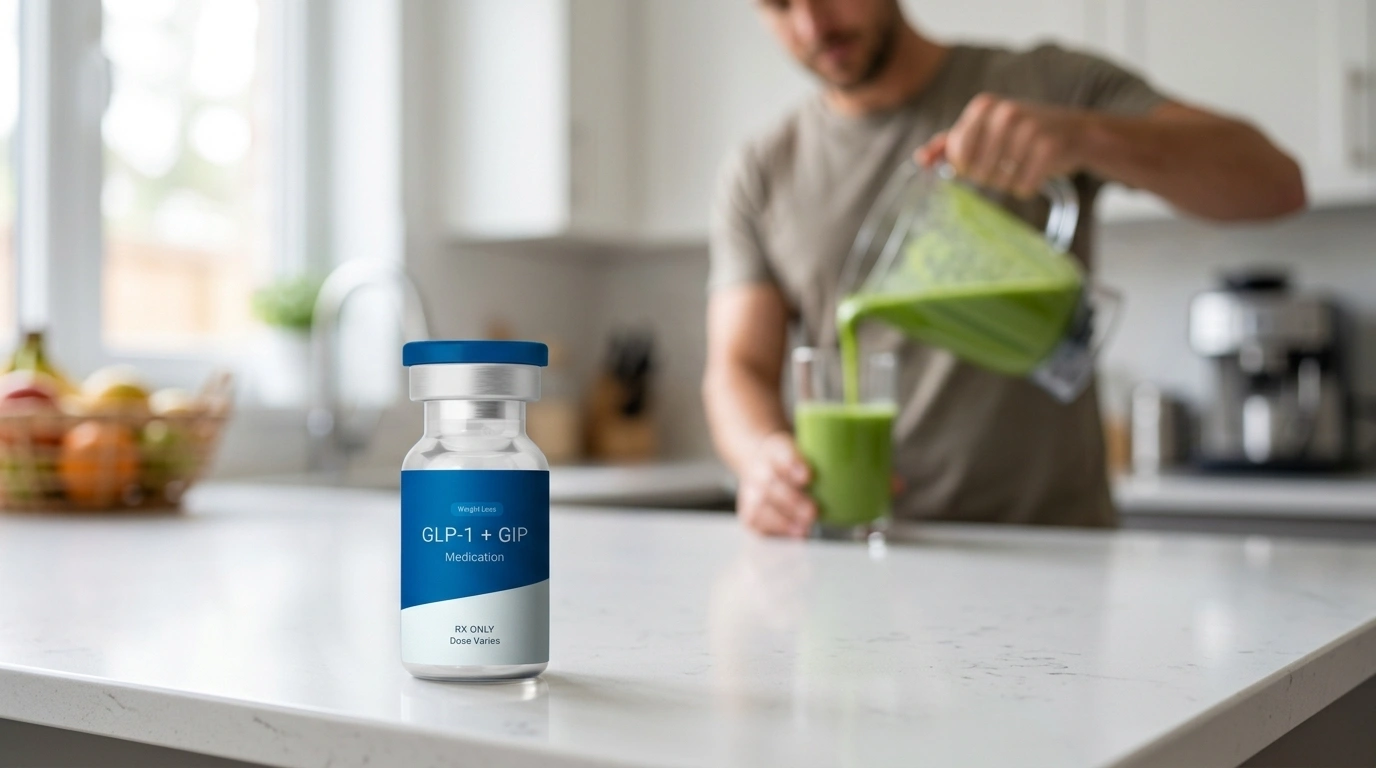
Zepbound® is a medication that mimics two naturally occurring hormones in the body: glucagon-like peptide-1 (GLP-1) and glucose-dependent insulinotropic polypeptide (GIP). These hormones work together to regulate appetite, slow stomach emptying, and improve how your body processes sugar. Because these pathways are sensitive, introducing the medication too quickly can overwhelm the digestive system.
Titration is the process of starting at a low dose and gradually increasing it. The primary goal of the initial 2.5 mg dose is to allow your body to adjust to the presence of the medication. This “loading dose” is typically taken once weekly for four weeks. While some individuals notice early weight loss at this level, its main purpose is to build tolerance and minimize gastrointestinal side effects like nausea or discomfort. For a closer look at the schedule, review this tirzepatide dosage guide.
Key Takeaway: Titration is a safety-first approach. Starting low helps your metabolic and digestive systems adapt to the hormonal changes triggered by tirzepatide.
The Standard Dose Escalation Schedule
Healthcare providers generally follow a specific schedule for increasing the dose of Zepbound®. This schedule is designed to move you toward a therapeutic level—the dose at which you experience consistent weight loss—while monitoring for safety.
The available doses for Zepbound® increase in 2.5 mg increments:
- 2.5 mg: The starting dose (typically for the first 4 weeks).
- 5 mg: Often the first therapeutic dose.
- 7.5 mg: An intermediate escalation step.
- 10 mg: A common maintenance dose for many patients.
- 12.5 mg: A higher-tier dose for those needing additional support.
- 15 mg: The maximum weekly dose.
Each step usually lasts at least four weeks. This duration allows the medication to reach a steady state in your bloodstream. It also gives your provider enough time to see how your body responds before deciding if another increase is necessary. You can also review when to increase tirzepatide and the signs to watch for.
Sign 1: Your Weight Loss Has Hit a True Plateau
The most obvious sign that it might be time to increase your dose is a stall in weight loss. However, it is important to distinguish between a natural, temporary pause and a true clinical plateau.
A true plateau is generally defined as no change in weight for four consecutive weeks while maintaining the same diet and exercise habits. The body is remarkably good at adapting to changes; sometimes, it reaches a point of equilibrium where the current dose of medication is simply maintaining your current weight rather than promoting further loss. For additional context, read about what a plateau on a GLP-1 may mean.
Before assuming you need more medication, consider these factors:
- Non-scale victories: Are your clothes fitting better even if the number hasn’t changed?
- Consistency: Have you been consistent with your protein intake and hydration?
- Activity levels: Have you recently decreased your physical activity?
If your habits remain solid but the scale has not moved for a full month, this is a primary indicator to discuss an increase with your healthcare provider.
Sign 2: The Return of “Food Noise”
One of the most significant benefits of GLP-1 and GIP receptor agonists is the reduction of intrusive thoughts about food. Many patients describe this as a “quieting” of the brain. You might find you can walk past the breakroom snacks without a second thought or that you feel satisfied with much smaller portions.
When a dose is no longer sufficient for your body’s needs, that “food noise” often begins to return. You may notice:
- Increased hunger pangs earlier in the day.
- Stronger cravings for high-calorie or sugary foods.
- Thinking about your next meal immediately after finishing the current one.
- A diminished feeling of “fullness” (satiety) after eating.
If you find that the mental discipline required to stick to your nutrition plan has significantly increased, your current dose may no longer be providing the hormonal support you need. This can overlap with what patients describe as GLP-1 tolerance over time.
Sign 3: You Are Tolerating the Current Dose Well
An increase in dosage should only be considered if you are tolerating your current level well. If you are still experiencing significant nausea, vomiting, or digestive upset on your current dose, moving up to a higher strength could worsen these symptoms.
Healthcare providers look for a “clear window” of tolerance. This means you have few to no side effects, or the side effects you do have are mild and do not interfere with your daily life. If you have spent four weeks at a specific dose and feel “normal” physically, it generally suggests your body is ready to handle the next incremental step in the titration process. Review these tirzepatide side effect management strategies before discussing your next dose.
Quick Answer: You generally know it is time to increase your Zepbound® dose if your weight loss has stalled for four weeks, your appetite has significantly returned, and you are not currently experiencing bothersome side effects.
Why You Might Stay at a Lower Dose
It is a common misconception that everyone must eventually reach the 15 mg maximum dose. In reality, many people find long-term success on intermediate doses like 5 mg, 7.5 mg, or 10 mg.
There are several reasons your provider might recommend staying at your current dose rather than moving up:
- Steady Progress: If you are losing one to two pounds per week and your appetite is well-controlled, there is no clinical reason to increase the dose.
- Side Effect Management: Staying at a dose for an extra month (or longer) can help your body better adapt if you are sensitive to the medication.
- Sustainability: Lower doses can sometimes be easier for the body to maintain over a long period.
At TrimRx, our goal is to support a program that is sustainable for the long term. We focus on personalized treatment plans that respect your body’s unique timeline rather than forcing a rigid schedule. If you want a provider to review your goals and current response, you can see if you qualify for a personalized program.
The Role of Personalized Support in Dosing
Determining the right time to increase a dose is one of the most important aspects of a medically supervised weight loss program. Because Zepbound® and other tirzepatide-based medications affect everyone differently, a “one-size-fits-all” approach rarely works.
When you participate in a personalized program through a platform like ours, you have access to licensed providers who look at your data holistically. They don’t just look at the scale; they look at your symptoms, your energy levels, and your medical history. This telehealth-first model means you can report your progress and request a dose review without needing to schedule an in-person office visit or sit in a waiting room.
For those using compounded medications, such as Compounded Tirzepatide, the titration process is similar. These medications are prepared by FDA-registered, inspected compounding pharmacies and offer the same incremental dosing steps. This allows for the same careful, supervised escalation as branded options like Zepbound® or Mounjaro®.
How to Prepare for a Dose Increase Consultation
If you believe it is time to move up, being prepared for your consultation will help your provider make the best decision. Tracking your journey is essential for these clinical conversations.
Step 1: Document your weight.
Keep a simple log of your weekly weigh-ins. This provides clear evidence of whether a stall is occurring.
Step 2: Note your hunger levels.
Pay attention to when hunger returns. Does it happen on day five after your injection? Or is it present all week? This timing helps your provider understand the medication’s “half-life” in your system.
Step 3: Log your side effects.
Be honest about any nausea, fatigue, or constipation. Even mild symptoms are worth noting, as they help determine if your body is ready for a higher concentration of the medication.
Step 4: Assess your lifestyle.
Be ready to discuss your current protein intake, water consumption, and exercise routine. Your provider will want to ensure that the plateau isn’t caused by a nutritional gap before increasing the medication.
Managing Side Effects After an Increase
When you do move to a higher dose, it is normal to experience a temporary increase in side effects during the first 48 to 72 hours after the first one or two injections. This is because the concentration of the medication in your body is reaching a new peak.
To manage this transition:
- Prioritize Hydration: Dehydration can worsen nausea and fatigue.
- Eat Small, Frequent Meals: Keeping your blood sugar stable and your stomach from being either too empty or too full can help.
- Focus on Protein: Protein is essential for maintaining muscle mass during weight loss and can help with satiety.
- Consider Nutrient Support: Supplements like our GLP-1 Daily Support supplement can help provide the essential vitamins and minerals your body needs during periods of reduced caloric intake.
Common Myths About Zepbound® Dosing
Myth: A higher dose always means faster weight loss.
Fact: While clinical trials showed more weight loss at higher doses on average, many individuals lose weight effectively at lower doses. Increasing too quickly can lead to severe side effects that may force you to stop the medication entirely.
Myth: If I reach 15 mg, I can’t lose any more weight.
Fact: Reaching the maximum dose does not mean weight loss stops. It simply means you have reached the peak hormonal support the medication can offer. At this stage, lifestyle factors like resistance training and nutrition play an even larger role in breaking through plateaus.
The Importance of Professional Guidance
It is critical that you never adjust your dose on your own. Tirzepatide is a powerful medication that significantly impacts your endocrine and digestive systems. Attempting to “double up” on doses or skip steps in the titration schedule can lead to serious health risks, including severe dehydration or pancreatitis.
Working with a dedicated team ensures that your dose increases are handled safely. Our platform connects you with specialists who understand the nuances of GLP-1 and GIP therapy. This medical supervision is the foundation of a safe and successful weight loss journey. To begin the process, complete a free dose-review assessment.
Next Steps for Your Journey
The path to sustainable weight loss is rarely a straight line. It involves periods of rapid progress followed by moments of plateau and adjustment. Recognizing the signs—the return of hunger, a stall on the scale, and a high level of tolerance—is the first step in optimizing your treatment.
Whether you are just starting out or are considering a dose increase, remember that the medication is a tool to support your healthier lifestyle. By combining the biological support of medications like tirzepatide with personalized guidance, you can navigate these adjustments with confidence.
Bottom line: Dose increases are a normal part of the weight loss process, but they should always be data-driven and medically supervised to ensure they remain safe and effective for your specific health profile.
FAQ
How long should I wait before asking for a dose increase?
You should typically stay on your current dose for at least four weeks before considering an increase. This gives your body enough time to reach a steady state of the medication and allows your provider to accurately assess your weight loss trends and side-effect tolerance. You can review your eligibility for a personalized program.
What happens if I move up a dose too fast?
Increasing your dose too quickly can significantly increase the risk of gastrointestinal side effects, such as severe nausea, vomiting, diarrhea, and abdominal pain. In extreme cases, it can lead to dehydration or other complications that may require medical intervention or a temporary pause in treatment. For more information, see this guide to managing tirzepatide side effects.
Can I stay on the 5 mg or 7.5 mg dose permanently?
Yes, many people achieve their goal weight or maintain a steady, healthy rate of weight loss on intermediate doses. If you are meeting your goals and feel comfortable at a specific dose, there is no medical requirement to continue increasing to the maximum of 15 mg.
Why did my weight loss stall even after I increased my dose?
Weight loss stalls can occur for various reasons, including your body’s natural metabolic adaptation, changes in physical activity, or inadequate protein intake. If a dose increase doesn’t break a plateau after several weeks, your provider may look at other factors like your sleep, stress levels, or nutritional habits to help you get back on track. This overview of why GLP-1 weight loss can plateau may provide additional context.
Disclaimer: This content is for informational purposes only and does not constitute medical advice. It is not intended to diagnose, treat, cure, or prevent any disease or condition. Individual results may vary. Always consult a qualified healthcare professional before starting any weight loss program or medication.

Transforming Lives, One Step at a Time
Keep reading

Can You Eat Clam Chowder on Zepbound?
Clam chowder is a seaside classic, often served in a bread bowl on a chilly day. New England chowder is thick, creamy, and rich…

Can You Eat Korean BBQ on Zepbound?
Korean barbecue is a social, hands-on meal: platters of marinated meats grilled at the table, surrounded by small side dishes called banchan, with lettuce…

Can You Eat Brownies on Zepbound?
Brownies are a classic homemade treat, a bake sale staple, and a common office snack. They are also dense, rich, and very sweet, made…


