Navigating Zepbound Dosing: How to Know When to Increase Your Dose for Optimal Weight Loss
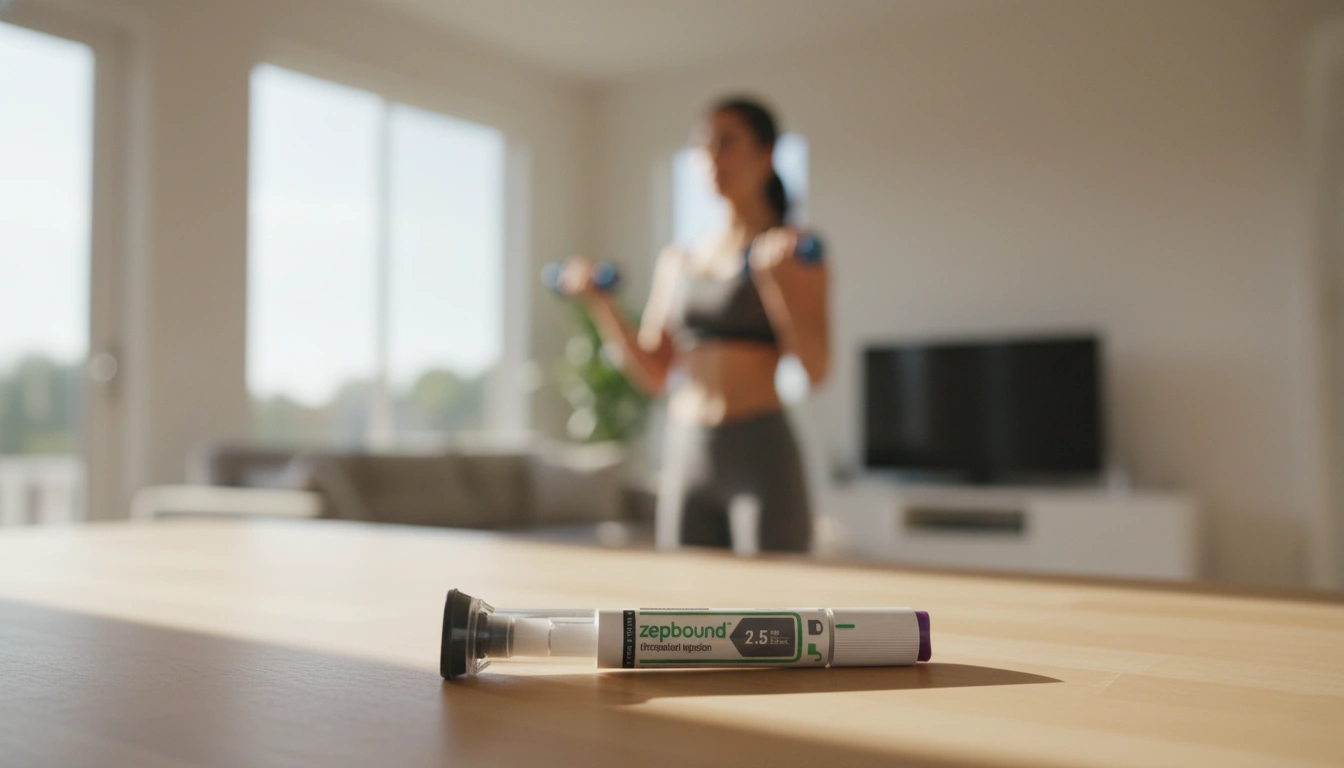
Embarking on a weight loss journey can feel like navigating uncharted territory, often filled with anticipation and questions about the most effective path forward. For many, the introduction of advanced medications like Zepbound (tirzepatide) has marked a significant turning point, offering a powerful tool in their pursuit of healthier living. However, understanding how to best utilize such a medication, especially when it comes to dosage adjustments, is paramount to achieving sustainable results. The question of “how to know when to increase dose of Zepbound” is a common and critical one, reflecting the highly individualized nature of effective weight management.
This guide is designed to demystify the process of Zepbound dosing, offering clarity on the signs and considerations that indicate a potential need for adjustment. We will explore the gradual dose escalation strategy, delve into the insights from clinical trials regarding efficacy at various strengths, and discuss the factors that influence a healthcare provider’s decision to modify your treatment plan. Throughout this exploration, we will highlight how our commitment at TrimRx, born from a vision to merge cutting-edge telehealth innovations with effective weight loss solutions, aligns with providing personalized, medically supervised care that makes sustainable weight loss attainable and tailored to each individual. We believe that achieving lasting health transformations requires a foundation built on science, empathy, and transparency. By the end of this post, you will have a comprehensive understanding of Zepbound dosing and how our innovative approach can support your unique path to wellness.
Understanding Zepbound: A Dual-Action Approach to Weight Management
Zepbound, with its active ingredient tirzepatide, represents a significant advancement in the landscape of weight management medications. Unlike older treatments, Zepbound harnesses a dual-action mechanism, targeting two key incretin hormones: glucagon-like peptide-1 (GLP-1) and glucose-dependent insulinotropic polypeptide (GIP). These hormones play crucial roles in regulating appetite, satiety, and blood sugar levels, making them powerful allies in the fight against excess weight.
When you take Zepbound, it mimics the effects of these natural hormones, leading to several beneficial outcomes. Firstly, it helps slow gastric emptying, meaning food stays in your stomach longer, promoting a feeling of fullness and reducing overall food intake. Secondly, it influences the brain’s appetite centers, helping to curb cravings and reduce hunger. Thirdly, it supports healthy blood sugar regulation, which can be particularly beneficial for individuals struggling with insulin resistance, a common underlying factor in weight gain. This multi-faceted approach is what allows Zepbound to be such an effective tool, helping individuals achieve significant and sustained weight loss when combined with lifestyle interventions.
At TrimRx, we are proud to offer access to solutions like Zepbound through our personalized weight loss programs, alongside other effective options like Compounded Semaglutide, Oral Semaglutide, Ozempic®, Compounded Tirzepatide, Oral Tirzepatide, Mounjaro®, and Wegovy®. We understand that each person’s body responds differently, which is why our approach emphasizes individualized care. Our user-friendly and supportive platform ensures that from the moment you consider a medically supervised weight loss program, you receive care designed to meet your specific needs. To explore if Zepbound or another prescription medication is right for you, we encourage you to take our free assessment quiz.
The Role of GLP-1 and GIP in Weight Regulation
The incretin system, involving GLP-1 and GIP, is a complex network of hormones that signal to the brain and digestive system about nutrient intake. Both GLP-1 and GIP are released after eating, with GLP-1 primarily known for stimulating insulin secretion, suppressing glucagon (a hormone that raises blood sugar), slowing gastric emptying, and reducing appetite. GIP also stimulates insulin secretion, but its role in appetite regulation has been more recently elucidated, with studies showing that co-activation of both receptors can lead to synergistic effects on weight loss.
Zepbound’s ability to activate both GLP-1 and GIP receptors offers a more comprehensive approach to weight management compared to medications that target only one receptor. This dual agonism not only enhances appetite control and satiety but may also contribute to better metabolic health outcomes. Clinical trials have demonstrated that this dual action can lead to substantial reductions in body weight, making it a powerful option for individuals seeking significant and lasting results.
The Foundation of Zepbound Dosing: Gradual Escalation for Safety and Efficacy
The journey with Zepbound always begins with a measured and gradual approach to dosing. This deliberate titration strategy is not merely a formality but a critical component of safe and effective treatment. The goal is to allow your body to slowly adapt to the medication, minimizing the potential for side effects while progressively increasing its therapeutic benefits.
The Initial Dosing Schedule
Treatment with Zepbound (tirzepatide) starts at the lowest available dose, typically 2.5 mg, administered once weekly. This initial phase usually lasts for four weeks. During this period, your body begins to acclimate to the presence of tirzepatide. While some individuals may experience minor appetite suppression or subtle metabolic shifts at this starting dose, it’s generally not intended for significant weight loss. Its primary purpose is to prepare your system for higher, more effective doses and help reduce the risk of gastrointestinal side effects such as nausea, vomiting, or diarrhea.
Our commitment at TrimRx is rooted in providing compassionate care that respects every individual’s unique journey. We emphasize that all dosage changes, including the initial ramp-up, should only occur under careful medical supervision. Our personalized programs include comprehensive doctor consultations to guide you through this process, ensuring your safety and comfort at every step.
Incremental Dose Adjustments
Following the initial four-week period at 2.5 mg, your healthcare provider will typically recommend increasing the dose by 2.5 mg increments, approximately every four weeks. This structured escalation continues until an effective and well-tolerated maintenance dose is reached. The available strengths for Zepbound are 2.5 mg, 5 mg, 7.5 mg, 10 mg, 12.5 mg, and 15 mg, with 15 mg being the maximum approved dose.
This systematic increase is crucial. It helps your system adjust progressively, reducing the likelihood of severe adverse reactions that can sometimes accompany rapid dose escalation. For instance, increasing the dosage too quickly can heighten the incidence of gastrointestinal issues, potentially leading to dehydration or more serious complications. This is why close medical guidance is indispensable, balancing the pursuit of optimal efficacy with individual tolerability.
Identifying the Need for a Dose Increase: Signs and Signals
Understanding when and why a Zepbound dose increase might be necessary is key to a successful weight loss journey. While your prescribing doctor will make the ultimate decision based on your individual response, being aware of the common indicators can empower you to have informed discussions with your healthcare team.
When Weight Loss Plateaus or Slows
One of the most common reasons to consider increasing your Zepbound dose is a plateau or significant slowdown in weight loss. Initially, many individuals experience a noticeable reduction in weight as their body adjusts to the medication’s effects on appetite and metabolism. However, over time, the body can adapt, and the effectiveness of the current dose might diminish.
If you find that your weight loss has stalled for several weeks despite consistent adherence to your dietary and activity plans, and you are tolerating your current dose well with minimal side effects, it may be a sign that a higher dose is needed to reignite your progress. Clinical trials have shown that higher doses, particularly 10 mg and 15 mg, typically lead to greater average weight loss over the treatment period. For example, studies demonstrated an average weight loss of approximately 15% at 5 mg, around 20% at 10 mg, and up to about 21% at 15 mg over 72 weeks. While these are averages, they illustrate the dose-dependent nature of Zepbound’s efficacy for many individuals.
When Appetite Control Diminishes
Zepbound’s primary mechanism of action for weight loss involves reducing appetite and increasing feelings of fullness. If you notice that you are feeling hungrier more often, experiencing increased cravings, or finding it harder to control portion sizes compared to when you first started or were at an earlier dose, this could indicate that your current Zepbound dose is no longer providing optimal appetite suppression.
The effectiveness of appetite control can fluctuate, and a return of strong hunger signals might suggest that your body has adapted to the medication’s current level. Discussing these changes with your healthcare provider is important, as it could signal that a dose escalation is appropriate to restore the desired level of satiety and appetite regulation.
Managing Side Effects Versus Increasing Dose
It’s crucial to differentiate between persistent, problematic side effects and a diminished response to the medication. While higher doses correlate with increased average weight loss, they can also be associated with a greater incidence of gastrointestinal side effects like nausea, diarrhea, and vomiting. If you are experiencing uncomfortable or disruptive side effects at your current dose, your healthcare provider might recommend pausing dose increases, maintaining the current dose for a longer period, or even temporarily reducing the dose to improve tolerability.
The “best dose” is highly individualized. While the 15 mg dose showed the highest average weight loss in trials, it’s not suitable for everyone due to potential side effects. Many individuals achieve significant benefits and better tolerability at intermediate doses, such as 5 mg or 7.5 mg. The decision to increase or maintain a dose always involves a careful balance between efficacy and tolerability, guided by medical supervision. Our approach at TrimRx remains consistent regardless of dosage changes, emphasizing transparent service and your well-being.
General Health Changes and Individual Factors
Several personal factors can influence how your body responds to Zepbound and, consequently, whether a dose adjustment is needed:
- Overall Health Status: Changes in underlying health conditions, such as kidney or cardiovascular health, can impact how your body processes medication. While GLP-1 receptor agonists like tirzepatide have shown benefits in kidney and cardiovascular events, individual responses vary. Your healthcare provider might adopt a more gradual dosing approach or closely monitor you if you have existing conditions to ensure safety.
- Age: Older adults may benefit from more gradual dose increases to avoid side effects and prevent unintended muscle or bone loss, which can contribute to frailty. Incorporating strength training and adequate protein intake alongside medication is often recommended in these cases.
- Concomitant Medications: New medications introduced into your regimen can sometimes interact with Zepbound, affecting its efficacy or side effect profile. Your doctor will review all your medications when considering a dose adjustment.
These factors underscore the importance of ongoing communication with your healthcare provider. Your TrimRx physician will assess your symptoms, review your medical history, and consider any changes in your health status to determine the most appropriate dosage adjustments. This is part of our commitment to personalized care, ensuring that your treatment plan is always aligned with your unique physiological needs.
The Science Behind Higher Doses: Clinical Trial Insights
The development of Zepbound was supported by extensive clinical trials, primarily the SURMOUNT program, which meticulously evaluated its efficacy and safety across various doses. These trials provide crucial data that inform dosage recommendations and help us understand the potential benefits of dose escalation.
SURMOUNT-1 and SURMOUNT-2 Findings
The landmark SURMOUNT trials, including SURMOUNT-1 and SURMOUNT-2, demonstrated Zepbound’s profound impact on weight loss over a 72-week period. These studies revealed a clear dose-response relationship, indicating that higher doses generally led to greater average weight reductions:
- 5 mg dose: Patients receiving the 5 mg once-weekly dose experienced an average body weight reduction of approximately 15%.
- 10 mg dose: This intermediate dose yielded an average body weight reduction of around 20%.
- 15 mg dose: The highest dose, 15 mg once weekly, achieved the most significant results, with an average body weight reduction of up to approximately 21%.
These findings highlight that while even lower doses can be effective for some, the greatest average weight loss was observed at the higher doses. It’s important to remember that these are average outcomes, and individual results can vary significantly based on genetics, lifestyle adherence, and other health factors.
Efficacy Versus Tolerability
A critical takeaway from the clinical trials is the balance between efficacy and tolerability. While the 15 mg dose demonstrated the highest average weight loss, it was also associated with a higher incidence of gastrointestinal side effects. This led some participants to either discontinue treatment or remain on lower, better-tolerated doses.
This dynamic underscores why a personalized approach to dosing is essential. For some, achieving 15-20% weight loss with minimal side effects at a 7.5 mg or 10 mg dose might be preferable to pushing for a slightly higher percentage at 15 mg with more pronounced side effects. Our expert team at TrimRx understands this nuance, providing compassionate care that focuses on optimizing your outcome while prioritizing your comfort and safety.
The Personalized Approach to Zepbound Dosing at TrimRx
At TrimRx, our journey began with a shared vision to help individuals embrace healthier lifestyles by merging cutting-edge telehealth innovations with effective weight loss solutions. Our platform is a user-friendly and supportive space where individuals receive personalized, medically supervised care—all designed to make sustainable weight loss attainable and tailored to the individual. We believe that sustainable weight loss should be achieved through science, empathy, and a transparent approach.
When it comes to Zepbound dosing, our brand personality—empathetic, innovative, trustworthy, supportive, results-oriented, and personalized—shines through. We combine advanced medical science with modern technology to deliver a truly individualized experience.
Our Comprehensive Service Model
We understand that managing medication like Zepbound involves more than just a prescription. Our comprehensive service is designed to support you at every stage of your journey, ensuring that you receive the guidance and resources needed for success. This includes:
- Doctor Consultations: Every individual in our personalized program receives thorough consultations with licensed healthcare providers. These consultations are crucial for determining eligibility, crafting a personalized treatment plan, and making informed decisions about dosage adjustments, including when and how to increase your Zepbound dose.
- Lab Work: To ensure safety and monitor your health, our programs often include necessary lab work, providing your doctor with vital information to tailor your treatment and make appropriate dosage decisions.
- Medication Sourcing: We partner exclusively with FDA-registered and inspected pharmacies for the shipping of weight loss medications. For branded medications like Zepbound, you can be assured of their FDA approval and quality. We emphasize that while these pharmacies are FDA-registered and inspected, compounded medications provided through our platform are not FDA approved.
- Unlimited Support: Your weight loss journey is ongoing, and so is our support. We offer unlimited access to our care team, ensuring you have a resource for questions, concerns, and guidance whenever you need it.
- Shipping with No Hidden Fees: Transparency is a cornerstone of our service. Our comprehensive approach means no surprises when it comes to shipping or other associated costs.
How Our Personalized Programs Support Your Journey
Our programs are built around the understanding that effective weight loss requires a holistic approach. When considering how to know when to increase dose of Zepbound, our healthcare providers evaluate not just your weight loss progress but also your overall well-being, side effect profile, and adherence to lifestyle changes. They act as your trusted guide, helping you navigate the complexities of medication management with confidence.
To see if you qualify for our prescription weight loss medications, including Zepbound, we invite you to take our free assessment quiz. This quick and easy quiz helps us understand your unique health profile and determine the best path for your personalized treatment plan.
Maximizing Your Zepbound Experience: Beyond the Dose
While the correct dosage of Zepbound is crucial, successful weight loss extends beyond medication alone. Maximizing your experience involves integrating Zepbound with a supportive lifestyle and considering complementary wellness strategies.
Lifestyle Integration: Diet, Exercise, and Nutrient Intake
Zepbound is most effective when used as part of a comprehensive weight management plan that includes dietary changes and increased physical activity.
- Nutrition: Focus on a balanced diet rich in lean proteins, fiber, and healthy fats. Protein intake, in particular, is vital during weight loss to preserve muscle mass, which is critical for maintaining a healthy metabolism. Consider reflecting on your daily protein intake: is it sufficient to support your weight loss and muscle maintenance goals?
- Physical Activity: Regular exercise, including both cardiovascular activity and strength training, enhances weight loss, improves metabolic health, and helps maintain muscle mass. If you are an older adult, pairing Zepbound with strength training can be particularly beneficial to prevent muscle and bone loss.
- Hydration: Staying well-hydrated is essential, especially when on Zepbound, as gastrointestinal side effects like diarrhea can increase the risk of dehydration.
Consistency in Administration
Consistency is key to the success of any medication, and Zepbound is no exception. Taking your weekly injection on the same day each week, as prescribed, helps maintain stable medication levels in your body, optimizing its effects. Whether you prefer mornings, evenings, or weekends, find a routine that fits your schedule and stick to it. This regular timing aids in managing potential side effects and ensures continuous therapeutic action.
Beyond Prescription Medications: Complementary Support
While prescription medications like Zepbound offer powerful benefits, we recognize that a holistic approach to wellness often includes complementary support. At TrimRx, we also offer quick-access supplements that do not require a quiz and are available for immediate purchase to support overall well-being during your weight loss journey.
- GLP-1 Daily Support: Designed to complement your weight management efforts, this supplement can assist in supporting your metabolic health and digestive comfort.
- Weight Loss Boost: This supplement provides additional support to help enhance your body’s natural weight management processes.
These supplements are intended to be integrated into a balanced lifestyle, providing an extra layer of support as you progress toward your health goals.
What to Expect During a Dose Increase
When your healthcare provider decides it’s time to increase your Zepbound dose, they will provide specific instructions tailored to your situation. Generally, you can expect the following:
- Gradual Increments: Increases are typically in 2.5 mg steps, usually after at least four weeks at the previous dose. This gradual approach is designed to minimize new or intensified side effects.
- Monitoring Side Effects: Pay close attention to any changes in side effects, particularly gastrointestinal issues like nausea, vomiting, diarrhea, or constipation. While mild symptoms might resolve as your body adjusts, severe or persistent issues should be reported to your doctor immediately.
- Tracking Progress: Continue to monitor your weight loss, appetite control, and overall well-being. Documenting these observations can be incredibly helpful for your doctor in making further adjustments if necessary. How are you currently tracking your weekly progress and how you feel?
- Open Communication: Maintain open and honest communication with your TrimRx healthcare provider. Share any concerns, improvements, or new symptoms you experience. This feedback is invaluable for optimizing your treatment plan and ensuring your safety and comfort.
Safety and Medical Supervision: Our Commitment
The importance of medical supervision throughout your Zepbound treatment, especially during dose adjustments, cannot be overstated. Self-adjusting medication doses can be dangerous and lead to adverse outcomes.
At TrimRx, your safety is our paramount concern. Our personalized programs ensure that all medication decisions, from initial prescription to dosage adjustments, are made by licensed healthcare providers who meticulously review your medical history and current health status. We adhere strictly to FDA guidelines, clearly communicating that while branded medications like Zepbound are FDA-approved, compounded medications are sourced from FDA-registered and inspected pharmacies and are not FDA-approved. Our transparent service guarantees that you receive high-quality care that prioritizes your health and well-being at every step.
If at any point you experience severe side effects such as severe allergic reactions, difficulty breathing, or intense abdominal pain, seek emergency medical attention immediately. For non-emergency concerns, our unlimited support through TrimRx ensures you have prompt access to medical guidance.
Conclusion
Understanding “how to know when to increase dose of Zepbound” is a crucial aspect of maximizing its effectiveness for weight management. This decision is a nuanced one, guided by your individual response, weight loss progress, tolerability to the medication, and overall health status. Clinical trials consistently show that higher doses of Zepbound generally lead to greater average weight loss, but the ideal dose is always a balance between efficacy and minimizing side effects.
At TrimRx, we are dedicated to supporting you through every phase of this journey. Our platform offers personalized, medically supervised care, including doctor consultations, lab work, medication from FDA-registered and inspected pharmacies, and unlimited support, all with transparent service and no hidden fees. We blend advanced medical science with modern technology to deliver empathetic, trustworthy, and results-oriented care that respects your unique path to a healthier lifestyle.
Remember, never adjust your Zepbound dose without consulting your healthcare provider. Your well-being is our priority, and with the right medical guidance, integrated with a healthy lifestyle and our optional GLP-1 Daily Support and Weight Loss Boost supplements, you can achieve sustainable weight loss and embrace a healthier, more vibrant future. To discover if Zepbound or another personalized medication program is suitable for you, we invite you to take our free assessment quiz today.
FAQ
What is the typical starting dose for Zepbound, and how quickly can it be increased?
The typical starting dose for Zepbound is 2.5 mg once weekly for the first four weeks. After this initial period, the dose can generally be increased by 2.5 mg increments approximately every four weeks, based on individual tolerance and clinical response, up to a maximum of 15 mg once weekly. This gradual escalation helps your body adjust to the medication and minimizes the risk of side effects.
What are the main signs that indicate a dose increase might be needed?
Key indicators that a Zepbound dose increase might be beneficial include a plateau or significant slowdown in weight loss despite consistent efforts, or a noticeable decrease in appetite control and satiety that was previously achieved. Your healthcare provider will also consider your overall health, any persistent side effects, and your adherence to the treatment plan before recommending an adjustment.
Can I stay on a lower dose of Zepbound if I am losing weight effectively?
Yes, it is perfectly acceptable to remain on a lower dose of Zepbound if you are achieving effective weight loss and tolerating the medication well with minimal side effects. The “best dose” is highly individualized and aims to balance efficacy with tolerability. Your healthcare provider will work with you to find the optimal maintenance dose that supports your goals and well-being.
What should I do if I experience side effects after a dose increase?
If you experience new or intensified side effects after a Zepbound dose increase, such as severe nausea, vomiting, or diarrhea, it is crucial to contact your TrimRx healthcare provider promptly. They may recommend strategies to manage these side effects, such as temporarily staying at your current dose for a longer period, adjusting your diet, or in some cases, considering a temporary dose reduction. Never adjust your medication dose without medical guidance.

Transforming Lives, One Step at a Time
Keep reading
Navigating Your Path: How Many Doses Are In Zepbound and What It Means for Your Health Journey
Curious how many doses are in Zepbound? Discover its weekly dosing schedule, available strengths, and titration process for effective weight loss. Learn more!
Navigating Your Zepbound Journey: Understanding Dosing and Expert Guidance
Wondering how to split doses of Zepbound? Learn why it’s unsafe & not recommended. Get expert guidance on Zepbound dosing for safe, effective weight loss with TrimRx. Click to learn more!
Understanding Zepbound Dosing: What is the Lowest Dose Available for Your Weight Loss Journey?
Curious what is the lowest dose of Zepbound available? Learn about Zepbound’s 2.5mg starting dose, titration, and safe use for weight loss. Get expert guidance!


