Navigating Zepbound Dosing: What is the Typical Dose of Zepbound for Weight Management?
Introduction
Embarking on a weight loss journey is a deeply personal endeavor, often marked by both hope and challenge. For many, conventional approaches may not yield the desired or sustainable results, leading them to explore advanced medical solutions. Zepbound, a significant advancement in weight management, has emerged as a topic of considerable interest, offering a new pathway for individuals striving for healthier weights. As you explore options, understanding the intricacies of such treatments, particularly the recommended dosages, becomes paramount.
The landscape of weight management is continuously evolving, with scientific breakthroughs illuminating more effective and personalized strategies. Zepbound, with its unique dual-action mechanism, represents one such breakthrough, providing a potent tool in the fight against obesity and its related health conditions. However, like any powerful medication, its effectiveness and safety are closely tied to proper administration and dosage.
In this comprehensive guide, we aim to demystify the dosing schedule of Zepbound, providing clarity on what is the typical dose of Zepbound, how it’s initiated, and how it progresses. We will delve into the critical factors that healthcare providers consider when tailoring a dosage plan, ensuring it aligns with individual needs and medical profiles. Our purpose is to equip you with the knowledge needed to have informed conversations with your healthcare provider, understand the nuances of Zepbound treatment, and make empowered decisions about your health.
Throughout this post, we will also shed light on essential safety considerations, potential side effects, and the importance of a medically supervised approach. At TrimRx, our journey began with a shared vision: to help individuals embrace healthier lifestyles by merging cutting-edge telehealth innovations with effective weight loss solutions. We believe that sustainable weight loss should be achieved through science, empathy, and a transparent approach. This article reflects our commitment to providing clear, trustworthy information as you navigate your path to well-being. By the end, you will have a thorough understanding of Zepbound’s dosing strategy and how it integrates into a holistic, personalized weight loss program.
Understanding Zepbound: A Dual-Action Approach
The introduction of Zepbound has marked a significant step forward in the treatment of obesity and related conditions. It represents more than just a new medication; it’s a novel approach to how the body regulates appetite, satiety, and metabolism, offering a powerful tool for those seeking effective weight management.
What Zepbound Is and How It Works
Zepbound’s active ingredient is tirzepatide, a groundbreaking molecule that functions as a dual glucose-dependent insulinotropic polypeptide (GIP) receptor and glucagon-like peptide-1 (GLP-1) receptor agonist. This dual action sets it apart from earlier generations of weight loss medications that typically targeted only GLP-1 receptors.
To appreciate its mechanism, let’s briefly consider GIP and GLP-1. These are naturally occurring incretin hormones produced in the gut in response to food intake. They play crucial roles in regulating blood sugar by stimulating insulin release, slowing gastric emptying, and signaling satiety to the brain.
- GLP-1 Receptor Agonism: Similar to other medications in this class, tirzepatide activates GLP-1 receptors. This leads to several beneficial effects for weight loss:
- Reduced Appetite: By acting on brain centers that control appetite, it helps individuals feel fuller for longer and reduces cravings.
- Slower Gastric Emptying: Food moves more slowly from the stomach to the intestines, contributing to prolonged feelings of fullness.
- Improved Blood Sugar Control: While primarily a weight loss medication, its ability to enhance insulin secretion in a glucose-dependent manner and suppress glucagon release also aids in blood sugar regulation, which can be particularly beneficial for individuals with or at risk of type 2 diabetes.
- GIP Receptor Agonism: The unique addition of GIP receptor agonism amplifies these effects and potentially introduces new pathways for weight loss. GIP also influences glucose metabolism and satiety, and activating both GIP and GLP-1 receptors simultaneously is thought to create a synergistic effect, leading to more substantial weight loss outcomes compared to GLP-1 agonism alone. This combined approach addresses multiple physiological pathways involved in weight regulation, offering a more comprehensive strategy.
Zepbound is prescribed for adults with a body mass index (BMI) of 30 or higher (clinically considered obesity) or a BMI of 27 or higher (clinically considered overweight) with at least one weight-related health condition, such as high blood pressure, high cholesterol, type 2 diabetes, or obstructive sleep apnea (OSA). It is always used in conjunction with a reduced-calorie diet and increased physical activity, recognizing that medication is one component of a holistic lifestyle change.
For individuals looking for a medically supervised path to access such prescription medications, our free assessment quiz is an excellent first step. This quiz helps determine eligibility and guides you toward a personalized treatment plan, ensuring that our approach remains consistent regardless of dosage changes.
Navigating Zepbound Dosing: What is the Typical Dose of Zepbound?
Understanding what is the typical dose of Zepbound is fundamental for anyone considering this medication for weight management. The dosing regimen is carefully designed to optimize effectiveness while minimizing potential side effects, especially gastrointestinal discomfort. Our approach at TrimRx emphasizes personalized care, where your unique response to treatment guides every adjustment.
Initial Steps: Starting Zepbound Treatment
The journey with Zepbound typically begins with a conservative, low dose to allow your body to gradually adapt to the medication. This strategy is crucial for mitigating common side effects, such as nausea, vomiting, and diarrhea.
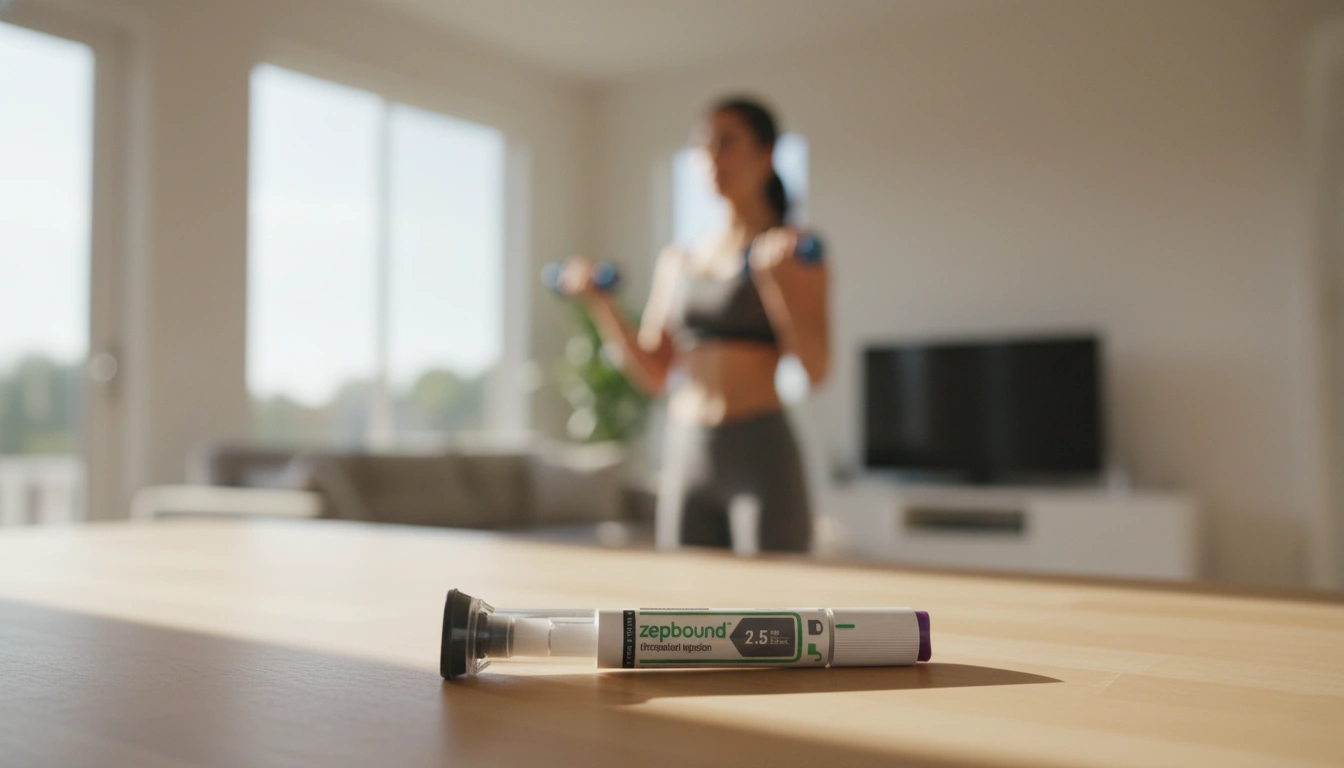
- Recommended Starting Dosage: The standard recommendation for all indications is 2.5 mg of Zepbound, administered as a subcutaneous injection once weekly for the first four weeks.
- Purpose of the Initial Dose: It’s important to understand that this 2.5 mg dosage is specifically for treatment initiation. It is not approved as a maintenance dosage and is intended solely to acclimate your system to tirzepatide.
Your healthcare provider will monitor your progress and tolerability during this initial phase. This careful monitoring is a cornerstone of the personalized, medically supervised care we facilitate, ensuring your safety and comfort as you begin treatment.
Progressive Increases: The Escalation Schedule
After the initial four-week period at the starting dose, your healthcare provider will likely recommend increasing the dosage. This gradual escalation is a key component of the Zepbound treatment strategy.
- First Dose Increase: Following the initial four weeks at 2.5 mg, the dosage is typically increased to 5 mg, injected subcutaneously once weekly.
- Subsequent Increments: Further increases are made in 2.5 mg increments. Each dosage increase should occur only after at least four weeks on the current dose. This methodical approach allows your body ample time to adjust to each new strength, further reducing the risk of severe gastrointestinal adverse reactions.
- Monitoring and Adjustment: Throughout this escalation phase, your treatment response and tolerability will be continuously assessed by your healthcare provider. This ensures that the dosage is adjusted optimally to achieve the desired therapeutic effects without undue discomfort. If you experience bothersome side effects, your provider may opt to maintain a dose for longer or even consider a temporary reduction.
This controlled titration process highlights our commitment to compassionate care that respects every individual’s unique journey.
Finding Your Balance: Maintenance Dosages
The goal of dose escalation is to reach an effective maintenance dosage that provides optimal weight reduction and management with tolerable side effects. What is the typical dose of Zepbound for maintenance can vary, as it is highly individualized.
Weight Reduction and Long-Term Management
For individuals using Zepbound for weight reduction and long-term weight maintenance, the recommended maintenance dosages are 5 mg, 10 mg, or 15 mg, injected subcutaneously once weekly. Your healthcare provider will work with you to determine the most suitable maintenance dose based on your progress, how your body responds to the medication, and your tolerability. Many individuals find significant benefits at the 5 mg or 10 mg levels, while others may require the 15 mg dose for optimal outcomes.
Addressing Obstructive Sleep Apnea (OSA)
Zepbound is also prescribed to treat moderate to severe obstructive sleep apnea in adults with obesity. For this specific indication, the recommended maintenance dosage is typically 10 mg or 15 mg, injected subcutaneously once weekly. The starting and escalation schedules are the same as for weight loss, with the aim of reaching these higher maintenance doses to address OSA effectively.
The Maximum Dosage
For all indications, the maximum recommended dosage of Zepbound is 15 mg, injected subcutaneously once weekly. It is crucial never to exceed this dosage, as higher amounts have not been studied for additional benefit and may increase the risk of adverse effects.
What to Do If You Miss a Dose
Consistency is key with Zepbound, but life happens. If you miss a dose:
- Within 4 Days (96 hours): Administer Zepbound as soon as you remember, within four days after the missed dose. You can then resume your regular once-weekly dosing schedule.
- More Than 4 Days: If more than four days have passed since the missed dose, skip it entirely. Administer the next dose on your regularly scheduled day.
- Do Not Double Dose: Never inject two doses at once to make up for a missed dose, as this can increase the risk and severity of side effects.
- Changing Administration Day: If you need to change your regular weekly administration day, ensure there is at least three days (72 hours) between the two doses to maintain safety and efficacy.
If you have questions about a missed dose, always consult your healthcare provider or pharmacist.
Important Administration Guidelines
Proper administration is vital for Zepbound’s efficacy and safety.
- Training: Before starting Zepbound, you or your caregiver should receive thorough training on proper injection technique from a healthcare professional. We provide access to comprehensive support to guide you through this process.
- Visual Inspection: Always inspect Zepbound visually before use. It should appear clear and colorless to slightly yellow. Do not use if you see particulate matter or discoloration.
- Lifestyle Integration: Remember, Zepbound is administered in combination with a reduced-calorie diet and increased physical activity. This holistic approach is central to our philosophy at TrimRx, where we believe in comprehensive solutions.
- Timing: Administer Zepbound once weekly at any time of day, with or without meals, whatever fits best into your routine.
- Injection Sites: Inject Zepbound subcutaneously in the abdomen, thigh, or the back of the upper arm (if someone else is administering). Rotate injection sites with each dose to prevent irritation.
Our service includes doctor consultations, medication, lab work, unlimited support, and shipping with no hidden fees, all designed to make sustainable weight loss attainable. We partner with FDA-registered and inspected pharmacies for the shipping of weight loss medications, ensuring safety and compliance. To explore if Zepbound or other prescription options like Compounded Semaglutide, Oral Semaglutide, Ozempic®, Compounded Tirzepatide, Oral Tirzepatide, Mounjaro®, and Wegovy® are right for you, we encourage you to take our free assessment quiz.
Beyond Dosage: Essential Considerations for Zepbound Treatment
While understanding what is the typical dose of Zepbound is crucial, it’s only one piece of the puzzle. A safe and effective weight management journey with Zepbound involves a comprehensive understanding of potential individual responses, important safety information, and contraindications. Our commitment at TrimRx is to ensure you have all the information to engage proactively with your healthcare provider.
Factors Influencing Your Personalized Dosage
Your healthcare provider’s decision on your Zepbound dosage goes beyond standard guidelines. Several individual factors come into play:
- Treatment Response: How effectively your body responds to the medication in terms of weight loss is a primary driver. Some individuals may achieve their goals at lower maintenance doses, while others may require higher doses.
- Tolerability and Side Effects: The presence and severity of adverse reactions are critical. If you experience bothersome side effects, your provider may recommend a lower dose or a slower escalation schedule to improve comfort and adherence.
- Underlying Health Conditions: Your overall health profile, including any pre-existing conditions, will influence dosage decisions. For instance, specific considerations may apply if you have kidney or liver impairment, or if you are managing type 2 diabetes concurrently.
- Concomitant Medications: Interactions with other medications you are taking can impact Zepbound’s efficacy or increase the risk of side effects. Your provider will review your complete medication list to ensure safe co-administration.
This personalized approach aligns perfectly with our values at TrimRx, where we combine advanced medical science with modern technology to offer compassionate care that respects every individual’s unique journey.
Understanding Potential Risks and Important Safety Information
Like all prescription medications, Zepbound carries potential risks and side effects that you should be aware of. We advocate for transparency and safety, working exclusively with FDA-registered and inspected pharmacies to ensure the highest standards for all medications.
Thyroid C-Cell Tumors: A Critical Warning
A significant warning associated with tirzepatide (Zepbound) is the Risk of Thyroid C-Cell Tumors. In animal studies, tirzepatide caused dose-dependent and treatment-duration-dependent thyroid C-cell tumors at clinically relevant exposures.
- Human Relevance: It is currently unknown whether Zepbound causes thyroid C-cell tumors, including medullary thyroid carcinoma (MTC), in humans.
- Contraindication: Zepbound is contraindicated (should not be used) in patients with a personal or family history of MTC or in patients with Multiple Endocrine Neoplasia syndrome type 2 (MEN 2).
- Patient Counseling: You should be counseled regarding the potential risk for MTC with Zepbound use and informed of symptoms of thyroid tumors. These symptoms include a mass in the neck, difficulty swallowing (dysphagia), shortness of breath (dyspnea), or persistent hoarseness.
- Monitoring: Routine monitoring of serum calcitonin (a marker for MTC) or using thyroid ultrasound is of uncertain value for early detection in patients treated with Zepbound, due to low test specificity and a high background incidence of thyroid disease. Such monitoring may lead to unnecessary procedures. If significantly elevated serum calcitonin values are found, further evaluation is indicated. Patients with thyroid nodules should also be further evaluated.
Managing Gastrointestinal Reactions
Gastrointestinal adverse reactions are among the most common side effects of Zepbound, particularly during dose escalation.
- Common Reactions: Nausea, diarrhea, vomiting, and constipation are frequently reported.
- Severity: While often mild to moderate, severe gastrointestinal adverse reactions have been observed in clinical trials.
- Special Populations: Zepbound has not been studied in patients with severe gastrointestinal disease, including severe gastroparesis, and is therefore not recommended in these patients. Your healthcare provider will assess your history of GI issues.
Kidney Health and Hydration
Use of Zepbound has been associated with acute kidney injury. This can sometimes result from dehydration due to severe gastrointestinal adverse reactions like nausea, vomiting, and diarrhea.
- Postmarketing Reports: Acute kidney injury and worsening of chronic renal failure have been reported post-marketing with GLP-1 receptor agonists, sometimes requiring hemodialysis, even in patients without known underlying renal disease.
- Monitoring: It is important to monitor renal function in patients experiencing adverse reactions that could lead to volume depletion. Staying well-hydrated is crucial throughout treatment.
Gallbladder Considerations
Treatment with Zepbound and GLP-1 receptor agonists is associated with an increased occurrence of acute gallbladder disease.
- Reported Events: Cholelithiasis (gallstones), cholecystitis (inflammation of the gallbladder), and cholecystectomy (gallbladder removal) have been reported in clinical trials.
- Weight Reduction Link: These events were associated with weight reduction itself. If cholecystitis is suspected, diagnostic studies and appropriate clinical follow-up are indicated.
Pancreatitis Awareness
Acute pancreatitis, a serious inflammation of the pancreas, has been observed in patients treated with GLP-1 receptor agonists or tirzepatide.
- Symptoms: Observe patients for signs and symptoms of pancreatitis, including persistent severe abdominal pain sometimes radiating to the back, which may or may not be accompanied by vomiting.
- Management: If pancreatitis is suspected, discontinue Zepbound and seek immediate medical attention. The decision to resume Zepbound after a confirmed diagnosis should be made by a healthcare provider.
Hypersensitivity Reactions
Serious hypersensitivity reactions, including anaphylaxis and angioedema, have been reported.
- Symptoms: If reactions such as rash, itching, swelling of the face, lips, tongue, or throat, or difficulty breathing occur, promptly seek medical attention and discontinue Zepbound.
- Contraindication: Do not use Zepbound in patients with a previous serious hypersensitivity reaction to tirzepatide or any of its excipients.
- Caution: Exercise caution in patients with a history of angioedema or anaphylaxis with a GLP-1 receptor agonist.
The Risk of Hypoglycemia
Zepbound lowers blood glucose and can cause hypoglycemia (low blood sugar), particularly when used in combination with insulin secretagogues (e.g., sulfonylureas) or insulin.
- Monitoring: In patients with diabetes mellitus, blood glucose should be monitored prior to and during Zepbound treatment.
- Management: The risk of hypoglycemia may be lowered by reducing the dose of insulin or sulfonylurea. Inform patients of the signs and symptoms of hypoglycemia (e.g., anxiety, confusion, dizziness, sweating, fast heartbeat). Hypoglycemia has also been associated with Zepbound in adults without type 2 diabetes.
Diabetic Retinopathy: Monitoring for Progression
For patients with type 2 diabetes mellitus and pre-existing diabetic retinopathy, rapid improvement in glucose control has been associated with a temporary worsening of diabetic retinopathy.
- Monitoring: Patients with a history of diabetic retinopathy should be monitored for progression of the condition.
Mental Health and Suicidal Ideation
Suicidal behavior and ideation have been reported in clinical trials with other weight management products.
- Monitoring: Patients treated with Zepbound should be monitored for the emergence or worsening of depression, suicidal thoughts or behaviors, and/or any unusual changes in mood or behavior.
- Discontinuation: Discontinue Zepbound in patients who experience suicidal thoughts or behaviors. Avoid Zepbound in patients with a history of suicidal attempts or active suicidal ideation.
Pre-Surgical Precautions: Pulmonary Aspiration
Zepbound delays gastric emptying. There have been rare postmarketing reports of pulmonary aspiration in patients receiving GLP-1 receptor agonists undergoing elective surgeries requiring general anesthesia or deep sedation.
- Pre-Operative Care: Instruct patients to inform healthcare providers prior to any planned surgeries or procedures if they are taking Zepbound.
Contraindications and Who Should Avoid Zepbound
Beyond the thyroid C-cell tumor warning, Zepbound is contraindicated in patients with known serious hypersensitivity to tirzepatide or any of the excipients in Zepbound. Your healthcare provider will carefully review your medical history to ensure Zepbound is a safe and appropriate treatment for you.
For those interested in exploring personalized weight loss solutions that align with their health profile, we encourage you to take our free assessment quiz. This is the first step toward understanding if prescription medications like Zepbound, or other options, could be part of your tailored plan.
Your Personalized Weight Loss Journey with TrimRx
At TrimRx, we understand that effective weight loss is not a one-size-fits-all solution. It’s a deeply personal journey that requires a thoughtful, medically informed, and empathetic approach. Our platform is designed to be a user-friendly and supportive space where individuals receive personalized, medically supervised care, making sustainable weight loss attainable and tailored to the individual.
Our Commitment to Science, Empathy, and Transparency
Our journey began with a shared vision: to help individuals embrace healthier lifestyles by merging cutting-edge telehealth innovations with effective weight loss solutions. We firmly believe that sustainable weight loss should be achieved through science, empathy, and a transparent approach. This philosophy guides every aspect of our service.
- Science-Backed Solutions: We focus on clinically proven medications and supplements, leveraging advanced medical science to offer effective strategies for weight management. We ensure that our medications, including Compounded Semaglutide, Oral Semaglutide, Ozempic®, Compounded Tirzepatide, Oral Tirzepatide, Mounjaro®, Zepbound®, and Wegovy®, are provided through FDA-registered, inspected, and approved pharmacies. For branded medications like Ozempic® and Zepbound®, we acknowledge their FDA approval.
- Empathetic Care: We recognize the complexities and emotional aspects of weight loss. Our brand is empathetic, trustworthy, and supportive, offering compassionate care that respects every individual’s unique journey. We provide unlimited support throughout your treatment.
- Transparent Service: We are committed to transparent service, highlighting that our approach remains consistent regardless of dosage changes. Our focus on safety means working exclusively with FDA-registered and inspected pharmacies. It’s important to clarify that TrimRx partners with these pharmacies for the shipping of weight loss medications and does not provide actual medical supervision; instead, we connect you with healthcare providers who offer that supervision.
The TrimRx Advantage: Comprehensive Care and Support
Choosing TrimRx means opting for a comprehensive service designed to simplify your weight loss journey. We integrate various essential components to ensure a seamless and supportive experience:
- Doctor Consultations: Access to qualified healthcare providers who can assess your eligibility, prescribe appropriate medications, and monitor your progress.
- Medication: Seamless access to your prescribed weight loss medications, delivered directly from FDA-registered and inspected pharmacies.
- Lab Work: Necessary lab tests are included to ensure your safety and tailor your treatment plan effectively.
- Unlimited Support: Ongoing support from our dedicated team to answer your questions, provide guidance, and help you stay on track.
- Shipping: Convenient and reliable shipping of your medication directly to your door, with no hidden fees.
We believe in making the path to a healthier you as straightforward and supported as possible.
Exploring Your Options: Prescription Medications and Quick-Access Support
Your weight loss journey with TrimRx can take several forms, depending on your needs and eligibility.
For those considering prescription weight loss medications like Zepbound, which we’ve thoroughly discussed, or other powerful options such as Compounded Semaglutide, Oral Semaglutide, Ozempic®, Compounded Tirzepatide, Oral Tirzepatide, Mounjaro®, and Wegovy®, the first step is our personalized assessment. We encourage you to take our free assessment quiz to see if you qualify for our prescription weight loss medications. This quiz is designed to gather essential information and connect you with a healthcare provider who can develop a tailored treatment plan.
Beyond prescription medications, we also offer quick-access supplements to support overall wellness during your weight loss journey, available for immediate purchase without a quiz:
- GLP-1 Daily Support: Enhance your body’s natural processes with our GLP-1 Daily Support supplement, designed to complement your weight management efforts.
- Weight Loss Boost: For an added edge in your weight loss regimen, explore our Weight Loss Boost supplement, formulated to assist you in reaching your goals.
Your journey to a healthier lifestyle is a partnership, and at TrimRx, we are here to provide innovative, trustworthy, and results-oriented solutions every step of the way.
Conclusion
Understanding what is the typical dose of Zepbound is a crucial step for anyone considering this powerful medication for weight management. We’ve explored Zepbound’s dual-action mechanism, its carefully structured dosing schedule from initiation to maintenance, and the vital role of individual factors in tailoring your treatment plan. Beyond the numbers, we’ve emphasized the critical importance of being fully informed about potential risks and essential safety considerations, ensuring you are empowered to discuss these details with your healthcare provider.
The path to sustainable weight loss is multifaceted, combining medical advancements with lifestyle changes and unwavering support. At TrimRx, we stand as your dedicated partner, committed to providing a transparent, empathetic, and science-backed approach to health. Our vision is rooted in making medically supervised weight loss accessible and personalized, guiding you toward lasting well-being.
Whether you are exploring prescription options like Zepbound or seeking supportive supplements, we invite you to take the next step. Discover how our comprehensive care, from doctor consultations and medication access to unlimited support and convenient shipping, can transform your journey. To see if a personalized prescription weight loss plan is right for you, we encourage you to take our free assessment quiz. For immediate support, explore our GLP-1 Daily Support and Weight Loss Boost supplements. Your healthier future begins now, and we are here to support every stride.
Frequently Asked Questions (FAQ)
What is the typical starting dose of Zepbound, and why is it so low?
The typical starting dose of Zepbound is 2.5 mg, injected subcutaneously once weekly for the first four weeks. This low starting dose is crucial for allowing your body to gradually adjust to the medication, which contains tirzepatide. This careful titration helps to minimize and manage potential gastrointestinal side effects like nausea, vomiting, and diarrhea, improving your comfort and adherence to the treatment plan before progressing to higher, more effective doses.
How often will my Zepbound dose be increased, and what is the maximum dose?
After the initial four weeks at 2.5 mg, your healthcare provider will typically increase your dose to 5 mg once weekly. Subsequent dose increases are usually in 2.5 mg increments, occurring no sooner than every four weeks on the current dose. This steady escalation ensures your body continues to adapt. The maximum recommended dosage of Zepbound for all indications, including weight reduction and obstructive sleep apnea, is 15 mg injected subcutaneously once weekly. It is important never to exceed this maximum dose.
Can Zepbound cause serious side effects, and what should I watch out for?
Yes, like all prescription medications, Zepbound can cause serious side effects, although common ones are typically gastrointestinal. More serious concerns include a potential risk of thyroid C-cell tumors (as seen in animal studies), acute pancreatitis, gallbladder disease, acute kidney injury, and serious hypersensitivity reactions. You should be vigilant for symptoms like a mass in the neck, persistent severe abdominal pain, yellowing of skin or eyes, signs of dehydration (reduced urination), or severe allergic reactions. Additionally, monitor for changes in mood or suicidal thoughts. Always discuss these with your healthcare provider immediately if they occur. For personalized guidance and to determine if Zepbound is suitable for you, consider taking our free assessment quiz.
What if I miss a dose of Zepbound?
If you miss a dose of Zepbound, administer it as soon as possible, provided it is within four days (96 hours) of your regularly scheduled dose. You can then resume your regular once-weekly schedule. However, if more than four days have passed, you should skip the missed dose entirely and simply take your next dose on your regularly scheduled day. It is crucial never to inject two doses at once to make up for a missed dose, as this can increase your risk of side effects. If you need to change your regular injection day, ensure there are at least three days (72 hours) between doses. For any uncertainty, always consult your healthcare provider or pharmacist.

Transforming Lives, One Step at a Time
Keep reading

How to Get Zepbound in Texas: Your Guide
Getting Zepbound in Texas is straightforward once you know your options. You can get a prescription through a telehealth provider from home, through your…

How to Get Zepbound in California: Where to Start
Zepbound (tirzepatide) is available to California residents through your primary care provider, a weight loss clinic, or a telehealth service that prescribes and delivers…
Stopping Zepbound: Managing the Transition
When you stop taking Zepbound, your appetite returns to pre-medication levels within a few weeks and most people regain a meaningful portion of their…


