Navigating Zepbound Safely: What to Do If You Take Too Much
Introduction
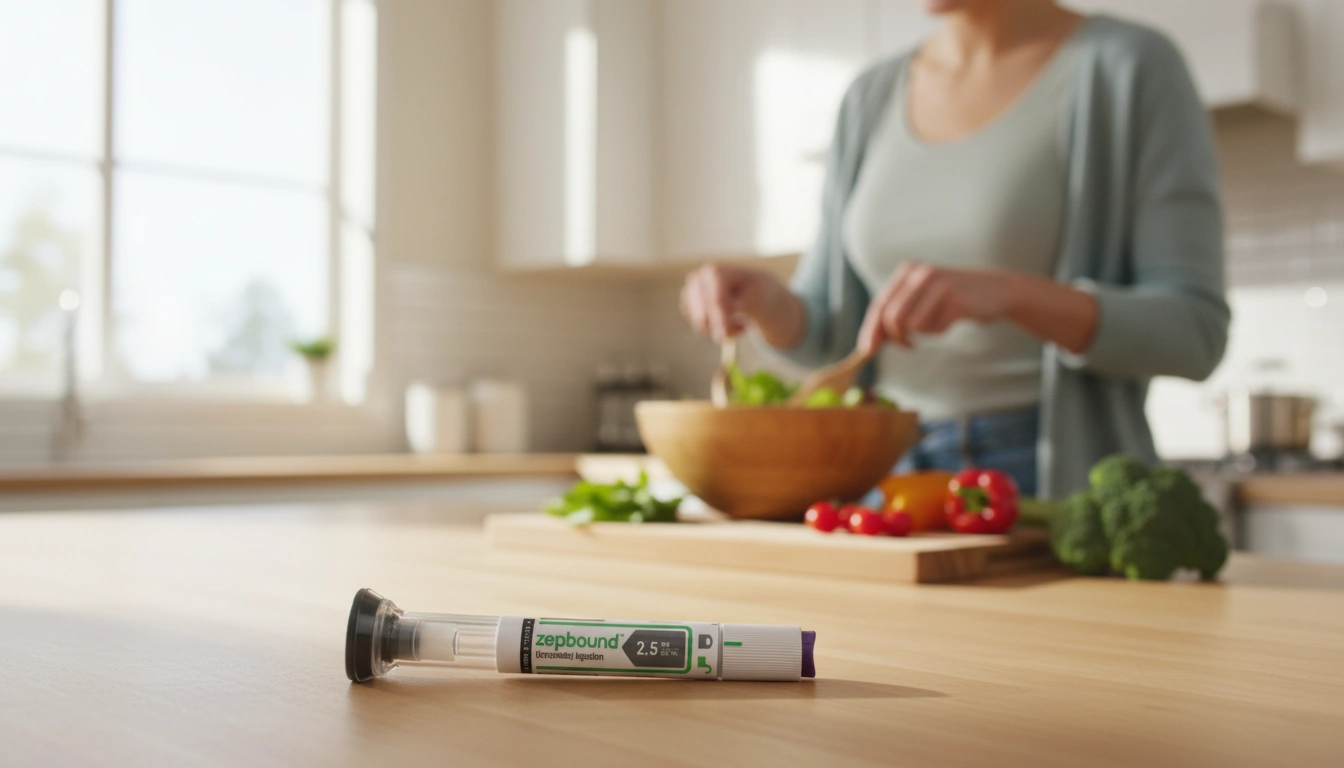
The journey toward improved health and weight management often involves powerful and effective tools like Zepbound. This medication, part of a new generation of treatments, has shown remarkable potential in supporting individuals on their weight loss path. However, with any potent prescription medication, understanding its proper use and recognizing potential risks is paramount. Misunderstandings or accidental dosing errors can occur, and knowing precisely what to do if you take too much Zepbound is not just important—it can be life-saving.
At TrimRx, our journey began with a shared vision to help individuals embrace healthier lifestyles by merging cutting-edge telehealth innovations with effective weight loss solutions. We understand that this path requires not only scientific backing but also a deep commitment to safety and personalized care. This blog post is dedicated to illuminating the critical steps you should take if an accidental overdose of Zepbound is suspected, ensuring your well-being remains the top priority.
This article will delve into the nuances of Zepbound administration, detail the signs and symptoms that might indicate an excessive dose, and, most importantly, provide clear, actionable guidance on what to do if you find yourself in such a situation. We will also explore preventive measures and highlight how a medically supervised program, like those offered by TrimRx, emphasizes precise dosing and ongoing support to safeguard your health. By the end of this comprehensive guide, you will have a clearer understanding of safe Zepbound usage and feel more confident in navigating potential challenges, reinforcing our belief that sustainable weight loss should be achieved through science, empathy, and a transparent approach. We believe in empowering you with knowledge, every step of the way.
Understanding Zepbound: A Powerful Tool for Weight Management
Zepbound, known generically as tirzepatide, represents a significant advancement in the field of weight management. Approved by the U.S. Food and Drug Administration (FDA) for chronic weight management, it offers a new pathway for individuals living with obesity or who are overweight with weight-related medical conditions. This medication works by mimicking two natural hormones, glucagon-like peptide-1 (GLP-1) and glucose-dependent insulinotropic polypeptide (GIP). These incretin hormones play a crucial role in regulating appetite, promoting feelings of fullness, and slowing down gastric emptying, all of which contribute to reduced food intake and subsequent weight loss.
Our approach at TrimRx integrates these innovative medications into a holistic, personalized strategy. We recognize that while Zepbound is a powerful tool, its effectiveness and safety are maximized when used within a structured and medically supervised program. For those considering prescription medications like Zepbound, our process begins with a free assessment quiz. This quiz helps determine your eligibility and allows our medical professionals to craft a personalized treatment plan tailored to your unique health profile and weight loss goals. This commitment to individualized care is a cornerstone of the TrimRx experience, ensuring that your journey is supported by science and expertise.
The Importance of Precise Dosing
The efficacy and safety of Zepbound hinge on precise dosing and adherence to your healthcare provider’s instructions. Zepbound is administered as a once-weekly subcutaneous injection, with dosages typically starting low and gradually increasing under medical supervision to reach an optimal maintenance dose. This titration process is designed to minimize potential side effects while maximizing the medication’s benefits.
Deviating from the prescribed dosage, whether unintentionally or through misunderstanding, can lead to adverse effects, some of which may be severe. This is why clear communication with your healthcare provider and a thorough understanding of your medication regimen are non-negotiable. At TrimRx, we emphasize this precision. Our comprehensive service includes detailed doctor consultations where you receive clear guidance on how to administer your medication and manage your treatment plan effectively. We believe in transparent service, ensuring that our approach remains consistent regardless of dosage changes. Our medications, including Zepbound and other options such as Compounded Semaglutide, Oral Semaglutide, Ozempic®, Compounded Tirzepatide, Oral Tirzepatide, Mounjaro®, and Wegovy®, are provided through FDA-registered, inspected, and approved pharmacies, reinforcing our commitment to safety and quality.
Recognizing the Signs: When “Too Much” Becomes a Concern
While Zepbound is generally well-tolerated, side effects can occur, even at prescribed doses. The challenge with an overdose, particularly for medications like Zepbound that influence gastrointestinal function, is that many overdose symptoms can resemble intensified versions of common side effects. Understanding this distinction—the difference between typical side effects and signs of a potentially excessive dose—is crucial for knowing what to do if you take too much Zepbound.
Common Side Effects of Zepbound
It is important to be familiar with the typical side effects you might experience when starting or increasing your Zepbound dose. These are usually mild to moderate and often subside as your body adjusts to the medication. They can include:
- Nausea
- Diarrhea
- Vomiting
- Constipation
- Stomach (abdominal) pain
- Indigestion or upset stomach
- Injection site reactions (pain, redness, itching, swelling)
- Feeling tired or fatigued
- Belching
- Hair loss
- Heartburn
These common side effects do not necessarily indicate an overdose. However, if they become severe, persistent, or significantly worsen, they warrant a conversation with your healthcare provider.
Serious Side Effects and Potential Overdose Indicators
The line between severe side effects and symptoms of an overdose can be subtle but critical. An overdose of Zepbound typically manifests as an exacerbation of the medication’s known effects, primarily impacting the gastrointestinal system. The active ingredient, tirzepatide, has a long half-life, meaning its effects can persist for several days after administration. Therefore, symptoms from an overdose may not only be intense but also prolonged.
Key indicators that you may have taken too much Zepbound, or are experiencing serious adverse effects, include:
Severe Gastrointestinal Distress
This is the most common and prominent indicator. Look for:
- Intense, unremitting nausea and vomiting: Far beyond typical discomfort, leading to an inability to keep any food or liquids down.
- Severe and persistent abdominal pain: This pain may radiate to your back, suggesting inflammation of the pancreas.
- Profound diarrhea: Leading to rapid fluid loss and dehydration.
Dehydration and Kidney Problems
Excessive vomiting and diarrhea can lead to severe dehydration, which can, in turn, put a strain on your kidneys. Signs of kidney problems may include:
- Reduced urination
- Swelling in your feet, ankles, or legs
- Unusual tiredness or weakness
- Confusion or difficulty catching your breath
Hypoglycemia (Low Blood Sugar)
While Zepbound generally has a low risk of causing severe hypoglycemia on its own, this risk increases significantly if you are also taking other diabetes medications, such as insulin or sulfonylureas. Signs of low blood sugar include:
- Dizziness or light-headedness
- Sweating
- Confusion or drowsiness
- Headache
- Blurred vision or slurred speech
- Shakiness or feeling jittery
- Fast heartbeat
- Anxiety, irritability, or mood changes
- Intense hunger or weakness
Pancreatitis (Inflammation of the Pancreas)
This is a serious but rare side effect. Symptoms of pancreatitis, which require immediate medical attention, include:
- Severe pain in your stomach area that will not go away, with or without vomiting. The pain may spread from your abdomen to your back.
Gallbladder Problems
Symptoms can include:
- Pain in your upper stomach (abdomen)
- Fever
- Yellowing of skin or eyes (jaundice)
- Clay-colored stools
Serious Allergic Reactions
While not directly an overdose symptom, a severe allergic reaction to Zepbound can be life-threatening and requires immediate attention. Symptoms include:
- Swelling of your face, lips, tongue, or throat
- Problems breathing or swallowing
- Severe rash or itching
- Fainting or feeling dizzy
- Very rapid heartbeat
Mental Health Changes
Though less common, any new or worsening changes in mood, behavior, feelings, or thoughts, including thoughts of suicide, should be reported to your healthcare provider immediately.
It’s vital to remember that if you’re experiencing symptoms that are significantly different from what your doctor described, are severe, or persist for an unusual duration, these are red flags. When in doubt, it is always best to err on the side of caution and seek professional medical advice.
Immediate Action: What to Do If You Take Too Much Zepbound
The moment you suspect you or someone you know has taken too much Zepbound, prompt action is critical. Do not hesitate, and do not wait for symptoms to worsen. Time can be a crucial factor in mitigating potential harm. This section provides a step-by-step guide on what to do if you take too much Zepbound.
1. Stay Calm and Assess the Situation
While it’s natural to feel anxious, try to remain calm. A clear mind will help you follow the necessary steps effectively. Quickly assess the situation:
- What was taken? Confirm it was Zepbound.
- How much was taken? Estimate the dose as accurately as possible.
- When was it taken? Note the time of the overdose.
- What symptoms are present? Observe any changes in the individual’s condition.
2. Contact Poison Control Immediately
For any suspected overdose, regardless of the severity of symptoms, your first and most critical step is to call a poison control center. In the United States, you can reach a Poison Center expert at 1-800-222-1222. This national hotline will connect you to your local poison control center, where healthcare professionals specializing in toxicology are available 24/7. They can provide immediate, expert, and confidential advice on how to manage the situation.
When you call, be prepared to provide the information you gathered in step 1. These experts can help you determine if the symptoms warrant a trip to the emergency room or if the individual can be safely monitored at home. They will guide you through appropriate first-aid measures and advise on the next steps based on the specific circumstances.
3. Seek Medical Advice Promptly
If contacting Poison Control is not immediately feasible, or if advised by Poison Control, reach out to your healthcare provider immediately. This could be your prescribing doctor or another medical professional familiar with your health history. They can offer specific guidance tailored to your individual condition and medication regimen.
4. For Life-Threatening Symptoms, Call 911
If the individual is experiencing severe, life-threatening symptoms, such as:
- Loss of consciousness
- Severe difficulty breathing
- Convulsions or seizures
- Uncontrollable bleeding
- Signs of a severe allergic reaction (e.g., swelling of the face/throat, widespread rash)
Call 911 immediately. Do not wait to contact Poison Control or your healthcare provider in these critical situations. Emergency medical services are equipped to provide immediate, on-site intervention and transport to the nearest hospital.
5. Follow Professional Medical Guidance
Once you have contacted Poison Control or emergency services, adhere strictly to their instructions. They may advise:
- Supportive treatment: This often involves managing symptoms as they arise. For example, if severe vomiting and diarrhea are present, efforts will be made to prevent or correct dehydration through fluid intake or intravenous fluids.
- Observation: Given Zepbound’s long half-life (approximately 5 days), a period of observation and treatment for symptoms may be necessary, sometimes extending over several days in a medical setting, to monitor for delayed or prolonged effects.
- Blood sugar monitoring: If there’s a risk of hypoglycemia, especially for individuals also on diabetes medications, frequent blood sugar checks may be recommended.
6. Do Not Induce Vomiting Unless Instructed
Never try to induce vomiting or administer other remedies unless specifically instructed to do so by a medical professional. Doing so could potentially cause more harm.
Remember, the goal is to get expert advice as quickly as possible. These professionals are best equipped to determine the severity of the overdose and guide the appropriate course of action, ensuring the safest possible outcome.
Preventing Dosing Errors and Ensuring Safe Use
Preventing an overdose is always preferable to treating one. Many incidents of taking too much Zepbound stem from unintentional errors or misunderstandings rather than deliberate misuse. By adopting best practices for medication management and maintaining open communication with your healthcare team, you can significantly reduce the risk of such incidents.
Adhere Strictly to Your Healthcare Provider’s Instructions
This cannot be stressed enough. Zepbound is a powerful medication, and its dosage is carefully chosen based on your individual health profile and response. Always:
- Use Zepbound exactly as prescribed. Do not adjust your dose without explicit guidance from your healthcare provider.
- Understand the administration schedule. Zepbound is a once-weekly injection. Confirm the day and time you should take it and stick to this schedule consistently. Confusion about whether to take it daily or weekly has been a reported factor in dosing errors.
- Review the Instructions for Use that come with your Zepbound pen. Familiarize yourself with how to prepare and administer the injection properly.
Mastering Proper Injection Technique
- Rotate Injection Sites: To minimize injection site reactions and ensure optimal absorption, change your injection site each week. The approved sites are your stomach (abdomen), thigh, or upper arm. Do not use the same site for each injection.
- Confirm the Dose: Especially if using a pen device that allows for dose selection, double-check that you have selected the correct dose before injection. In cases where compounded versions of GLP-1 medications are used, where patients manually draw medication from a vial, the risk of dosing errors is significantly higher if individuals are unfamiliar with proper syringe measurement techniques. For instance, confusing 0.1 milliliters for 0.01 milliliters can lead to a tenfold overdose.
Open Communication with Your Healthcare Provider
Your healthcare provider is your primary partner in safe medication use. Maintain transparent communication:
- Share Your Full Medical History: Disclose all medical conditions, including problems with your pancreas or kidneys, severe stomach issues like gastroparesis, a history of diabetic retinopathy, or any personal or family history of medullary thyroid carcinoma (MTC) or Multiple Endocrine Neoplasia syndrome type 2 (MEN 2). Zepbound is contraindicated in some of these conditions.
- List All Medications and Supplements: Inform your provider about all prescription medicines, over-the-counter drugs, vitamins, herbal supplements, and birth control pills you are taking. Interactions can occur, such as Zepbound potentially reducing the effectiveness of oral birth control for a period after initiation or dose increases.
- Discuss Pregnancy and Breastfeeding: If you are pregnant, plan to become pregnant, are breastfeeding, or plan to breastfeed, discuss this with your provider. Zepbound may harm an unborn baby, and its passage into breast milk is unknown. There is a pregnancy exposure registry for women who have taken Zepbound during pregnancy.
- Report Any Concerns: If you experience any side effects that bother you, or if you are unsure about any aspect of your treatment, contact your healthcare provider.
Safe Storage Practices
- Keep Zepbound out of reach of children and pets.
- Store Zepbound correctly. Keep it in its original packaging in the refrigerator (36°F to 46°F / 2°C to 8°C) to protect it from light. If needed, it can be kept at room temperature (up to 86°F / 30°C) for no more than 21 days, but do not return it to the refrigerator once removed. Do not freeze Zepbound.
The Role of Safe Medication Sourcing
The demand for weight loss medications like Zepbound has led to instances where individuals seek compounded versions. It’s important to understand the distinctions and potential risks:
- FDA-Approved vs. Compounded: Branded medications like Zepbound are FDA-approved, meaning they have undergone rigorous testing for safety, efficacy, and quality. Compounded drugs, while legal in certain circumstances, are not FDA-approved and therefore have not been vetted for safety or effectiveness by the FDA.
- Quality and Ingredients: There have been reports of compounded versions containing different active ingredients (e.g., salt forms of tirzepatide instead of the base form) or varying potencies, which can compromise both safety and efficacy.
- Dosing Accuracy: As mentioned earlier, compounded medications often require self-drawing with a syringe, increasing the potential for manual dosing errors.
At TrimRx, your safety is our top priority. We partner exclusively with FDA-registered and inspected pharmacies for the shipping of weight loss medications. This commitment ensures that the medications you receive, whether it’s FDA-approved Zepbound or other prescription options, meet stringent quality and safety standards. Our dedication to safety extends to transparent service and medically supervised care, ensuring you receive high-quality medication and expert guidance throughout your weight loss journey.
The Broader Context of Your Weight Loss Journey with TrimRx
Navigating a weight loss journey, especially one involving prescription medications like Zepbound, is a significant undertaking. It’s a path that requires not just adherence to medication but also a comprehensive, supportive framework. At TrimRx, we understand that sustainable weight loss is achieved through more than just a prescription; it’s about personalized care, education, and unwavering support.
Our approach is rooted in the belief that effective weight loss solutions should be accessible, personalized, and clinically proven. We merge cutting-edge telehealth innovations with robust medical supervision to create a user-friendly and supportive space. This platform is designed to make sustainable weight loss attainable and truly tailored to the individual. We are empathetic, innovative, trustworthy, supportive, results-oriented, and profoundly personalized in our brand personality and messaging. We offer compassionate care that respects every individual’s unique journey by combining advanced medical science with modern technology.
When you embark on a personalized weight loss program with TrimRx, we ensure a comprehensive service that includes:
- Doctor Consultations: Personalized medical evaluations to determine the best course of treatment for you.
- Lab Work: Essential diagnostic testing to monitor your health and ensure the safety and effectiveness of your plan.
- Medication: Access to a range of prescription options, including Compounded Semaglutide, Oral Semaglutide, Ozempic®, Compounded Tirzepatide, Oral Tirzepatide, Mounjaro®, Zepbound®, and Wegovy®, all provided through FDA-registered and inspected pharmacies.
- Unlimited Support: Ongoing access to our care team to answer questions, address concerns, and provide encouragement.
- Shipping: Convenient delivery of your medications directly to your door, with no hidden fees.
We believe that this holistic model provides the best foundation for success, minimizing risks and maximizing positive outcomes. Our commitment to safety is paramount, which is why we meticulously vet our partner pharmacies and provide clear, consistent guidance.
Beyond prescription medications, we also offer quick-access supplements to support your overall wellness during your weight loss journey. These do not require a quiz and are available for immediate purchase:
- GLP-1 Daily Support: Designed to complement your regimen and support metabolic health.
- Weight Loss Boost: Formulated to enhance energy and aid in weight management.
Taking the first step towards a healthier you can begin with understanding your options. We encourage you to take our free assessment quiz to see if you qualify for our personalized prescription weight loss medications. This quiz is the gateway to a tailored plan that prioritizes your safety, efficacy, and long-term success.
Conclusion
Understanding what to do if you take too much Zepbound is a critical component of safe and effective weight management. We’ve explored the mechanism of this powerful medication, detailed the common side effects versus the more serious indicators of an excessive dose, and outlined the immediate, crucial steps to take in a suspected overdose situation—primarily, contacting Poison Control or seeking emergency medical help. Beyond reactive measures, we’ve emphasized the importance of proactive prevention: strict adherence to prescribed dosages, meticulous attention to administration techniques, and transparent communication with your healthcare provider are your best defenses against accidental dosing errors.
At TrimRx, our entire philosophy is built around empowering individuals to achieve sustainable weight loss through medically supervised care that is both safe and effective. Our platform simplifies access to personalized treatment plans, ensuring you receive comprehensive support, from initial consultation and lab work to medication delivery and ongoing guidance. We partner with FDA-registered and inspected pharmacies to provide medications like Zepbound, Ozempic®, Wegovy®, Mounjaro®, and their compounded equivalents, always upholding the highest standards of safety and quality.
Your weight loss journey doesn’t have to be navigated alone. We are here to provide the tools, expertise, and support you need every step of the way. If you’re considering a prescription weight loss medication, we invite you to take our free assessment quiz to discover your personalized treatment plan. For immediate support, explore our GLP-1 Daily Support and Weight Loss Boost supplements. Together, we can pursue a healthier, happier you with confidence and peace of mind.
Frequently Asked Questions
Q1: What are the most common signs that someone has taken too much Zepbound?
A1: The most common signs of taking too much Zepbound are severe and persistent gastrointestinal issues, including intense nausea, repeated vomiting, severe abdominal pain, and significant diarrhea. These symptoms are an exacerbated version of the medication’s common side effects and can lead to serious complications like dehydration and kidney problems.
Q2: What is the first thing I should do if I suspect an overdose of Zepbound?
A2: If you suspect an overdose of Zepbound, the first and most crucial step is to immediately call Poison Control at 1-800-222-1222. For life-threatening symptoms such as loss of consciousness or severe breathing difficulty, call 911 immediately. Do not wait for symptoms to worsen before seeking professional medical advice.
Q3: Can Zepbound cause low blood sugar (hypoglycemia) if too much is taken?
A3: While Zepbound has a relatively low risk of causing severe hypoglycemia on its own, taking too much, especially when combined with other diabetes medications like insulin or sulfonylureas, significantly increases this risk. Symptoms of low blood sugar include dizziness, confusion, sweating, headache, blurred vision, and a fast heartbeat. If these occur, seek medical attention promptly.
Q4: How does TrimRx ensure safe medication use in its personalized weight loss programs?
A4: At TrimRx, we prioritize safety through a comprehensive approach. Our personalized programs begin with a free assessment quiz and doctor consultations to ensure medication is appropriate for your health profile. We partner exclusively with FDA-registered and inspected pharmacies for all prescription medications, including Zepbound, ensuring quality and proper dosage. Our service includes clear guidance, unlimited support, and transparent communication to help you manage your treatment safely and effectively. We also offer quick-access supplements for additional wellness support.

Transforming Lives, One Step at a Time
Keep reading

How to Get Zepbound in Texas: Your Guide
Getting Zepbound in Texas is straightforward once you know your options. You can get a prescription through a telehealth provider from home, through your…
How to Get Zepbound in California: Where to Start
Zepbound (tirzepatide) is available to California residents through your primary care provider, a weight loss clinic, or a telehealth service that prescribes and delivers…
Stopping Zepbound: Managing the Transition
When you stop taking Zepbound, your appetite returns to pre-medication levels within a few weeks and most people regain a meaningful portion of their…


