Navigating Zepbound: When to Take Your Dose for Optimal Well-being and Weight Management

Introduction
Have you ever considered how the simple act of when you take a medication could significantly influence its overall impact on your body and your weight loss journey? It’s a question that often arises, particularly with powerful new tools in chronic weight management like Zepbound (tirzepatide). As individuals seek effective pathways to healthier lifestyles, understanding the nuances of their treatment plans becomes paramount. Zepbound, a groundbreaking medication, has shown remarkable efficacy, but the practicalities of its administration—specifically, the debate around whether to take it in the morning or at night—can lead to important considerations for optimizing results and minimizing discomfort.
In a world where personalized health solutions are increasingly valued, recognizing the role of timing in medication efficacy is more relevant than ever. This blog post aims to demystify the ideal timing for Zepbound injections, exploring official recommendations, potential side effects that might influence your choice, and practical strategies to seamlessly integrate this medication into your life. We will delve into how Zepbound functions, its potential indirect effects on sleep, and how adopting mindful practices can enhance your experience. Throughout our discussion, we underscore TrimRx’s unwavering commitment to personalized, medically supervised care, ensuring every individual finds a path to sustainable weight loss that is tailored to their unique needs. By the end of this comprehensive guide, you’ll possess a clearer understanding of how to make an informed decision about your Zepbound dosing schedule, empowering you to maximize your journey towards improved health and well-being.
Understanding Zepbound: A Deeper Dive into its Mechanism
Before we explore the optimal timing for administration, it’s crucial to grasp what Zepbound is and how it functions within the body to support weight loss. Zepbound, the brand name for tirzepatide, represents a significant advancement in chronic weight management. It received FDA approval for adults with obesity or those who are overweight with at least one weight-related condition, such as high blood pressure, type 2 diabetes, or high cholesterol, to be used in conjunction with a reduced-calorie diet and increased physical activity. Our journey at TrimRx began with a shared vision to help individuals embrace healthier lifestyles by merging cutting-edge telehealth innovations with effective weight loss solutions, and medications like Zepbound exemplify the science-backed approaches we advocate.
How Tirzepatide Works Its Magic
Zepbound’s efficacy stems from its unique action as a dual agonist, meaning it mimics the effects of two natural gut hormones: glucagon-like peptide-1 (GLP-1) and glucose-dependent insulinotropic polypeptide (GIP). This dual action confers several powerful benefits for weight management:
Appetite Suppression and Satiety
One of the primary ways Zepbound aids weight loss is by influencing appetite and satiety. Both GLP-1 and GIP play roles in regulating hunger signals in the brain. By activating receptors for these hormones, Zepbound helps to:
- Reduce appetite: Individuals report feeling less hungry, which naturally leads to consuming fewer calories.
- Increase feelings of fullness: The medication helps the body register satiety more effectively, prompting individuals to stop eating sooner and feel satisfied with smaller portions.
Slowed Gastric Emptying
Zepbound also slows down the rate at which food leaves the stomach. This effect, known as delayed gastric emptying, contributes to a prolonged feeling of fullness, further supporting reduced food intake and calorie control. This mechanism is particularly relevant when considering meal timing and potential gastrointestinal side effects, which we will discuss later.
Blood Sugar Regulation
While primarily approved for weight management, tirzepatide’s original development was for type 2 diabetes due to its profound effects on blood glucose. It enhances the body’s natural insulin secretion in response to meals and suppresses glucagon release. Better blood sugar control can indirectly aid weight management by reducing cravings and stabilizing energy levels. For those with type 2 diabetes, this aspect is an added benefit, though it requires careful monitoring, especially if other glucose-lowering medications are in use.
Administration and Dosing Schedule
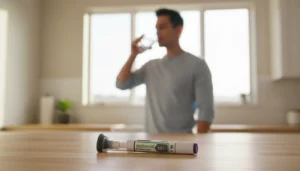
Zepbound is administered as a once-weekly subcutaneous injection. The medication comes in either a single-dose pen or a single-dose vial, designed for ease of use. It can be injected into the abdomen, thigh, or the back of the upper arm (if administered by another person). A core tenet of our approach at TrimRx is personalized, medically supervised care, and this extends to how we guide individuals through their dosing schedule.
Treatment typically begins with a recommended starting dose of 2.5 mg once weekly. After four weeks, your healthcare provider will assess your response and tolerance, and may increase your dose to 5 mg. Subsequent dose increases occur in 2.5 mg increments, after at least four weeks on the current dose, until a recommended maintenance dosage (typically 5 mg, 10 mg, or 15 mg) is achieved. This gradual titration helps the body adjust to the medication, potentially minimizing side effects. Our commitment to transparent service means our approach remains consistent regardless of dosage changes, focusing on your safety and results.
The Question of Timing: Should I Take Zepbound at Night?
One of the most frequent questions we encounter regarding Zepbound is about the optimal time of day for its weekly injection. “Should I take Zepbound at night?” is a common query, and the answer, thankfully, offers flexibility.
Official Guidelines and What They Mean for You
According to the prescribing information for Zepbound, the medication can be administered at any time of day, with or without food, once a week. The crucial element is consistency. Taking your dose on the same day each week helps maintain stable levels of tirzepatide in your system, which is essential for maximizing its therapeutic effects.
This flexibility means that whether you prefer to take your Zepbound injection in the morning, midday, or at night, it is medically acceptable. However, “acceptable” doesn’t always equate to “optimal” for every individual. Your personal circumstances, lifestyle, and potential responses to the medication should guide your decision. We believe that sustainable weight loss should be achieved through science, empathy, and a transparent approach, and this includes making informed decisions about medication timing that suit your unique body and routine.
Factors Influencing Your Timing Decision
While Zepbound offers broad flexibility, several factors might make one time of day more advantageous for you than another. Considering these can help you decide when it’s best to administer your weekly dose.
Personal Routine and Habits
The most practical consideration is your routine. When are you most likely to remember your injection without fail? Many individuals find linking medication administration to an existing habit—like before bed, after a morning coffee, or during a specific weekly chore—helps ensure adherence.
- Morning injection: Some prefer mornings to get it “out of the way” and establish a routine for the week ahead.
- Nighttime injection: Others might find evenings or just before bed a calmer, less rushed time, ensuring they can focus on the injection process.
Potential Side Effects and Their Management
Zepbound, like any medication, can cause side effects. The most common ones are gastrointestinal (GI) in nature and include nausea, diarrhea, vomiting, constipation, abdominal pain, and indigestion. These effects are often most pronounced when starting the medication or increasing the dose, and typically subside over time as your body adjusts.
If you are particularly sensitive to these GI side effects, taking Zepbound at night might be a strategic choice. Administering the medication before bed could allow you to sleep through the initial onset of potential discomfort, such as nausea or indigestion. This can significantly improve your experience and make the initial adjustment period more manageable. This compassionate care that respects every individual’s unique journey is a cornerstone of our brand personality at TrimRx.
Meal Timing and Lifestyle
Zepbound can be taken with or without food. However, if you experience nausea, some individuals find that taking it after a lighter meal, or consciously avoiding heavy, fatty meals around the time of injection, can help. The delayed gastric emptying effect of Zepbound means that a heavy meal late in the evening, especially after a nighttime injection, might contribute to overnight discomfort. Conversely, if you prefer to eat your main meals earlier in the day, a nighttime injection might work well by aligning with a lighter evening eating pattern.
Consistency and Flexibility
While consistency is key, life happens. If you need to change your injection day, Zepbound offers some flexibility. Ensure there are at least 3 days (72 hours) between doses. If you miss a dose, take it as soon as possible, within 4 days (96 hours) of your scheduled dosing. If more than 4 days have passed, skip the missed dose and take your next dose on your regularly scheduled day. Do not take two doses within 3 days (72 hours) of each other. Setting a reminder on your phone is a simple yet effective “pro tip” to help maintain your schedule.
Ultimately, the decision of when to take your Zepbound dose is a personalized one. We encourage you to reflect on your daily rhythm, potential sensitivities, and lifestyle to determine the best approach for you. Our goal at TrimRx is to provide a user-friendly and supportive space where individuals receive personalized, medically supervised care—all designed to make sustainable weight loss attainable and tailored to the individual.
Zepbound’s Indirect Impact on Sleep: What to Know
While “should I take Zepbound at night?” often comes down to personal preference for convenience or managing immediate side effects, it’s also important to consider Zepbound’s potential indirect effects on sleep quality. It’s crucial to understand that current research does not suggest Zepbound directly causes insomnia as a commonly reported side effect. In fact, some clinical trials have indicated that tirzepatide can lead to fatigue in some individuals. However, several indirect factors related to Zepbound’s action and common side effects could potentially disrupt sleep.
Gastrointestinal Side Effects and Nighttime Discomfort
As mentioned, gastrointestinal issues are the most common side effects reported by individuals taking Zepbound. In clinical trials, a significant percentage of participants experienced nausea, diarrhea, vomiting, constipation, and abdominal pain, particularly when initiating treatment or increasing dosage.
If these side effects strike at night, they can undoubtedly interfere with restful sleep. Imagine trying to fall asleep or stay asleep while experiencing nausea or needing frequent trips to the bathroom. While these effects are generally temporary and decrease over time, they can be quite disruptive during the initial adjustment phases. Therefore, some individuals might find that timing their injection to allow these acute effects to manifest during waking hours, or by sleeping through them, can improve overall comfort and sleep quality.
Hormonal Shifts and Circadian Rhythms
Zepbound’s mechanism of action involves appetite-regulating hormones like leptin and ghrelin. These hormones are intrinsically linked to your body’s natural circadian rhythm, which governs sleep-wake cycles. Ghrelin, the “hunger hormone,” typically peaks during the day, while leptin, which signals satiety, usually peaks at night to promote fullness and support sleep.
Significant shifts in appetite suppression and eating patterns, which Zepbound facilitates, could potentially lead to a temporary dysregulation of these hormones. If your body’s natural hunger cues and eating rhythms are altered, it might subtly affect your energy balance and, consequently, your sleep quality. While not a direct cause of insomnia, this indirect influence highlights the complex interplay between metabolism, hormones, and sleep.
Changes in Blood Sugar Levels: A Rare but Important Consideration
Zepbound effectively lowers blood sugar levels. While beneficial, especially for individuals with type 2 diabetes, there is a rare possibility of blood sugar dropping too low (hypoglycemia). Hypoglycemia can cause symptoms like shakiness, anxiety, confusion, and tremors, which are certainly not conducive to a good night’s sleep.
This side effect is more likely to occur in individuals who are also taking other medications that lower blood sugar, such as insulin or sulfonylureas. If you have type 2 diabetes and are considering Zepbound, it’s vital to have a thorough discussion with your healthcare provider about all medications you are currently taking. They may adjust dosages of other medications to mitigate the risk of hypoglycemia. At TrimRx, our comprehensive service includes doctor consultations and lab work to proactively identify and manage such risks, ensuring your safety and well-being.
Fatigue as a Reported Side Effect
Interestingly, while insomnia is not a direct side effect, fatigue is reported in clinical trials for Zepbound. Some individuals might find themselves feeling more tired, which could impact their daily energy levels and potentially their sleep patterns. This fatigue is different from insomnia, which is difficulty falling or staying asleep. However, extreme daytime fatigue could lead to altered sleep behaviors or poorer quality sleep if not managed.
In essence, while Zepbound isn’t known to directly cause insomnia, its common side effects and metabolic impacts can indirectly affect your sleep. Understanding these potential influences empowers you to make informed decisions about timing your dose and adopting supportive lifestyle practices.
Optimizing Your Zepbound Experience for Better Sleep and Weight Management
Successfully integrating Zepbound into your life involves more than just the weekly injection; it encompasses a holistic approach to your well-being. At TrimRx, we believe in combining advanced medical science with modern technology to offer compassionate care that respects every individual’s unique journey. Here’s how you can optimize your Zepbound experience, especially concerning sleep and overall weight management.
Strategic Timing and Consistency
The fundamental principle remains: consistency is paramount. Choose a specific day and time each week for your Zepbound injection and stick to it. Whether you ultimately decide to take Zepbound at night or in the morning, making it a regular part of your schedule helps your body adapt and ensures steady medication levels.
- Trial and Observation: If you’re unsure, you might try a nighttime dose for a few weeks, observing how your body responds, particularly regarding GI side effects and sleep. If you find daytime effects more manageable, you can switch. Remember the 72-hour rule if you change your injection day.
- Set Reminders: Utilize your phone’s alarm or calendar apps for weekly reminders. This simple step can significantly improve adherence.
Cultivating Excellent Sleep Hygiene
Good sleep hygiene is a powerful tool for improving sleep quality, regardless of medication. These practices become even more valuable if you suspect Zepbound is indirectly impacting your rest.
- Consistent Sleep Schedule: Go to bed and wake up at roughly the same time every day, even on weekends. This helps regulate your body’s natural circadian rhythm.
- Relaxing Nighttime Routine: Engage in calming activities before bed, such as reading, taking a warm bath, or practicing meditation. Avoiding stimulating activities like intense exercise or stressful discussions can signal your body it’s time to wind down.
- Optimize Your Sleep Environment: Ensure your bedroom is dark, quiet, and cool. Blackout curtains, earplugs, or a white noise machine can be helpful.
- Limit Screen Time: The blue light emitted from phones, tablets, and computers can interfere with melatonin production, a hormone essential for sleep. Try to switch off screens at least an hour before bed.
Dietary Adjustments for Comfort
Since Zepbound slows gastric emptying and can cause GI side effects, making conscious dietary choices, especially in the evening, can significantly enhance your comfort.
- Lighter Evening Meals: Opt for smaller, less fatty meals in the evening. Heavy, rich, or greasy foods can linger in the stomach longer, potentially exacerbating discomfort, particularly after a nighttime Zepbound injection. Think lean protein, vegetables, and whole grains in moderate portions.
- Mindful Eating: Pay attention to your body’s signals of fullness. Zepbound helps you feel satiated sooner, so honor that feeling and stop eating when you’re no longer hungry, rather than when your plate is empty.
- Stay Hydrated: Drinking plenty of water throughout the day can help mitigate some GI side effects, particularly constipation.
Moderating Caffeine and Alcohol Intake
Both caffeine and alcohol can significantly disrupt sleep architecture, irrespective of Zepbound use. If you’re experiencing sleep disturbances, carefully evaluating your intake of these substances is crucial.
- Caffeine: As a stimulant, caffeine can delay sleep onset and reduce the amount of deep sleep. Try to cut off caffeine consumption several hours before bedtime, typically by early afternoon.
- Alcohol: While alcohol might initially make you feel sleepy, it often leads to fragmented sleep later in the night, reducing overall sleep quality and REM sleep. Limiting or avoiding alcohol, especially close to bedtime, can improve your rest.
Proactive Communication with Your Healthcare Provider
Your healthcare provider is your most valuable partner in this journey. If you experience persistent or worsening side effects, including sleep issues, it’s essential to communicate openly and promptly.
- Report Concerns: Don’t hesitate to report any side effects that bother you or don’t seem to improve. Your doctor can help determine if they are related to Zepbound, suggest strategies for management, or investigate other potential causes (e.g., sleep apnea or other underlying conditions).
- Dosage Adjustments: Sometimes, adjusting the Zepbound dose might alleviate side effects. This is part of the personalized approach we champion.
- Holistic Support: At TrimRx, our comprehensive service includes doctor consultations, medication (provided through FDA-registered and inspected pharmacies), lab work, unlimited support, and shipping—all with no hidden fees. We are dedicated to providing the ongoing guidance you need to navigate your weight loss journey safely and effectively. We work exclusively with FDA-registered and inspected pharmacies for the shipping of weight loss medications, underscoring our commitment to your safety. We do not provide actual medical supervision; instead, we partner with these pharmacies.
By adopting these proactive strategies and maintaining open communication with your TrimRx care team, you can significantly enhance your experience with Zepbound, optimizing not only your weight loss results but also your overall well-being and sleep quality.
TrimRx’s Commitment to Your Personalized Journey
At TrimRx, our journey began with a shared vision: to help individuals embrace healthier lifestyles by merging cutting-edge telehealth innovations with effective weight loss solutions. We understand that navigating the complexities of weight management requires more than just medication; it demands a personalized, supportive, and science-backed approach. This is why our platform is designed as a user-friendly and supportive space where individuals receive personalized, medically supervised care, all designed to make sustainable weight loss attainable and tailored to the individual. We firmly believe that sustainable weight loss should be achieved through science, empathy, and a transparent approach.
Our brand personality is rooted in being empathetic, innovative, trustworthy, supportive, results-oriented, and profoundly personalized. We offer compassionate care that respects every individual’s unique journey by combining advanced medical science with modern technology. We are committed to transparent service, highlighting that our approach remains consistent regardless of dosage changes. Furthermore, our focus on safety is paramount, as we work exclusively with FDA-registered and inspected pharmacies for the shipping of weight loss medications.
Our Personalized Weight Loss Programs
We recognize that every individual’s body and needs are unique. That’s why we offer a range of clinically proven solutions. For those seeking prescription weight loss medications, our process begins with a free, comprehensive assessment. This allows us to understand your health profile and determine your eligibility for a personalized treatment plan that might include:
- Compounded Semaglutide: A customized formulation of the active ingredient in some leading GLP-1 medications.
- Oral Semaglutide: A convenient oral form of semaglutide for those who prefer not to inject.
- Ozempic®: The branded, FDA-approved injectable semaglutide.
- Compounded Tirzepatide: A tailored formulation of the active ingredient in Zepbound®.
- Oral Tirzepatide: An oral option for tirzepatide.
- Mounjaro®: The branded, FDA-approved injectable tirzepatide for type 2 diabetes, often used off-label for weight loss.
- Zepbound®: The branded, FDA-approved injectable tirzepatide specifically for chronic weight management.
- Wegovy®: The branded, FDA-approved injectable semaglutide specifically for chronic weight management.
To explore which of these powerful, personalized options might be right for you and to determine your eligibility, we encourage you to take our free assessment quiz today. This is your first step toward a customized plan designed to support your unique health goals.
Quick-Access Supplements for Holistic Support
Beyond prescription medications, we also understand the importance of immediate support for overall wellness during the weight loss journey. For those looking for supplementary assistance or to complement their personalized program, we offer quick-access supplements that do not require a quiz:
- GLP-1 Daily Support: Designed to complement the body’s natural processes, this supplement provides daily assistance. You can learn more and purchase GLP-1 Daily Support here.
- Weight Loss Boost: This supplement is crafted to provide an additional boost to your weight loss efforts, supporting energy and metabolism. Discover more and purchase Weight Loss Boost here.
These supplements are readily available to integrate into your daily routine, offering immediate support as you work towards your health objectives.
Sustaining Your Progress: Beyond Medication Timing
While understanding when to take Zepbound is a vital piece of the puzzle, achieving and maintaining sustainable weight loss extends far beyond medication timing. It’s about cultivating a holistic approach that integrates medical support with enduring lifestyle changes. Our philosophy at TrimRx emphasizes this comprehensive view, recognizing that long-term success stems from a blend of science, personalized care, and unwavering commitment.
Weight management is not a quick fix; it is a journey of continuous learning, adaptation, and self-care. Medication like Zepbound serves as a powerful tool, facilitating changes in appetite and metabolism that make dietary and activity modifications more effective. However, the true pillars of sustainable health are consistent healthy eating patterns, regular physical activity, adequate sleep, and effective stress management.
- Nutritional Education: Our programs provide support and resources to help you understand balanced nutrition, enabling you to make informed food choices that align with your body’s needs and Zepbound’s effects. This includes guidance on managing potential GI side effects through diet.
- Activity Integration: We encourage the incorporation of physical activity that is enjoyable and sustainable for you. Whether it’s walking, cycling, swimming, or strength training, finding an activity you love is key to long-term adherence.
- Mindset and Well-being: Weight loss is as much a mental and emotional journey as it is physical. Our supportive framework helps you address challenges, celebrate successes, and build resilience.
- Continuous Monitoring and Adaptation: Your body’s needs evolve. Our medically supervised programs include ongoing doctor consultations and lab work to monitor your progress, adjust your treatment plan as needed, and ensure your journey remains safe and effective. This adaptability is crucial for maintaining results.
By engaging with our comprehensive service, which includes expert guidance, medication from FDA-registered pharmacies, and unlimited support, you’re not just getting a prescription; you’re gaining a partner dedicated to empowering you at every step. We equip you with the knowledge and tools to manage potential side effects, enhance your sleep quality, and build a foundation for lasting health. Are you ready to embrace a new chapter in your health journey with a team that truly understands and supports you?
Conclusion
In concluding our exploration, the question of “should I take Zepbound at night?” finds its answer in flexibility and personalized choice, with a strong emphasis on consistency. Zepbound can be effectively administered at any time of day, once a week, and selecting the optimal time should align with your personal routine, lifestyle, and how your body responds to the medication. For many, a nighttime injection might offer the advantage of sleeping through initial mild side effects, making the adjustment period more comfortable.
While Zepbound does not directly cause insomnia, its metabolic effects and common gastrointestinal side effects can indirectly influence sleep quality. Being proactive by practicing good sleep hygiene, making strategic dietary adjustments (especially for evening meals), and moderating caffeine and alcohol intake are all powerful strategies to mitigate any potential sleep disturbances. Open and continuous communication with your healthcare provider is paramount to managing side effects and optimizing your treatment plan.
At TrimRx, we are steadfast in our dedication to supporting your individualized weight loss journey. Our commitment to merging cutting-edge telehealth with effective, personalized, and medically supervised care ensures that you receive the guidance and resources necessary for sustainable success. Whether you are exploring prescription medications like Zepbound, which comes from FDA-registered and inspected pharmacies, or seeking immediate support with our GLP-1 Daily Support or Weight Loss Boost supplements, we are here for you.
We encourage you to take charge of your health. To discover if our personalized prescription weight loss programs, including options like Zepbound, compounded tirzepatide, Ozempic®, or compounded semaglutide, are suitable for you, please take our free assessment quiz today. Let us partner with you on a journey towards a healthier, more vibrant you, built on science, empathy, and transparent support.
FAQ
Can I take Zepbound at any time of the day?
Yes, Zepbound can be administered at any time of day, once a week. The most important factor is maintaining a consistent injection day and time each week to ensure stable medication levels in your body.
What should I do if I miss a dose of Zepbound?
If you miss a dose, take it as soon as you remember, provided it’s within 4 days (96 hours) of your scheduled dosing. If more than 4 days have passed, skip the missed dose and take your next dose on your regularly scheduled day. Do not take two doses within 3 days (72 hours) of each other.
Are there any dietary restrictions I need to follow while taking Zepbound?
While there are no strict dietary restrictions, pairing Zepbound with a reduced-calorie, balanced diet and regular physical activity is crucial for optimal weight loss. Eating lighter, less fatty meals, especially in the evening, can also help manage potential gastrointestinal side effects.
What are the most common side effects of Zepbound, and how can they affect sleep?
The most common side effects are gastrointestinal, including nausea, diarrhea, vomiting, constipation, and abdominal pain. While Zepbound does not directly cause insomnia, these side effects can indirectly disrupt sleep if experienced at night. Fatigue is also a reported side effect. Your healthcare provider can offer strategies to manage these.

Transforming Lives, One Step at a Time
Keep reading

How to Get Zepbound in Texas: Your Guide
Getting Zepbound in Texas is straightforward once you know your options. You can get a prescription through a telehealth provider from home, through your…

How to Get Zepbound in California: Where to Start
Zepbound (tirzepatide) is available to California residents through your primary care provider, a weight loss clinic, or a telehealth service that prescribes and delivers…
Stopping Zepbound: Managing the Transition
When you stop taking Zepbound, your appetite returns to pre-medication levels within a few weeks and most people regain a meaningful portion of their…


