Nourishing Your Journey: What to Eat When Taking Ozempic for Sustainable Weight Management
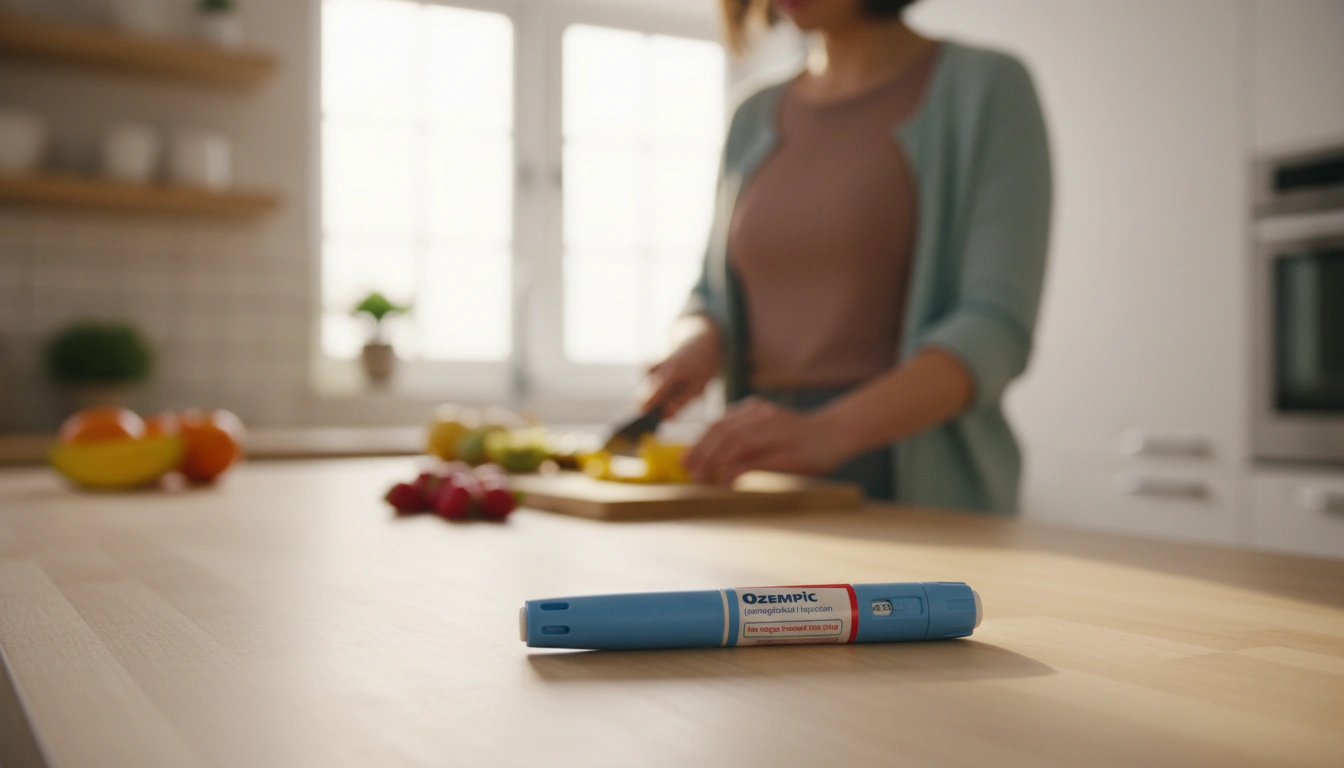
Introduction
The pursuit of better health and effective weight management often brings individuals to pivotal moments where new strategies and tools become essential. For many, this journey now includes innovative medications like Ozempic, a brand name for semaglutide, or other GLP-1 receptor agonists. These medications have revolutionized how we approach weight loss and blood sugar management by working with your body’s natural systems to reduce appetite and slow digestion. However, as with any powerful tool, maximizing its effectiveness and ensuring your well-being requires a thoughtful, integrated approach—especially when it comes to your diet. The question of “what to eat when taking Ozempic” is not just about avoiding discomfort, but about embracing a comprehensive lifestyle shift that supports your health goals from the inside out.
At TrimRx, our journey began with a shared vision to help individuals embrace healthier lifestyles. We merge cutting-edge telehealth innovations with effective weight loss solutions, and a crucial component of this is understanding how nutrition complements your treatment plan. This post aims to demystify the dietary considerations when incorporating GLP-1 medications into your routine. We believe that sustainable weight loss should be achieved through science, empathy, and a transparent approach, guiding you toward informed choices that fuel your body, mitigate potential side effects, and foster lasting wellness.
Throughout this comprehensive guide, we will explore the science behind these medications, delve into the specific foods that support your health journey, identify those that might cause discomfort, and offer practical strategies for integrating these insights into your daily life. Our goal is to empower you with the knowledge to make nourishing choices that align with your personalized weight loss goals, ensuring you receive medically supervised care tailored to your individual needs. By the end, you’ll have a clearer understanding of how to optimize your dietary intake alongside your medication, backed by our commitment to your success.
Understanding GLP-1 Medications and Their Impact on Your Body
The landscape of weight management has significantly evolved with the introduction of GLP-1 receptor agonists. Medications containing active ingredients like semaglutide (found in branded Ozempic® and Wegovy®, as well as our Compounded Semaglutide and Oral Semaglutide options) and tirzepatide (found in branded Mounjaro® and Zepbound®, alongside our Compounded Tirzepatide and Oral Tirzepatide offerings) represent a significant advancement. These medications mimic the action of glucagon-like peptide-1, a natural hormone that plays a crucial role in appetite regulation and blood sugar control.
How GLP-1s Influence Your Metabolism
GLP-1s work on multiple fronts to support weight loss and metabolic health. Firstly, they stimulate the pancreas to produce more insulin when blood sugar levels are high, which helps transport glucose from your bloodstream into your cells for energy. Secondly, they reduce the liver’s production of glucose and inhibit glucagon release, further contributing to stable blood sugar levels. Perhaps most notably for weight management, GLP-1s significantly slow down gastric emptying—meaning food stays in your stomach longer—and act on appetite centers in the brain to reduce “food noise,” those intrusive thoughts about food that can derail progress. This leads to a sustained feeling of fullness and a reduced overall appetite, often resulting in a notable decrease in calorie intake, ranging from 16% to 39% in some studies.
While these effects are highly beneficial, they also mean that your body is processing food differently. The slowed digestion and reduced appetite necessitate a re-evaluation of your eating habits to ensure adequate nutrient intake and minimize potential gastrointestinal side effects such as nausea, bloating, and constipation. This is where a strategic approach to what you eat becomes indispensable, turning your medication into an even more powerful ally in your journey toward a healthier self.
The TrimRx Approach to Personalized Care
At TrimRx, we recognize that every individual’s journey is unique. Our platform is designed as a user-friendly and supportive space where you receive personalized, medically supervised care. We believe that sustainable weight loss is attainable when tailored to the individual, which is why our programs begin with a comprehensive assessment.
To determine your eligibility for our prescription weight loss medications, we encourage you to take our free assessment quiz. This assessment allows our team to understand your specific health profile and create a treatment plan that aligns with your body’s needs and your personal goals. Our commitment to transparent service means our approach remains consistent, focusing on safety by working exclusively with FDA-registered and inspected pharmacies for the shipping of all weight loss medications. For branded options like Ozempic® and Zepbound®, we ensure they are FDA-approved, while for compounded medications, we emphasize that they are provided through these same FDA-registered and inspected pharmacies.
Building Your Plate: Foods to Prioritize When Taking Ozempic
When your appetite is naturally suppressed by GLP-1 medications, every bite counts. The goal isn’t just to eat less, but to eat better—ensuring that the reduced volume of food you consume is packed with essential nutrients. Embracing a diet rich in lean protein, fiber, and healthy fats will not only support your weight loss efforts but also help manage common side effects and maintain overall vitality.
Lean Proteins: The Foundation of Fullness and Muscle Preservation
Protein is arguably the most critical macronutrient when you’re on a GLP-1 medication. It provides lasting satiety, helping you feel fuller for longer, and is vital for preserving muscle mass during weight loss. Losing weight often means losing a mix of fat, water, and muscle. By prioritizing protein, you help your body burn fat while safeguarding your lean muscle, which is crucial for a healthy metabolism and preventing weight regain. Studies suggest aiming for at least 60 grams of protein daily, with some recommendations reaching 1.0 to 1.2 grams per kilogram of body weight, depending on individual needs and activity levels.
Excellent Sources of Lean Protein:
- Poultry: Skinless chicken breast, turkey.
- Fish and Seafood: Salmon, tuna, cod, shrimp, lean white fish. Fatty fish like salmon also provide beneficial omega-3 fatty acids.
- Eggs: A versatile and complete protein source.
- Lean Meats: Lean cuts of beef (e.g., sirloin, round), pork loin.
- Plant-Based Proteins: Tofu, tempeh, edamame, lentils, black beans, chickpeas.
- Low-Fat Dairy: Greek yogurt, cottage cheese, kefir.
When constructing your meals, consider making protein the star. For instance, start your plate with a lean protein source to ensure you get a few crucial bites even if you fill up quickly.
High-Fiber Foods: Supporting Digestion and Gut Health
Fiber is another cornerstone of a healthy diet, especially when taking medications that slow digestion. It promotes satiety, helps regulate blood sugar by slowing glucose absorption, and is instrumental in maintaining regular bowel movements—a key consideration given that constipation is a common side effect of GLP-1s.
Fiber-Rich Powerhouses:
- Non-Starchy Vegetables: Load up on leafy greens (spinach, kale), broccoli, cauliflower, bell peppers, asparagus, mushrooms, zucchini, and carrots. These are low in calories but high in fiber, vitamins, and minerals.
- Fruits: Berries, apples, pears, oranges, peaches, and melon are excellent sources of fiber, vitamins, and antioxidants. While fruits contain natural sugars, they are packaged with fiber, which helps mitigate rapid blood sugar spikes. Aim for whole fruits rather than juices.
- Whole Grains: Brown rice, quinoa, oats, whole-wheat bread and pasta, farro, and barley. These complex carbohydrates provide sustained energy and essential nutrients.
- Legumes: Lentils, beans (kidney, black, pinto), chickpeas. These are also great sources of plant-based protein.
- Nuts and Seeds: Almonds, walnuts, pistachios, chia seeds, flax seeds, pumpkin seeds. Enjoy in moderation, as they are calorie-dense but offer a powerful combination of fiber, healthy fats, and protein.
Healthy Fats: Essential for Well-being and Satiety
While high-fat foods should be approached cautiously due to their potential to exacerbate GI side effects, healthy fats are crucial for overall health. They aid in the absorption of fat-soluble vitamins, support hormone production, and contribute to satiety without causing the same digestive distress as unhealthy fats.
Smart Choices for Healthy Fats:
- Avocados: Rich in monounsaturated fats and fiber.
- Olive Oil: A staple of the Mediterranean diet, excellent for cooking and dressings.
- Nuts and Seeds: As mentioned for fiber, they also provide healthy fats.
- Fatty Fish: Salmon, mackerel, sardines—sources of beneficial omega-3 fatty acids.
It’s important to monitor how your body responds to fats. Some individuals may find even healthy fats cause discomfort, necessitating moderation.
Prioritizing Hydration: Your Body’s Essential Need
Staying well-hydrated is always important, but it becomes even more critical when taking GLP-1 medications. Dehydration can worsen nausea and constipation, two common side effects.
Hydration Strategies:
- Water: The best choice. Carry a water bottle and sip throughout the day.
- Herbal Teas: Unsweetened herbal teas can be soothing and contribute to fluid intake.
- Infused Water: Add slices of fruit (cucumber, lemon, berries) for flavor without added sugar.
- Water-Rich Foods: Incorporate foods like cucumbers, lettuce, celery, watermelon, and oranges into your diet.
Embracing a Mediterranean-Style Eating Pattern
The Mediterranean diet, with its emphasis on plant-based foods, lean proteins, and healthy fats, aligns beautifully with the dietary recommendations for individuals taking GLP-1 medications. This eating pattern naturally encourages the consumption of nutrient-dense foods while limiting processed items, offering a sustainable and delicious framework for your meals.
As you focus on these nutritional priorities, remember that consistency and support are key. Our GLP-1 Daily Support and Weight Loss Boost quick-access supplements are designed to provide additional nutritional support, helping to fill any gaps and bolster your well-being on this transformative journey.
Navigating Challenges: Foods to Limit and Strategies for Side Effect Management
While GLP-1 medications offer profound benefits, their mechanism of action can sometimes lead to uncomfortable gastrointestinal side effects. Understanding which foods might exacerbate these symptoms and adopting smart eating habits can make a significant difference in your comfort and adherence to your treatment plan.
Foods to Approach with Caution
The slowing of gastric emptying, a key effect of GLP-1s, means that foods that are already difficult to digest can sit in your stomach even longer, leading to increased nausea, bloating, heartburn, or general discomfort.
High-Fat and Greasy Foods:
These are often the primary culprits for digestive upset. They naturally take longer to digest, and when combined with the slowed gastric emptying from GLP-1s, they can feel like a “rock” in your stomach.
- Examples: Fried foods (e.g., french fries, fried chicken), fatty cuts of red meat, fast food, heavy cream sauces, excessive butter or oil, high-fat cheeses.
- Impact: Can worsen nausea, vomiting, bloating, and heartburn. They are also typically high in calories and low in beneficial nutrients, potentially stalling weight loss progress.
High-Sugar and Refined Carbohydrates:
Foods packed with added sugars and refined carbohydrates offer little nutritional value and can lead to blood sugar imbalances, even with medications designed to stabilize glucose.
- Examples: Sugary drinks (soda, fruit juice, sweet tea), candy, cakes, donuts, white bread, highly processed snacks, pastries.
- Impact: Can cause blood sugar spikes and crashes, contribute to overall calorie intake without satiety, and may lead to general malaise or further GI upset for some.
Ultra-Processed Foods:
These foods often contain a combination of unhealthy fats, added sugars, high sodium, and artificial ingredients, making them detrimental to overall health and potentially problematic with GLP-1s.
- Examples: Packaged chips, many frozen meals, some condiments (ketchup, BBQ sauce), certain breakfast cereals, processed meats.
- Impact: Low in nutrients, high in empty calories, and can contribute to inflammation and digestive discomfort.
Alcohol:
While moderation is generally advised, alcohol can add empty calories and may worsen GLP-1 side effects like nausea and vomiting. There’s also a slight concern about potential hypoglycemia (low blood sugar) with alcohol, as it can interfere with the liver’s ability to produce glucose.
- Impact: Can exacerbate GI symptoms, adds calories, and may affect blood sugar stability. Some research suggests GLP-1s may reduce cravings for alcohol, potentially making it easier to limit.
Spicy, Acidic, and Highly Aromatic Foods:
For some individuals, these can trigger or worsen heartburn and general GI distress.
- Examples: Hot sauces, spicy peppers, highly acidic fruits (citrus, tomatoes) for sensitive individuals, garlic, onions, mint/wintergreen flavors.
- Impact: Can increase stomach acid production and irritate the digestive lining, leading to discomfort.
Raw or Cruciferous Vegetables:
While incredibly healthy, some raw, high-fiber vegetables (like broccoli, cabbage, cauliflower) can cause significant gas and bloating, particularly when digestion is slowed.
- Recommendation: If these cause discomfort, try cooking them thoroughly to break down some of the fibers, making them easier to digest.
It’s crucial to remember that everyone’s body responds differently. What causes discomfort for one person might be perfectly fine for another. Our empathetic approach at TrimRx understands this variability, and we encourage a process of mindful observation and adaptation.
Practical Strategies for Managing Side Effects
Beyond careful food selection, several practical habits can significantly improve your comfort and experience with GLP-1 medications.
1. Eat Smaller Meals, More Frequently:
Instead of two or three large meals, try breaking your daily intake into four to six smaller, balanced meals. This can prevent your stomach from feeling overly full and reduce the likelihood of nausea.
2. Eat Slowly and Chew Thoroughly:
The brain takes about 20 minutes to register fullness. Eating at a relaxed pace and chewing your food well gives your body time to process satiety signals and aids initial digestion.
3. Prioritize Protein First:
If you find yourself getting full quickly, make sure to eat your protein portion at the beginning of your meal. This helps ensure you’re getting adequate protein intake before your appetite is fully suppressed.
4. Stay Hydrated Throughout the Day:
Sip water consistently, especially between meals. Cold, plain water or sugar-free iced tea can be particularly soothing for nausea.
5. Consider Bland Foods During Initial Adjustment:
As your body acclimates to the medication, a diet of milder, blander foods (e.g., toast, crackers, plain rice, broth-based soups) might be more tolerable.
6. Take a Gentle Walk After Meals:
A short, leisurely stroll after eating can aid digestion and prevent food from sitting heavily in your stomach. It also discourages lying down immediately after eating, which can worsen heartburn.
7. Listen to Your Body and Keep a Food Log:
Pay close attention to how different foods make you feel. A food log can help you identify patterns and pinpoint specific triggers for discomfort. This trial-and-error process is invaluable for tailoring your personal “Ozempic diet.”
8. Adhere to Medication Instructions:
Always take your medication exactly as prescribed. For example, oral forms of semaglutide (like Rybelsus) typically require administration on an empty stomach with a small amount of plain water at least 30 minutes before eating or drinking to ensure maximal absorption.
When to Seek Support
If you’re experiencing persistent or severe side effects such as ongoing nausea, vomiting, or dehydration, it is crucial to communicate with your healthcare provider. Our comprehensive service at TrimRx includes doctor consultations and unlimited support, ensuring you have access to professional guidance throughout your weight loss journey. Our expert clinicians can offer advice on dietary adjustments, discuss potential dose modifications, or recommend over-the-counter remedies like antacids or anti-nausea medications.
Remember, medications like Ozempic are powerful tools, but they are just one component of a holistic strategy. Coupled with a thoughtful diet, regular physical activity, sufficient sleep, and dedicated support, you can achieve profound and sustainable changes. We encourage you to take our free assessment quiz to explore how our personalized, medically supervised programs can provide the structure and assistance you need to thrive.
The TrimRx Advantage: Personalized Support for Your Weight Loss Journey
Embarking on a weight loss journey with GLP-1 medications is a significant step toward improving your health. It’s a path that benefits immensely from expert guidance, personalized care, and a supportive community. At TrimRx, we embody these principles, offering a platform where advanced medical science converges with modern technology and compassionate care.
Our Commitment to Your Individual Journey
We understand that losing weight is deeply personal, and there is no universal approach that works for everyone. Our brand is built on being empathetic, innovative, trustworthy, supportive, results-oriented, and personalized. We recognize that your unique genetic makeup, lifestyle, preferences, and how your body responds to medication all influence your optimal diet and treatment plan.
This understanding is why our platform is a user-friendly and supportive space where individuals receive personalized, medically supervised care. Our objective is to make sustainable weight loss attainable and genuinely tailored to you. When you engage with TrimRx, you are not just receiving medication; you are gaining a comprehensive service designed to support you every step of the way. This includes:
- Doctor Consultations: Access to qualified healthcare professionals who understand your health history and can guide your treatment plan.
- Personalized Treatment Plans: Developed after you take our free assessment quiz, this plan considers your individual needs and eligibility for prescription medications such as Compounded Semaglutide, Oral Semaglutide, Ozempic®, Compounded Tirzepatide, Oral Tirzepatide, Mounjaro®, Zepbound®, or Wegovy®.
- Lab Work: Essential for monitoring your health and ensuring the safety and effectiveness of your treatment.
- Medication Delivery: Prescription medications are shipped directly to you from FDA-registered and inspected pharmacies. It’s important to clarify that while branded medications like Ozempic® and Zepbound® are FDA-approved, our compounded medications are provided through these same high-standard, FDA-registered, and inspected pharmacies. TrimRx partners with these pharmacies for the shipping of weight loss medications and does not provide actual medical supervision.
- Unlimited Support: Our dedicated team is available to answer your questions, address concerns, and provide encouragement, ensuring you never feel alone.
- No Hidden Fees: Our transparent approach means you understand all aspects of your program from the outset.
Integrating Supplements for Enhanced Wellness
Beyond prescription medications, we also offer quick-access supplements designed to support your overall wellness during the weight loss journey. These do not require a quiz and are available for immediate purchase:
- GLP-1 Daily Support: This supplement is crafted to complement the effects of GLP-1 medications, providing targeted nutrients that support metabolic health and digestive comfort.
- Weight Loss Boost: Designed to further enhance your body’s natural ability to manage weight, this supplement can be a valuable addition to your regimen, supporting energy levels and satiety.
These supplements are part of our commitment to providing holistic solutions, acknowledging that diet, medication, and supportive nutrients collectively pave the way for successful and sustainable weight management.
The Long-Term Vision for Health
Sustainable weight loss is not just about the numbers on the scale; it’s about fostering a healthier relationship with food, understanding your body’s signals, and building habits that last a lifetime. Our compassionate care respects every individual’s unique journey, providing the tools and knowledge to not only achieve your goals but maintain them.
By combining the power of GLP-1 medications with a strategically designed diet and the unwavering support of TrimRx, you are setting yourself up for success. We invite you to explore the possibilities for a healthier, more vibrant you. Begin your personalized journey today and discover a path to weight loss that is safe, effective, and truly tailored to your needs. Take our free assessment quiz to see if you qualify for our prescription weight loss medications and take the first step towards a healthier future.
Conclusion
Navigating “what to eat when taking Ozempic” or similar GLP-1 medications doesn’t have to be a daunting task. It is, instead, an empowering opportunity to deepen your understanding of your body’s nutritional needs and cultivate a more mindful relationship with food. We’ve explored how these innovative medications work to recalibrate your appetite and digestion, making strategic dietary choices paramount for both maximizing weight loss benefits and mitigating potential side effects.
By prioritizing lean proteins, fiber-rich foods, and healthy fats, you empower your body with the essential nutrients it needs to thrive, maintain muscle mass, and support healthy digestion. Equally important is understanding which foods, particularly high-fat, high-sugar, and ultra-processed items, may exacerbate discomfort and should be limited. Couple these insights with practical strategies like eating smaller, more frequent meals, staying well-hydrated, and listening attentively to your body’s signals, and you forge a robust path to success.
At TrimRx, our core philosophy is built on the belief that sustainable weight loss should be achieved through science, empathy, and a transparent approach. Our journey began with a shared vision to help individuals embrace healthier lifestyles by merging cutting-edge telehealth innovations with effective weight loss solutions. Our platform is meticulously designed to be a user-friendly and supportive space where you receive personalized, medically supervised care—all crafted to make sustainable weight loss attainable and uniquely tailored to your individual needs. We offer a full spectrum of support, from initial doctor consultations and personalized treatment plans to medication (sourced from FDA-registered and inspected pharmacies), lab work, and unlimited ongoing assistance, all without hidden fees.
This journey is a partnership, and we are here to support you every step of the way. If you’re ready to explore a personalized approach to weight loss that integrates medically supervised care with dietary strategies and supportive supplements, we encourage you to take the next step. Discover how our compassionate care can respect your unique journey and provide the tools for lasting change. Take our free assessment quiz today to see if you qualify for our prescription weight loss medications, and remember, our GLP-1 Daily Support and Weight Loss Boost quick-access supplements are available to further support your overall wellness. Together, we can unlock a healthier, more vibrant future.
Frequently Asked Questions (FAQs)
Q1: Is there a specific “Ozempic diet” I must follow?
While there isn’t one strict “Ozempic diet” mandated by its FDA label, integrating a healthy, balanced diet is crucial for maximizing the medication’s effectiveness and managing side effects. The best approach emphasizes lean proteins, high-fiber fruits and vegetables, whole grains, and healthy fats. It also involves limiting high-fat, high-sugar, and ultra-processed foods. Your individual responses to foods will guide your personalized eating plan, which can be refined through observation and, ideally, with professional guidance.
Q2: How can TrimRx help me personalize my eating plan while on GLP-1 medication?
At TrimRx, we believe in personalized care. Our process begins when you take our free assessment quiz to determine your eligibility for our prescription weight loss medications. Following this, you receive a personalized treatment plan from our healthcare professionals, designed to align with your unique health profile and goals. While we do not provide specific meal plans, our comprehensive service includes doctor consultations and unlimited support, allowing you to discuss dietary strategies and receive ongoing guidance on how to best nourish your body and manage any food-related challenges during your treatment.
Q3: What if I experience severe or persistent side effects from my medication, especially related to food?
If you experience severe or persistent side effects such as ongoing nausea, vomiting, or dehydration, it is important to contact your healthcare provider immediately. Our comprehensive service at TrimRx includes doctor consultations and unlimited support, ensuring you have access to professional guidance throughout your weight loss journey. Our expert clinicians can help assess your symptoms, discuss potential dietary adjustments, or explore medication dose modifications to improve your comfort and safety.
Q4: Can I still enjoy some of my favorite foods while taking medications like Ozempic?
Yes, the goal is not strict deprivation but mindful moderation and understanding your body’s unique responses. While certain foods (like greasy, high-fat, or sugary items) may exacerbate side effects for some, others might be tolerated in smaller portions. Listening to your body, keeping a food log to identify personal triggers, and focusing on overall nutritional balance are key. Our approach at TrimRx emphasizes sustainable lifestyle changes, allowing for flexibility within a healthy framework. Your journey with us is about making informed choices that support your goals without feeling overly restricted, and we offer supportive quick-access supplements to aid in this balance.

Transforming Lives, One Step at a Time
Keep reading

Ozempic and Colorectal Cancer: What the New Research Shows
Colorectal cancer is the third most commonly diagnosed cancer in the United States and one of the cancers most strongly linked to obesity, metabolic…

Does Ozempic Reduce Cancer Risk: What the Research Shows
The connection between obesity and cancer has been established for decades. What’s newer, and genuinely interesting, is emerging evidence that GLP-1 medications like Ozempic…

When to Stop Ozempic Before Surgery: Aspiration Risk Explained
If you’re scheduled for surgery and you’re currently taking Ozempic or another GLP-1 medication, there’s a specific conversation you need to have with your…


