One-Pan High-Protein Dinners: Minimal Cleanup Cooking
Introduction
One-pan dinners solve a quiet problem of GLP-1 weeks: the cleanup. When appetite and energy are low, the pile of dishes after cooking is often what pushes people toward takeout or skipping a real meal. A sheet pan or single skillet that produces a full protein-and-vegetable plate, with one thing to wash, removes that barrier entirely.
The format also makes hitting your protein target easy. You build the meal around a protein, add vegetables, roast or sauté everything together, and you have a balanced plate in 20-30 minutes. For anyone on Ozempic®, Wegovy®, Mounjaro®, or Zepbound®, that simplicity keeps protein on the table on the days it is hardest to cook.
At TrimRx, we believe low-friction cooking systems are one of the most useful supports during treatment. If you want to see whether a personalized program fits your routine, you can take the free assessment quiz.
At TrimRx, we believe that understanding your options is the first step toward a more manageable health journey. You can take the free assessment quiz if you’re ready to see whether a personalized program is a fit for you.
Why Are One-pan Dinners Good on a GLP-1?
One-pan dinners help because they cut cooking and cleanup to the absolute minimum, which lowers the effort needed on low-energy, low-appetite days. The less standing between you and a finished plate, the more likely you are to eat protein.
Quick Answer: One-pan dinners reduce both cooking and cleanup to a minimum, which matters on GLP-1 days when energy is low.
Cleanup is the underrated part. A single pan to wash, versus a sink full of pots, makes the difference on a tired night. The format also produces a complete, balanced plate, protein plus vegetables, in one step, so you do not have to manage multiple dishes or timings. On a GLP-1, where motivation often drops alongside appetite, that streamlined process keeps real meals realistic.
How Much Protein Should a One-pan Dinner Have?
Aim for 25-35 grams of protein per dinner to support fullness and protect muscle during weight loss. One-pan meals make this straightforward because protein is the centerpiece, with vegetables arranged around it.
The protein target is important because significant weight loss can pull from lean muscle, with clinical reviews citing 20-40% of lost weight coming from muscle when protein intake is inadequate. A standard portion of chicken, salmon, shrimp, or lean beef on a sheet pan easily clears 25 grams. Build the pan around the protein first, then fill the rest with vegetables and a small amount of starch if you want it.
What Is the Secret to One-pan Timing?
Add ingredients in stages based on how long they take to cook, so everything finishes at the same time. This is the one technique that makes one-pan cooking work, because a protein and dense vegetables rarely cook in the same window.
For a sheet pan, start the protein and slow-cooking vegetables like potatoes or carrots first, then add quick vegetables like broccoli, zucchini, or peppers partway through. For a skillet, sear the protein, remove it, sauté the vegetables, then return the protein to finish. Cut everything into similar sizes so it cooks evenly. Cook chicken to 165 degrees and fish to 145 degrees. Staging by cook time is what keeps the protein moist and the vegetables from turning to mush.
Five One-pan High-protein Dinner Ideas
Here are five reliable one-pan dinners. Adjust portions to your appetite, which is often smaller on a GLP-1.
- Sheet-pan chicken thighs with broccoli and peppers. Roast chicken with slow vegetables, add broccoli partway. Around 35 grams of protein.
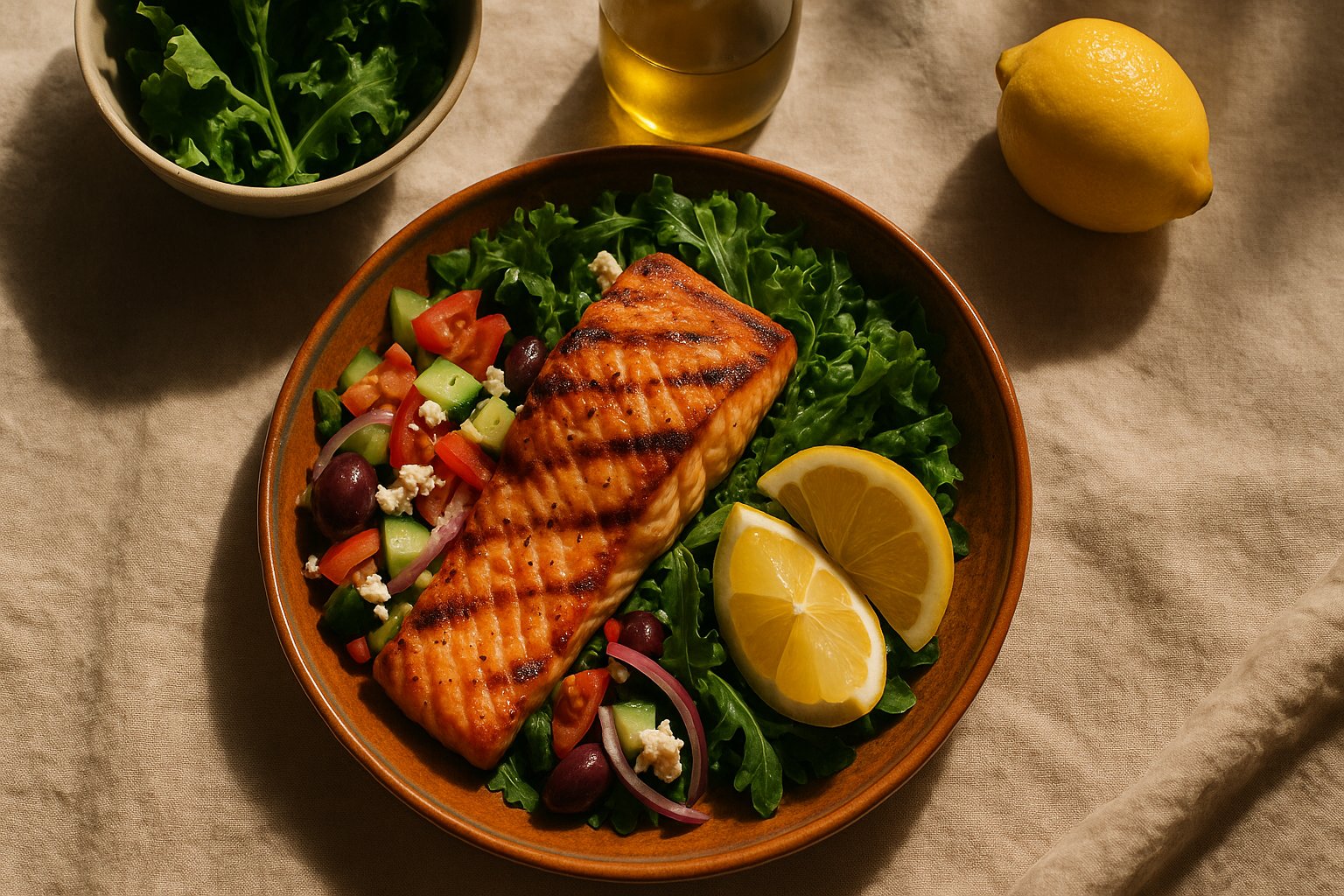
- Salmon and asparagus sheet pan. Salmon and asparagus roasted together in about 12 minutes. Protein plus omega-3s.
- Skillet shrimp and zucchini. Shrimp seared with zucchini and garlic, done in under 15 minutes.
- Sheet-pan sausage and vegetables. Chicken sausage with peppers, onions, and a small portion of potato.
- Skillet ground turkey and cabbage. Browned turkey with cabbage and seasoning, a fast high-protein stir-fry style plate.
Each can be built to land in the 25-35 gram protein range per serving with minimal cleanup.
How Do You Keep One-pan Meals Gentle on GLP-1 Digestion?
Use moderate oil and lean toward soft-cooked vegetables to keep meals easy on a slow-emptying stomach. Heavy oil and large amounts of raw, bulky vegetables can be harder to handle on nausea-prone days.
Roasting or sautéing softens vegetables, which is gentler than raw ones when your stomach is touchy. Keep the fat moderate, since greasy food can worsen GLP-1 nausea. If you are adding fiber-rich vegetables, a cooked form is usually easier to digest. Staying hydrated alongside the meal helps. The goal is a lean, soft, protein-forward plate that delivers what you need without overwhelming a sensitive gut.
Key Takeaway: Aim for 25-35 grams of protein per dinner to protect muscle during weight loss.
How Do One-pan Dinners Help on Low-appetite Days?
One-pan dinners keep real cooking realistic on hard days by minimizing both the steps and the aftermath. When the idea of cooking and then cleaning a full kitchen feels like too much, a single pan with a 25-minute hands-off roast stays doable.
You can also cook a larger sheet pan and eat the leftovers the next day, which removes cooking entirely on a follow-up low day. Keeping the process simple, place protein and vegetables on a pan, season, roast, matters when low energy makes complex recipes feel impossible. That combination of minimal effort and minimal cleanup is what makes one-pan cooking hold up across the appetite swings of GLP-1 treatment.
Sheet Pan Versus Skillet: Which Should You Use?
Choose a sheet pan for hands-off roasting and a skillet for faster, stovetop control. Both produce a complete one-pan meal, but they suit different days and different proteins.
A sheet pan is the most hands-off option. You arrange protein and vegetables, slide them into the oven, and walk away for 20-30 minutes, which is ideal when your energy is very low. It also fits larger portions for leftovers. A skillet is faster, often 15 minutes or less, and gives you direct control over searing and timing, which suits shrimp, ground meat, and quick stir-fry style plates. On a GLP-1, the sheet pan wins on the lowest-energy days because it requires almost no attention, while the skillet wins when you want dinner fast. Having both options means you can match the method to how you feel that evening.
How Do You Line and Clean a One-pan Dinner Easily?
Line the pan with parchment or foil before cooking, which cuts cleanup to almost nothing. The whole point of one-pan cooking is minimal aftermath, and a liner removes the scrubbing step entirely.
For sheet-pan meals, parchment or foil catches drips and lets you lift the food off cleanly, leaving the pan barely dirty. For skillet meals, a quick wipe and rinse usually suffices since there is only one pan. This matters on a GLP-1 because cleanup is often the real barrier that pushes tired people toward takeout. When the post-dinner work is one liner in the trash and a quick rinse, cooking at home stays realistic even on the days when energy is at its lowest. The less friction after the meal, the more consistent your protein-forward eating becomes.
The Path Forward with Low-cleanup Cooking
A one-pan dinner gives you a complete, protein-rich plate with one dish to wash, which is exactly the kind of low-friction cooking that survives low-appetite, low-energy days. That simplicity keeps protein on your plate when it matters most.
At TrimRx, our programs pair compounded GLP-1 treatment with practical guidance on building sustainable eating habits, because the medication works best alongside routines you can actually keep. If you want to see how a personalized plan fits your life, the free assessment quiz is a simple starting point. The goal is consistent, protein-forward eating that does not leave you facing a sink full of dishes.
Bottom line: Less cleanup removes a real barrier that causes people to skip cooking on tired, low-appetite nights.
FAQ
How Much Protein Should a One-pan Dinner Have on a GLP-1?
Aim for 25-35 grams of protein per dinner. A standard portion of chicken, salmon, shrimp, or lean beef on a sheet pan easily clears 25 grams, which protects muscle and supports fullness during weight loss.
How Do I Get Everything to Cook Evenly in One Pan?
Add ingredients in stages by cook time. Start the protein and slow vegetables like potatoes first, then add quick vegetables like broccoli partway through. Cut everything to similar sizes so it cooks at the same rate.
Are One-pan Meals Gentle on GLP-1 Nausea?
They can be. Use moderate oil and lean toward soft-cooked vegetables, which are easier on a slow-emptying stomach than greasy food or raw, bulky vegetables. Keep seasoning mild on nausea-prone days.
Why Are One-pan Dinners Good for Low-energy Days?
They minimize both cooking steps and cleanup, removing the barriers that cause people to skip cooking. A single pan with a hands-off roast stays realistic even when energy and appetite are low.
Can I Make Leftovers From a One-pan Dinner?
Yes. Cook a larger sheet pan and refrigerate the extra portions for 3-4 days. Reheating leftovers removes cooking entirely on a follow-up low-appetite day, which makes one-pan meals doubly useful.
What Proteins Work Best for One-pan Dinners?
Chicken thighs, salmon, shrimp, lean sausage, and ground turkey all work well. Choose evenly sized pieces so they cook reliably, and stage them with vegetables by cook time so the protein stays moist and the vegetables do not overcook.
Disclaimer: This content is for informational purposes only and does not constitute medical advice. It is not intended to diagnose, treat, cure, or prevent any disease or condition. Individual results may vary. Always consult a qualified healthcare professional before starting any weight loss program or medication.

Transforming Lives, One Step at a Time
Keep reading
What Labs Should Your Doctor Run Now That You’re on a GLP-1?
There is no universal panel, and anyone handing you a fixed list is guessing about your situation. What gets checked depends on what conditions…
Can’t Eat Enough Protein on a GLP-1? Why It Matters and What Helps
This is one of the most common difficulties on these medications, and the tension in your question is real: protein is the thing most…
Type 2 Diabetes Medications and a New GLP-1: What to Tell Your Doctor
Tell whoever prescribed the GLP-1 exactly what diabetes medications you take, at what doses, before your first injection. That conversation needs to happen first,…


