Optimizing Your GLP-1 Journey: How Much Protein to Eat on Ozempic and Similar Medications
Introduction
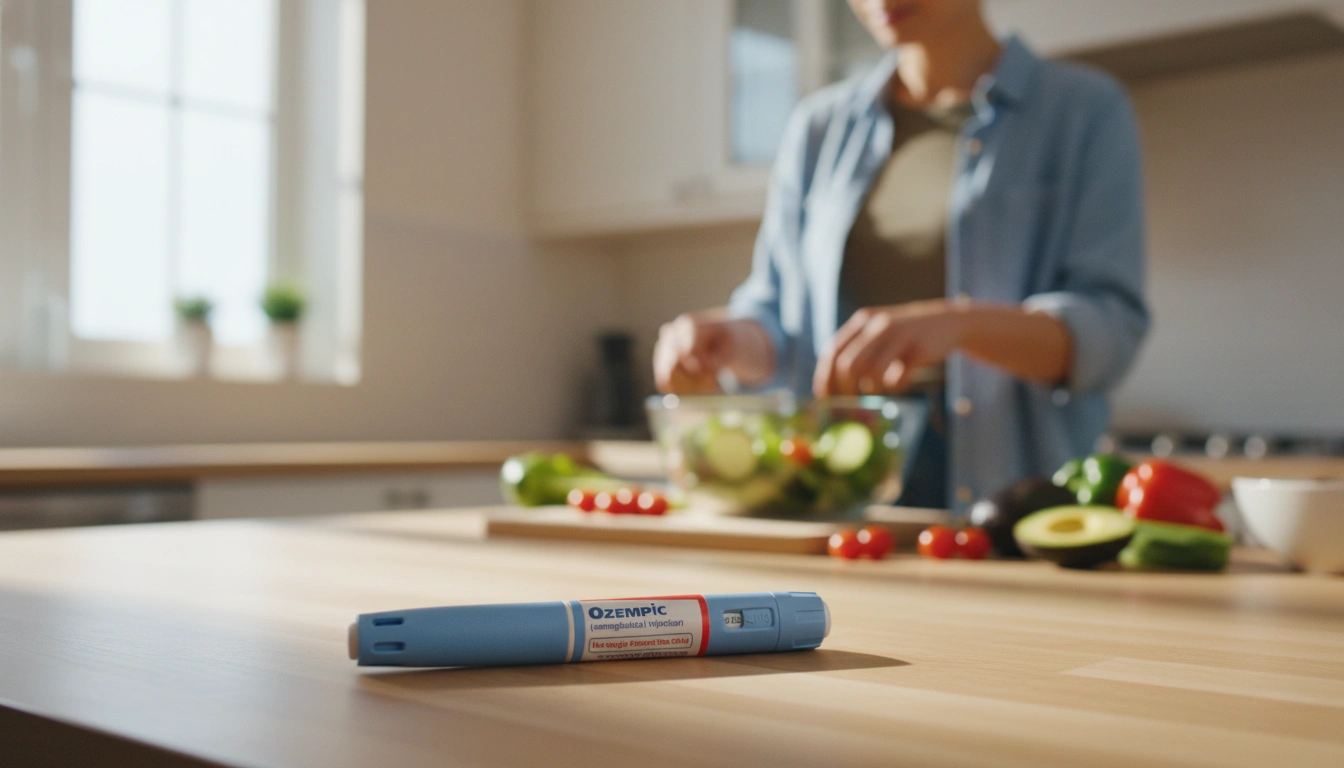
Embarking on a weight loss journey, especially with the support of medications like Ozempic, Wegovy, Mounjaro, or Zepbound, often brings a wave of exciting changes. Many individuals experience a significant reduction in appetite and cravings, leading to substantial weight loss. This newfound control over hunger can feel liberating, but it also introduces a critical question: are you adequately nourishing your body to ensure the weight you’re losing is primarily fat, not precious muscle? The statistics are clear: while GLP-1 receptor agonists are transformative tools for weight management, the rapid weight reduction they facilitate can sometimes lead to a significant loss of lean muscle mass if not properly managed through strategic nutrition.
This reality underscores the vital importance of a thoughtful dietary approach, particularly when it comes to protein intake. It’s not just about eating less; it’s about eating smarter and ensuring every calorie counts towards your long-term health and vitality. At TrimRx, our journey began with a shared vision to help individuals embrace healthier lifestyles by merging cutting-edge telehealth innovations with effective weight loss solutions. We understand that sustainable weight loss should be achieved through science, empathy, and a transparent approach, which is why we’re dedicated to guiding you through every aspect of your health transformation.
In this comprehensive guide, we will delve into the science behind GLP-1 medications, explore why protein is an indispensable ally in preserving muscle mass during weight loss, and provide actionable strategies on how much protein to eat on Ozempic and other GLP-1 therapies. We’ll cover optimal protein intake recommendations, smart food choices, and how our personalized programs and supportive resources at TrimRx can empower you to achieve healthy, sustainable results. By the end of this post, you’ll have a clear understanding of how to optimize your nutrition alongside your medication, ensuring your weight loss is not only effective but also truly healthy and supportive of your overall well-being.
Understanding GLP-1 Medications and Their Impact on Weight Loss
Glucagon-like peptide-1 (GLP-1) receptor agonists have revolutionized the landscape of weight management and type 2 diabetes treatment. Medications like Ozempic, Wegovy, Mounjaro, and Zepbound mimic the effects of a natural hormone in your body, GLP-1, to bring about significant physiological changes. Our commitment at TrimRx is to leverage such advanced medical science with modern technology to offer you compassionate, results-oriented care.
How GLP-1s Work Their Magic
These medications operate on multiple fronts to help regulate blood sugar and promote weight loss:
- Appetite Suppression: GLP-1s target specific areas of the brain that control hunger and satiety. By doing so, they reduce “food noise”—the constant thoughts and cravings about food—and help you feel fuller for longer, naturally leading to reduced calorie intake. This profound effect is often one of the most immediate and impactful changes individuals experience.
- Slowed Gastric Emptying: They slow down the rate at which food leaves your stomach. This contributes to prolonged feelings of fullness, helps prevent blood sugar spikes after meals, and further reduces overall food consumption. This slower digestion can also influence how you tolerate certain foods.
- Insulin Secretion and Glucagon Inhibition: For those managing type 2 diabetes, GLP-1s stimulate the pancreas to produce more insulin when blood sugar levels are high, and they inhibit the release of glucagon, a hormone that raises blood sugar. These actions collectively help improve blood sugar control.
The combination of these mechanisms results in substantial weight loss, which can bring about numerous health benefits beyond just shedding pounds. Improved triglyceride and cholesterol numbers, lowered blood pressure, and a reduction in the risk of cardiovascular events are frequently observed. We believe in providing transparent service, ensuring you understand how these medications work and how they contribute to your health journey.
The Nuance of Weight Loss: Fat vs. Muscle
While the scale moving downwards is encouraging, it’s crucial to understand the composition of that weight loss. Rapid weight loss, irrespective of the method, carries the risk of losing a significant portion of lean body mass, which includes muscle. Studies suggest that on GLP-1 medications, anywhere from 25% to 30% of the total weight lost can be muscle. This is where strategic nutrition, particularly adequate protein intake, becomes absolutely indispensable.
Losing muscle mass can have several negative consequences:
- Decreased Metabolic Rate: Muscle tissue burns more calories at rest than fat tissue. A reduction in muscle can lower your basal metabolic rate, making it harder to maintain weight loss in the long run and potentially contributing to weight regain.
- Reduced Strength and Mobility: Less muscle means less strength, which can impact daily activities, physical performance, and overall quality of life. It can also increase the risk of falls and fractures, especially as we age.
- Risk of Sarcopenia: This is the gradual loss of muscle mass, strength, and function, typically associated with aging. Rapid weight loss without sufficient protein can accelerate this process, even in younger individuals.
- Impaired Glucose Tolerance: Muscle is the primary tissue that absorbs glucose from the blood. Losing muscle can negatively impact insulin sensitivity, potentially hindering long-term blood sugar management.
At TrimRx, we advocate for weight loss that prioritizes health and sustainability. This means focusing not just on the number on the scale, but on supporting your body composition. Our personalized weight loss programs, which include options like Compounded Semaglutide, Oral Semaglutide, Ozempic®, Compounded Tirzepatide, Oral Tirzepatide, Mounjaro®, Zepbound®, and Wegovy®, are designed to help you achieve these balanced outcomes. To see if you qualify for these prescription weight loss medications and receive a personalized treatment plan, we encourage you to [take our free assessment quiz].
The Indispensable Role of Protein in Your GLP-1 Journey
Given the potential for muscle loss during rapid weight reduction with GLP-1 medications, protein emerges as the cornerstone of your dietary strategy. It’s not merely a nutrient; it’s a protector of your lean body mass, a promoter of satiety, and a crucial component for overall health.
Why Protein is Your Best Ally
Protein performs a multitude of vital functions that are especially critical when you’re on a GLP-1 medication and experiencing reduced food intake:
- Muscle Maintenance and Growth: This is paramount. Protein provides the essential amino acids needed for muscle repair and synthesis. Consuming enough protein signals to your body that it should preserve muscle tissue, even when you’re in a caloric deficit. Incorporating resistance training alongside adequate protein intake is a powerful combination for preserving and even building muscle while losing fat.
- Enhanced Satiety and Reduced Cravings: Protein is renowned for its ability to promote feelings of fullness. It helps you feel satisfied with smaller portions, reducing the likelihood of overeating or succumbing to cravings. This is particularly beneficial when GLP-1s are already suppressing your appetite, as it ensures the food you do eat is maximally effective in keeping you nourished and content.
- Metabolic Support: As discussed, muscle burns more calories. By helping preserve muscle mass, protein indirectly supports a healthier metabolic rate, which is fundamental for long-term weight maintenance. Furthermore, the body expends more energy to digest, absorb, and metabolize protein compared to carbohydrates or fats, a phenomenon known as the “thermic effect of food.”
- Blood Sugar Regulation: Protein has a minimal impact on blood sugar levels compared to carbohydrates. When consumed with carbohydrates, protein can help slow glucose absorption, preventing sharp blood sugar spikes and promoting more stable energy levels throughout the day. This is particularly beneficial for individuals managing type 2 diabetes.
- Immune System Function: Proteins are fundamental building blocks for antibodies, enzymes, and hormones that are vital for a robust immune system. Ensuring adequate protein intake supports your body’s ability to fight off infections and maintain overall health, especially during periods of caloric restriction.
- Tissue Repair and Healing: From skin and hair to internal organs, protein is essential for the regeneration and repair of body tissues. It plays a crucial role in wound healing and maintaining the integrity of all bodily structures.
Our empathetic and supportive approach at TrimRx means we don’t just provide medications; we empower you with the knowledge and tools to nourish your body intelligently. We understand that every individual’s journey is unique, and our goal is to provide personalized, medically supervised care that helps you make sustainable choices.
The Risks of Insufficient Protein Intake
Neglecting protein while on GLP-1 therapy can exacerbate the potential for muscle loss, leading to a cascade of undesirable effects. Beyond the metabolic slowdown and reduced strength, insufficient protein can contribute to chronic fatigue, a weakened immune response, and slower recovery from physical activity. It can also impact the health of your hair, skin, and nails. Our focus on safety and results means we emphasize a balanced approach, where medication is supported by thoughtful nutritional strategies.
If you’re finding it challenging to meet your protein needs, our quick-access supplements like [GLP-1 Daily Support] and [Weight Loss Boost] can offer convenient and effective ways to supplement your diet. These are designed to support your overall wellness during your weight loss journey.
Determining Your Optimal Protein Intake on GLP-1 Medications
So, with the appetite-suppressing effects of medications like Ozempic, how much protein do you actually need to eat to counteract muscle loss and support your weight loss goals? The answer is nuanced, as individual needs vary, but general guidelines provide a strong starting point.
General Protein Recommendations
While the Recommended Dietary Allowance (RDA) for protein in sedentary adults is typically around 0.8 grams per kilogram of body weight (or about 0.36 grams per pound), individuals on GLP-1 medications, those who are active, or older adults generally require more to preserve muscle mass. Leading experts in nutrition and exercise science, such as Dr. Rhonda Patrick and Dr. Stuart Phillips, emphasize that this baseline RDA is often insufficient for maintaining optimal muscle health, especially when calorie intake is reduced.
For individuals actively losing weight on GLP-1s, a common recommendation is to aim for 1.0 to 1.5 grams of protein per kilogram of body weight, or approximately 0.5 to 0.7 grams per pound of body weight daily.
Let’s look at some illustrative examples:
- For an individual weighing 150 pounds (approximately 68 kg):
- At 0.5 grams per pound: 150 lbs * 0.5 g/lb = 75 grams of protein per day.
- At 0.7 grams per pound: 150 lbs * 0.7 g/lb = 105 grams of protein per day.
- For an individual weighing 200 pounds (approximately 91 kg):
- At 0.5 grams per pound: 200 lbs * 0.5 g/lb = 100 grams of protein per day.
- At 0.7 grams per pound: 200 lbs * 0.7 g/lb = 140 grams of protein per day.
This higher protein target helps ensure your body has ample amino acids available to maintain muscle tissue while in a caloric deficit. It’s a similar strategy employed in bariatric diets and other medical weight loss programs.
The Importance of Individualization
While these guidelines provide a solid framework, your specific protein needs can be influenced by several factors:
- Current Body Weight and Composition: Individuals with more lean mass or higher starting weights may have higher protein requirements.
- Activity Level: If you engage in regular strength training or intense physical activity, your protein needs will likely be on the higher end of the spectrum to support muscle repair and growth.
- Age: As we age, our bodies become less efficient at utilizing protein for muscle protein synthesis, a phenomenon known as anabolic resistance. This means older adults often need a higher protein intake—at least 1.2 grams per kilogram of body weight—to counteract age-related muscle loss (sarcopenia).
- Health Conditions: Specific medical conditions or dietary restrictions can also influence protein requirements.
This is precisely where TrimRx’s personalized approach shines. We don’t believe in one-size-fits-all solutions. Our platform offers a user-friendly and supportive space where individuals receive personalized, medically supervised care. To accurately determine your individual needs and create a tailored treatment plan, we encourage you to [take our free assessment quiz]. This quiz will help us understand your unique profile and guide you towards the most effective strategies for your journey.
Spreading Protein Throughout the Day
Beyond the total amount, how you distribute your protein intake matters significantly. Aiming for around 25-30 grams of protein at each main meal and incorporating protein-rich snacks can optimize muscle protein synthesis throughout the day. This steady supply of amino acids helps prevent periods of muscle breakdown. For instance, a breakfast with Greek yogurt, a lunch with lean chicken, and a dinner with fish, supplemented with protein-rich snacks, can help you comfortably reach your daily goals.
Strategies for Maximizing Protein Intake on GLP-1 Medications
Successfully integrating adequate protein into your diet while on GLP-1 medications requires mindful planning and smart food choices, especially when appetite is reduced. Our compassionate care respects every individual’s unique journey, and we’re here to provide practical strategies to make this achievable.
Prioritizing Protein-Rich Whole Foods
The foundation of any healthy diet, particularly one focused on protein, should be nutrient-dense whole foods. These provide not only protein but also a spectrum of vitamins, minerals, and other beneficial compounds.
Lean Animal Proteins
These are often considered “complete proteins,” meaning they contain all nine essential amino acids your body needs.
- Poultry: Chicken breast, turkey breast (skinless). A 3-ounce serving of cooked chicken breast can provide around 25 grams of protein.
- Fish and Seafood: Salmon, tuna, cod, shrimp, scallops. Fatty fish like salmon also offer beneficial omega-3 fatty acids. A 3-ounce serving of salmon can provide over 20 grams of protein.
- Eggs: A versatile and inexpensive protein source, one large egg contains about 6 grams of protein. Scrambled eggs with cheese (an additional protein source) can make for a high-protein breakfast.
- Dairy: Greek yogurt (especially plain, high-protein varieties), cottage cheese, and ultra-filtered milk are excellent options. A cup of Greek yogurt can provide 15-20 grams of protein, while cottage cheese can offer similar amounts.
Plant-Based Proteins
For those following vegetarian or vegan diets, or simply looking to diversify their protein sources, plant-based options are abundant. It’s important to consume a variety of these to ensure you get all essential amino acids.
- Legumes: Lentils, black beans, chickpeas, edamame, and peanuts are packed with protein and fiber. A cup of cooked lentils can contain about 18 grams of protein.
- Tofu and Tempeh: These soy-based products are highly versatile and excellent meat substitutes. Tofu can contain around 10-15 grams of protein per half cup, while tempeh offers even more, around 20 grams per 3-ounce serving.
- Grains: Quinoa and oats are notable for their higher protein content compared to other grains. Quinoa, in particular, is a complete protein.
- Nuts and Seeds: Almonds, walnuts, chia seeds, flax seeds, and pumpkin seeds provide protein, healthy fats, and fiber.
Smart Eating Habits for GLP-1 Users
Beyond choosing the right foods, how you eat them can significantly impact your success:
- Eat Protein First: At each meal, prioritize consuming your protein source before other components like carbohydrates or fats. This ensures you get a substantial amount of protein in before feeling full, which is common with GLP-1 medications.
- Small, Frequent Meals: Instead of two or three large meals, consider having three smaller meals supplemented with two or three protein-rich snacks throughout the day. This strategy can help you reach your daily protein target without overwhelming your reduced appetite, and it can also help mitigate gastrointestinal side effects like nausea or discomfort that can arise from larger meals.
- Separate Food and Drink: Due to slowed gastric emptying, consuming large amounts of liquid with meals can make you feel uncomfortably full quickly, leaving less room for solid, protein-rich foods. Try to drink most of your fluids between meals rather than during them. Small sips to aid digestion are fine, but avoid chugging beverages.
- Be Intentional and Creative: Experiment with different protein sources and preparation methods to find what you enjoy. If chicken breast isn’t appealing, try fish, tofu, or Greek yogurt. Our supportive approach encourages you to find what works best for your preferences and lifestyle.
Leveraging Supplements When Needed
While whole foods should always be the priority, protein supplements can be valuable tools to help bridge the gap, especially when your appetite is significantly suppressed.
- Protein Powders: Whey, casein, soy, or pea protein powders can be easily added to smoothies, shakes, or even mixed into oatmeal or yogurt. A single scoop can often provide 20-30 grams of protein.
- Protein Bars: These offer a convenient, pre-portioned protein boost, perfect for a snack on the go. Look for options with higher protein content and lower added sugars.
- Meal Replacement Shakes: Formulated to provide a balanced array of nutrients, these can be useful for a quick, high-protein meal when solid food is unappealing.
At TrimRx, we offer quick-access supplements like [GLP-1 Daily Support] and [Weight Loss Boost] that are designed to complement your journey and support your nutritional needs. These products are available for immediate purchase to support overall wellness, whether you’re on a prescription medication or simply looking for an extra boost.
Remember, our comprehensive service includes doctor consultations, medication (provided through FDA-registered and inspected pharmacies), lab work, unlimited support, and shipping with no hidden fees, all designed to make your journey as seamless and effective as possible.
Beyond Protein: A Holistic Approach to Nutrition on GLP-1s
While protein is critical, a truly sustainable and healthy weight loss journey with GLP-1 medications necessitates a broader nutritional strategy. At TrimRx, we believe in a holistic view of well-being, recognizing that all macronutrients, along with hydration and physical activity, play interconnected roles. Our brand is innovative and results-oriented, always seeking to provide you with the most effective and safe pathways to health.
The Power of Fiber-Rich Foods
Fiber is another superstar nutrient, especially valuable when using GLP-1 medications.
- Enhanced Satiety: Like protein, fiber contributes to feelings of fullness, helping to manage appetite and reduce overall caloric intake.
- Digestive Health: Constipation can be a common side effect of GLP-1 medications due to slowed gastric emptying. Fiber, particularly insoluble fiber, helps add bulk to stool and promotes regular bowel movements.
- Blood Sugar Stability: Soluble fiber helps slow the absorption of sugar into the bloodstream, contributing to more stable blood glucose levels.
Excellent sources of fiber include:
- Fruits: Berries, apples, pears, oranges, bananas.
- Vegetables: Leafy greens (spinach, kale), broccoli, carrots, bell peppers, asparagus, artichokes. Aim to fill half your plate with non-starchy vegetables.
- Whole Grains: Oats, quinoa, brown rice, whole wheat bread and pasta. Choose these in moderation, making up about a quarter of your plate.
- Legumes: Beans, lentils, chickpeas (which also contribute protein!).
Incorporating Healthy Fats
Healthy fats are essential for nutrient absorption, hormone production, and satiety.
- Satiety and Flavor: Fats add flavor and significantly contribute to feeling full and satisfied, which is crucial when eating smaller portions.
- Nutrient Absorption: Many vitamins (A, D, E, K) are fat-soluble, meaning they require fat for proper absorption.
- Heart Health: Unsaturated fats, found in many plant-based sources, support cardiovascular health.
Prioritize healthy fats from sources like:
- Avocados: Rich in monounsaturated fats.
- Nuts and Seeds: Almonds, walnuts, chia seeds, flax seeds, olive oil, and various nut butters.
- Fatty Fish: Salmon, mackerel, sardines, rich in omega-3 fatty acids.
While healthy fats are beneficial, it’s worth noting that some individuals on GLP-1s may experience increased gastrointestinal side effects, such as nausea, with very high-fat meals. Listen to your body and adjust your intake accordingly.
The Critical Role of Hydration
GLP-1 medications can sometimes dampen your sense of thirst, making intentional hydration even more important.
- Mitigating Side Effects: Staying well-hydrated is key to preventing and alleviating common side effects like constipation and nausea.
- Overall Health: Water is vital for virtually every bodily function, including nutrient transport, temperature regulation, and joint lubrication.
Aim for eight to ten glasses of water or sugar-free beverages daily. Herbal teas, infused water, and even water-rich fruits and vegetables can contribute to your hydration goals.
Foods to Limit or Avoid
Just as important as knowing what to eat is understanding what to limit or avoid to optimize your GLP-1 journey and minimize potential side effects.
- Greasy and Fried Foods: These can be difficult to digest, exacerbate nausea, and contribute excess calories without much nutritional value, potentially hindering weight loss progress.
- Sugary Drinks and Ultra-Processed Foods: Sugary sodas, juices, and highly processed snacks often lack nutrients, can lead to blood sugar spikes and crashes, and may cause digestive discomfort. They offer “empty calories” that take up valuable space in your reduced appetite.
- Excessive Alcohol: Alcohol adds empty calories, can impair judgment regarding food choices, and may worsen dehydration or digestive issues. Interestingly, some individuals on semaglutide report reduced cravings for alcohol, making it easier to limit intake.
The Power of Movement: Incorporating Exercise
While diet is paramount, exercise is its essential companion for sustainable weight loss and muscle preservation. We highlight the importance of movement in our personalized programs.
- Strength Training: This is especially crucial for preserving and building muscle mass. Aim for at least 2-3 sessions per week focusing on major muscle groups. Resistance training helps combat sarcopenia and supports a higher metabolic rate.
- Cardiovascular Activity: Regular walks, jogging, swimming, or cycling improve cardiovascular health, boost energy levels, and enhance insulin sensitivity.
Our brand is supportive, recognizing that integrating physical activity alongside nutritional changes and medication is fundamental for truly transformative, long-term results.
TrimRx’s Commitment to Your Personalized Journey
At TrimRx, our entire philosophy is built around empowering you to achieve sustainable health and weight loss. We believe that your journey is unique, and your care should be too. Our platform is a user-friendly and supportive space where individuals receive personalized, medically supervised care—all designed to make sustainable weight loss attainable and tailored to the individual.
We stand by our core values: science, empathy, and a transparent approach. This means we are committed to providing you with advanced medical science combined with modern technology, delivered with compassionate care that respects your individual needs. When you partner with TrimRx, you gain access to a comprehensive service that includes:
- Doctor Consultations: Ensuring your treatment plan is medically appropriate and tailored to your health profile.
- Medication: Including Compounded Semaglutide, Oral Semaglutide, Ozempic®, Compounded Tirzepatide, Oral Tirzepatide, Mounjaro®, Zepbound®, and Wegovy®. It’s important to note that our medications are provided through FDA-registered, inspected, and approved pharmacies. We clarify that while branded medications like Ozempic® and Zepbound® are FDA-approved, compounded medications are not; however, they are sourced from these compliant pharmacies to ensure safety and quality.
- Lab Work: To monitor your health and progress effectively.
- Unlimited Support: Our team is here for you every step of the way, offering guidance and encouragement.
- Shipping: Conveniently delivered to your door, with no hidden fees.
Our transparent service ensures that our approach remains consistent, regardless of dosage changes, always prioritizing your safety and well-being. We work exclusively with FDA-registered and inspected pharmacies for the shipping of weight loss medications, underscoring our unwavering focus on safety.
If you are considering a prescription weight loss medication or want to optimize your current regimen, we encourage you to [take our free assessment quiz] to determine your eligibility and receive a personalized treatment plan designed just for you. For immediate support for your overall wellness during your weight loss journey, explore our quick-access supplements like [GLP-1 Daily Support] and [Weight Loss Boost], available for immediate purchase.
By integrating thoughtful nutrition, strategic protein intake, and a supportive, medically supervised program like ours, you’re not just losing weight—you’re building a healthier, stronger, and more vibrant future. We are dedicated to being your trusted partner on this transformative path.
Conclusion
Embarking on a weight loss journey with GLP-1 medications such as Ozempic presents a unique opportunity for transformative health improvements. These powerful tools, by curbing appetite and regulating blood sugar, facilitate significant weight reduction. However, as we’ve explored, the effectiveness and sustainability of this weight loss hinge critically on thoughtful nutritional strategies, with protein playing an undeniably central role. Ensuring adequate protein intake is your primary defense against muscle loss, safeguarding your metabolic health, preserving strength, and promoting lasting satiety.
The journey toward a healthier weight is multifaceted, requiring attention to much more than just the scale. It demands a holistic approach that integrates high-quality protein, fiber-rich foods, healthy fats, consistent hydration, and regular physical activity. By embracing these principles, you empower your body to lose fat while retaining precious muscle, setting the foundation for long-term success and vitality.
At TrimRx, we are steadfast in our commitment to supporting you through every step of this journey. Our brand is built on empathy, innovation, and trust, offering personalized, medically supervised weight loss solutions that combine cutting-edge telehealth with proven strategies. We understand the nuances of managing weight with medications and are here to provide the transparent service, expert guidance, and comprehensive support you need, always with your safety and well-being as our highest priority. From your initial doctor consultation and personalized medication plan (sourced from FDA-registered and inspected pharmacies) to lab work, unlimited support, and convenient shipping, we are dedicated to making sustainable weight loss attainable and tailored precisely to you.
We encourage you to take the next step towards a healthier you. Discover how a personalized plan can transform your weight loss experience by taking our [free assessment quiz] today. For immediate support and to complement your journey, explore our beneficial quick-access supplements, [GLP-1 Daily Support] and [Weight Loss Boost]. Together, we can build a foundation for a stronger, healthier, and more confident future.
FAQ
Q1: Why is protein so important specifically when taking Ozempic or other GLP-1 medications?
A1: GLP-1 medications like Ozempic significantly reduce appetite, leading to a substantial decrease in calorie intake and rapid weight loss. While effective, rapid weight loss carries a risk of losing lean muscle mass along with fat. Protein is crucial because it provides the amino acids necessary for muscle repair and preservation, helping your body maintain muscle tissue even in a caloric deficit. It also enhances satiety, further assisting with appetite management and ensuring the calories you do consume are nutrient-dense.
Q2: How much protein should I aim for daily while on a GLP-1 medication?
A2: While individual needs vary, most experts recommend aiming for 1.0 to 1.5 grams of protein per kilogram of body weight per day, or approximately 0.5 to 0.7 grams per pound of body weight. For example, a 150-pound individual might aim for 75-105 grams of protein daily. This higher intake supports muscle preservation. It’s also beneficial to distribute your protein intake evenly throughout the day, aiming for about 25-30 grams per meal and incorporating protein-rich snacks. For a personalized recommendation, consider taking our [free assessment quiz].
Q3: What are the best sources of protein to include in my diet when on Ozempic?
A3: Focus on lean, high-quality protein sources. Excellent options include lean meats (chicken, turkey), fish and seafood (salmon, cod, shrimp), eggs, and dairy products (Greek yogurt, cottage cheese). Plant-based options like tofu, tempeh, lentils, beans, and edamame are also fantastic choices. When appetite is suppressed, it can be helpful to prioritize these protein sources at the beginning of your meals and utilize convenient options like protein powders or bars (like our [GLP-1 Daily Support]) as needed.
Q4: Besides protein, what other nutritional considerations are important when using GLP-1 medications for weight loss?
A4: A holistic approach is best. Alongside adequate protein, prioritize fiber-rich foods (fruits, vegetables, whole grains) to enhance satiety and support digestive health, as constipation can be a side effect. Incorporate healthy fats (avocado, nuts, seeds, olive oil) for nutrient absorption and lasting fullness. Crucially, stay well-hydrated, as GLP-1s can reduce thirst. Lastly, pair your dietary efforts with regular physical activity, especially strength training, to actively preserve and build muscle mass. Our comprehensive program at TrimRx addresses all these aspects, offering unlimited support and personalized guidance.

Transforming Lives, One Step at a Time
Keep reading

Magnesium and Ozempic: Can It Help With Side Effects
Walk through any online GLP-1 community and you’ll find magnesium recommended for everything from constipation to muscle cramps to poor sleep on Ozempic. Some…

Ozempic and Blood Pressure Medications: What to Know
High blood pressure and obesity frequently coexist, so it’s no surprise that many people starting Ozempic are already on an antihypertensive. The practical question…

Ozempic and Levothyroxine: What Thyroid Patients Should Know
Thyroid disease and weight struggles frequently go hand in hand, which means a lot of people starting Ozempic are already taking levothyroxine. If that’s…


