Can You Take Creatine While on Mounjaro? What You Need to Know
Introduction
If you have started a journey with Mounjaro® (tirzepatide), you are likely witnessing the scale move in a direction that feels finally within your control. However, many people reaching their weight loss goals find a new concern taking center stage: the loss of lean muscle mass. You may have heard that “weight loss” isn’t always “fat loss,” and the fear of losing strength or metabolic health while on a GLP-1/GIP medication is very real. This is why many are turning to creatine, a long-standing staple in the fitness world, to help protect their hard-earned muscle.
At TrimRx, we believe that effective weight management requires a holistic look at body composition, not just the number on a digital display. Understanding how supplements interact with advanced medications is a vital part of a safe, successful transformation. This article will explain the science behind using creatine while on tirzepatide, address safety concerns, and provide a roadmap for maintaining your strength throughout your program. If you want to see whether a personalized program is the right fit, you can take the free assessment quiz. Creatine is generally considered safe and potentially beneficial when paired with Mounjaro®, provided you prioritize hydration and medical guidance.
The Science of Mounjaro and Body Composition
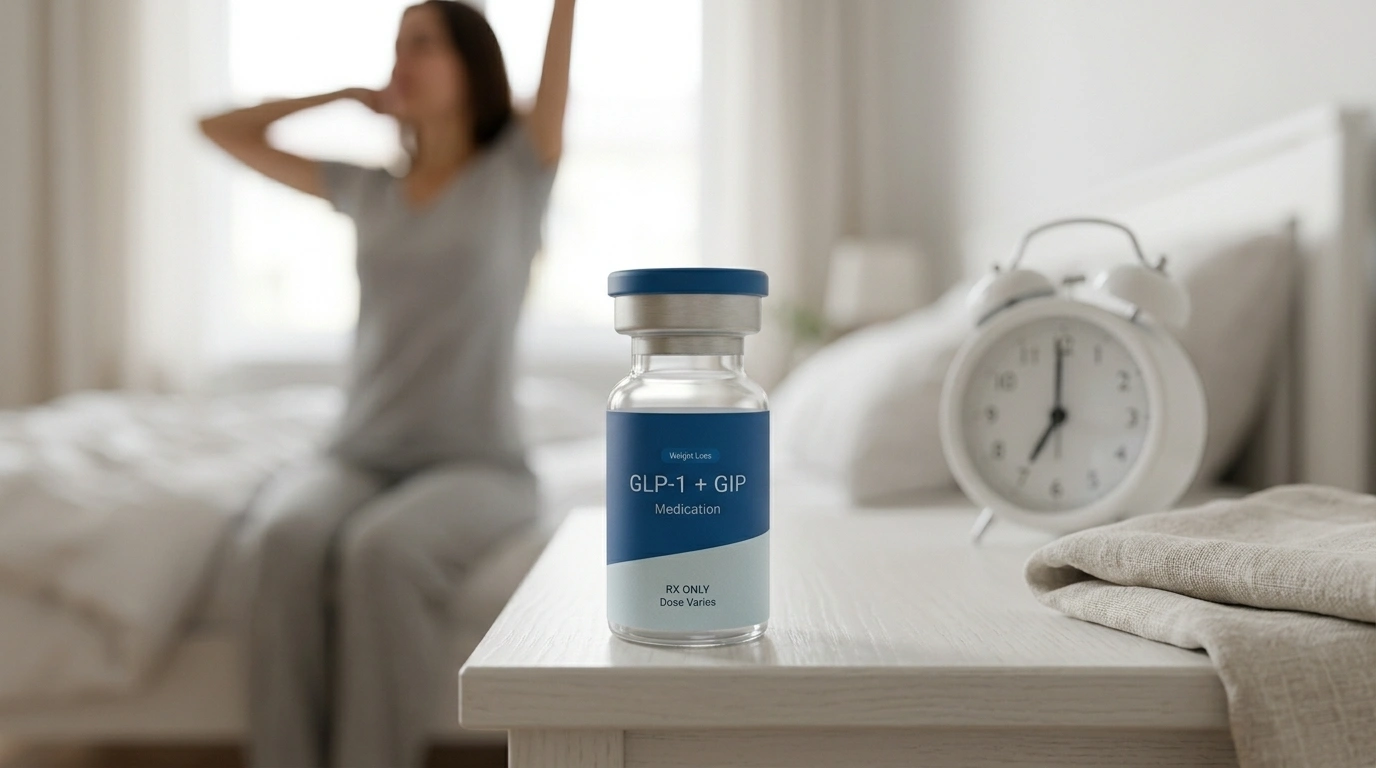
Mounjaro® is a dual-acting medication known as a GIP (glucose-dependent insulinotropic polypeptide) and GLP-1 (glucagon-like peptide-1) receptor agonist. Unlike older medications that only target one pathway, this dual approach more closely mimics the body’s natural hormones that signal fullness and regulate blood sugar. By slowing gastric emptying—the speed at which food leaves the stomach—and communicating with the brain’s satiety centers, it helps individuals significantly reduce their caloric intake. If you’re trying to better understand how this class of medication can affect digestion and day-to-day comfort, our guide on GLP-1 side effects in 2026 is a helpful companion read.
While this reduction in calories is the primary driver of weight loss, it presents a biological challenge. When the body is in a significant energy deficit, it does not only burn stored fat for fuel. In many cases, it may also break down muscle tissue through a process called catabolism. Research suggests that a significant percentage of weight lost during rapid phases of weight reduction can come from lean mass. This loss can lead to a lower resting metabolic rate, making it harder to maintain progress in the long term.
Quick Answer: Yes, you can generally take creatine while on Mounjaro®. Creatine helps support muscle preservation and energy production, which is crucial since GLP-1/GIP medications carry a risk of muscle loss alongside fat loss.
What is Creatine and How Does It Work?
Creatine is a naturally occurring compound found in small amounts in foods like red meat and fish. It is also produced by your own body, primarily in the liver and kidneys, and then stored in your skeletal muscles. Its primary role is to help produce ATP (adenosine triphosphate), which is the fundamental unit of energy for your cells.
When you supplement with creatine monohydrate—the most researched and common form—you increase the stores of phosphocreatine in your muscles. This allows your body to regenerate energy more quickly during short, intense bursts of activity, such as lifting weights or climbing stairs. Beyond simple energy, creatine also draws water into the muscle cells, a process known as cell volumization, which creates a more favorable environment for muscle protein synthesis.
The Specific Benefits of Creatine
- ATP Regeneration: Provides quick energy for muscle contractions.
- Cell Volumization: Increases water content in muscle cells, supporting a fuller appearance and better recovery.
- Protein Synthesis Support: Helps the body repair and build muscle fibers more efficiently.
- Neuroprotective Properties: Emerging research suggests creatine may also have benefits for cognitive health and mood.
Why Combine Creatine with Mounjaro?
The primary reason to consider this combination is to combat the “muscle wasting” often associated with rapid weight loss. When you are on a personalized program through a platform like TrimRx, the goal is “healthy weight loss,” which means losing as much fat as possible while keeping your muscle intact. If you’re not sure whether your current routine is supporting that goal, complete a free eligibility assessment.
Preventing Sarcopenic Obesity
Sarcopenic obesity refers to a state where an individual has high body fat but very low muscle mass. This is a common risk when someone loses weight too quickly without enough protein or resistance training. Muscle is your body’s most metabolically active tissue; it burns more calories at rest than fat does. By using creatine to support your muscle mass, you are effectively protecting your metabolism for the future.
Managing Fatigue
Many people on Mounjaro® report feelings of fatigue, especially during the first few weeks of treatment or when increasing their dosage. This is often due to the lower caloric intake. Creatine’s role in ATP production may help provide a subtle boost in physical energy, making it easier to stick to an exercise routine even when your appetite is low. For readers looking for nutritional support alongside treatment, the GLP-1 Daily Support supplement is designed to fit into that broader wellness approach.
Key Takeaway: Combining creatine with Mounjaro® serves as a proactive strategy to maintain metabolic health and physical strength, ensuring that weight loss comes primarily from fat stores rather than functional muscle.
Safety and Interaction Considerations
When combining any supplement with a prescription medication, safety is the first priority. Mounjaro® affects the body’s metabolic system and digestive speed, so there are specific factors to keep in mind.
Gastric Emptying and Absorption
Because Mounjaro® slows down how fast things move through your stomach, it can theoretically change the timing of how supplements are absorbed. For a supplement like creatine, which is usually taken daily to maintain saturation in the muscles, the exact timing is less critical than consistency. Whether it takes 30 minutes or two hours to leave the stomach doesn’t significantly impact its long-term effectiveness.
Kidney Health and Hydration
This is perhaps the most important safety consideration. Both Mounjaro® and creatine have implications for your hydration status.
- Mounjaro and Dehydration: Side effects like nausea or a reduced thirst drive can lead to decreased fluid intake.
- Creatine and Water: Creatine requires water to be pulled into the muscle cells. If you are already dehydrated, this can put additional stress on your system.
There is a common misconception that creatine is “hard on the kidneys.” For individuals with healthy kidney function, clinical research has repeatedly shown that standard doses of creatine are safe. However, because GLP-1 medications can occasionally affect kidney function through dehydration, it is essential to consult a licensed healthcare provider before starting creatine, especially if you have a history of renal issues.
Blood Sugar Levels
Creatine has been studied for its potential to improve glucose uptake into the muscles. While this is generally a positive effect, anyone on medication for blood sugar management should monitor their levels closely when adding new supplements, as the cumulative effect could potentially lead to shifts in glucose readings.
Practical Dosing and Protocol
If you and your healthcare provider decide that creatine is a good fit for your journey, following a standard, evidence-based protocol is the best way to see results without unnecessary side effects. If you’re ready to discuss whether this kind of support belongs in your plan, you can take the free assessment quiz.
Choosing the Right Form
Stick to Creatine Monohydrate. While many “fancy” versions of creatine exist (like creatine HCL or buffered creatine), none have the decades of safety data and proven efficacy that monohydrate offers. It is also the most cost-effective option.
The Dosing Schedule
Most experts recommend a daily dose of 3 to 5 grams.
- Loading Phase: Some people start with 20 grams a day for a week to saturate the muscles quickly. However, on Mounjaro®, a loading phase may increase the risk of digestive upset.
- Maintenance Phase: A steady 3–5 grams daily will reach the same level of muscle saturation over the course of about 3–4 weeks with much lower risk of stomach issues.
Timing Your Dose
Consistency is more important than timing. Some prefer taking it before a workout for energy, while others take it afterward to aid recovery. Taking it with a meal or a protein shake can help with absorption and reduce the likelihood of an upset stomach.
The Importance of Hydration and Electrolytes
You cannot discuss creatine and Mounjaro® without discussing water. Because both substances affect how your body handles fluids, you must be intentional about your intake. Aim for at least 80 to 100 ounces of water daily, depending on your activity level and climate.
Simply drinking plain water may not be enough. Electrolytes—specifically sodium, potassium, and magnesium—are necessary for that water to actually enter your cells and be used by your muscles.
- Sodium: Helps the body retain the fluid needed for creatine to work.
- Potassium/Magnesium: Crucial for muscle contractions and preventing the “cramping” sometimes associated with creatine use.
If you are experiencing the common “GLP-1 side effects” like nausea, sipping on an electrolyte-rich beverage can help maintain your hydration while making the supplement easier to tolerate. Our Weight Loss Boost supplement is often used by our members to help support energy during weight loss and keep routines on track.
Managing Potential Side Effects
While both are generally well-tolerated, the combination can sometimes lead to manageable side effects.
Digestive Sensitivity
Both Mounjaro® and creatine can cause mild gastrointestinal distress. Mounjaro® can cause bloating or nausea due to slow digestion, while high doses of creatine can sometimes cause diarrhea or cramping. To avoid this:
- Start with a small dose of creatine (3 grams) and see how you feel.
- Avoid taking creatine on an empty stomach.
- Ensure the creatine is fully dissolved in water before drinking.
The Scale “Stall” Illusion
Creatine causes your muscles to hold more water. This is a good thing for your health, but it can be frustrating if you only look at the scale. When you start creatine, you might see the scale stay the same or even go up by 1–3 pounds.
Note: This is water weight inside your muscles, not body fat. It does not mean your Mounjaro® has stopped working.
Focus on how your clothes fit, your energy levels in the gym, and your body composition measurements rather than just the total weight. For a deeper look at the training side of this equation, see our post on strength training on GLP-1.
Integrating Resistance Training
Taking creatine without lifting weights is like putting premium fuel in a car that never leaves the garage. To truly protect your muscle mass while on a medication like Mounjaro®, resistance training is the most critical piece of the puzzle. If you’re still deciding whether a structured program is the next step, see if you qualify for a personalized program.
The Synergistic Effect:
- Mounjaro® reduces your appetite and helps you lose fat.
- Creatine provides the cellular energy and hydration your muscles need.
- Resistance Training provides the “stimulus” that tells your body, “We need this muscle; don’t burn it for fuel.”
You don’t need to spend hours in the gym. Two to three sessions a week of bodyweight exercises, resistance bands, or weightlifting can be enough to signal muscle preservation. This combination is the gold standard for achieving a “toned” or “lean” look rather than just looking “thinner.”
Why a Personalized Approach Matters
No two bodies react to medication or supplements in exactly the same way. This is why the one-size-fits-all approach to weight loss often fails. Your health history, your starting weight, your activity level, and your specific metabolic needs all dictate what will work best for you.
At TrimRx, we focus on the whole person. Our platform connects you with licensed healthcare providers who can help tailor a program to your specific goals. Whether you are using compounded semaglutide or are interested in a plan involving branded options like Mounjaro®, having medical supervision ensures that your use of supplements like creatine is both safe and effective. If you’d like to understand how we approach this kind of support, the creatine on semaglutide guide covers the same muscle-preservation question from another angle.
The Role of Protein Intake
Creatine works best when the body has the building blocks it needs to repair muscle. While on Mounjaro®, your appetite will be significantly lower, which makes every bite of food more important. High-quality protein should be the priority of every meal.
Aiming for roughly 0.8 to 1 gram of protein per pound of target body weight is a common recommendation for those trying to preserve muscle during weight loss. If you find it difficult to eat enough solid food, a high-quality whey or plant-based protein shake can be an excellent vehicle for your daily dose of creatine. This ensures you are getting both the stimulus (creatine) and the building blocks (amino acids) your body needs.
Tracking Your Progress Beyond the Scale
To accurately see if the combination of Mounjaro® and creatine is working, you need a more nuanced way to track your success.
- Strength Levels: Are you able to lift the same weight or more than you could last month? If so, you are likely maintaining your muscle.
- Body Measurements: Tracking the inches around your waist, chest, and arms can show fat loss even when the scale is slow to move.
- Progress Photos: Often, the mirror shows “recomposition” (losing fat and gaining/keeping muscle) much better than a scale does.
- Energy Levels: Note how you feel throughout the day. If the creatine is helping with ATP production, you should feel more capable of handling daily tasks.
Conclusion: A Balanced Path to Transformation
The journey toward a healthier weight is a marathon, not a sprint. While medications like Mounjaro® provide a powerful tool to manage hunger and metabolic health, supplements like creatine offer a supportive way to ensure the weight you lose is the “right” kind of weight. By prioritizing muscle preservation, you aren’t just changing how you look today; you are investing in a faster metabolism and a more functional body for the future.
We believe that science and empathy must go hand-in-hand. Weight loss is not just about willpower; it is about biology. Our mission is to provide the clinical expertise and personalized support needed to navigate these options safely. If you are ready to see how a medically supervised, personalized program can change your life, the first step is understanding your unique health profile.
Next Step: To see if you are a candidate for a personalized weight loss program and to discuss how supplements can support your goals, take our free assessment quiz today.
FAQ
Does creatine cause bloating while on Mounjaro?
Creatine can cause “intra-cellular” water retention, meaning water is pulled into the muscle cells. This is different from the uncomfortable “belly bloat” associated with digestion; it may make your muscles look fuller but won’t typically cause the digestive gas or swelling often associated with high-sodium foods.
Can I take creatine if Mounjaro is making me nauseous?
If you are experiencing active nausea, it is often best to wait until your stomach settles before taking supplements. When you do take it, ensure the creatine is dissolved in plenty of water and taken alongside a small snack to minimize further irritation.
Will creatine slow down my weight loss progress?
Creatine may cause a slight increase in water weight (usually 1–3 pounds) when you first start, which might look like a “stall” on the scale. However, it does not slow down fat loss; in fact, by preserving muscle mass, it helps keep your metabolism higher, which supports long-term fat loss.
Is it better to take oral or injectable creatine with Mounjaro?
Creatine is almost exclusively taken as an oral powder or capsule. While some experimental versions exist, the standard oral creatine monohydrate is the only form recommended for its safety, ease of use, and proven results in maintaining muscle mass. If you’re still deciding on a next step for treatment, you can take the free assessment quiz.
Disclaimer: This content is for informational purposes only and does not constitute medical advice. It is not intended to diagnose, treat, cure, or prevent any disease or condition. Individual results may vary. Always consult a qualified healthcare professional before starting any weight loss program or medication.

Transforming Lives, One Step at a Time
Keep reading

Mounjaro Alternatives: What Else to Consider
If Mounjaro isn’t the right fit, the closest alternatives are other GLP-1 medications, chiefly semaglutide (Ozempic for diabetes, Wegovy for weight), along with a…

Mounjaro vs Zepbound: Same Drug, Two Brands
Like their semaglutide counterparts, Mounjaro and Zepbound are the same medication (tirzepatide) sold under two names for two purposes: Mounjaro is approved for type…

Retatrutide vs Mounjaro: Triple Agonist vs Dual Agonist
The core difference between retatrutide and Mounjaro comes down to how many hormone targets each hits: retatrutide activates three receptors, while Mounjaro (tirzepatide) activates…


