Optimizing Your Journey: How Often Should You Increase Your Zepbound Dose?
Introduction
Embarking on a weight loss journey can feel like navigating uncharted territory, especially when considering advanced medical treatments. One common question that arises for individuals pursuing weight management with Zepbound is precisely how often should you increase your Zepbound dose. This isn’t merely a technical query; it’s a vital aspect of ensuring both the safety and effectiveness of your treatment. Understanding the intricacies of Zepbound’s dosing schedule is paramount, not just for achieving significant results, but for fostering a sustainable and healthy path forward.
Zepbound, with its active ingredient tirzepatide, represents a significant advancement in the landscape of weight management. Approved by the FDA for adults with obesity or those who are overweight with at least one weight-related condition, such as high blood pressure or type 2 diabetes, Zepbound offers a powerful tool when combined with a reduced-calorie diet and increased physical activity. It also holds FDA approval for treating moderate to severe obstructive sleep apnea in adults with obesity, highlighting its broad utility in improving overall health outcomes. Its unique dual action, mimicking both glucagon-like peptide-1 (GLP-1) and glucose-dependent insulinotropic polypeptide (GIP) hormones, sets it apart, working to regulate appetite, enhance feelings of fullness, and support metabolic health.
However, the path to finding the optimal Zepbound dosage is not a race; it’s a carefully calibrated process of titration. This approach allows your body to gradually adapt to the medication, minimizing potential side effects while maximizing its therapeutic benefits. We understand that you seek clear, authoritative guidance on this process, ensuring every step you take is informed and purposeful.
In this comprehensive guide, we will delve deep into the mechanics of Zepbound dosing. We will explore the typical schedule for increasing your dose, the crucial reasons behind this gradual escalation, and the key factors that influence your personalized treatment plan. Furthermore, we will discuss what you can realistically expect during dose adjustments and how our commitment at TrimRx to science, empathy, and personalized care seamlessly integrates with this process. By the end of this article, you will have a much clearer understanding of how often should you increase your Zepbound dose and how to partner with your healthcare provider for the most effective and comfortable experience possible. We believe that empowering you with knowledge is the first step toward a successful and sustainable transformation.
The Science Behind Zepbound and Its Gradual Dosing
The efficacy of Zepbound, a groundbreaking medication in weight management, stems from its active ingredient, tirzepatide. Unlike many other medications, tirzepatide is a dual GIP and GLP-1 receptor agonist. This means it mimics two naturally occurring hormones in the body: glucose-dependent insulinotropic polypeptide (GIP) and glucagon-like peptide-1 (GLP-1). These hormones play critical roles in regulating blood sugar, metabolism, and appetite. By activating both receptor types, Zepbound provides a more comprehensive approach to weight loss and blood sugar control.
GLP-1 and GIP work synergistically to:
- Enhance Insulin Secretion: They stimulate the pancreas to release more insulin when blood sugar levels are high, which helps move glucose from the bloodstream into cells for energy.
- Reduce Glucagon Secretion: They decrease the production of glucagon, a hormone that raises blood sugar, further contributing to blood glucose control.
- Slow Gastric Emptying: By slowing down how quickly food leaves the stomach, they prolong feelings of fullness and reduce appetite. This mechanism directly contributes to reduced calorie intake.
- Influence Brain Centers: They act on areas of the brain that control hunger and satiety, leading to a decrease in food cravings and overall food consumption.
This multi-faceted action is precisely why Zepbound has demonstrated significant results in clinical studies, leading to substantial weight reduction and improved health outcomes for many individuals.
Why Gradual Dose Increases (Titration) are Crucial
The question of how often should you increase your Zepbound dose is fundamentally tied to the concept of titration. Titration is the process of gradually increasing the medication dosage over time, rather than starting at a high dose immediately. This methodical approach is not arbitrary; it’s a carefully designed strategy to optimize treatment.
There are several compelling reasons why a gradual increase is essential:
- Body Adaptation: Your body needs time to adjust to a new medication, especially one that significantly impacts metabolic and digestive processes. Starting with a low dose allows your system to acclimate, reducing the shock and minimizing adverse reactions.
- Minimizing Side Effects: Zepbound, like many potent medications, can cause side effects, particularly gastrointestinal ones such as nausea, vomiting, diarrhea, and constipation. These are often most pronounced when starting the medication or increasing the dose. Gradual increases help to mitigate the severity and frequency of these side effects, making the treatment more tolerable and sustainable for the long term. Many people find that these side effects are temporary and subside as their body adjusts to each new dose.
- Identifying Optimal Response: Not everyone requires the maximum dose to achieve their treatment goals. By slowly increasing the dosage, healthcare providers can identify the lowest effective dose that provides the desired benefits for each individual. This personalized approach ensures that you receive only as much medication as necessary, balancing efficacy with comfort.
- Long-Term Adherence: When side effects are managed effectively through titration, individuals are more likely to adhere to their treatment plan over an extended period. Our vision at TrimRx is to help individuals embrace healthier lifestyles through sustainable weight loss, and a manageable dosing schedule is a cornerstone of this commitment.
At TrimRx, our journey began with a shared vision to merge cutting-edge telehealth innovations with effective weight loss solutions. This includes a deep understanding of the scientific rationale behind medication protocols like Zepbound’s titration schedule. We believe that sustainable weight loss should be achieved through science, empathy, and a transparent approach. This commitment guides our medically supervised programs, where personalized care is paramount. To discover how a personalized plan, potentially including Zepbound, could benefit you, we encourage you to take our free assessment quiz.
Understanding the Zepbound Dosing Schedule
The recommended dosing schedule for Zepbound is designed to be systematic and patient-centric, ensuring a smooth transition through the various dosage strengths. This structured approach helps healthcare providers monitor your response and adjust your plan as needed.
Initiating Treatment: The Starting Dose
All individuals typically begin their Zepbound journey with a low starting dose.
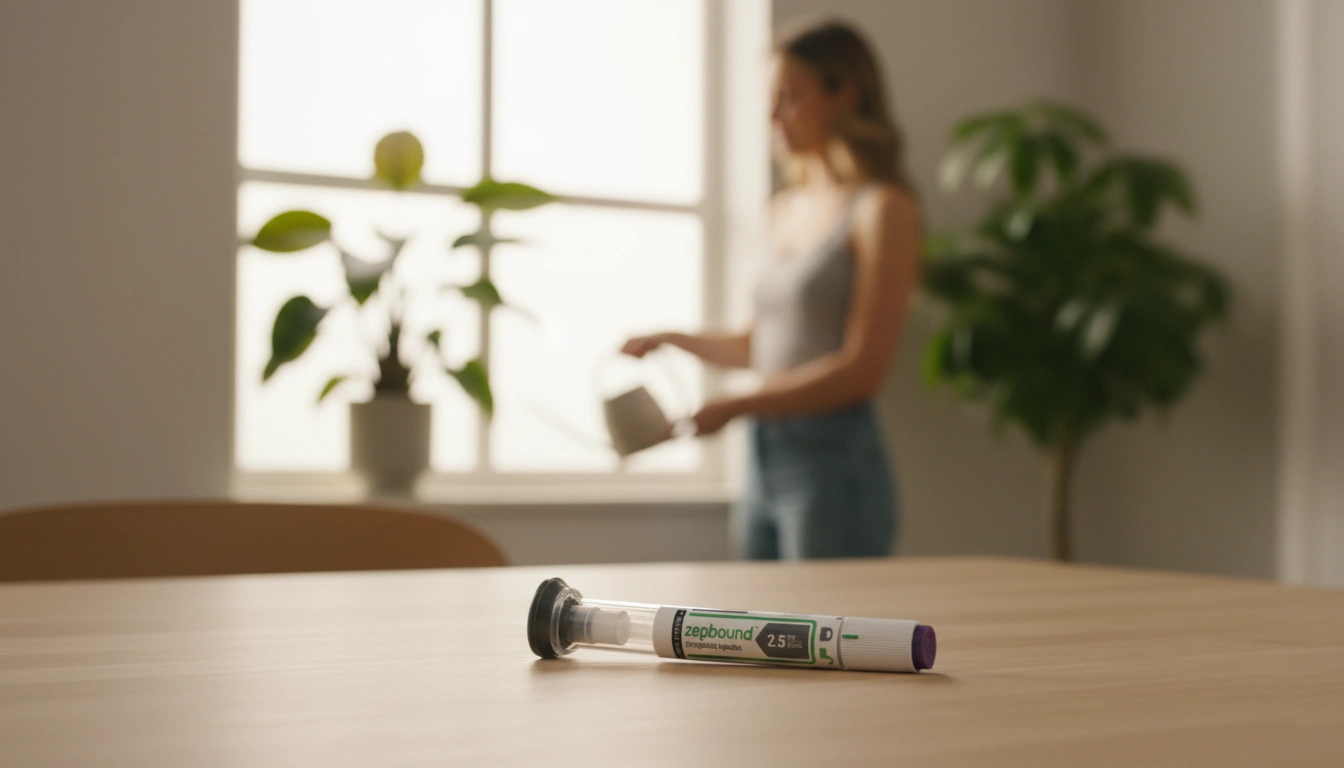
- Starting Dosage: The initial recommended dose is 2.5 mg once per week.
- Duration: This starting dose is generally administered for the first four weeks of treatment. This foundational period is crucial for allowing your body to acclimate to the medication’s effects and for identifying any initial sensitivities. It’s important to understand that the 2.5 mg dose is primarily an initiation dose and is not considered a maintenance dose for long-term weight management.
The Escalation Process: How Often Should You Increase Your Zepbound Dose?
Following the initial four-week period, your healthcare provider will evaluate your progress and tolerance. Assuming you are tolerating the medication well with minimal bothersome side effects, the dose will typically be increased.
- Incremental Increases: Doses are usually increased in 2.5 mg increments.
- Frequency of Increase: These increases occur after at least four weeks on the current dose. This means you will spend a minimum of four weeks at each dosage level before potentially moving to the next. For example, after four weeks on 2.5 mg, you would typically move to 5 mg for at least four weeks, then to 7.5 mg for at least four weeks, and so on.
- Maintenance Dosages: The goal of this gradual escalation is to reach an effective maintenance dose. For weight reduction and long-term weight management, the recommended maintenance doses are 5 mg, 10 mg, or 15 mg once per week. For the treatment of obstructive sleep apnea (OSA) in adults with obesity, the recommended maintenance doses are 10 mg or 15 mg once per week.
- Maximum Dosage: The highest recommended dosage for Zepbound is 15 mg once per week. Your healthcare provider will work with you to find the dose that is most effective and best tolerated, which may not necessarily be the maximum dose. Many individuals achieve their weight loss goals at lower or moderate maintenance doses.
This step-by-step process is a testament to our commitment to a personalized approach at TrimRx. We recognize that everyone’s body responds differently, and our compassionate care respects every individual’s unique journey. Our medically supervised programs are designed to make sustainable weight loss attainable and tailored to the individual. To determine your personalized treatment plan, including specific Zepbound dosing recommendations, we encourage you to take our free assessment quiz.
Why Dose Adjustments Are Essential for Your Journey
The systematic adjustment of your Zepbound dose is not just a protocol; it’s a strategic component of successful and sustainable weight management. This titration ensures that your journey is as comfortable and effective as possible.
Minimizing Side Effects Through Gradual Progression
One of the primary reasons for carefully escalating your Zepbound dose is to manage and minimize potential side effects. The most commonly reported side effects are gastrointestinal, including:
- Nausea
- Diarrhea
- Vomiting
- Constipation
- Stomach (abdominal) pain
- Indigestion
- Belching
- Heartburn
Other reported side effects can include injection site reactions, fatigue, and even temporary hair loss. Clinical studies have shown that most instances of nausea, diarrhea, and vomiting tend to occur when doses are increased, but these effects generally decrease over time as the body adapts. By allowing your body sufficient time (at least four weeks) to adjust to each new dose, the severity and duration of these uncomfortable symptoms can be significantly reduced. Our supportive approach means we guide you through these phases, offering unlimited support to address any concerns.
For those experiencing mild discomfort, our quick-access supplements can offer additional support. Consider GLP-1 Daily Support designed to aid overall digestive comfort, or Weight Loss Boost to complement your journey.
Optimizing Efficacy for Meaningful Results
While managing side effects is crucial, dose adjustments are also vital for optimizing the medication’s effectiveness in promoting weight loss and managing related conditions.
- Dose-Dependent Weight Loss: Research indicates a correlation between higher doses of Zepbound and greater average weight loss. For instance, studies over 72 weeks showed average body weight reductions ranging from approximately 15% at the 5 mg dose to 21% at the 15 mg dose. This demonstrates that increasing the dose, when tolerated, can lead to more significant outcomes for some individuals.
- Individualized Response: It’s important to remember that these are averages. Individual responses vary greatly. Many individuals achieve their desired weight loss and health improvements at lower or moderate doses without needing to reach the maximum 15 mg. The objective is not simply to reach the highest dose, but to find the right dose for your body that balances efficacy with tolerability. If you are steadily losing weight and feeling well on a lower dose, there may be no need to increase further. This results-oriented and personalized philosophy is at the core of TrimRx.
The Body’s Adaptation and Long-Term Success
Allowing at least four weeks for your body to adapt to each dose level is a cornerstone of Zepbound treatment. This period ensures that your system has adequate time to integrate the changes brought about by the medication. Rushing the dose increase can overwhelm your system, potentially leading to more severe and persistent side effects, which might, in turn, lead to discontinuing the medication prematurely. Our commitment to transparent service ensures that our approach remains consistent regardless of dosage changes, always prioritizing your long-term success and well-being. This gradual approach fosters a foundation for long-term adherence and sustainable lifestyle changes, aligning perfectly with our mission to make safe and effective weight loss accessible.
Factors Influencing Your Zepbound Dose Progression
The question of how often should you increase your Zepbound dose is not a one-size-fits-all answer. Your healthcare provider will consider a multitude of factors to determine the most appropriate and safest path for your dose progression. This personalized approach is a hallmark of our medically supervised care at TrimRx.
Individual Response and Tolerance
This is perhaps the most critical factor. How your body reacts to Zepbound is unique to you.
- Side Effect Profile: If you experience significant or persistent side effects—such as severe nausea, vomiting, or diarrhea—your provider might recommend pausing the dose increase, extending the time at your current dose, or even reducing the dose temporarily. The goal is to keep you comfortable enough to continue the treatment long-term.
- Comfort Level: Your overall comfort and quality of life while on the medication are paramount. If a particular dose causes too much discomfort that impacts your daily activities, it’s a clear signal for reconsideration.
Weight Loss Progress and Treatment Goals
Your progress toward your weight management goals also plays a significant role in dose adjustment.
- Stalled Progress: If your weight loss plateaus or your appetite control diminishes at a certain dose, your healthcare provider may suggest moving to the next dose increment to re-invigorate progress, provided you are tolerating the medication well.
- Achieving Goals: Conversely, if you are consistently achieving healthy weight loss and feel satisfied with your appetite regulation at a lower dose, there might be no immediate need to escalate further. The aim is to find the minimum effective dose that helps you meet your objectives. For individuals addressing obstructive sleep apnea, consistent improvement in symptoms would also be a key indicator.
Overall Health Profile
Your complete medical history and current health status are always taken into account to ensure safety.
- Kidney Function: Kidney health can influence how medications are processed and eliminated by the body. Your healthcare provider will monitor your kidney function, and in some cases, a more cautious or slower dose escalation may be advised.
- Other Medical Conditions: Existing conditions like severe stomach problems or a history of pancreatitis would necessitate careful consideration. Zepbound carries important safety information, including warnings about potential thyroid C-cell tumors (seen in rats) and severe stomach problems in humans. Your doctor will assess your family history of medullary thyroid carcinoma (MTC) and Multiple Endocrine Neoplasia syndrome type 2 (MEN 2) as Zepbound is contraindicated in these cases.
- Concomitant Medications: Any other medications you are taking could potentially interact with Zepbound, influencing its efficacy or side effect profile. Your provider will review all your prescriptions and over-the-counter drugs.
Doctor’s Clinical Judgment and Expertise
Ultimately, the decision of how often should you increase your Zepbound dose rests with your healthcare provider. Their clinical judgment is informed by:
- Ongoing Monitoring: Regular check-ins, lab work, and discussions about your experience are integral to effective supervision. This includes monitoring for kidney problems (due to dehydration from GI side effects) and other potential serious side effects.
- Patient-Centered Care: Our providers at TrimRx are trained to offer compassionate care, respecting your unique journey. They combine advanced medical science with modern technology to tailor a plan that works specifically for you, always prioritizing safety and effective results. This personalized, medically supervised care is a core tenet of our platform. We work exclusively with FDA-registered and inspected pharmacies for the shipping of weight loss medications, further emphasizing our focus on safety.
Our platform is a user-friendly and supportive space where individuals receive personalized, medically supervised care. To begin your journey with a plan tailored to you, take our free assessment quiz.
What to Expect During Dose Increases
As you progress through your Zepbound treatment and your dose is increased, it’s helpful to understand what you might experience. This knowledge, combined with consistent communication with your healthcare provider, will empower you to navigate your weight loss journey confidently.
Potential Temporary Increase in Side Effects
It’s common for some individuals to experience a temporary resurgence or intensification of side effects, particularly gastrointestinal ones, when transitioning to a higher Zepbound dose. This is a normal part of your body adjusting to the increased medication level. You might notice:
- Nausea: A feeling of queasiness, which can range from mild to more pronounced.
- Diarrhea or Constipation: Changes in bowel habits are frequent.
- Vomiting: While less common than nausea, it can occur, especially with rapid dose increases.
- Fatigue: Some individuals report feeling more tired.
These effects are typically transient, often subsiding within a week or two as your body adapts to the new dose. In studies, most GI side effects occurred when people increased their dose but generally decreased over time.
Practical Tips for Managing Side Effects
Should you experience bothersome side effects during a dose increase, there are practical strategies that can help:
- Eat Smaller, More Frequent Meals: Instead of three large meals, try splitting your daily intake into four or more smaller ones.
- Stop Eating When Full: Pay attention to your body’s signals and avoid overeating.
- Avoid Fatty or Greasy Foods: Foods high in fat can exacerbate gastrointestinal discomfort. Opt for leaner, blander options.
- Choose Bland Foods: Crackers, toast, rice, and plain pasta can be easier on the stomach during periods of nausea.
- Stay Hydrated: Drinking plenty of water or clear fluids is crucial, especially if you experience vomiting or diarrhea, to prevent dehydration. Dehydration, if severe, can lead to kidney problems, so fluid intake is vital.
- Communicate with Your Provider: This is perhaps the most important tip. Our comprehensive service includes unlimited support, meaning you can reach out to your healthcare team with any questions or concerns. They can offer personalized advice, and if side effects are severe or persistent, they may recommend pausing the dose increase or adjusting your plan.
Remember, if you experience severe stomach problems that won’t go away, signs of kidney problems (e.g., reduced urination), or any symptoms of an allergic reaction (like hives, swelling of the face/throat, difficulty breathing), seek immediate medical attention.
For those looking for extra daily support to manage their journey, our GLP-1 Daily Support supplement is available for immediate purchase. It’s formulated to complement your overall wellness during weight loss.
Proper Administration of Zepbound
Zepbound is administered as a subcutaneous injection once weekly. Our commitment to safety extends to ensuring you feel confident in self-administering your medication.
- Injection Site Rotation: To prevent irritation, it’s important to choose a different injection site each week. Common sites include the stomach (at least two inches from the belly button), thigh, or the back of the upper arm (if someone else is helping you). Avoid areas that are tender, bruised, scarred, or irritated.
- Single-Dose Pens/Vials: Zepbound is available in single-dose prefilled pens or single-dose vials. These are designed for ease of use and to ensure you receive the correct, pre-measured dose. Your healthcare provider will provide detailed instructions and show you how to properly administer the injection.
- Do Not Double Dose: If you miss a dose, administer it as soon as you remember, provided it’s within 4 days (96 hours) of your scheduled dose. If more than 4 days have passed, skip the missed dose and resume your regular schedule. Never inject two doses to make up for a missed one, and avoid injecting two doses within 3 days (72 hours) of each other, as this can increase the risk of side effects. Using a medication reminder can be very helpful.
- Storage and Handling: Zepbound should be stored in the refrigerator (36°F to 46°F or 2°C to 8°C). If needed, a pen or vial can be stored at room temperature (up to 86°F or 30°C) for up to 21 days, but should not be returned to the refrigerator. Always protect your medication from light and do not use it if it has been frozen or dropped on a hard surface.
- Safe Disposal: Dispose of used pens, needles, and syringes immediately in an FDA-cleared sharps disposal container. Do not throw them in household trash.
Our approach remains consistent regardless of dosage changes, emphasizing your safety by working exclusively with FDA-registered and inspected pharmacies for medication shipping. This holistic support system is designed to provide you with peace of mind throughout your weight loss journey.
The TrimRx Difference: Personalized Care for Your Weight Loss Journey
At TrimRx, our core mission is to empower individuals to achieve healthier lifestyles through safe, effective, and personalized weight loss solutions. We understand that your journey is unique, and our platform is built around providing the comprehensive support you need every step of the way, including understanding how often should you increase your Zepbound dose.
Our journey began with a shared vision to help individuals embrace healthier lifestyles by merging cutting-edge telehealth innovations with effective weight loss solutions. We recognized the need for a user-friendly and supportive space where individuals receive personalized, medically supervised care—all designed to make sustainable weight loss attainable and tailored to the individual. We firmly believe that sustainable weight loss should be achieved through science, empathy, and a transparent approach.
Our Commitment to Personalized, Medically Supervised Care
When you partner with TrimRx, you gain access to a program that embodies our brand personality: empathetic, innovative, trustworthy, supportive, results-oriented, and personalized.
- Doctor Consultations: Your journey begins with a thorough consultation with a qualified healthcare provider. They will review your medical history, current health status, and weight loss goals to determine the most appropriate treatment plan for you, including guidance on how often should you increase your Zepbound dose if it’s part of your prescribed therapy.
- Lab Work: Essential lab work is included to ensure your safety and to help tailor your treatment. This allows your provider to monitor your health and make informed decisions about your medication and dosage.
- Personalized Treatment Plans: Based on your assessment, you will receive a plan uniquely designed for you. This may include FDA-approved medications like Zepbound® (tirzepatide), which is approved for weight management and obstructive sleep apnea. We also offer other prescription medications such as Ozempic® (semaglutide) and Wegovy® (semaglutide), both of which are FDA-approved, as well as Mounjaro® (tirzepatide), which is FDA-approved for Type 2 Diabetes. For those seeking other options, we also provide Compounded Semaglutide, Oral Semaglutide, Compounded Tirzepatide, and Oral Tirzepratide. It’s crucial to understand that while branded medications like Zepbound®, Ozempic®, Wegovy®, and Mounjaro® are FDA-approved, compounded medications are not FDA-approved. However, we ensure that all medications are provided through FDA-registered and inspected pharmacies.
- Unlimited Support: Our commitment to your success extends beyond prescribing medication. We offer unlimited support to answer your questions, address concerns, and provide guidance throughout your weight loss journey. This continuous support is vital when considering adjustments to your Zepbound dose or managing any side effects.
- Shipping with No Hidden Fees: We believe in transparent service. Your medication is shipped directly to you from our partner FDA-registered and inspected pharmacies, with all shipping costs included and no hidden fees.
Getting Started with TrimRx
For individuals interested in our prescription weight loss medications, the first step is to complete our free assessment quiz. This personalized assessment helps us determine your eligibility and connect you with a healthcare provider who can develop a tailored treatment plan.
In addition to our prescription programs, we offer quick-access supplements that do not require a quiz:
- GLP-1 Daily Support: Designed to support overall digestive comfort and well-being during your weight loss journey.
- Weight Loss Boost: A convenient supplement to enhance your weight loss efforts.
These quick-access supplements are available for immediate purchase to support overall wellness during the weight loss journey.
We are dedicated to offering compassionate care that respects every individual’s unique journey by combining advanced medical science with modern technology. Our approach to weight loss is comprehensive, safe, and effective, always prioritizing your health and long-term success.
Conclusion
Understanding how often should you increase your Zepbound dose is a foundational element for anyone embarking on a weight management journey with this powerful medication. As we’ve explored, the process is deliberately gradual, starting with a 2.5 mg dose for four weeks, and typically increasing in 2.5 mg increments every four weeks thereafter, up to a maximum of 15 mg weekly. This methodical approach, known as titration, is not merely a guideline but a critical strategy designed to allow your body to adapt, minimize potential side effects, and optimize the medication’s efficacy for sustainable results.
Your individual response, tolerance to side effects, progress toward your weight loss goals, and overall health profile are all carefully considered by your healthcare provider. This personalized attention ensures that your Zepbound dosage pathway is tailored precisely to your needs, reflecting our commitment at TrimRx to empathetic, results-oriented, and medically supervised care. We recognize that while higher doses may correlate with greater weight loss for some, finding the right dose—one that balances effectiveness with comfort—is the key to long-term success.
Throughout this journey, proactive communication with your healthcare provider is paramount. They are your partners in navigating any side effects, celebrating your successes, and making informed decisions about your treatment plan. Our comprehensive service at TrimRx, including doctor consultations, lab work, medication from FDA-registered and inspected pharmacies, unlimited support, and transparent shipping, is designed to provide you with a seamless and supportive experience.
We are here to support you in embracing a healthier lifestyle through science, empathy, and a transparent approach. If you’re ready to explore a personalized weight loss solution, we invite you to take our free assessment quiz to see if you qualify for our prescription weight loss medications. For immediate support for your overall wellness during this journey, consider our GLP-1 Daily Support or Weight Loss Boost supplements. Your path to sustainable weight loss is a journey we’re honored to share with you.
Frequently Asked Questions
Q1: Why do I have to start with a low Zepbound dose and increase it slowly?
A1: Starting with a low dose (2.5 mg) and gradually increasing it, typically every four weeks in 2.5 mg increments, allows your body to slowly adjust to the medication. This process, known as titration, is crucial for minimizing potential side effects, especially gastrointestinal issues like nausea, vomiting, and diarrhea. It also helps your healthcare provider find the lowest effective dose for you, optimizing both comfort and results for sustainable weight loss.
Q2: What happens if I experience side effects when my Zepbound dose is increased?
A2: It’s common for some individuals to experience a temporary increase in side effects, particularly gastrointestinal ones, after a dose escalation. If you experience bothersome side effects, it’s important to communicate immediately with your healthcare provider. They may recommend staying at your current dose longer, temporarily reducing the dose, or suggest strategies like eating smaller meals, avoiding fatty foods, and staying well-hydrated. Our programs at TrimRx include unlimited support to help you manage these situations effectively.
Q3: Is it necessary to reach the maximum Zepbound dose (15 mg) for effective weight loss?
A3: No, reaching the maximum Zepbound dose of 15 mg is not always necessary for effective weight loss or managing obstructive sleep apnea. Many individuals achieve significant results and meet their treatment goals at lower or moderate maintenance doses (e.g., 5 mg or 10 mg). Your healthcare provider will work with you to find the optimal dose that provides the desired benefits while being well-tolerated, focusing on your individual response rather than simply reaching the highest possible dose.
Q4: Can I change the day of the week I take my Zepbound injection?
A4: Yes, you can generally change the day of the week you take your Zepbound injection, but it’s important to ensure there are at least 3 days (72 hours) between doses. For example, if you typically inject on Friday but wish to switch to Wednesday, this would be permissible as long as the 72-hour minimum interval is respected. Always consult with your healthcare provider or pharmacist before making changes to your dosing schedule to ensure it aligns with your overall treatment plan.

Transforming Lives, One Step at a Time
Keep reading

Navigating Your Path: How Many Doses Are In Zepbound and What It Means for Your Health Journey
Curious how many doses are in Zepbound? Discover its weekly dosing schedule, available strengths, and titration process for effective weight loss. Learn more!

Navigating Your Zepbound Journey: Understanding Dosing and Expert Guidance
Wondering how to split doses of Zepbound? Learn why it’s unsafe & not recommended. Get expert guidance on Zepbound dosing for safe, effective weight loss with TrimRx. Click to learn more!
Understanding Zepbound Dosing: What is the Lowest Dose Available for Your Weight Loss Journey?
Curious what is the lowest dose of Zepbound available? Learn about Zepbound’s 2.5mg starting dose, titration, and safe use for weight loss. Get expert guidance!


