Optimizing Your Journey: Should You Eat Before Taking Ozempic?
Introduction
Embarking on a weight loss journey is often met with a mix of hope, determination, and a myriad of questions, especially when incorporating powerful tools like GLP-1 medications. One common query that surfaces for many individuals considering or starting medications like Ozempic® is, “should I eat before taking Ozempic?” This seemingly simple question opens the door to a deeper conversation about how these innovative treatments interact with our bodies, impact our dietary habits, and ultimately contribute to sustainable health transformations.
The landscape of weight management has evolved significantly, moving beyond one-size-fits-all approaches to embrace personalized, medically supervised care. GLP-1 receptor agonists, such as Semaglutide (the active ingredient in Ozempic® and Wegovy®) and Tirzepatide (found in Mounjaro® and Zepbound®), represent a groundbreaking advancement. They work by mimicking natural hormones that regulate appetite and blood sugar, offering a potent pathway to feeling fuller, eating less, and managing glucose levels more effectively. Yet, understanding how to best support these medications with our daily routines, particularly around meal times, is crucial for maximizing their benefits and minimizing potential discomfort.
This comprehensive guide is designed to illuminate the intricacies of diet and GLP-1 medication, specifically addressing the question of when and what to eat to optimize your experience. We will delve into the science behind how these medications work, explore the flexibility regarding meal timing, and provide actionable dietary strategies to support your weight loss goals while managing common side effects. By the end of this post, you will gain a clearer understanding of how to harmonize your eating habits with your medication regimen, transforming your weight loss journey into an informed and empowering experience. Our aim at TrimRx is to provide you with transparent, science-backed insights that empower you to make the best choices for your health, ensuring you feel supported every step of the way.
Understanding GLP-1 Medications and Their Transformative Impact
At TrimRx, our journey began with a shared vision: to help individuals embrace healthier lifestyles by merging cutting-edge telehealth innovations with effective weight loss solutions. This vision is deeply rooted in understanding the science behind modern weight management, particularly the role of Glucagon-Like Peptide-1 (GLP-1) receptor agonists. Medications like Ozempic®, Wegovy® (semaglutide), Mounjaro®, and Zepbound® (tirzepatide) are not just another treatment; they represent a paradigm shift, offering a medically supervised path to sustainable weight loss.
The Science Behind GLP-1 Receptor Agonists
The active ingredient in Ozempic®, semaglutide, functions by mimicking a natural hormone in your body called GLP-1. This hormone plays several crucial roles in metabolic regulation:
- Appetite Regulation: GLP-1 signals to the brain that you are full, significantly reducing appetite and leading to a natural decrease in food intake. This is why many individuals find themselves feeling satisfied with smaller portions.
- Insulin Release: When you eat, GLP-1 stimulates the pancreas to release insulin, helping your body process glucose more effectively and maintain stable blood sugar levels. This mechanism is particularly beneficial for those managing type 2 diabetes.
- Slowed Gastric Emptying: Perhaps one of the most impactful mechanisms related to dietary considerations is how GLP-1 slows down the rate at which food leaves your stomach. This extended digestion contributes to a prolonged feeling of fullness, but it can also influence how your body reacts to certain foods.
Tirzepatide, the active ingredient in Mounjaro® and Zepbound®, takes this a step further by mimicking not only GLP-1 but also Glucose-dependent Insulinotropic Polypeptide (GIP). This dual-agonist action provides an even more comprehensive approach to blood sugar control and weight management by enhancing both pathways.
Medications as a Catalyst for Lifestyle Transformation
It’s vital to recognize that GLP-1 medications are designed to be used as part of a broader strategy, not as standalone solutions. While they are incredibly effective at altering physiological responses to food, their true power is unlocked when combined with intentional dietary changes and increased physical activity. Clinical trials consistently show that individuals who incorporate these lifestyle modifications alongside their medication experience the most profound and sustainable results. This comprehensive approach is at the heart of TrimRx’s philosophy: we believe that sustainable weight loss should be achieved through science, empathy, and a transparent approach. Our programs are built to support you in every aspect of your journey, helping you to build lasting habits that extend far beyond the medication itself.
Addressing the Core Question: Should I Eat Before Taking Ozempic?
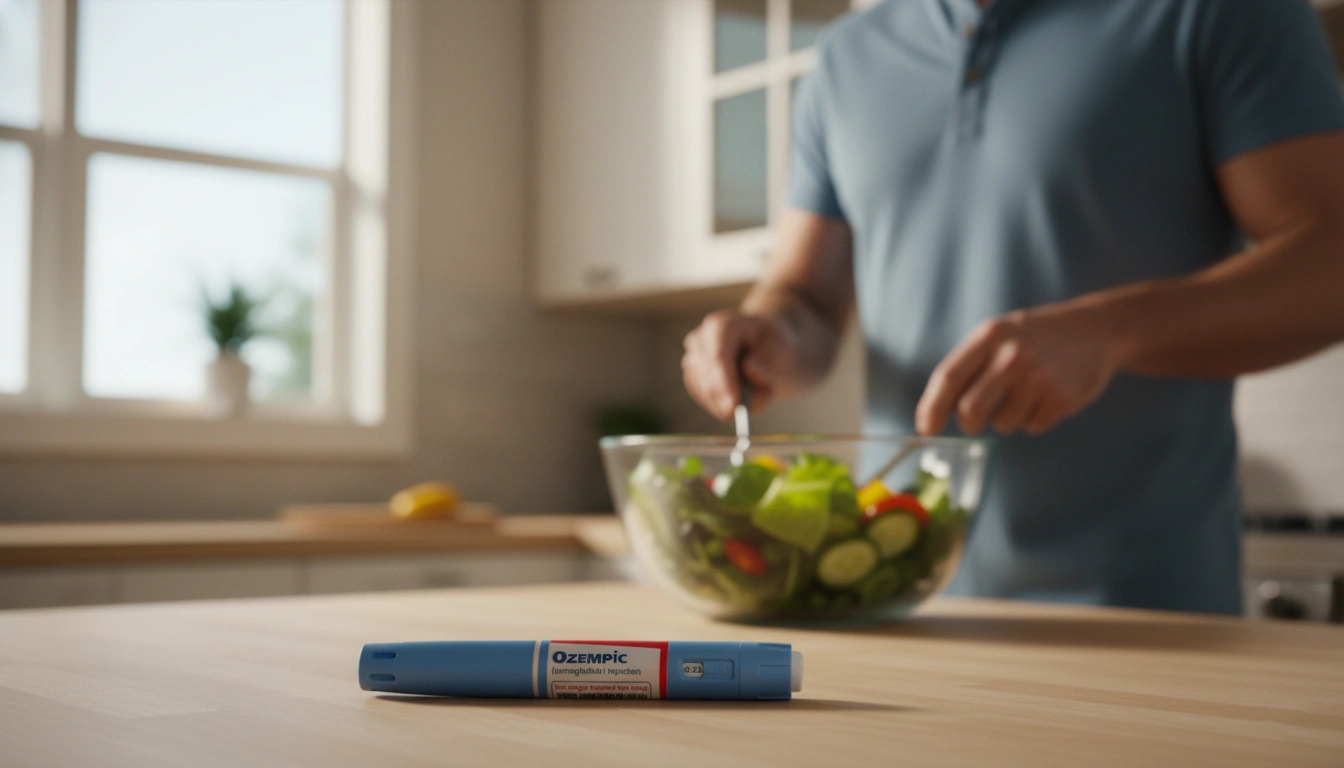
The central question, “should I eat before taking Ozempic,” is a common one that reflects a natural concern about optimizing medication efficacy and comfort. The straightforward answer for injectable GLP-1 medications like Ozempic® is: you can take it with or without food.
The Flexibility of GLP-1 Injections
Unlike some oral medications that require specific timing relative to meals for optimal absorption or to mitigate gastric upset, injectable GLP-1 receptor agonists are absorbed subcutaneously (under the skin) and bypass the digestive system’s direct interaction with food at the moment of injection. This means that the presence or absence of food in your stomach at the time of your weekly injection does not alter the medication’s effectiveness.
This flexibility is a significant benefit, allowing for easier integration into your existing routine. Whether you prefer to take your medication first thing in the morning, in the evening, or at any other convenient time on your designated day, it will work just as intended. The key is consistency: taking your dose on the same day each week to maintain stable levels of the medication in your system.
Practical Considerations for Your Routine
While the efficacy isn’t tied to meal timing, individual experiences can vary. Some people might find that taking their injection at a certain time of day feels more comfortable or helps them remember their dose. For instance:
- Morning Dose: Some prefer a morning injection to get it out of the way and establish a routine.
- Evening Dose: Others might choose the evening, believing it could potentially mitigate any initial side effects like nausea while they sleep.
- Regardless of meal: The primary directive is to establish a consistent weekly schedule.
At TrimRx, when you complete our free assessment quiz to determine your eligibility for prescription weight loss medications, our medical professionals will provide personalized guidance on how and when to administer your specific medication, including considerations like “should I eat before taking Ozempic,” to ensure your comfort and optimal results. Our comprehensive service includes doctor consultations and unlimited support to address all your questions and concerns.
Optimizing Your Diet While on GLP-1 Medications
While the precise timing of food intake relative to your Ozempic® injection is flexible, the quality and quantity of your diet throughout the week become profoundly important when you’re on a GLP-1 medication. These medications amplify the effects of healthy eating, making mindful food choices an even more powerful lever for weight loss and overall well-being. At TrimRx, we emphasize that medication is a tool, and sustained success comes from holistic lifestyle changes.
Foundational Dietary Principles
The overarching goal is to adopt a nutritious, reduced-calorie diet that supports a calorie deficit. Clinical studies have shown significant weight loss when individuals achieve a moderate calorie deficit (e.g., 500-600 calories less per day) combined with regular physical activity. This isn’t about extreme restriction, but about smart, balanced eating that provides all essential nutrients while gently reducing overall intake.
Foods to Embrace for Nourishment and Comfort
When your appetite is reduced and gastric emptying is slowed, focusing on nutrient-dense, easily digestible foods can make a significant difference.
- Lean Proteins: Prioritize lean protein sources such as chicken breast, fish, turkey, eggs, tofu, and legumes. Protein helps you feel full, supports muscle mass, and is generally well-tolerated.
- Fiber-Rich Fruits and Vegetables: Load up on a wide variety of colorful fruits and vegetables. These are packed with vitamins, minerals, and fiber, which aid digestion and contribute to satiety. Examples include leafy greens, berries, apples, and carrots.
- Whole Grains: Opt for whole grains over refined ones, such as oats, quinoa, brown rice, and whole-wheat bread. They provide sustained energy and fiber.
- Healthy Fats (in moderation): Include sources of healthy fats like avocados, nuts, seeds, and olive oil. These are important for nutrient absorption and satiety, but should be consumed in smaller portions due to their calorie density and potential to exacerbate side effects if consumed excessively.
- Probiotic-Rich Foods: Incorporate fermented foods like kefir, yogurt (plain, unsweetened), kimchi, and sauerkraut. These can support a healthy gut microbiome, which is particularly beneficial given the potential gastrointestinal side effects of GLP-1 medications.
- Bland, Easily Digestible Options (especially for side effects): If you’re experiencing nausea or stomach upset, bland foods like toast, plain rice, crackers, and clear broths can be gentler on your digestive system.
- Hydration is Key: Drink plenty of water throughout the day. Staying well-hydrated supports metabolism, helps with satiety, and can mitigate constipation or dehydration from vomiting/diarrhea. Herbal teas and diluted fruit juices can also be good options.
Foods to Approach with Caution and Mindful Moderation
While no food is strictly “off-limits,” certain foods can make it harder to lose weight or worsen common GLP-1 side effects due to the slowed digestion.
- High-Fat, Greasy Foods: Foods like fried chicken, pizza, burgers, chips, and rich desserts are high in calories and fat. Because GLP-1 medications slow down gastric emptying, these foods can sit in your stomach longer, leading to increased nausea, bloating, indigestion, and discomfort.
- High Glycemic Index (GI) Foods and Added Sugars: Sugary drinks, candies, pastries, white bread, and other refined carbohydrates cause rapid spikes in blood sugar. While Ozempic® helps manage blood sugar, excessive intake of high-GI foods can still work against your weight loss efforts by promoting fat storage when insulin levels rise. Focus on natural sugars from fruits and complex carbohydrates.
- Large Portions: Ozempic® and similar medications significantly enhance feelings of fullness. Eating portions that were once normal for you can now lead to uncomfortable over-satiety, nausea, or even vomiting. Listen to your body’s new hunger and fullness cues and aim for smaller, more frequent meals if preferred.
- Raw or Cruciferous Vegetables (for some): While generally healthy, high-fiber raw vegetables like broccoli, cabbage, and cauliflower can cause gas and bloating in some individuals, which might be amplified by slowed digestion. Cooking these vegetables thoroughly can make them easier to tolerate.
- Highly Spiced Foods: For some, very spicy foods can irritate the digestive tract and worsen symptoms like heartburn or nausea.
- Caffeine, Carbonated Drinks, and Alcohol: These can sometimes exacerbate gastrointestinal symptoms such as nausea, heartburn, or bloating. Moderation, or temporary avoidance, may be beneficial depending on individual tolerance.
Making Sustainable Dietary Changes
Building healthy, lasting habits around your diet is not a race; it’s a journey of consistent effort and self-compassion. At TrimRx, we recognize that this journey is unique for everyone. Our personalized weight loss programs offer more than just medication; they provide the robust support and guidance you need to integrate these dietary changes into your daily life. Our approach combines a personalized plan, expert medical consultations, and unlimited support to help you navigate these adjustments seamlessly.
To begin your journey towards a healthier lifestyle with medically supervised care, we invite you to take our free assessment quiz. This quiz helps us understand your unique needs and determine your eligibility for our prescription weight loss medications, including Compounded Semaglutide, Oral Semaglutide, Ozempic®, Compounded Tirzepatide, Oral Tirzepatide, Mounjaro®, Zepbound®, and Wegovy®.
We also offer quick-access supplements like GLP-1 Daily Support and Weight Loss Boost which are available for immediate purchase to support overall wellness during your weight loss journey, no quiz required.
Strategies for Managing Side Effects Through Diet
The innovative mechanism of GLP-1 medications, while highly effective for weight management, can sometimes lead to transient side effects, particularly affecting the digestive system. Nausea, constipation, diarrhea, and heartburn are among the more common experiences. The good news is that many of these can be effectively managed or alleviated through strategic dietary adjustments. At TrimRx, we are committed to providing compassionate care and support, guiding you through every aspect of your weight loss journey, including symptom management.
Tackling Nausea and Vomiting
Nausea is one of the most frequently reported side effects, especially during the initial weeks of treatment or after dose escalation.
- Small, Frequent Meals: Instead of three large meals, try eating five or six smaller meals throughout the day. This keeps your stomach from becoming overly full and reduces the pressure on your digestive system.
- Bland Foods: Opt for bland, easy-to-digest foods like plain toast, crackers, rice, applesauce, bananas, and clear broths. These are less likely to irritate your stomach.
- Avoid Trigger Foods: Steer clear of greasy, fried, very sweet, or highly spicy foods, as these can exacerbate nausea due to slower digestion.
- Ginger: Incorporating ginger, whether in ginger tea, ginger chews, or ginger ale (sip slowly), is a time-honored remedy known to soothe an upset stomach.
- Eat Slowly and Mindfully: Give your body time to register fullness. Eating too quickly can overwhelm your digestive system.
- Stay Upright After Meals: Avoid lying down immediately after eating, as this can worsen heartburn and nausea.
Addressing Constipation
Slowed gastric emptying can sometimes lead to constipation.
- Increase Fluid Intake: This is paramount. Drink plenty of water throughout the day. Herbal teas and diluted juices can also contribute to hydration.
- Gradual Fiber Increase: Slowly introduce more fiber into your diet through fruits, vegetables, and whole grains. If you experience gas and bloating, consider cooked vegetables over raw initially.
- Light Physical Activity: Gentle movement, like a short walk after meals, can stimulate bowel movements.
- Prunes or Prune Juice: These natural laxatives can be effective for some individuals.
Managing Diarrhea
While less common than constipation, diarrhea can occur.
- Low-Fiber Foods (Temporarily): If experiencing diarrhea, temporarily reduce high-fiber foods and focus on bland, low-fiber options like white rice, toast, and boiled potatoes until symptoms subside.
- Hydration: Replenish lost fluids and electrolytes with water, clear broths, and electrolyte solutions.
- Avoid Irritants: Steer clear of caffeine, alcohol, very spicy foods, and high-fat foods, which can worsen diarrhea.
Combating Heartburn and Indigestion
Heartburn can be a consequence of slowed digestion and potential acid reflux.
- Smaller Meals: As with nausea, smaller, more frequent meals can prevent your stomach from becoming overly distended.
- Avoid Trigger Foods: Identify and limit foods that commonly cause heartburn, such as citrus, tomatoes, chocolate, peppermint, and high-fat meals.
- Don’t Lie Down After Eating: Allow at least 2-3 hours after your last meal before lying down or going to bed.
- Elevate Your Head: If heartburn is an issue at night, elevating the head of your bed can help.
Our transparent service at TrimRx ensures that you have access to expert guidance and support to navigate these aspects of your journey. Our medical team works exclusively with FDA-registered and inspected pharmacies for the shipping of weight loss medications, ensuring your safety and the quality of your treatment. To learn more about how our personalized, medically supervised care can help you achieve sustainable weight loss, we encourage you to take our free assessment quiz.
For additional daily support, explore our GLP-1 Daily Support supplement, designed to complement your weight loss journey and aid overall wellness.
The Importance of a Holistic Approach to Weight Loss
At TrimRx, we understand that weight loss is a multifaceted journey that extends far beyond the singular act of taking medication. While innovative treatments like Compounded Semaglutide, Oral Semaglutide, Ozempic®, Compounded Tirzepatide, Oral Tirzepatide, Mounjaro®, Zepbound®, and Wegovy® are powerful tools, they are most effective when integrated into a holistic framework that addresses all pillars of health. Our brand is built on being empathetic, innovative, trustworthy, supportive, results-oriented, and personalized – values that underpin our comprehensive approach to well-being.
Beyond the Prescription: A Foundation of Healthy Habits
Medication serves as a catalyst, helping to reset your body’s natural hunger cues and metabolic processes. However, sustainable weight loss and improved health outcomes are rooted in the enduring power of lifestyle changes. This includes:
- Mindful Nutrition: As we’ve extensively discussed, dietary choices are paramount. Learning to identify nourishing foods, managing portion sizes, and developing a positive relationship with eating are crucial. This isn’t about temporary dieting but about cultivating long-term, enjoyable eating habits.
- Regular Physical Activity: Incorporating movement into your daily life, whether it’s structured exercise or simply being more active, complements the effects of medication. Physical activity builds muscle, boosts metabolism, improves cardiovascular health, and enhances mood.
- Adequate Sleep: Sleep is often an overlooked pillar of weight management. Poor sleep can disrupt hormones that regulate appetite (ghrelin and leptin), leading to increased cravings and reduced satiety. Prioritizing 7-9 hours of quality sleep each night is essential.
- Stress Management: Chronic stress can lead to hormonal imbalances, including elevated cortisol, which can contribute to weight gain, particularly around the abdomen. Engaging in stress-reducing activities like meditation, yoga, spending time in nature, or hobbies can significantly impact your journey.
- Emotional Well-being: Addressing the psychological aspects of eating and body image is vital. Understanding emotional eating triggers and developing healthy coping mechanisms are integral to a sustainable transformation.
TrimRx: Your Partner in Comprehensive Care
Our platform is a user-friendly and supportive space where individuals receive personalized, medically supervised care—all designed to make sustainable weight loss attainable and tailored to the individual. We believe in providing a comprehensive service that includes doctor consultations, necessary medication, lab work, unlimited support, and shipping with no hidden fees. This means that from the moment you take our free assessment quiz, you are entering a partnership dedicated to your success.
Our commitment to safety is unwavering. We partner exclusively with FDA-registered and inspected pharmacies for the shipping of all weight loss medications. For branded medications like Ozempic® and Zepbound®, you can rely on their FDA approval. For compounded medications, we ensure they are sourced from these high-standard pharmacies, always clarifying that compounded medications are not FDA-approved, while the pharmacies themselves are FDA-registered and inspected. This transparency is a cornerstone of our trustworthy approach.
To support your weight loss journey immediately, we also offer Weight Loss Boost, a quick-access supplement designed to provide additional support without requiring the quiz.
At TrimRx, we merge advanced medical science with modern technology to offer compassionate care that respects every individual’s unique journey. We don’t just offer products; we offer a pathway to a healthier, more vibrant life, built on a foundation of science, empathy, and transparent support.
Conclusion
Navigating the nuances of weight loss, especially when incorporating powerful medications like Ozempic® and other GLP-1 receptor agonists, requires a clear understanding and a supportive framework. As we’ve explored, the question of “should I eat before taking Ozempic” is easily answered with the flexibility of “with or without food,” allowing for seamless integration into your life. However, this flexibility underscores a larger truth: the profound impact of what and how you eat throughout your journey, not just at the moment of injection.
Our deep dive into the mechanisms of GLP-1 medications has highlighted their role in regulating appetite and slowing digestion, which in turn influences your dietary needs and potential side effects. By embracing a diet rich in lean proteins, healthy fats, and complex carbohydrates, while being mindful of high-fat, sugary, or overly processed foods, you can significantly enhance the effectiveness of your treatment and minimize discomfort. Practical strategies for managing nausea, constipation, diarrhea, and heartburn through specific food choices and eating habits empower you to take an active role in optimizing your experience.
Ultimately, successful and sustainable weight loss is a holistic endeavor. It’s a harmonious blend of innovative medical solutions, like the personalized programs offered by TrimRx, coupled with dedicated lifestyle changes in nutrition, exercise, sleep, and stress management. Our commitment at TrimRx is to provide you with a medically supervised, personalized, and empathetic journey towards better health. We combine cutting-edge telehealth with an unwavering focus on safety, partnering with FDA-registered and inspected pharmacies to deliver high-quality medication, alongside comprehensive support from doctor consultations to unlimited guidance.
We invite you to take the pivotal first step towards a healthier you. Discover how our tailored approach can transform your weight loss journey by taking our free assessment quiz today. If you’re looking for immediate support, explore our quick-access supplements like GLP-1 Daily Support and Weight Loss Boost. At TrimRx, we are here to support you every step of the way, fostering a healthier, more vibrant future rooted in science, empathy, and transparency.
Frequently Asked Questions (FAQ)
Q1: Does eating before taking Ozempic® affect its effectiveness?
No, eating before taking Ozempic® does not affect its effectiveness. Ozempic® is an injectable medication absorbed subcutaneously, meaning its absorption and action are not directly influenced by the presence or absence of food in your stomach at the time of injection. The crucial factor is taking your dose on the same day each week to maintain consistent medication levels in your body.
Q2: What are the best foods to eat to manage side effects like nausea while on GLP-1 medications?
To manage nausea, focus on bland, easily digestible foods such as plain toast, crackers, rice, bananas, applesauce, and clear broths. Eating smaller, more frequent meals can also help prevent an overly full stomach. Many individuals find ginger (in tea, chews, or ale) to be helpful. It’s best to avoid greasy, very sweet, or highly spicy foods, as these can exacerbate nausea due to the slowed digestion caused by GLP-1 medications.
Q3: Should I adjust my portion sizes when taking medications like Ozempic®?
Yes, adjusting portion sizes is highly recommended. GLP-1 medications increase feelings of fullness and satiety, meaning you will likely feel satisfied with smaller amounts of food than you previously consumed. Continuing to eat large portions can lead to discomfort, nausea, or feeling overly full. Listening to your body’s new hunger and fullness cues is key to optimizing your dietary intake and supporting your weight loss goals.
Q4: How does TrimRx support individuals in making healthy dietary changes while on weight loss medication?
At TrimRx, we offer comprehensive support to help you integrate healthy dietary changes with your medication. Our personalized weight loss programs include doctor consultations, which cover dietary guidance tailored to your unique needs and medication regimen. We provide unlimited support to answer your questions and help you navigate challenges, ensuring you build sustainable habits. Our approach is rooted in science and empathy, aiming to empower you with the knowledge and resources for long-term success. To get started, consider taking our free assessment quiz.

Transforming Lives, One Step at a Time
Keep reading

What to Do If Your Ozempic Pen Malfunctions
You’ve set aside time for your weekly injection, you pick up the pen, and something isn’t right. Maybe the dose button won’t push down,…

Ozempic and Water Retention: What Patients Notice
Water retention on Ozempic sits in a confusing middle ground. Some patients notice puffiness or swelling, particularly in the hands, feet, or ankles, while…
Ozempic and Heartburn: Managing Acid Reflux on GLP-1
Heartburn on Ozempic tends to surprise people. You’re eating less, your meals are smaller, and yet you’re experiencing more acid reflux than before. It…


