Optimizing Your Journey: What Should You Avoid While Taking Ozempic?
Introduction
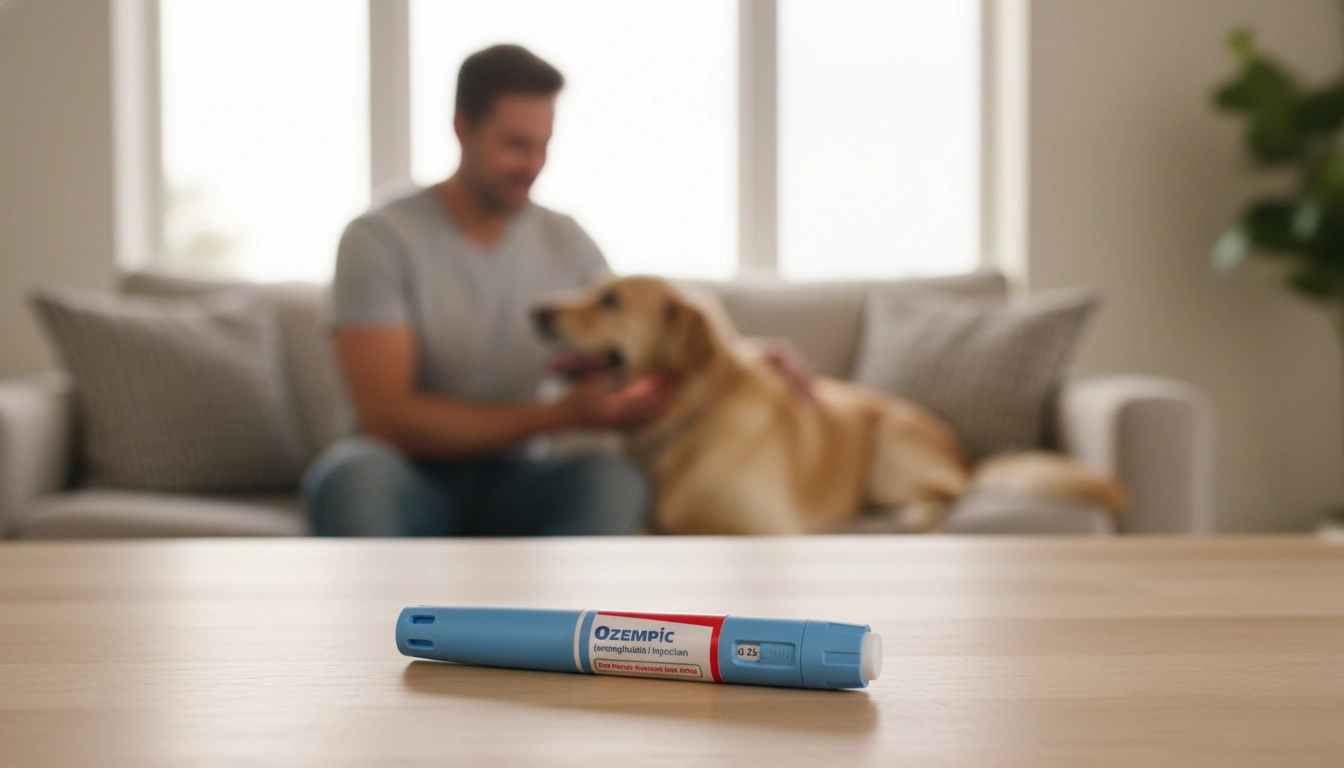
Have you ever wondered why a favorite meal that you previously enjoyed without issue suddenly feels like a heavy weight in your stomach after starting a new health regimen? It is a common experience for many individuals beginning their journey with GLP-1 medications. As the landscape of weight management shifts toward more scientifically backed, personalized solutions, millions are turning to medications like Ozempic® to help manage their metabolic health. However, the effectiveness of these treatments is rarely about the medication alone. It is about the environment we create for the medication to work.
At TrimRx, our journey began with a shared vision to help individuals embrace healthier lifestyles by merging cutting-edge telehealth innovations with effective weight loss solutions. We understand that starting a prescription like Ozempic®, Wegovy®, or our Compounded Semaglutide can feel like a major life transition. Our platform is a user-friendly and supportive space where individuals receive personalized, medically supervised care—all designed to make sustainable weight loss attainable and tailored to the individual. We believe that sustainable weight loss should be achieved through science, empathy, and a transparent approach.
The purpose of this blog post is to provide you with a definitive guide on what should you avoid while taking ozempic to ensure you achieve the best possible results with the least amount of discomfort. By the end of this article, you will have a deep understanding of how specific foods, drinks, and lifestyle habits interact with semaglutide. We will cover everything from the biological reasons behind gastrointestinal side effects to the specific dietary triggers you should minimize.
We will also explore how you can enhance your progress through our personalized weight loss program and our quick-access supplements like GLP-1 Daily Support. This post is unique because it blends clinical insights with practical, empathetic advice, positioning us as your dedicated partner in health. Our main message is simple: while medication is a powerful tool, your success is amplified when you pair it with informed choices and personalized support.
Throughout the following sections, we will break down the categories of foods to limit, the habits to break, and the positive steps you can take to flourish. Whether you are curious about Compounded Tirzepatide or already using a branded option, this guide is your roadmap to a more comfortable and effective experience.
The Science of Semaglutide and Digestion
To understand what should you avoid while taking ozempic, we must first look at how the medication functions within the body. Ozempic® and its active ingredient, semaglutide, belong to a class of medications known as GLP-1 (glucagon-like peptide-1) receptor agonists. These medications mimic a hormone naturally produced in the gut that signals the brain when we are full.
One of the primary mechanisms of semaglutide is “delayed gastric emptying.” This means the medication literally slows down the speed at which food leaves your stomach and enters the small intestine. While this is highly effective for keeping you satiated for longer periods, it also means that whatever you eat remains in your stomach for an extended duration. If the food in your stomach is difficult to break down or highly irritating to the digestive lining, the resulting discomfort—such as nausea, bloating, or heartburn—can be significantly magnified.
At TrimRx, we focus on helping you navigate these biological changes. Our approach remains consistent regardless of dosage changes, and we emphasize working with FDA-registered and inspected pharmacies to ensure the quality of every shipment. Because we believe in transparency, it is important to note that while we partner with these high-quality pharmacies for the shipping of weight loss medications, we provide the platform for you to connect with medical professionals who oversee your care.
Dietary Triggers: Foods to Minimize
When considering what should you avoid while taking ozempic, the most common culprits are foods that are naturally slow to digest or those that provoke an inflammatory response in the gut.
High-Fat and Greasy Foods
Fried foods, heavy sauces, and greasy snacks are perhaps the most significant triggers for those on a semaglutide regimen. Under normal circumstances, fats are already the slowest macronutrient to digest. When you add a medication that further slows gastric emptying, high-fat meals can “sit” in the stomach for many hours.
For an individual who consumes a meal high in saturated fats—such as fried chicken, buttery pastries, or deep-fried appetizers—the stomach may struggle to process the volume. This often leads to intense nausea, “sulfur burps,” and even vomiting. To support your body’s transition, it is often better to reach for Weight Loss Boost supplements and focus on lean proteins that the body can process more efficiently.
Sugary Drinks and Refined Carbohydrates
While Ozempic® is excellent for managing blood sugar levels, consuming high amounts of refined sugar can lead to rapid spikes and subsequent crashes. This can counteract the medication’s benefits and lead to increased fatigue or dizziness.
- Carbonated Sodas: The combination of high sugar and carbonation can cause significant bloating and gas.
- Fruit Juices: Even “natural” juices often lack the fiber found in whole fruit, leading to a quick glucose spike.
- White Breads and Pastries: These refined carbs are stripped of fiber, making them less ideal for maintaining the steady energy levels needed during a weight loss journey.
We encourage you to take our free assessment quiz to see if a more personalized approach, including medications like Oral Semaglutide, might be right for your specific metabolic profile.
Red Meat and Heavy Proteins
While protein is essential for maintaining muscle mass—which we strongly advocate for at TrimRx—certain types of protein are harder for the stomach to break down. Red meats like steak, ribs, and high-fat ground beef contain dense fibers and fats that can prolong digestion time. If you find that you are experiencing “heavy” stomach feelings or indigestion, consider switching to lighter options like white fish, tofu, or skinless poultry.
Beverage Choices and Their Impact
Hydration is a cornerstone of any health journey, but what you choose to drink is just as important as what you eat.
Alcohol and Semaglutide
One of the most frequent questions we receive is about alcohol consumption. While there is no direct contraindication between alcohol and Ozempic®, there are several reasons to be cautious. Alcohol can lower blood sugar, and when combined with a GLP-1 medication, it may increase the risk of hypoglycemia (dangerously low blood sugar), particularly in those with type 2 diabetes.
Furthermore, alcohol is a known gastric irritant. It can worsen the nausea and acid reflux already associated with semaglutide. Many individuals also find that their “tolerance” changes while on the medication, leading to faster intoxication or more severe hangovers. If you choose to drink, we recommend doing so in moderation and prioritizing hydration.
Caffeinated and Acidic Drinks
For some, highly caffeinated coffee or acidic citrus juices can trigger heartburn. Because the medication keeps these liquids in the stomach longer, the acid has more time to irritate the esophageal lining. To manage this, many of our members find that our GLP-1 Daily Support helps maintain a sense of balance in the digestive system.
Lifestyle Habits to Re-evaluate
Beyond just looking at what should you avoid while taking ozempic in terms of diet, certain habits can either help or hinder your progress.
The Pitfall of Overeating
Because semaglutide significantly reduces hunger signals, the old habit of “clearing your plate” can become a recipe for discomfort. Eating until you are “stuffed” can lead to immediate nausea and bloating because the stomach simply doesn’t have the room or the speed to process a large volume of food.
We recommend a “mindful eating” approach:
- Eat slowly: It takes time for the stomach to signal the brain that it is satisfied.
- Prioritize protein: Start your meal with lean protein to ensure you get the nutrients you need before you feel full.
- Stop at the first sign of fullness: Even if there is food left on the plate, listening to your body’s new signals is key.
Lying Down After Eating
Given the slowed digestion, lying down immediately after a meal can encourage stomach acid to travel back up the esophagus, leading to painful heartburn. We suggest staying upright for at least two to three hours after your last meal. A gentle post-dinner walk can also aid in moving the digestive process along.
Personalized Weight Loss: The TrimRx Difference
At TrimRx, we know that no two bodies are the same. A food that causes discomfort for one person might be perfectly fine for another. This is why we emphasize a personalized, medically supervised approach. When you choose our platform, you aren’t just getting a prescription; you are entering a supportive ecosystem.
Our program includes:
- Doctor Consultations: Professional guidance to ensure your plan is safe.
- Lab Work: A scientific look at your health markers.
- Unlimited Support: We are here to answer your questions as they arise.
- Shipping with No Hidden Fees: We believe in a transparent approach to your care.
Whether you are interested in Ozempic®, Wegovy®, or Mounjaro®, the first step is always to take our free assessment quiz. This helps us understand your unique journey and goals.
The Role of Compounded Medications
In times of shortages or for those seeking specific formulations, Compounded Semaglutide or Compounded Tirzepatide can be excellent alternatives. While compounded medications themselves are not FDA-approved in the same way branded drugs are, we ensure they are prepared by FDA-registered and inspected pharmacies. This commitment to safety is a core value at TrimRx.
Managing Common Side Effects
Even when you know what should you avoid while taking ozempic, you may still encounter some mild side effects as your body adjusts. Here is how we suggest managing them:
Nausea and Vomiting
If you feel waves of nausea, try eating small, frequent meals rather than three large ones. Bland foods like crackers, toast, or rice can be easier on the stomach during these times. Some people find that sipping on ice-cold water or ginger tea provides immediate relief.
Constipation and Diarrhea
Slowed digestion can sometimes lead to constipation. Increasing your water intake and slowly incorporating more fiber from vegetables and whole grains can help. However, be cautious not to increase fiber too rapidly, as this can lead to temporary bloating. For those experiencing the opposite—diarrhea—it is often a sign that the meal was too high in fat or sugar.
To support your gut health throughout these transitions, our GLP-1 Daily Support is designed to provide the essential nutrients that can be missed when your appetite is reduced.
Essential Nutrients to Prioritize
While we have discussed what to avoid, it is equally important to focus on what to include. A successful weight loss journey isn’t just about eating less; it’s about eating better.
Lean Proteins
Protein is the building block of muscle. When losing weight rapidly, there is a risk of losing muscle mass alongside fat. To prevent this, we recommend focusing on:
- Chicken breast and turkey.
- Fish and shellfish.
- Legumes and lentils.
- Low-fat Greek yogurt or cottage cheese.
Fiber-Rich Vegetables
Non-starchy vegetables like spinach, kale, broccoli, and cauliflower provide essential vitamins and minerals without adding excessive calories or sugars. They also provide the bulk necessary for healthy bowel movements.
Healthy Fats
While you should avoid greasy, fried fats, your body still needs healthy fats for brain function and hormone production. Small amounts of avocado, nuts, and olive oil are usually well-tolerated when consumed in moderation.
Enhancing Your Progress with TrimRx Supplements
For many, medication is just one piece of the puzzle. We offer quick-access supplements that do not require our quiz and can be purchased immediately to support your overall wellness.
- GLP-1 Daily Support: Formulated to help manage the nutritional gaps that can occur when your appetite is suppressed. It’s a great companion for anyone on a semaglutide or tirzepatide journey.
- Weight Loss Boost: Designed to support your metabolism and provide an extra edge as you work toward your goals.
These supplements are part of our commitment to offering a comprehensive service that includes more than just the medication itself.
The Importance of Professional Guidance
Choosing a weight loss path is a significant decision. Whether you are considering Zepbound® or exploring Oral Tirzepatide, having a team of experts behind you makes all the difference. At TrimRx, we pride ourselves on being innovative and results-oriented while maintaining a compassionate, empathetic tone.
We understand that the question of what should you avoid while taking ozempic is just the beginning. You may have questions about dosage, long-term sustainability, or how to handle social situations like holiday dinners or weddings. Our platform provides the support you need to navigate these moments with confidence.
Conclusion
Embarking on a weight loss journey with medications like Ozempic® or Compounded Semaglutide is a powerful step toward a healthier version of yourself. By understanding what should you avoid while taking ozempic, you empower yourself to minimize side effects and maximize your success. Avoiding high-fat, greasy foods, sugary drinks, and excessive alcohol, while also being mindful of portion sizes and timing, creates the ideal environment for these innovative treatments to work.
At TrimRx, we are more than just a provider; we are your partner in this transformation. We merge advanced medical science with modern technology to provide a space that is supportive, trustworthy, and tailored to your unique needs. Remember, sustainable weight loss is a marathon, not a sprint, and it is achieved through a combination of science, empathy, and informed daily choices.
Are you ready to see which personalized plan is right for you? We invite you to take our free assessment quiz today and begin your journey with a team that truly cares about your results. Together, we can make your health goals a sustainable reality.
Frequently Asked Questions
1. Can I ever eat fried foods or sweets while on Ozempic?
While no food is strictly “forbidden,” it is highly recommended to limit fried and sugary foods, especially during the first few weeks of treatment. Because semaglutide slows digestion, these foods are more likely to cause severe nausea, bloating, and indigestion. As your body adjusts, you may find you can tolerate small amounts, but many people find their cravings for these items naturally decrease. For added support during this transition, consider our Weight Loss Boost to help stay on track.
2. Is it safe to drink alcohol while taking semaglutide?
There is no direct medical prohibition against moderate alcohol consumption, but it should be approached with caution. Alcohol can increase the risk of low blood sugar and worsen gastrointestinal side effects like nausea and acid reflux. Many users report a decreased desire for alcohol or a lower tolerance. If you choose to drink, do so sparingly and ensure you stay well-hydrated.
3. What should I do if I am experiencing persistent nausea?
First, ensure you are avoiding the trigger foods mentioned in this guide, such as high-fat meals and spicy dishes. Try eating smaller, more frequent meals and stay hydrated with small sips of water throughout the day. If nausea persists, it is important to consult with your healthcare provider. At TrimRx, our personalized weight loss program provides unlimited support to help you manage these side effects effectively.
4. Do I need to follow a specific “Ozempic diet”?
There is no one-size-fits-all diet, but a balanced plan rich in lean protein, fiber, and whole grains is generally the most effective. The goal is to nourish your body while the medication helps manage your appetite. To ensure you are getting the right balance of nutrients even with a reduced appetite, we recommend incorporating GLP-1 Daily Support into your daily routine. For a plan tailored specifically to you, start by taking our free assessment quiz.

Transforming Lives, One Step at a Time
Keep reading

How to Get Ozempic or Semaglutide in Miami
Miami’s wellness culture runs deep, and GLP-1 medications have become a significant part of that conversation across the city. From Brickell to Coral Gables…

How to Get Ozempic or Semaglutide in Los Angeles
Los Angeles has no shortage of wellness clinics, concierge medicine practices, and weight loss programs promising access to the latest treatments. Semaglutide is at…
How to Get Ozempic or Semaglutide in Chicago
Chicago residents looking for semaglutide have more options than they might realize, and fewer of those options require setting foot in a clinic than…


