Optimizing Your Ozempic Journey: Understanding Dosing, Clicks, and Personalized Care
Introduction
Embarking on a weight loss journey can often feel like navigating a complex maze, especially when incorporating prescription medications designed to support your health goals. With the increasing recognition of GLP-1 receptor agonists like Ozempic (semaglutide) as powerful tools for managing type 2 diabetes and assisting with weight loss, many individuals are seeking a deeper understanding of how these medications work and how to optimize their use. The nuances of medication administration, particularly concerning dosage adjustments, are frequent points of curiosity and sometimes, confusion.
This comprehensive guide aims to illuminate the intricate world of Ozempic dosing, addressing specific questions many have, such as how many clicks for 0.50 mg in a 1mg pen of Ozempic, and exploring the broader context of dosage fine-tuning. We will delve into the manufacturer’s guidelines, examine the practice of “click-counting”—a method some consider for more granular adjustments—and discuss the motivations and potential risks associated with such approaches. Most importantly, we will underscore the indispensable role of professional medical oversight in ensuring safety, efficacy, and sustainability in your weight management efforts.
Are you meticulously navigating your path to improved health, perhaps with the aid of medication, and curious about how to make the most of your treatment? Understanding these detailed aspects can empower you to engage more effectively with your healthcare team. Our unique perspective emphasizes not just the mechanics of medication, but also the critical importance of a safe, medically supervised, and truly personalized approach, setting our guidance apart from generic advice.
The core message we convey is that while gaining knowledge about your medication, including details like how many clicks for 0.50 mg in a 1mg pen of Ozempic, can feel empowering, the bedrock of successful weight management is a strategy that is expert-guided, prioritizes your safety, and is meticulously tailored to your individual needs and health profile. Throughout this post, we will begin by outlining the fundamental principles of Ozempic dosing, then thoroughly explore the “click” method, discuss the reasons behind its consideration and its inherent risks, and conclude by highlighting the essential role of a dedicated care team in your journey toward sustainable wellness.
The Foundation of Effective Weight Management: Understanding Ozempic Dosing
At the heart of any successful weight management strategy involving medication lies a clear understanding of the treatment itself. Ozempic, a well-known name in the field, serves a dual purpose for many individuals, yet its precise application is paramount.
What is Ozempic and How Does It Work?
Ozempic is a brand name for semaglutide, a medication belonging to a class of drugs known as GLP-1 (glucagon-like peptide-1) receptor agonists. Originally FDA-approved for managing type 2 diabetes, its remarkable effectiveness in promoting weight loss has led to its widespread, medically supervised use for this purpose as well. Semaglutide works by mimicking the action of the natural GLP-1 hormone in your body. This hormone plays a crucial role in regulating blood sugar by stimulating insulin release when blood sugar levels are high and reducing glucagon secretion. Beyond blood sugar control, GLP-1 also slows gastric emptying, which helps you feel fuller for longer, and acts on the brain to reduce appetite and food cravings. These combined effects contribute significantly to weight reduction, making it a valuable tool in comprehensive weight management plans.
Standard Ozempic Dosing Schedules and Titration
The journey with Ozempic typically begins with a carefully orchestrated dosing schedule, known as titration, designed to help your body adjust to the medication and minimize potential side effects. The standard protocol for Ozempic usually starts with a low dose and gradually increases over several weeks or months. A common titration schedule might involve:
- 0.25 mg weekly: For the initial four weeks, allowing your body to acclimate.
- 0.5 mg weekly: For the subsequent four weeks, an incremental increase.
- 1 mg weekly: Thereafter, as prescribed, potentially moving to higher doses (e.g., 2 mg) if clinically indicated and tolerated.
This gradual increase is not arbitrary; it’s a strategic approach to help mitigate common gastrointestinal side effects such as nausea, vomiting, and diarrhea, which can be more pronounced when starting at a higher dose. Every individual’s response to medication is unique, and while these are standard guidelines, your healthcare provider will tailor the titration schedule based on your specific health profile, tolerance, and therapeutic goals. This personalized approach is crucial for optimizing benefits while ensuring comfort and safety throughout your treatment.
Decoding the Ozempic Pen: Understanding “Clicks” and Dosage Measurement
The Ozempic pre-filled pen is an innovative device designed for ease of use, allowing individuals to administer their medication weekly. However, for those seeking a deeper understanding of its mechanics, particularly concerning fine-tuned dosing, the concept of “clicks” often arises.
The Ozempic Pen: Design and Functionality
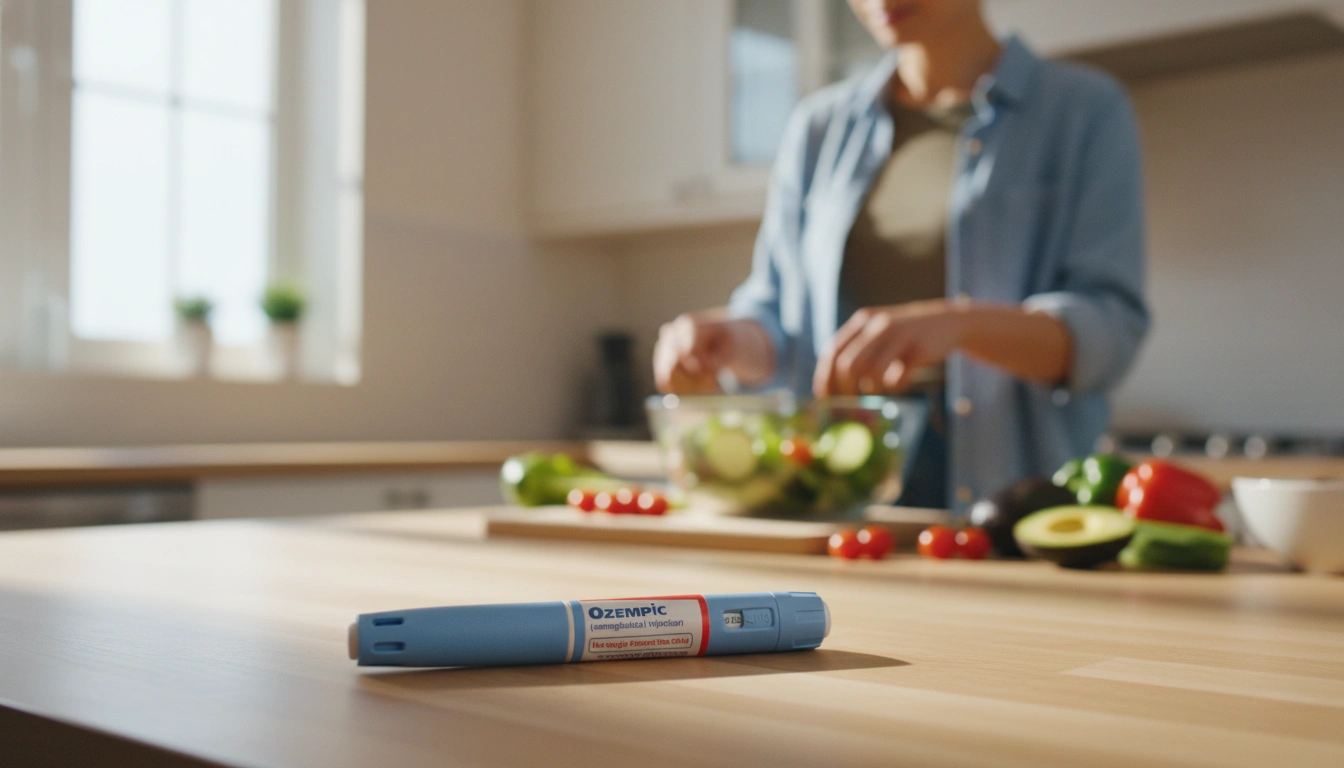
Ozempic is supplied in pre-filled, multidose pens containing a solution for subcutaneous injection. These pens come in different sizes (e.g., 1.5 mL and 3 mL), but the focus here is often on the pens designed to deliver doses up to 1 mg. Each pen features a dose selector that allows you to choose your prescribed dose, which is then displayed in a small window. As you turn the dose selector, you’ll hear and feel distinct “clicks.” These clicks are mechanical indicators that the pen is advancing through the medication, and a specific number of clicks corresponds to a particular volume of medication. The pen is engineered to deliver precise, pre-set doses as marked on the device itself.
Standard Doses and Their Corresponding Clicks in a 1mg Pen
When utilizing a 1mg Ozempic pen, which is engineered to administer up to 1mg weekly, understanding its operational mechanics becomes incredibly valuable. While the manufacturer’s primary intent is for users to select the pre-marked doses, some individuals explore the method of “click-counting” to achieve more granular adjustments, especially when considering doses like 0.50 mg in a 1mg pen of Ozempic.
For a 1mg Ozempic pen, which typically contains 72 clicks in total to deliver its maximum 1mg dose, the general understanding of click counts for standard doses is as follows:
- 0.25 mg: Corresponds to approximately 18 clicks.
- 0.50 mg: Corresponds to approximately 36 clicks.
- 1.00 mg: Corresponds to 72 clicks.
Beyond these standard increments, some discussions in patient communities and among those seeking very precise adjustments also refer to other fractional doses and their potential click counts within the 1mg pen, such as:
- 0.60 mg: Approximately 42 clicks.
- 0.71 mg: Approximately 51 clicks.
- 0.75 mg: Approximately 54 clicks.
- 0.81 mg: Approximately 58 clicks.
- 0.90 mg: Approximately 65 clicks.
However, it is critically important to understand a key distinction: Novo Nordisk, the manufacturer of Ozempic, has not evaluated or endorsed dosing by the number of clicks. They explicitly state that using unmarked doses could lead to product waste, inaccurate, or inconsistent dosing. The Australian Diabetes Educators Association (ADEA) has also issued warnings about the risks and potential dose errors associated with counting clicks, recommending against this method of administration as it does not follow manufacturer guidelines. This is a crucial piece of information for anyone considering such a method. The pen is designed to be used by selecting the clearly marked dose on the dose selector, not by counting audible clicks for unlisted doses.
The Allure of Microdosing: Why Some Consider “Click-Counting”
Despite the manufacturer’s clear stance against “click-counting” for precise dosing, the practice has gained traction among certain individuals using Ozempic. This pursuit of microdosing, often by meticulously tracking how many clicks for 0.50 mg in a 1mg pen of Ozempic or other fractional doses, stems from several understandable, albeit sometimes risky, motivations.
Navigating Supply Shortages
The intermittent supply shortages of GLP-1 medications, including Ozempic and Wegovy, have been a significant concern for many patients. When a specific dose or pen size becomes unavailable, individuals on higher maintenance doses face the daunting prospect of either going without their medication or reverting to a lower, starter dose, which can undo months of progress. In such scenarios, microdosing a larger pen to deliver a smaller, desired dose has emerged as a strategy to “stretch” existing medication or utilize readily available larger pens when smaller ones are scarce. Experts in obesity medicine acknowledge that during shortages, it is generally better for patients to remain on any dose they can obtain, rather than stopping the medication entirely, though this decision should always be made in consultation with a healthcare provider.
Potential for Cost Savings
For some, the cost of prescription weight loss medications can be a substantial barrier. It has been observed that the difference in retail price between, for example, a 2 mg Ozempic pen and an 8 mg Ozempic pen is not always proportionate to the amount of medication they contain. This economic reality leads some individuals to seek prescriptions for higher-capacity pens, with the intention of then counting clicks to administer smaller doses, effectively trying to get “more bang for their buck.” The logic is that if they can make a larger pen last longer by microdosing, they could reduce their overall medication expenses. However, this approach often conflicts with the medication’s stated shelf life; Ozempic pens are typically recommended to be discarded 56 days after the first use, regardless of remaining contents, which can negate any perceived cost savings if the pen is not fully utilized within that timeframe.
Minimizing Side Effects Through Gradual Titration
Ozempic can cause noticeable gastrointestinal side effects, including nausea, vomiting, and diarrhea. While not everyone experiences these, those who do often find them most severe during the transition to higher doses. The standard titration schedule involves significant jumps (e.g., from 0.25 mg to 0.5 mg, or 0.5 mg to 1 mg). For individuals particularly sensitive to these changes, microdosing offers a way to increase the dose by even smaller increments than the standard steps. For example, instead of immediately jumping from 0.5 mg (36 clicks) to 1 mg (72 clicks), a person might consider intermediate steps like 0.60 mg (42 clicks) or 0.75 mg (54 clicks) to find a sweet spot that manages side effects while still progressing towards a therapeutic dose. Some patients may even struggle with the standard starter dose, prompting them to attempt an even lower, sub-standard dose. This ultra-gradual approach, if done under medical guidance, could potentially enhance tolerability and adherence to treatment.
Maintaining Weight Loss Goals
After achieving significant weight loss, some individuals explore dialing down their Ozempic dose by small amounts. The motivations here can include attempting to maintain weight loss with the lowest effective dose, hoping to build up a small stockpile for future use, or even seeking a more “normal” appetite experience without compromising their hard-earned progress. This reflects a desire to transition from an active weight loss phase to a sustainable maintenance phase, often with an eye on long-term management and personal comfort. However, it is crucial to emphasize that any adjustment to medication dosage, especially for maintenance, should never be made without the explicit guidance and supervision of your prescribing provider. Unilaterally reducing the dose carries a significant risk of weight regain, undermining the very goals the medication was intended to achieve.
The Critical Importance of Medical Supervision and Precision Dosing
While the reasons for considering microdosing and unofficial “click-counting” methods for Ozempic may seem compelling, particularly for those trying to figure out how many clicks for 0.50 mg in a 1mg pen of Ozempic to adjust their dose, these practices carry significant risks. The cornerstone of safe and effective weight management with prescription medication remains comprehensive medical supervision and adherence to clinically proven dosing strategies.
Risks Associated with Unofficial Dosing Methods
The allure of precise control over one’s medication can be strong, but deviating from manufacturer guidelines and professional medical advice introduces several critical risks:
- Dose Inaccuracy: This is the most significant concern. As stated by Novo Nordisk, the dose received by counting clicks cannot be guaranteed. Pens are calibrated for specific marked doses. Manipulating the dose selector for unmarked increments can lead to variations in the actual amount of medication delivered. This inaccuracy can result in suboptimal therapeutic effects if the dose is too low, or an increased likelihood of experiencing uncomfortable and potentially severe side effects if the dose is inadvertently too high. Consistent, precise dosing is fundamental to the medication’s effectiveness and safety profile.
- Product Waste: Despite intentions to save money or extend a pen’s life, the reality of Ozempic’s shelf life can lead to waste. Once an Ozempic pen is opened and used for the first time, it has a limited shelf life, typically 56 days, regardless of the remaining medication. If a larger pen is acquired with the intent to microdose over an extended period, it’s highly probable that a substantial portion of the medication will remain unused and must be discarded after the 56-day window, negating any perceived cost savings.
- Adverse Events: Inconsistent or inaccurate dosing increases the risk of adverse events. Too little medication may mean ineffective treatment, while too much can exacerbate side effects like severe nausea, vomiting, or pancreatitis, potentially leading to emergency medical attention. These risks are amplified when dosing outside of established, medically supervised protocols.
- Lack of Manufacturer Support: Should an individual experience issues with their pen or medication, using an unapproved dosing method could complicate receiving support or claiming warranty from the manufacturer. Adhering to the approved usage instructions is crucial for product integrity and consumer protection.
The Role of Your Healthcare Provider
Your healthcare provider is your most valuable partner in your weight loss journey, particularly when involving prescription medications. Their expertise is indispensable for several reasons:
- Personalized Assessment: Only a qualified medical professional can conduct a thorough assessment of your overall health, medical history, existing conditions, and current medications. This comprehensive review is critical for determining if Ozempic or any other GLP-1 medication is appropriate for you, establishing the correct starting dose, and developing a safe and effective titration schedule tailored to your unique physiological needs and weight loss goals.
- Side Effect Management: Should you experience side effects, your provider is equipped to offer strategies for mitigation, adjust your prescription safely, or recommend alternative treatments. Attempting to manage side effects through self-adjusted microdosing without professional input can mask serious issues or lead to further complications.
- Compliance with Guidelines: Healthcare providers ensure that your treatment plan adheres to established medical practices, manufacturer guidelines, and regulatory standards. This compliance is not just about legality; it’s about patient safety and maximizing the potential for positive outcomes based on extensive clinical research.
- Holistic Support: Beyond medication, your provider can guide you on complementary lifestyle modifications, including nutrition, exercise, and behavioral changes, which are integral to sustainable weight loss. They serve as a consistent point of contact for ongoing support, monitoring your progress, and making necessary adjustments to your treatment plan over time.
Relying on medically supervised care ensures that your journey is not only effective but also safe, supported by evidence-based practices and professional guidance at every step.
Our Commitment to Safe, Personalized Weight Loss with TrimRx
At TrimRx, we understand that true weight loss success extends beyond simply taking a medication. It requires a holistic, supportive, and deeply personalized approach that prioritizes your health and long-term well-being. Our entire platform is built around this philosophy.
Our Journey and Values
Our journey at TrimRx began with a shared vision: to empower individuals to embrace healthier lifestyles through a synergistic blend of cutting-edge telehealth innovations and proven, effective weight loss solutions. We meticulously crafted our platform to be a user-friendly and exceptionally supportive space where you receive personalized, medically supervised care. Every aspect of our program is designed with one goal in mind: to make sustainable weight loss not just a possibility, but an attainable and deeply individualized reality. We firmly believe that the path to lasting weight loss must be paved with sound science, profound empathy, and unwavering transparency.
The TrimRx Difference: Empathetic, Innovative, Trustworthy Care
Our brand essence is defined by its empathetic, innovative, trustworthy, supportive, results-oriented, and profoundly personalized nature. We are committed to delivering compassionate care that profoundly respects every individual’s unique journey. This commitment is realized by seamlessly combining advanced medical science with the convenience of modern technology. Our dedication to transparent service means that our approach remains consistent and clear, irrespective of dosage changes, ensuring you always know what to expect. Furthermore, our unwavering focus on safety is demonstrated by our exclusive partnerships with FDA-registered and inspected pharmacies for the shipping of all weight loss medications. It is important to clarify that while we facilitate access to medical care and medication, TrimRx partners with these pharmacies for the shipping of weight loss medications and does not provide actual medical supervision itself. The medical supervision is provided by the licensed healthcare professionals within our network.
Our Personalized Approach to Weight Loss Medications
We offer access to a comprehensive spectrum of clinically proven prescription medications, including [Compounded Semaglutide], [Oral Semaglutide], [Ozempic®], [Compounded Tirzepatide], [Oral Tirzepatide], [Mounjaro®], [Zepbound®], and [Wegovy®]. These powerful tools are integral to our personalized programs. We want to be very clear: these medications are provided exclusively through FDA-registered, inspected, and approved pharmacies, ensuring the highest standards of safety, quality, and regulatory compliance for your treatment. For branded medications such as Ozempic® and Zepbound®, we proudly acknowledge their FDA approval, highlighting their rigorous testing and proven efficacy.
To ensure you receive the most appropriate and effective treatment plan, we encourage you to [take our free assessment quiz]. This quick, confidential evaluation helps our affiliated healthcare providers determine your eligibility and craft a treatment strategy that is perfectly aligned with your health profile and weight loss aspirations. Our comprehensive service is designed to be all-encompassing, ensuring your peace of mind. It includes vital doctor consultations, the prescribed medication itself, necessary lab work to monitor your progress and health, unlimited support from your care team, and convenient shipping directly to your door – all without any hidden fees. This means clarity and support at every step of your journey.
Supporting Your Journey with Quick-Access Supplements
Beyond the scope of prescription medications, we recognize and value the importance of holistic support for your overall well-being. That’s why, in addition to our personalized prescription programs, we offer a range of quick-access supplements designed to complement your weight loss journey and support general wellness. For immediate support and to enhance your daily regimen, consider our [GLP-1 Daily Support] and [Weight Loss Boost]. These thoughtfully formulated supplements are readily available for immediate purchase, without the requirement of a quiz or consultation, offering you flexible options to support your health goals right away. They are excellent additions to support overall wellness and can be seamlessly integrated into your daily routine.
Embracing a Holistic and Sustainable Path to Weight Loss
While medications like Ozempic, available through our personalized programs, can be transformative tools in your weight loss journey, they are most effective when integrated into a broader, holistic strategy. Sustainable weight loss is not merely about a single solution; it’s about fostering lasting lifestyle changes and a commitment to overall well-being.
Beyond the Dose: Lifestyle and Behavioral Changes
Medication serves as a powerful facilitator, helping to regulate appetite, enhance satiety, and manage blood sugar. However, it is not a magic bullet. True, sustainable success hinges on combining medication with fundamental lifestyle and behavioral modifications. This includes:
- Nutritional Optimization: Focusing on a balanced diet rich in whole foods, lean proteins, healthy fats, and complex carbohydrates. Understanding portion control and making conscious food choices are critical.
- Regular Physical Activity: Incorporating a consistent exercise routine that balances cardiovascular activity with strength training helps improve metabolism, build muscle mass, and enhance mood.
- Adequate Sleep: Prioritizing 7-9 hours of quality sleep per night is crucial for hormonal balance, appetite regulation, and overall recovery.
- Stress Management: Developing effective strategies to manage stress, such as mindfulness, meditation, or hobbies, can prevent emotional eating and support mental well-being.
- Building Support Systems: Engaging with a community, family, or professional support network can provide encouragement, accountability, and practical advice, reinforcing positive habits.
These elements work synergistically with medication to create a powerful foundation for long-term health.
Long-Term Health and Well-being
Our focus at TrimRx extends beyond just the numbers on a scale. We believe in nurturing a journey towards improved overall health and sustained well-being. Weight loss, in this context, becomes a significant milestone on a broader path to a healthier life, marked by increased energy, reduced health risks, and enhanced quality of life. Regular check-ins with your healthcare provider, ongoing monitoring, and the flexibility to adjust your treatment plan—whether medication or lifestyle—are vital for navigating the evolving nature of your health journey. This adaptive and continuous approach ensures that your weight management strategy remains effective, safe, and aligned with your long-term health objectives.
Conclusion
Navigating the complexities of medication like Ozempic, including specific inquiries such as how many clicks for 0.50 mg in a 1mg pen of Ozempic, highlights the understandable desire for precise control and personalized care in your weight loss journey. We’ve explored the mechanical aspects of the Ozempic pen, the standard titration schedules designed for safety, and the reasons why some individuals consider “click-counting” for microdosing—from managing shortages and costs to mitigating side effects. However, we’ve also critically emphasized the substantial risks associated with unofficial dosing methods, particularly the potential for dose inaccuracy and adverse events, and reiterated the manufacturer’s stance against such practices.
The overarching message is clear: while understanding the tools at your disposal is valuable, true success and safety in weight management with prescription medication are rooted in personalized, medically supervised care. This ensures that your treatment plan is not only effective but also aligned with established medical guidelines and tailored to your unique health profile.
Your weight loss journey deserves expert guidance and a comprehensive, supportive approach. We encourage you to explore a path that prioritizes your safety and long-term health. To discover if you qualify for our personalized prescription weight loss medications and to receive a plan meticulously crafted for you by a healthcare professional, we invite you to [take our free assessment quiz]. If you are seeking immediate support to complement your wellness journey, consider exploring our effective [GLP-1 Daily Support] and [Weight Loss Boost] supplements. With TrimRx, you gain a partner dedicated to empowering you to make informed, safe, and sustainable choices for your health and well-being.
Frequently Asked Questions (FAQ)
Is click-counting for Ozempic doses recommended by the manufacturer?
No, Novo Nordisk, the manufacturer of Ozempic, does not recommend or evaluate dosing by the number of clicks. They explicitly state that using unmarked doses, which would be necessary for click-counting, could lead to product waste, inaccurate, or inconsistent dosing. They advise using only the marked doses on the pen.
Why do some people still consider using the click-counting method?
Individuals consider click-counting for several reasons, including navigating medication shortages, seeking perceived cost savings by attempting to stretch a larger pen, and trying to mitigate gastrointestinal side effects by making even more gradual dose increases than the standard titration schedule allows.
What are the main risks of using the click-counting method for Ozempic?
The primary risks include dose inaccuracy, which can lead to suboptimal treatment effects or an increased likelihood of side effects due to either underdosing or overdosing. There is also a risk of product waste because the medication in the pen typically expires 56 days after the first use, regardless of the amount remaining. Additionally, using unapproved administration methods may affect manufacturer support.
How can TrimRx help ensure safe and effective Ozempic dosing?
At TrimRx, we connect you with licensed healthcare providers who offer personalized, medically supervised care. Our comprehensive service includes essential doctor consultations, necessary lab work, and access to prescription medications from FDA-registered and inspected pharmacies. This ensures that your dosing schedule, whether for FDA-approved branded medications like Ozempic® or compounded alternatives, is safe, effective, and precisely tailored to your unique needs under professional guidance. We also offer unlimited support and transparent service throughout your weight loss journey.

Transforming Lives, One Step at a Time
Keep reading

Does Ozempic Affect Sleep: What Patients Experience
Sleep changes on Ozempic catch a lot of patients off guard. You might expect nausea or reduced appetite, but disrupted rest isn’t something most…

Ozempic While Sick: Managing Colds, Flu, and Illness
Getting sick while on Ozempic raises questions that don’t always have obvious answers. Should you take your dose as usual? What happens if you…

Ozempic and Gas: Why It Happens and How to Manage It
Gas is one of those Ozempic side effects that people don’t always bring up with their doctor but absolutely notice. Excess flatulence, bloating, and…


