Optimizing Your Plate: What to Limit While on Ozempic for a Smoother Journey
Introduction
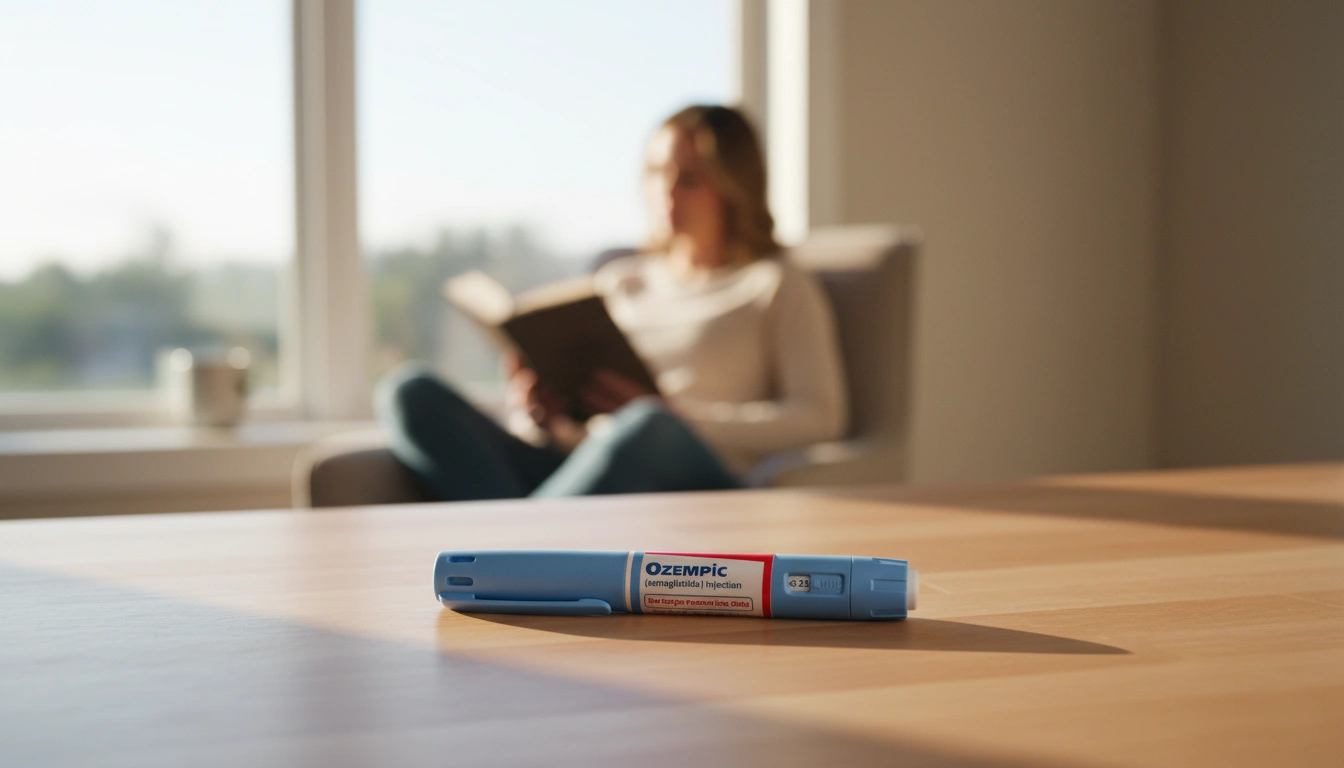
Embarking on a weight loss journey can often feel like navigating a complex landscape, filled with questions about what strategies will truly lead to lasting change. For many, the advent of GLP-1 medications like Ozempic® (semaglutide) has opened a new pathway, offering powerful support in managing weight and improving metabolic health. These medications work by influencing satiety and slowing gastric emptying, fundamentally shifting how our bodies process food and signal fullness. Yet, for this powerful tool to truly thrive, it must be paired with thoughtful dietary choices. The effectiveness of any medication is always enhanced when supported by a lifestyle that aligns with its mechanisms.
The conversation around these medications often focuses on their profound impact on appetite and weight, but a critical, often overlooked, aspect is the role of diet. What we choose to put on our plates can significantly influence not only the medication’s efficacy but also our comfort and overall well-being throughout the treatment period. Understanding these dietary nuances is not about imposing strict, joyless restrictions, but rather about making informed decisions that support our health goals and minimize potential side effects.
At TrimRx, we understand that every individual’s journey is unique, and our commitment is to provide personalized, medically supervised care that integrates seamlessly with your life. Our journey began with a shared vision to help individuals embrace healthier lifestyles by merging cutting-edge telehealth innovations with effective weight loss solutions. We believe that sustainable weight loss should be achieved through science, empathy, and a transparent approach. This means equipping you with the knowledge and tools to optimize every aspect of your weight loss plan, including your diet.
This comprehensive guide is designed to illuminate the specific dietary considerations while on Ozempic, detailing which foods might hinder your progress or exacerbate common side effects, and, conversely, which foods will nourish your body and support your success. We will explore the science behind these recommendations, offering practical advice and empowering you to make choices that align with your health and comfort. By the end of this post, you’ll have a clearer understanding of how to tailor your eating habits to maximize the benefits of your medication and enjoy a smoother, more effective weight loss experience.
The Foundation of GLP-1 Medications: How They Reshape Your Relationship with Food
Before diving into specific dietary recommendations, it’s essential to grasp how GLP-1 receptor agonists, such as the semaglutide found in Ozempic®, interact with your body. These medications mimic a natural hormone called Glucagon-Like Peptide-1 (GLP-1), which plays a crucial role in regulating blood sugar and appetite. This fundamental understanding forms the bedrock of our dietary approach at TrimRx, guiding our personalized weight loss programs.
Understanding the Mechanisms of Action
Ozempic primarily works through several key pathways:
- Slowing Gastric Emptying: This is perhaps the most significant mechanism impacting dietary choices. GLP-1 medications reduce the speed at which food leaves your stomach. This means you feel fuller for longer periods after eating, naturally reducing overall food intake. However, this also means that certain foods, particularly those that are already slow to digest, can linger even longer, potentially causing discomfort.
- Increasing Satiety Signals: The medication acts on the brain to enhance feelings of fullness and reduce appetite. Many individuals report a significant reduction in “food noise”—the constant thoughts about eating that can sabotage weight loss efforts. This mental shift empowers healthier food choices.
- Regulating Blood Sugar: For individuals with type 2 diabetes, Ozempic helps the pancreas release more insulin when blood sugar levels are high, and reduces the amount of glucose produced by the liver. This helps stabilize blood sugar, which is beneficial for weight management and overall metabolic health.
These combined effects mean that while you might be eating less, the quality of what you eat becomes even more critical. Each bite needs to be nutrient-dense to ensure your body receives the necessary vitamins, minerals, and macronutrients, even with a reduced caloric intake. This emphasis on nutritional quality is a cornerstone of our philosophy at TrimRx, where we combine advanced medical science with modern technology to provide compassionate care.
General Dietary Principles: Building a Balanced Plate
Regardless of medication, a balanced diet remains the cornerstone of good health and sustainable weight management. When using a GLP-1 medication like Ozempic, prioritizing nutrient-dense foods becomes even more paramount. We at TrimRx advocate for a holistic approach, where medication acts as a powerful tool, supported by thoughtful nutrition and lifestyle adjustments.
Emphasizing Whole Foods
Our recommendation is to build your meals around whole, unprocessed foods. Think about ingredients that would have been recognizable to your grandparents – fresh vegetables, fruits, lean proteins, and whole grains. These foods provide essential fiber, vitamins, and minerals without the added sugars, unhealthy fats, and artificial ingredients often found in highly processed items.
- Lean Proteins: Crucial for satiety and preserving muscle mass, which is vital during weight loss. Examples include fish, poultry, tofu, lentils, beans, and eggs (in moderation).
- Abundant Vegetables: Incorporate a wide variety of colorful vegetables into every meal. They are packed with fiber and nutrients, low in calories, and help keep you full.
- Whole Fruits: While fruit contains natural sugars, whole fruits also provide fiber, which helps moderate sugar absorption. Berries, apples, and citrus fruits are excellent choices. We generally recommend moderation, perhaps two servings per day, treating them as a healthy snack or dessert.
- Complex Carbohydrates/Whole Grains: Opt for oats, quinoa, brown rice, and other whole grains over refined carbohydrates. Their fiber content aids digestion and provides sustained energy, preventing blood sugar spikes.
- Healthy Fats: Include sources like avocados, nuts, seeds, and olive oil in moderation. These provide essential fatty acids and contribute to satiety.
The Role of Hydration
Staying adequately hydrated is fundamental. Water not only helps curb hunger but is essential for countless bodily functions, including aiding digestion and nutrient absorption. Dehydration can also exacerbate side effects like constipation. Aim for at least 64 ounces of water daily, and consider herbal teas as a sugar-free alternative. We emphasize comprehensive care, which includes these fundamental elements of well-being, as part of our commitment to your health journey. To explore how our personalized plans can integrate these principles, we encourage you to [take our free assessment quiz].
What to Limit While on Ozempic: Reducing Side Effects and Enhancing Results
While there are no foods that are strictly “forbidden” when taking Ozempic, being mindful of certain food groups can significantly improve your comfort and the effectiveness of your weight loss journey. The primary goal is to minimize gastrointestinal side effects—the most common discomforts associated with GLP-1 medications—and to support healthy weight loss by avoiding foods that work against the medication’s benefits. Our transparent approach means highlighting these considerations so you can make informed choices.
High-Fat and Greasy Foods
This category often tops the list of foods to approach with caution. Due to Ozempic’s effect of slowing gastric emptying, foods that are already slow to digest, like those high in fat, will remain in your stomach for an extended period. This can lead to significant discomfort.
Why High-Fat Foods Are Problematic:
- Exacerbated Nausea and Vomiting: Fatty foods like fried chicken, pizza, burgers, french fries, and doughnuts can sit in your stomach for much longer than usual, leading to intense nausea, indigestion, and potentially vomiting.
- Heartburn and Acid Reflux: The prolonged presence of food in the stomach, especially fatty varieties, can increase acid production and the likelihood of stomach acid backing up into the esophagus, causing heartburn.
- Bloating and Abdominal Discomfort: Slowed digestion combined with rich, fatty meals often results in a feeling of uncomfortable fullness, bloating, and general abdominal pain.
Practical Advice:
- Choose leaner cuts of meat and prepare them by baking, grilling, or broiling instead of frying.
- Opt for low-fat dairy products over full-fat versions, such as skim milk, low-fat yogurt, and reduced-fat cheeses.
- Be cautious with rich sauces, gravies, and creamy dressings.
- Consider our [GLP-1 Daily Support] supplement, formulated to assist with digestive comfort during your journey.
Foods and Drinks with Added Sugars and Refined Carbohydrates
These items can counteract the metabolic benefits of Ozempic and may also contribute to uncomfortable side effects.
Why Sugary and Refined Foods Are Problematic:
- Blood Sugar Spikes: Ozempic helps regulate blood sugar, but consuming foods high in added sugars (like soft drinks, fruit juices with added sugar, candies, cakes, and many breakfast cereals) can cause rapid glucose spikes. This can challenge your body’s ability to maintain stable blood sugar levels, potentially undermining your weight loss efforts.
- Empty Calories: These foods often provide little to no nutritional value, offering “empty calories” that don’t contribute to satiety or nutrient intake, which is counterproductive when your appetite is reduced.
- Gastrointestinal Upset: Very sweet foods and drinks can also trigger nausea, bloating, and other digestive discomforts for some individuals, especially when combined with slowed gastric emptying.
Practical Advice:
- Prioritize whole fruits for sweetness and fiber.
- Read food labels carefully to identify hidden sugars in seemingly healthy products.
- Choose water, herbal tea, or unsweetened beverages over sugary drinks. Even diet sodas, while calorie-free, may not provide nutritional benefits and some research suggests they could impact appetite or metabolic health in complex ways, so moderation is key.
- Opt for whole grains (oats, brown rice, quinoa) over refined grains (white bread, white pasta, crackers) to benefit from fiber and more stable blood sugar.
Spicy Foods
While beloved by many, spicy foods can be particularly irritating to the digestive tract, especially when digestion is already slowed by medication.
Why Spicy Foods Are Problematic:
- Heartburn and Reflux: Spicy ingredients can relax the lower esophageal sphincter, allowing stomach acid to reflux into the esophagus, leading to heartburn. This effect can be amplified when food is lingering in the stomach.
- Increased Nausea and Abdominal Pain: For some, the capsaicin in spicy foods can directly irritate the stomach lining, intensifying feelings of nausea or abdominal discomfort.
Practical Advice:
- If you’re prone to acid reflux or experience nausea, consider reducing or eliminating spicy foods, particularly during the initial phases of your treatment or after a dose increase.
- Introduce mild spices gradually to see how your body reacts.
Alcohol
The interaction between alcohol and GLP-1 medications is multifaceted and warrants caution.
Why Alcohol Is Problematic:
- Exacerbated GI Side Effects: Both alcohol and Ozempic can cause nausea, vomiting, and other digestive issues. Combining them can intensify these side effects.
- Dehydration: Alcohol is a diuretic and can contribute to dehydration, which can worsen symptoms like constipation and overall fatigue, especially if you’re already experiencing fluid loss from other GI side effects.
- Blood Sugar Fluctuations: Alcohol can lower blood sugar levels, particularly for individuals with diabetes, by inhibiting the liver’s ability to release glucose. When combined with Ozempic, which also helps lower blood sugar, this can potentially lead to dangerously low blood sugar (hypoglycemia).
- Empty Calories: Alcohol provides calories without nutritional benefits, which can detract from weight loss goals.
Practical Advice:
- If you choose to drink alcohol, do so in very strict moderation (e.g., one drink per day for women, two for men, or less).
- Be aware that you may feel the effects of alcohol more intensely due to slowed gastric emptying.
- Always stay well-hydrated with water when consuming alcohol.
- Discuss alcohol consumption with your healthcare provider to understand individual risks, particularly if you have diabetes or other health conditions.
Caffeine
While coffee itself isn’t directly contraindicated with Ozempic, its effects on some individuals’ digestive systems, combined with potential added sugars and fats, warrant consideration.
Why Caffeine Can Be Problematic:
- Increased GI Upset: For some people, caffeine can stimulate stomach acid secretion and gastrointestinal muscle contractions, potentially leading to upset stomach, gurgling, cramping, or diarrhea. These symptoms could be exacerbated by Ozempic.
- Sugary/Fatty Additions: Many popular coffee drinks are laden with added sugars, syrups, whipped cream, and full-fat milk, turning a simple beverage into a high-calorie, high-sugar, and high-fat indulgence that should be limited.
Practical Advice:
- Listen to your body. If coffee or other caffeinated beverages cause or worsen your GI symptoms, consider reducing your intake or switching to decaffeinated options.
- Opt for black coffee or coffee with a splash of low-fat milk and no added sugar to avoid unnecessary calories and potential digestive irritants.
High FODMAP Foods (If Experiencing Specific Symptoms)
For individuals experiencing significant diarrhea, bloating, or abdominal pain, temporarily limiting certain high FODMAP (Fermentable Oligosaccharides, Disaccharides, Monosaccharides, and Polyols) foods might provide relief. This is a targeted approach, not a general recommendation for everyone on Ozempic.
Why High FODMAP Foods Might Be Problematic for Some:
- These carbohydrates are poorly absorbed in the small intestine and can ferment in the large intestine, leading to gas, bloating, and altered bowel movements, which could worsen pre-existing GI issues exacerbated by Ozempic.
Examples of High FODMAP Foods to Consider Limiting Temporarily (if advised by a professional):
- Cruciferous vegetables (broccoli, Brussels sprouts, cabbage)
- Legumes (beans, lentils)
- Certain fruits (apples, peaches, pears)
- Wheat products
- Some dairy products
Practical Advice:
- This is a specialized dietary adjustment, and it’s best to consult with a dietitian or your healthcare provider before implementing a low FODMAP diet. It’s usually a temporary measure to identify trigger foods.
- Focus on getting fiber from well-tolerated sources like oats, quinoa, and certain vegetables and fruits.
Large Portions
Ozempic’s primary mechanism of action is to make you feel fuller faster and for longer. Attempting to eat the same large portion sizes you were accustomed to before starting medication can lead to significant discomfort.
Why Large Portions Are Problematic:
- Overwhelming the System: Even if the food choices are healthy, eating too much can overwhelm a digestive system that is already operating at a slower pace, leading to nausea, bloating, and indigestion.
- Reduced Effectiveness: Forcing yourself to eat large portions can counteract the medication’s intended effect of reducing appetite and overall caloric intake.
Practical Advice:
- Listen to your body’s new hunger and fullness cues. Eat until you are satisfied, not stuffed.
- Practice mindful eating: eat slowly, savor your food, and pay attention to how your body feels.
- Consider using smaller plates to help manage portion sizes visually.
- Eating smaller, more frequent meals throughout the day can also be beneficial, providing a steady supply of nutrients without overwhelming your digestive system.
Maximizing Your Journey with TrimRx: Support and Personalized Care
Navigating dietary changes alongside a new medication can feel overwhelming, but you don’t have to do it alone. At TrimRx, we are committed to being your partner, offering a supportive and comprehensive approach to weight loss. Our platform is a user-friendly and supportive space where individuals receive personalized, medically supervised care—all designed to make sustainable weight loss attainable and tailored to the individual.
Our Personalized Weight Loss Program
Our core offering includes prescription medications like Ozempic® (semaglutide) and Zepbound® (tirzepatide), which are FDA-approved for weight management, as well as compounded Semaglutide, Oral Semaglutide, Compounded Tirzepatide, Oral Tirzepatide, Mounjaro®, and Wegovy®. These powerful tools are just one part of a holistic strategy.
To ensure these medications are right for you, we invite you to [take our free assessment quiz]. This quiz helps us understand your unique health profile and determine your eligibility, allowing our medical professionals to craft a personalized treatment plan specifically for you. Our comprehensive service includes doctor consultations, necessary lab work, the medication itself (shipped from FDA-registered and inspected pharmacies, with branded medications being FDA-approved), unlimited support, and shipping—all with no hidden fees. We maintain a commitment to transparent service, ensuring our approach remains consistent regardless of dosage changes. It’s important to understand that TrimRx partners with these FDA-registered and inspected pharmacies for the shipping of weight loss medications and does not provide actual medical supervision; medical supervision is provided by licensed healthcare professionals within our network.
Quick-Access Supplements for Enhanced Wellness
Beyond prescription medications, we offer quick-access supplements designed to support your overall wellness during your weight loss journey, available without requiring the assessment quiz.
- [GLP-1 Daily Support]: This supplement is crafted to complement the effects of GLP-1 medications by providing targeted nutrients that support digestive health and overall well-being. It’s an excellent way to support your body’s transition and help manage common discomforts.
- [Weight Loss Boost]: For those looking for an additional edge, our Weight Loss Boost supplement is designed to support metabolic health and energy levels, contributing to a more effective and comfortable weight loss experience.
These supplements reflect our empathetic, innovative, trustworthy, supportive, results-oriented, and personalized brand personality. We combine advanced medical science with modern technology to deliver compassionate care that respects every individual’s unique journey.
The Importance of Professional Guidance
While this guide provides valuable information, it is not a substitute for professional medical advice. Working with a doctor or a registered dietitian is crucial for developing a diet plan that is tailored to your specific needs, health conditions, and responses to medication. Our program integrates these consultations, ensuring you receive expert guidance every step of the way. They can help you identify any specific food sensitivities, adjust your diet if you experience persistent side effects, and ensure you are getting adequate nutrition.
Remember, sustainable weight loss is a journey of lifestyle transformation. Medication is a powerful catalyst, but consistent healthy eating habits, regular physical activity, adequate hydration, and continuous support are the pillars of long-term success. We are here to provide that robust framework, guiding you toward a healthier, more vibrant life.
Conclusion
Embarking on a weight loss journey with medications like Ozempic offers a promising path, and understanding the nuances of your diet is a powerful step towards maximizing your success. While no foods are strictly off-limits, the mindful limitation of high-fat, sugary, spicy, and alcoholic items can significantly reduce discomfort and enhance the medication’s efficacy. By prioritizing nutrient-dense whole foods and listening attentively to your body’s new signals, you can transform your relationship with food into one that supports your health goals and promotes overall well-being.
At TrimRx, we believe in empowering you with both effective medical solutions and the knowledge to make informed, sustainable lifestyle choices. Our commitment to safe, effective weight loss and individualized care is woven into every aspect of our offerings. Whether through our personalized, medically supervised weight loss programs—which you can explore by taking our [free assessment quiz]—or our quick-access supplements like [GLP-1 Daily Support] and [Weight Loss Boost], we are dedicated to supporting you at every turn.
Your journey to a healthier lifestyle is a partnership, and we are honored to walk alongside you. With science, empathy, and transparency as our guiding principles, we provide a supportive environment where personalized care leads to lasting results. Embrace the power of informed choices, and let us help you build a foundation for sustained health and vitality.
Frequently Asked Questions
What are the best foods to eat with Ozempic to help avoid nausea?
To help reduce nausea while taking Ozempic, focus on bland, easy-to-digest foods. Good options include dry foods like toast, crackers, or plain breadsticks, clear broths, cold foods such as non-fat yogurt or gelatin, and simple carbohydrates like rice, noodles, or mashed/baked potatoes. Lean protein sources like poached chicken or eggs, and fruits like bananas and applesauce, can also be helpful. Eating smaller portions more frequently and avoiding strong-smelling, high-fat, or very spicy/sweet foods can further alleviate nausea.
Can I drink coffee while taking Ozempic?
Yes, it is generally safe to drink coffee while on Ozempic, as there are no known direct interactions between the medication and caffeine. However, some individuals may find that caffeine can exacerbate gastrointestinal side effects like stomach upset, cramping, or diarrhea due to its effect on stomach acid secretion and gut motility. If you experience such symptoms, consider reducing your coffee intake or opting for decaffeinated versions. It’s also wise to avoid adding excessive sugar, cream, or flavored syrups to your coffee to keep it aligned with a healthy, balanced diet.
Is it okay to eat fruit and cheese while on Ozempic?
Yes, both fruit and cheese can be part of a balanced diet while using Ozempic, with some considerations. For fruit, prioritize whole, fresh fruits as they provide essential vitamins, minerals, and fiber, which helps manage blood sugar. Aim for a moderate intake, perhaps treating them as a snack. For cheese, opt for low-fat or reduced-fat varieties, as many cheeses can be high in saturated fat. High-fat dairy products can slow digestion further and potentially lead to increased nausea or discomfort. Listening to your body’s response to these foods is key.
How can I make sure I’m getting enough nutrients if my appetite is reduced on Ozempic?
With Ozempic reducing your appetite, focusing on nutrient density is crucial. Prioritize lean proteins (fish, chicken, tofu, beans) to preserve muscle mass and maintain satiety. Fill your plate with a wide variety of vegetables and whole grains for fiber, vitamins, and minerals. Healthy fats from sources like avocado or olive oil can also provide essential nutrients. Eating smaller, more frequent meals can help you consume adequate nutrients without feeling overwhelmed. Our [GLP-1 Daily Support] supplement can also provide targeted nutritional support, and our personalized programs include professional guidance to ensure you meet your dietary needs.

Transforming Lives, One Step at a Time
Keep reading

What to Do If Your Ozempic Pen Malfunctions
You’ve set aside time for your weekly injection, you pick up the pen, and something isn’t right. Maybe the dose button won’t push down,…

Ozempic and Water Retention: What Patients Notice
Water retention on Ozempic sits in a confusing middle ground. Some patients notice puffiness or swelling, particularly in the hands, feet, or ankles, while…
Ozempic and Heartburn: Managing Acid Reflux on GLP-1
Heartburn on Ozempic tends to surprise people. You’re eating less, your meals are smaller, and yet you’re experiencing more acid reflux than before. It…


