Optimizing Your Progress: When Should Zepbound Dose Be Increased?
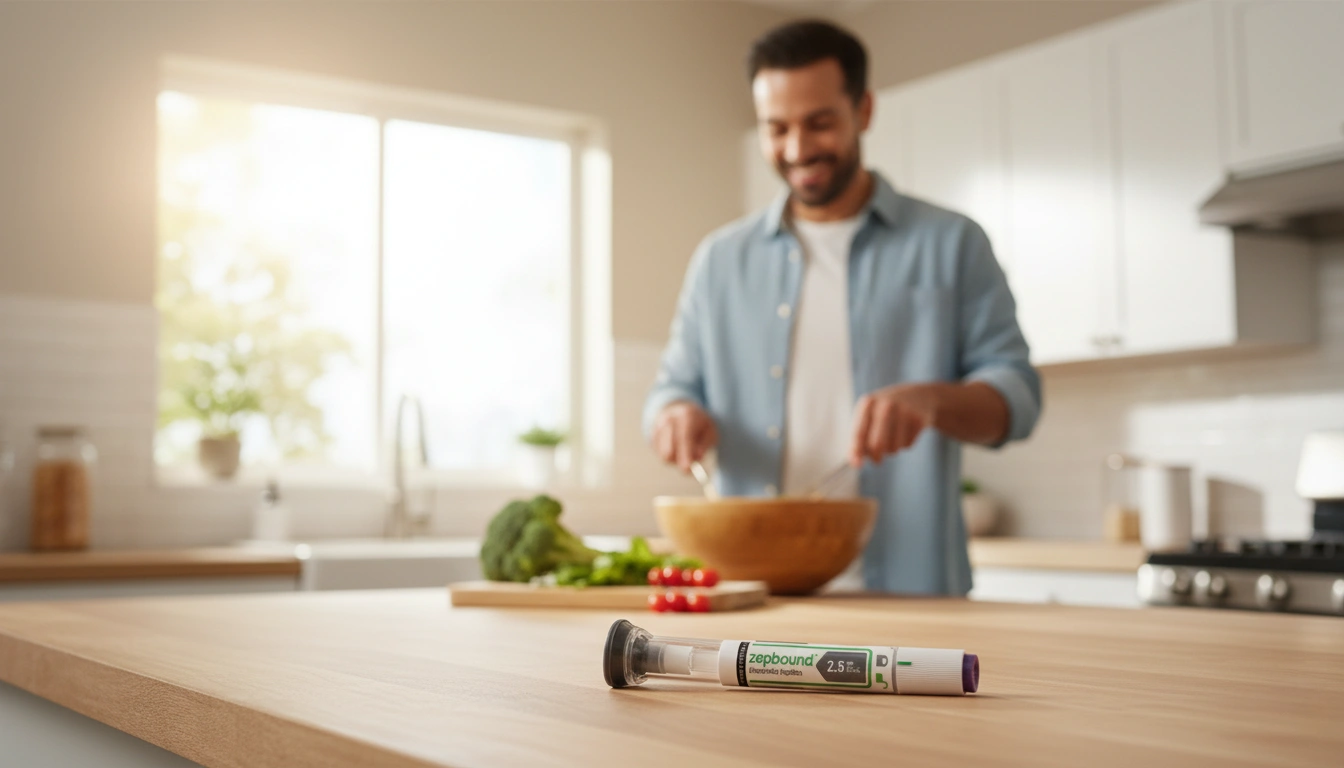
Introduction
Embarking on a weight management journey often brings a mix of hope and questions. For many individuals navigating the complexities of weight loss, a prescription medication like Zepbound (tirzepatide) can represent a significant step forward. However, understanding how to best utilize such powerful tools, particularly regarding dosage adjustments, is crucial for both safety and effectiveness. It’s not simply a matter of taking a pill; it’s about a carefully orchestrated, personalized process guided by medical expertise.
Our mission at TrimRx began with a shared vision: to help individuals embrace healthier lifestyles by merging cutting-edge telehealth innovations with effective weight loss solutions. We understand that sustainable weight loss should be achieved through science, empathy, and a transparent approach. This philosophy extends to every aspect of your treatment, including the precise titration of medications like Zepbound. This article will demystify the process of Zepbound dosage adjustments, providing a clear roadmap for when and why your dose might need to change. We will delve into the clinical rationale, discuss the importance of individual response and tolerability, and highlight how a medically supervised program ensures your journey is both safe and effective. By the end, you’ll have a comprehensive understanding of what to expect and how our personalized approach at TrimRx can support your long-term success.
Understanding Zepbound and Its Mechanism for Weight Management
Zepbound, with its active ingredient tirzepatide, marks a significant advancement in the landscape of weight management. It is a prescription medication specifically FDA-approved to help with weight management in adults who are living with obesity, or those who are overweight and have at least one weight-related condition such as high blood pressure, type 2 diabetes, or obstructive sleep apnea. Furthermore, it is also indicated for the treatment of moderate to severe obstructive sleep apnea in adults who also have obesity. This medication is designed to be used in conjunction with a reduced-calorie diet and increased physical activity, forming a comprehensive strategy for sustainable weight loss and improved health outcomes.
The power of Zepbound lies in its unique mechanism as a dual glucose-dependent insulinotropic polypeptide (GIP) and glucagon-like peptide-1 (GLP-1) receptor agonist. This means it mimics the action of two natural hormones, GIP and GLP-1, which play pivotal roles in regulating appetite, food intake, and metabolism. By activating both these receptors, tirzepatide delivers a multi-faceted approach to weight loss. It helps to slow gastric emptying, which can lead to a prolonged feeling of fullness, reducing overall calorie intake. It also acts on the brain to decrease appetite and food cravings, making it easier for individuals to adhere to a reduced-calorie diet. Moreover, its influence on metabolic pathways can contribute to better blood sugar control, which is often a critical factor in weight management for those with co-occurring conditions.
It’s important to recognize that while Zepbound offers a robust scientific basis for weight loss, its effectiveness is deeply intertwined with individualized care. Each person’s body responds differently to medication due to unique metabolic profiles, genetic factors, lifestyle, and existing health conditions. This variability underscores why a one-size-fits-all approach is rarely effective in weight management. At TrimRx, we believe in a highly personalized strategy, beginning with a thorough assessment to understand your specific needs and health profile. Our expert medical team evaluates your eligibility for prescription medications like Zepbound, ensuring that any treatment plan is perfectly tailored to your unique circumstances. To discover if Zepbound or another prescription medication is suitable for your journey, we encourage you to take our free assessment quiz. This initial step is designed to connect you with a personalized, medically supervised pathway towards achieving your health goals.
The Zepbound Dosing Journey: A Step-by-Step Approach
The journey with Zepbound typically begins with a carefully structured dosing schedule, designed to maximize efficacy while minimizing potential side effects. This gradual escalation, known as titration, is a cornerstone of safe and effective treatment with this type of medication. Understanding this step-by-step process is vital for anyone considering or currently using Zepbound as part of their weight management plan.
Starting Your Zepbound Treatment: The Initial Phase
Every Zepbound journey commences with a recommended starting dose of 2.5 mg injected once weekly. This initial dose is not intended as a long-term maintenance dose but rather serves as an introductory phase. The primary purpose of beginning with a lower dose is to allow your body to gradually adjust to the medication. This approach is crucial for mitigating common gastrointestinal side effects, such as nausea, diarrhea, vomiting, and constipation, which can sometimes occur as the body adapts to tirzepatide. By starting low, your healthcare provider aims to enhance your tolerability and ensure a smoother transition into treatment. You will typically remain on this 2.5 mg dose for at least four weeks before any adjustments are considered.
Gradual Dose Escalation: Finding Your Optimal Level
Following the initial four-week period at 2.5 mg, your healthcare provider will assess your progress and tolerability. If you are responding well to the medication and experiencing manageable side effects, the dose will generally be increased to 5 mg once weekly. This incremental increase is a standard part of the Zepbound treatment protocol.
The dose escalation continues in 2.5 mg increments, always after a minimum of four weeks on the current dose. This means that if you progress to 5 mg, you will typically remain on that dose for at least another four weeks before potentially moving to 7.5 mg, and so on. Zepbound is available in a range of strengths to accommodate this titration process: 2.5 mg, 5 mg, 7.5 mg, 10 mg, 12.5 mg, and 15 mg.
This systematic increase is critical for several reasons:
- Adaptation: It allows your body more time to adapt to increasing levels of the medication, further reducing the likelihood and severity of side effects.
- Monitoring Response: It provides your healthcare provider with ample opportunity to monitor your clinical response, assessing how effectively the medication is contributing to your weight loss goals.
- Personalization: It ensures that your individual treatment plan is optimized. Not every person will need or tolerate the maximum dose to achieve significant results.
The maximum recommended dose for Zepbound is 15 mg once weekly. Your healthcare provider’s goal is to help you reach a maintenance dose that is both effective for your weight reduction and long-term maintenance, and well-tolerated, minimizing any discomfort.
The Importance of Medical Supervision
Throughout this entire dosing journey, close medical supervision is paramount. The decision to increase a dose, or to maintain a current one, is always made by a licensed medical professional based on a comprehensive evaluation of your individual response, side effect profile, and overall health status. Our platform at TrimRx is built on this principle of medically supervised care, ensuring that every step of your Zepbound treatment, from initial assessment to ongoing dose adjustments, is guided by expert clinical judgment. This includes regular doctor consultations, monitoring lab work, and providing unlimited support, all designed to make sustainable weight loss attainable and tailored to the individual. We partner with FDA-registered and inspected pharmacies for the shipping of weight loss medications, ensuring that you receive safe and authentic products.
When Should Zepbound Dose Be Increased? Key Indicators and Considerations
Determining when should Zepbound dose be increased is a critical aspect of effective and safe weight management with this medication. It’s a decision that requires careful consideration of several factors, primarily driven by your body’s response to the current dosage and your ability to tolerate the medication. This process is always collaborative, involving open communication between you and your healthcare provider, and is central to our personalized approach at TrimRx.
Insufficient Response to Current Dosage
One of the primary indicators for a dose increase is a plateau or insufficient progress towards your weight loss goals on the current Zepbound dosage. While Zepbound starts working from the very first dose, the visible effects, particularly significant weight loss, may take weeks or even months to manifest.
- Plateauing Weight Loss: If, after consistently taking a specific dose for at least four weeks (the recommended duration for each dose level), your weight loss significantly slows down or stops altogether, it might suggest that your body has adapted, and a higher dose is needed to continue stimulating metabolic changes and appetite suppression. Clinical trials have demonstrated that higher doses of Zepbound, specifically 10 mg and 15 mg, typically lead to the greatest average weight loss. For instance, in landmark studies, the 10 mg dose yielded about 20% body weight reduction, while the 15 mg dose achieved the greatest loss, up to approximately 21% over 72 weeks. These figures highlight that for many individuals, increasing the dose systematically is key to unlocking the full potential of the medication.
- Persistent Cravings or Appetite: If you continue to experience significant food cravings, a strong appetite, or feel that the medication is no longer effectively helping you adhere to a reduced-calorie diet, this could also signal a need for a dose adjustment. Zepbound’s mechanism is designed to reduce hunger and enhance satiety; if these effects diminish, a higher dose may be warranted to restore them.
- Individual Variability: It’s important to remember that the “best dose” is highly individual. While the 15 mg dose showed the highest average weight loss in trials, it’s not suitable for everyone. Many patients achieve significant benefits and better tolerability at intermediate doses, such as 5 mg or 7.5 mg. The decision to increase the dose is about finding the sweet spot where efficacy is maximized, and side effects are minimized for your unique physiology.
Balancing Efficacy with Tolerability
While the pursuit of optimal weight loss is crucial, tolerability to the medication is equally important. When considering when should Zepbound dose be increased, your experience with side effects plays a significant role.
- Common Side Effects: The most commonly reported side effects with Zepbound are gastrointestinal in nature, including nausea, diarrhea, vomiting, constipation, and abdominal pain. In clinical studies, most instances of nausea, diarrhea, and vomiting occurred when participants increased their dose. However, it was also observed that these effects generally decreased over time as the body adjusted.
- Managing Side Effects: Your healthcare provider will meticulously monitor these side effects during your weekly check-ins. If you are experiencing severe or unmanageable side effects at your current dose, your provider may decide to keep you on that dose for a longer period, or even, in rare cases, reduce it before attempting another increase. The goal is to ensure your comfort and adherence to the treatment plan. It is crucial to communicate any side effects promptly and openly with your medical team. Simple strategies like eating smaller meals, avoiding fatty foods, and opting for bland foods can sometimes help manage nausea.
- Our Empathetic Approach: At TrimRx, our brand personality is empathetic and supportive. We believe in compassionate care that respects every individual’s unique journey. This means we prioritize your well-being and comfort, ensuring that any dose adjustments are made with your tolerability firmly in mind. We combine advanced medical science with modern technology to provide a supportive space where your individual needs are truly heard and addressed.
The Role of Your Healthcare Provider in Dose Adjustments
Ultimately, the decision of when should Zepbound dose be increased rests with your licensed healthcare provider. This is not a decision to be made unilaterally by the patient. Our comprehensive service ensures you have direct access to medical professionals who will guide you through this process.
- Holistic Assessment: Your doctor will consider a multitude of factors, including:
- Your clinical response: How much weight have you lost? Are your weight-related conditions improving?
- Your side effect profile: Are you experiencing bothersome side effects? Are they manageable?
- Your overall health: Are there any changes in your medical conditions or other medications that could influence Zepbound’s effectiveness or safety?
- Your individual goals: What are your long-term health objectives?
- Medically Supervised Care: This detailed assessment is a hallmark of the medically supervised care we advocate at TrimRx. Our platform facilitates these crucial doctor consultations, ensuring you receive expert advice and a tailored treatment plan. We are committed to a transparent service, highlighting that our approach remains consistent regardless of dosage changes, always prioritizing your safety and optimal outcomes.
- Personalized Treatment Plan: The best Zepbound dosage is the one that provides the desired effect with the fewest side effects, maintained over the long term. This dosage might be 5 mg, 10 mg, or 15 mg, and it’s a journey to discover what works best for you. Our personalized weight loss programs are designed to adapt to your body’s changing needs, ensuring you receive the most appropriate and effective care at every stage.
Adapting to Long-Term Treatment Needs
Zepbound is typically prescribed as a long-term treatment for weight management. This long-term perspective means that dose adjustments may continue to be necessary over extended periods to maintain efficacy.
- Sustained Weight Management: Just as an initial increase helps achieve significant weight loss, subsequent adjustments may be needed to sustain that loss over months and years. The body’s metabolism can continue to adapt, and regular reassessments ensure the medication remains optimally effective.
- Treatment of Co-existing Conditions: For individuals also treating conditions like obstructive sleep apnea with Zepbound, maintaining an effective dose is crucial for managing these conditions. The recommended maintenance dosages for OSA are typically 10 mg or 15 mg once weekly, underscoring the importance of reaching an adequate dose for therapeutic benefit.
- Ongoing Monitoring: Long-term treatment necessitates ongoing monitoring of not only weight and side effects but also other health markers, such as blood pressure and blood sugar levels. This holistic approach ensures that Zepbound continues to contribute positively to your overall health, reflecting our results-oriented and personalized brand personality.
Navigating the Zepbound Journey with TrimRx
Embarking on a weight loss journey with a prescription medication like Zepbound is a significant decision, one that requires consistent support, expert guidance, and a personalized approach. At TrimRx, we are dedicated to providing just that – a comprehensive ecosystem designed to make your path to healthier living as clear, safe, and effective as possible.
Our Commitment to Individualized Care
Our journey at TrimRx began with a clear and compelling vision: to merge cutting-edge telehealth innovations with effective weight loss solutions, empowering individuals to embrace healthier lifestyles. We recognized the profound need for a platform that is not only user-friendly but also profoundly supportive, delivering personalized, medically supervised care. We firmly believe that sustainable weight loss is not a generic endeavor; it is a deeply personal one, best achieved through the intelligent application of science, unwavering empathy, and absolute transparency.
When considering a medication like Zepbound, a prescription solution that helps with weight management, the starting point is always you. Your unique health history, current lifestyle, weight loss goals, and any co-existing conditions are paramount. This is why our process begins with a free assessment quiz. This isn’t just a simple questionnaire; it’s the initial step in a detailed evaluation by our medical professionals to determine your eligibility for prescription weight loss medications and to craft a treatment plan that is truly tailored to you. Whether it’s Compounded Semaglutide, Oral Semaglutide, Ozempic®, Compounded Tirzepatide, Oral Tirzepatide, Mounjaro®, Zepbound®, or Wegovy®, our focus remains on providing solutions that are safe, effective, and perfectly aligned with your individual needs. We offer compassionate care that respects every individual’s unique journey, combining advanced medical science with modern technology to deliver a superior patient experience.
Safety, Transparency, and Support at Every Step
At TrimRx, trust is built on a foundation of unyielding commitment to safety and transparency. We understand that when it comes to your health, there should be no room for uncertainty.
- Medication Sourcing and Dispensing: Our commitment to safety is demonstrated by our exclusive partnership with FDA-registered and inspected pharmacies for the shipping of all weight loss medications. For branded medications like Ozempic®, Mounjaro®, Zepbound®, and Wegovy®, you can be confident in their FDA approval. For our compounded medications, such as Compounded Semaglutide and Compounded Tirzepatide, while the compounded product itself is not FDA approved, we ensure that the pharmacies we partner with are FDA-registered and inspected, adhering to stringent quality and safety standards. This rigorous vetting process is crucial to guarantee that you receive only high-quality, authentic medications.
- Comprehensive Service, No Hidden Fees: We pride ourselves on offering a comprehensive service that covers every aspect of your weight loss journey. This includes essential doctor consultations, the medication itself, necessary lab work, unlimited ongoing support from our dedicated team, and convenient shipping—all provided with transparent communication and absolutely no hidden fees. Our approach remains consistent, ensuring clarity and reliability throughout your treatment, regardless of any dosage changes recommended by your provider. It must be clear that TrimRx partners with these pharmacies for the shipping of weight loss medications and does not provide actual medical supervision. Our platform facilitates the connection to licensed medical professionals who provide this supervision.
- Continuous Support: We know that a weight loss journey can have its ups and downs. That’s why our supportive and results-oriented team is always available to answer your questions, address your concerns, and provide encouragement. This continuous support is integral to our personalized approach, ensuring you never feel alone.
Enhancing Your Journey with Quick-Access Supplements
While our personalized weight loss programs featuring prescription medications are at the core of our offerings, we also recognize the value of additional support for overall wellness during your journey. For those seeking immediate assistance without the need for a quiz or medical consultation, we offer a selection of high-quality, quick-access supplements.
These supplements are designed to complement your efforts and support various aspects of your health:
- GLP-1 Daily Support: This supplement is crafted to provide daily metabolic support, aiding in functions that contribute to overall well-being and can be beneficial alongside a healthy lifestyle.
- Weight Loss Boost: Designed to give your body an extra edge, this boost aims to support your body’s natural processes related to weight management, making it a great addition to your health regimen.
These supplements are available for immediate purchase, offering a convenient way to enhance your journey toward a healthier you. They embody our commitment to providing diverse, effective solutions to meet your evolving needs.
Practical Considerations for Zepbound Users
Beyond understanding the clinical rationale for dose adjustments, navigating the practical aspects of using Zepbound is crucial for a successful and safe treatment experience. From how to administer your medication to managing missed doses and proper storage, attention to these details can significantly impact your outcomes.
How to Administer Zepbound
Zepbound is administered as a subcutaneous (under the skin) injection once weekly. This convenient schedule makes it easier to integrate into your routine.
- Injection Sites: You have flexibility in choosing your injection site. Common areas include your stomach (abdomen), thigh, or the back of your upper arm. If you opt for your upper arm, you’ll need assistance from another person to administer the injection properly.
- Rotation: To minimize the risk of skin irritation, tenderness, or pain at the injection site, it’s crucial to rotate your injection location each week. Avoid injecting into areas where the skin is tender, bruised, red, or hard.
- With or Without Food: Zepbound can be injected at any time of day, with or without food, giving you flexibility to choose a time that best fits your schedule.
- Device Options: Zepbound comes in a single-dose prefilled pen, which is designed for ease of use, concealing the needle. It can also be available in a single-dose vial, administered with a separate needle and syringe (which are not provided with the vial form). Your healthcare provider will guide you on the best option and demonstrate the correct injection technique.
Managing Missed Doses
Life happens, and sometimes a dose might be missed. Knowing how to handle a missed Zepbound dose is important to maintain treatment efficacy without compromising safety.
- Timely Administration: Zepbound is designed to be taken once weekly. If you miss a dose, you should take it as soon as you remember, provided it’s within four days (96 hours) of your scheduled dosing day.
- Skipping a Dose: If more than four days have passed since your scheduled dose, it’s recommended to skip the missed dose entirely. In this scenario, you should take your next dose on your regularly scheduled day.
- Important Precaution: Under no circumstances should you take two doses of Zepbound within three days (72 hours) of each other. This can increase the risk of side effects. If you’re unsure whether to take a missed dose or skip it, always consult with your healthcare provider or pharmacist.
- Reminders: To help ensure you don’t miss a dose, consider setting a recurring reminder on your phone or using a medication reminder app. Consistency is key for optimal results.
Proper Storage and Safe Disposal
Correct storage and disposal of your medication are vital for maintaining its effectiveness and ensuring environmental safety.
- Storage Guidelines:
- Refrigeration: Store your Zepbound pens or vials in the refrigerator, maintaining a temperature between 36°F to 46°F (2°C to 8°C).
- Room Temperature: If needed, each single-dose pen or vial can be stored at room temperature, up to 86°F (30°C), for a maximum of 21 days. Critically, once stored at room temperature, it should not be returned to the refrigerator. Discard the medication if it’s not used within 21 days after being removed from refrigeration.
- Protection: Always store Zepbound in its original carton to protect it from light.
- Freezing: Do not freeze Zepbound. If the medication has been frozen, do not use it, as freezing can compromise its effectiveness and safety.
- Handling Pens: The Zepbound pen has glass parts and should be handled with care. If you drop the pen on a hard surface, do not use it; discard it and use a new pen for your injection.
- Safe Disposal:
- Sharps Container: It is essential to dispose of used Zepbound pens, needles, and syringes safely. Immediately after use, place them in an FDA-cleared sharps disposal container.
- Household Containers: If an FDA-cleared sharps container isn’t available, you can use a heavy-duty plastic household container that can be closed with a tight-fitting, puncture-resistant lid. Ensure no sharps can come out, it’s upright and stable during use, leak-resistant, and properly labeled to warn of hazardous waste.
- Never in Trash or Recycling: Never dispose of sharps in household trash or recycling bins. Follow your local community guidelines for the proper disposal of your sharps container. Resources like the FDA’s website (www.fda.gov/safesharpsdisposal) can provide more information.
- Keep Out of Reach: Always keep Zepbound pens, vials, syringes, needles, and all medicines out of the reach of children.
Adhering to these practical considerations ensures that your Zepbound treatment is as effective and safe as possible, contributing positively to your overall weight management success.
Conclusion
Understanding when should Zepbound dose be increased is more than just following a schedule; it’s about a dynamic, medically supervised journey toward sustainable weight management. We’ve explored how this powerful medication works, the careful step-by-step approach to dosing, and the crucial indicators that guide dose adjustments – from your body’s response and the progress of your weight loss to your tolerability of side effects and the expert judgment of your healthcare provider. This personalized approach ensures that your treatment is continually optimized for your unique needs.
At TrimRx, our entire platform is built upon these principles. We are committed to providing clinically proven, personalized weight loss solutions that prioritize your safety and effectiveness. Our journey began with a vision to merge cutting-edge telehealth with empathetic, transparent, and results-oriented care. We offer a user-friendly and supportive space where you receive medically supervised care, ensuring every dosage adjustment, every question, and every milestone is handled with expert attention.
Whether you’re just starting to explore options for weight management or seeking to optimize your current treatment, we invite you to take the next step with us. To see if you qualify for our prescription weight loss medications and to receive a personalized treatment plan, take our free assessment quiz today. For immediate support and to complement your journey towards better health, explore our quick-access supplements like GLP-1 Daily Support and Weight Loss Boost. Together, we can achieve sustainable, meaningful results and help you embrace a healthier, more vibrant life.
Frequently Asked Questions
Can I start Zepbound at a higher dose for faster results?
No, Zepbound treatment must always begin at the lowest recommended dose of 2.5 mg once weekly for at least four weeks. This gradual escalation is critical for your body to adapt to the medication and to minimize the risk and severity of gastrointestinal side effects such as nausea, vomiting, and diarrhea. Attempting to start at a higher dose can significantly increase these side effects and impact your ability to continue treatment. Your healthcare provider will guide the dose increases in 2.5 mg increments, typically every four weeks, based on your response and tolerability.
What are the most common side effects when increasing Zepbound dose?
When increasing your Zepbound dose, the most commonly reported side effects are gastrointestinal in nature. These include nausea, diarrhea, vomiting, constipation, and abdominal pain. While these can be bothersome, studies show that these effects often decrease over time as your body adjusts to the new dose. It’s crucial to communicate any side effects you experience to your healthcare provider, who can offer strategies to manage them and determine the appropriate next steps for your treatment plan.
How quickly can Zepbound doses be increased?
Zepbound doses are typically increased in 2.5 mg increments after you have been on the current dose for at least four weeks. This means that if you start at 2.5 mg, your earliest dose increase to 5 mg would be after four weeks. Subsequent increases would follow the same minimum four-week interval. This measured approach ensures that your body has sufficient time to adapt to each dose level, maximizing tolerability and allowing your healthcare provider to accurately assess your response before moving to a higher strength.
What if I don’t experience weight loss on Zepbound?
If you are not experiencing the desired weight loss on Zepbound, it’s important to discuss this openly with your healthcare provider. Several factors could be at play, including the current dosage, adherence to diet and exercise recommendations, and individual metabolic responses. Your provider will evaluate your progress, reassess your current dose, and consider if a dose increase is appropriate based on your tolerability and clinical indicators. They will also review your lifestyle habits to ensure that the medication is being supported by a comprehensive weight management strategy. It’s a journey, and consistent communication with your medical team is key to optimizing your results.

Transforming Lives, One Step at a Time
Keep reading

How to Get Zepbound in Texas: Your Guide
Getting Zepbound in Texas is straightforward once you know your options. You can get a prescription through a telehealth provider from home, through your…

How to Get Zepbound in California: Where to Start
Zepbound (tirzepatide) is available to California residents through your primary care provider, a weight loss clinic, or a telehealth service that prescribes and delivers…
Stopping Zepbound: Managing the Transition
When you stop taking Zepbound, your appetite returns to pre-medication levels within a few weeks and most people regain a meaningful portion of their…


