Can I Take 2 .25 Wegovy Instead Of .5?
Introduction
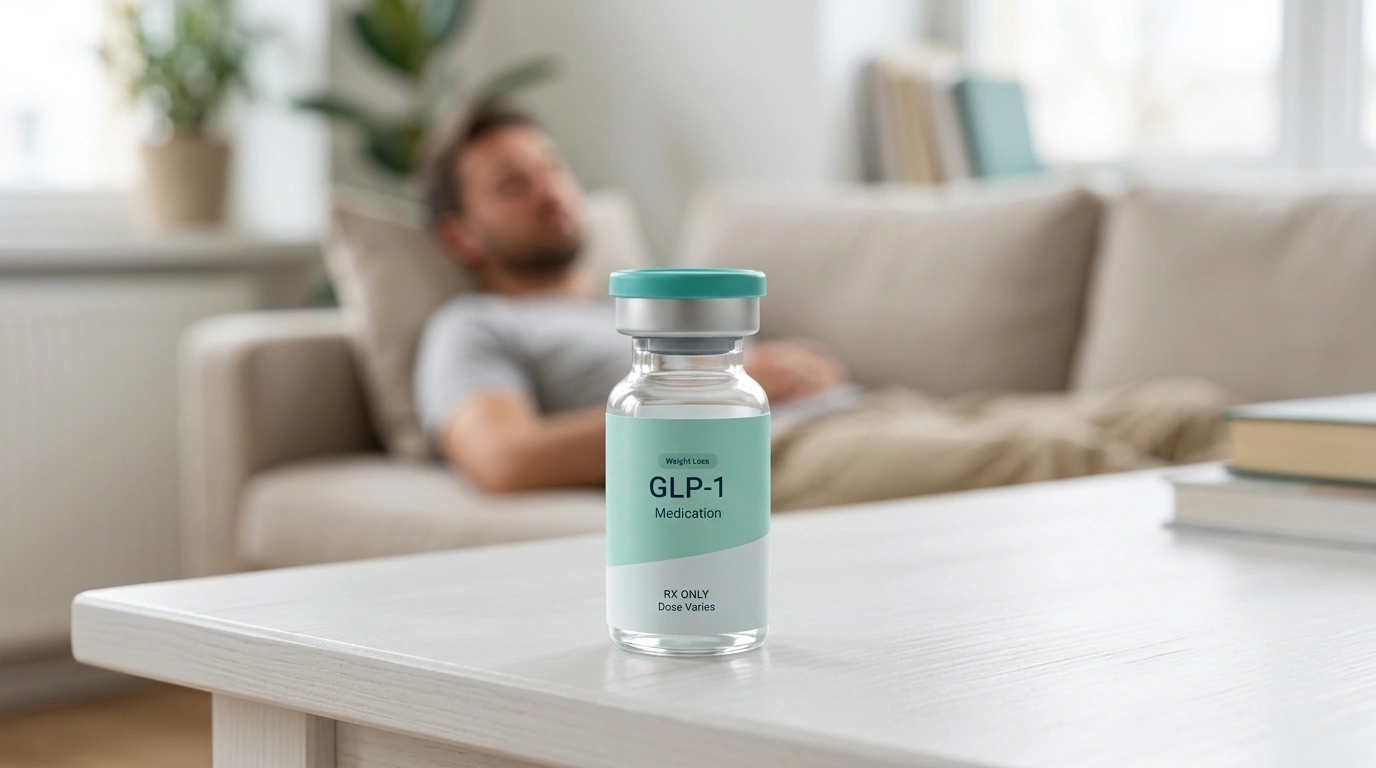
Standing in front of the refrigerator with a surplus of starting-dose pens is a common moment for many on a weight loss journey. You may have finished your first month on the 0.25 mg dose and are ready to move up to 0.5 mg, but for various reasons—like pharmacy delays or leftover supply—you only have the 0.25 mg pens on hand. It seems like a simple math problem: does 0.25 plus 0.25 equal the 0.5 mg dose you need? While the arithmetic is correct, the clinical reality of managing a powerful medication like Wegovy® (semaglutide) is more complex. At TrimRx, we believe that understanding the science behind your treatment is the best way to ensure safety and long-term success. This post covers the safety of doubling doses, the importance of titration, and how to handle dosing questions with your provider. While the math adds up, you must always obtain professional medical clearance before altering your prescribed dosing schedule.
Quick Answer: Mathematically, two 0.25 mg doses equal 0.5 mg. However, because Wegovy® is typically delivered via single-dose autoinjector pens, taking two shots involves two separate injections. You should only do this under the explicit direction of your licensed healthcare provider to ensure safety and proper titration. If you are unsure whether your current plan is appropriate, you can complete a free eligibility assessment for a personalized review.
The Science of Titration: Why the 0.5 mg Dose Matters
Wegovy® is a GLP-1 receptor agonist, which is a type of medication that mimics a natural hormone in your body called glucagon-like peptide-1. This hormone tells your brain that you are full and slows down how quickly your stomach empties. Because this medication fundamentally changes how your digestive system functions, your body needs time to adapt. This is why providers use a titration schedule—a process of starting with a very low dose and gradually increasing it every four weeks. For a broader explanation, read this guide to how GLP-1 medication dosing and titration work.
The 0.25 mg starting dose is not intended to produce maximum weight loss immediately; it is designed to “prime” your system. By introducing the GLP-1 medication slowly, you allow your gastrointestinal tract and your brain’s satiety centers to adjust. The jump to 0.5 mg is the first major step in this escalation. If you move too fast, or skip steps, you can overwhelm the body’s receptors. This often leads to significant physical discomfort that could have been avoided with a steady pace.
Semaglutide has a long “half-life,” which is the amount of time it takes for the concentration of a substance in your body to reduce by half. For this medication, the half-life is approximately seven days. This means the drug stays in your system for a long time, building up a “steady state” over several weeks. When you move from 0.25 mg to 0.5 mg, you are essentially doubling the amount of medication your body has to process. This transition is a critical milestone that requires careful monitoring.
Key Takeaway: The standard titration schedule is a clinically researched protocol designed to maximize weight loss while minimizing physical discomfort. Each four-week block gives your body enough time to reach a steady state before the next increase.
Combining Two 0.25 mg Shots: Is It Possible?
If you have two 0.25 mg pens, the total amount of medication contained within them is indeed 0.5 mg. From a purely mathematical standpoint, the math works. However, the delivery method of the medication is a significant factor in whether this is a recommended practice. In the United States, Wegovy® is primarily distributed in single-dose, pre-filled autoinjector pens. Each pen is designed to deliver one specific dose and then be discarded.
To get 0.5 mg using these pens, you would have to perform two separate injections, one after the other, in two different injection sites. While the math is simple, the physical requirement of two separate injections and the impact on your prescription supply mean this should only be done with professional medical approval. There are several reasons why a provider might approve or discourage this practice during your treatment. You can also review this guide to GLP-1 injections and titration before discussing your options with a provider.
Using two pens for one dose may cause you to run out of medication before your next refill is authorized. Most insurance plans and pharmacy protocols are set up for four pens per month. If you use two pens in one week, you will find yourself without medication for the second half of the month. This can lead to a gap in treatment, which may require you to restart the titration process from the beginning to avoid side effects.
Practical Considerations for Multiple Injections
- Injection Site Sensitivity: Two injections mean two needle sticks, which can increase the risk of localized bruising, redness, or irritation.
- Supply Management: During national shortages, your provider may want you to save the 0.25 mg pens rather than doubling up, depending on the availability of the 0.5 mg strength.
- Administrative Errors: Using two pens increases the chance of a mechanical error or a mistake in injection technique.
The Risks of Doubling Your Dose
Taking two shots at once is not as simple as taking two over-the-counter pain relievers. Because GLP-1 medications affect the central nervous system and the digestive tract, how and when you take them matters. Even if the 0.5 mg dose is your next scheduled step, the act of administering two injections simultaneously can sometimes lead to a sharper peak of the medication in your bloodstream compared to a single 0.5 mg injection.
The most common consequence of an unmanaged dose increase is severe gastrointestinal distress. When the body is introduced to a higher level of GLP-1 activity than it is prepared for, the stomach slows down excessively. This can lead to intense nausea and persistent vomiting. For some individuals, this nausea is so severe that they cannot keep down fluids, which quickly leads to dehydration. For more practical information, review these strategies for managing nausea during GLP-1 treatment.
There is also a potential risk of hypoglycemia, which is a condition where blood sugar levels drop too low. While these medications are designed to lower blood sugar primarily when it is high, an excessive amount in the system can sometimes cause blood sugar to dip, especially if you are not eating enough. This can result in dizziness, confusion, shakiness, or even fainting.
Key Takeaway: Proper titration is the key to minimizing side effects and achieving sustainable results. Always prioritize safety over convenience when it comes to your medication schedule.
Navigating Supply Shortages and Prescription Gaps
Many people ask about taking two 0.25 mg shots because they cannot find the 0.5 mg pens at their local pharmacy. Branded medications like Wegovy®, Ozempic®, Mounjaro®, and Zepbound® have faced significant supply chain hurdles. When a patient is ready to move up but the pharmacy is out of stock, the temptation to use a “math workaround” is high. This overview of semaglutide shortages and treatment interruptions explains why supply issues can complicate dosing plans.
If your pharmacy cannot fill your 0.5 mg prescription, do not take matters into your own hands. Instead, contact your licensed provider. They may suggest staying on 0.25 mg for another month to maintain the medication in your system. While weight loss might be slower, staying at a lower dose keeps your metabolic momentum going without the risks of self-dosing.
Another option many consider is compounded semaglutide. Compounded medications are prepared by specialized pharmacies to meet the needs of an individual patient. While Compounded Semaglutide is not FDA-approved, it is prepared in FDA-registered and inspected compounding pharmacies. This version often comes in vials, allowing for more precise dosing and flexibility during branded medication shortages.
What to Do During a Shortage
- Call multiple pharmacies: Often, hospital-based or smaller independent pharmacies have different stock levels than large retail chains.
- Contact your provider: They can authorize a “holding dose” or discuss alternative GLP-1 medications that may be in better supply.
- Explore personalized programs: Telehealth platforms can often provide alternative paths, such as compounded options, when branded medications are unavailable.
How TrimRx Supports Your Treatment Goals
Our platform is designed to take the guesswork out of weight loss and metabolic health. We believe that everyone deserves access to high-quality care without the frustration of long waiting rooms or pharmacy backorders. TrimRx connects you with licensed providers who evaluate your medical history, goals, and current health profile to create a program that is unique to you.
We prioritize your safety by providing clear, professional oversight for every dose change. When you join our program, you have access to a team that understands the nuances of titration. If you are facing a shortage or have questions about using your current supply, our specialists are available to provide guidance. This ensures you never have to make clinical decisions in a vacuum.
Our approach focuses on the whole person, not just the medication. We offer a telehealth-first experience that includes doctor consultations and unlimited support. This comprehensive model allows us to adjust your treatment plan in real-time based on how your body is responding. Whether you are navigating your first dose or transitioning to a maintenance level, we are with you every step of the way.
Myth: Taking two 0.25 mg shots is a “shortcut” to faster weight loss results. Fact: Weight loss is a metabolic process that requires time. Taking more medication than your body can tolerate often leads to severe illness, which can stall your progress or force you to stop treatment entirely.
Step-by-Step: Moving From 0.25 mg to 0.5 mg
Transitioning to a higher dose is a milestone that indicates your body is tolerating the initiation phase. If your provider has cleared you to use two 0.25 mg pens to fulfill a 0.5 mg prescription, follow these steps to ensure a safe experience.
Step 1: Confirm your medical clearance. Ensure that your licensed provider has officially authorized the move to 0.5 mg. Never increase your dose based on your own assessment or leftover supply without a new prescription order.
Step 2: Prepare the injection sites. You should not inject both pens into the exact same spot. Choose two different areas, such as the right and left side of the abdomen, at least two inches away from the belly button. You could also use one site on the thigh and one on the abdomen.
Step 3: Perform the first injection. Clean the first site with an alcohol swab. Following the manufacturer’s instructions, press the pen firmly against the skin and hold until the injection is complete. Dispose of the pen in a sharps container.
Step 4: Perform the second injection. Repeat the process at the second cleaned site with the second pen. Taking both shots during the same session on your scheduled day ensures the medication levels remain consistent.
Step 5: Monitor and hydrate. The first 48 hours after a dose increase are the most important. Drink plenty of water and focus on lean protein to help manage potential nausea as your body adjusts to the 0.5 mg level.
Managing Common Side Effects at the 0.5 mg Level
As you move to the 0.5 mg dose, you may notice a shift in how your body feels. This is the stage where many people begin to feel the sensation of “fullness” more intensely. While this is the goal of the medication, it can also bring mild side effects as your digestive system slows down further.
Nausea is the most common concern during dose transitions. To manage this, we recommend eating smaller, more frequent meals rather than three large ones. Avoid high-fat or greasy foods, which stay in the stomach longer and can worsen the feeling of being overly full. Listening to your body’s satiety cues is essential; eating past the point of fullness is a primary trigger for discomfort on GLP-1 medications. You can also read this Wegovy nausea guide for additional context.
Hydration and electrolytes are your best defense against headaches and fatigue. Because these medications can dull your thirst cues as well as your hunger cues, you must be intentional about drinking water. We recommend at least 64 to 80 ounces of water daily. If you feel tired or dizzy, an electrolyte supplement can help maintain your balance during the transition phase.
Note: If you experience severe, persistent abdominal pain that radiates to your back, or if you cannot keep liquids down for more than 12 hours, contact a healthcare provider immediately. These can be signs of more serious complications that require medical evaluation.
Eligibility and Professional Guidance
Not everyone is a candidate for dose increases or for GLP-1 medications in general. Eligibility is typically based on your Body Mass Index (BMI) and the presence of weight-related health conditions like hypertension or high cholesterol. Your provider will also consider your medical history, specifically looking for any contraindications. If you want to discuss whether a personalized program may be appropriate, you can start the assessment process.
Individuals with a history of pancreatitis or certain types of thyroid cancer should generally avoid these medications. Specifically, if you or your family has a history of Medullary Thyroid Carcinoma (MTC) or Multiple Endocrine Neoplasia syndrome type 2 (MEN 2), semaglutide is not recommended. This is why a thorough medical consultation is the foundation of any safe weight loss program.
Transparency with your medical team is vital for long-term success. You should disclose all other medications and supplements you are taking. Some drugs can interact with GLP-1 medications or affect how they are absorbed. By working with a professional team, you ensure that your path to metabolic health is built on a solid clinical foundation.
Bottom line: While taking two 0.25 mg doses to equal 0.5 mg is mathematically correct, it should only be done under the direct oversight of a licensed healthcare provider to manage safety, supply, and side effects.
Conclusion
The question of whether you can take 2 .25 Wegovy instead of .5 is a practical one that many face during their health journey. While the math is straightforward, the clinical application requires a careful balance of safety, supply management, and titration science. Doubling up without professional guidance can lead to avoidable side effects and may disrupt your long-term progress. TrimRx is dedicated to helping individuals embrace healthier lifestyles through science and a personalized, empathetic approach. We believe that with the right medical supervision and a plan tailored to your unique needs, sustainable weight loss is an achievable reality.
- Prioritize Safety: Never alter your dose without a provider’s instruction.
- Manage Logistics: Be aware of how doubling up affects your monthly supply.
- Support Your Body: Focus on hydration and nutrition during every dose increase.
“Sustainable weight loss is a marathon, not a sprint. Proper titration is the key to long-term success and metabolic health.”
If you are ready to take the next step toward a personalized, medically supervised weight loss program that fits your life, we invite you to complete our free assessment quiz. Our team is ready to help you navigate your journey with the clarity and support you deserve.
FAQ
Can I take two 0.25 mg Wegovy® shots at the exact same time?
Yes, if your healthcare provider has specifically instructed you to do so to reach a 0.5 mg dose. You must use two separate injection sites, such as different sides of your abdomen, to ensure proper absorption and minimize skin irritation.
Will taking two shots of 0.25 mg Wegovy® cause more side effects?
If your body is ready for the 0.5 mg dose, the side effects should be consistent with that level. However, if you “double up” before you have completed the necessary four-week 0.25 mg initiation phase, you may experience intense nausea, vomiting, or gastrointestinal distress.
What should I do if I have leftover 0.25 mg pens?
If you have leftover pens and your doctor has moved your prescription to 0.5 mg, ask your provider if you can use them to fulfill your new dose requirements. Do not use them to increase your dose on your own, and always check the expiration date and storage conditions before use.
Why can’t I just split the 0.5 mg dose into two shots on different days?
Wegovy® is designed for once-weekly administration to maintain a steady concentration in your blood. Splitting the dose across different days changes the medication’s half-life in your system, which can reduce its effectiveness or cause unpredictable side effects.
TrimRX does not practice medicine or prescribe medications. Compounded medications are not FDA-approved and are not evaluated by the FDA for safety or efficacy. Results vary by individual and are not guaranteed.
Disclaimer: This content is for informational purposes only and does not constitute medical advice. It is not intended to diagnose, treat, cure, or prevent any disease or condition. Individual results may vary. Always consult a qualified healthcare professional before starting any weight loss program or medication.

Transforming Lives, One Step at a Time
Keep reading
Can You Eat Meatloaf on Wegovy?
Meatloaf is classic home cooking: ground meat mixed with breadcrumbs, egg, and seasoning, baked with a sweet tomato glaze, and served with mashed potatoes…

Can You Eat Cheesecake on Wegovy?
Cheesecake is a celebration dessert for many people: birthdays, anniversaries, holidays, or a special dinner out. It is also one of the richest desserts…
Can You Eat Lentils on Wegovy?
Lentils are one of the most affordable, nutritious foods around. They are rich in plant protein, fiber, iron, and folate, cook quickly without soaking,…


