Optimizing Your Weight Loss Journey: When Should I Take Zepbound?
Introduction
Many individuals seeking significant, sustainable weight loss often find themselves navigating a complex landscape of information, searching for effective solutions that truly resonate with their personal health goals. The journey to a healthier weight can feel overwhelming, punctuated by questions about new medications and how they fit into a holistic lifestyle. With advancements in medical science, options like Zepbound have emerged as powerful tools, offering a new pathway for those eligible. But beyond simply knowing a medication exists, understanding the specifics of its use – particularly when should I take Zepbound – is crucial for maximizing its benefits and ensuring safety.
At TrimRx, our journey began with a shared vision: to help individuals embrace healthier lifestyles by merging cutting-edge telehealth innovations with effective weight loss solutions. We understand that effective weight management is a deeply personal endeavor, requiring not just medication, but a comprehensive support system tailored to unique needs. This post aims to demystify Zepbound, providing a thorough guide to its proper administration, dosing schedule, storage, and potential considerations, all within the broader context of a personalized weight loss program. We believe that sustainable weight loss should be achieved through science, empathy, and a transparent approach, which is why we’re dedicated to empowering you with clear, trustworthy information. By the end of this article, you will have a comprehensive understanding of Zepbound’s role in weight management and how it can be integrated into a medically supervised plan, highlighting how our platform can support your unique path. We will cover everything from the ideal time for your weekly injection to navigating potential side effects and ensuring proper storage and disposal, equipping you with the knowledge to make informed decisions about your health.
Understanding Zepbound: A Modern Approach to Weight Management
Zepbound, an FDA-approved prescription injectable medication, represents a significant advancement in the field of weight loss and weight management for adults. It is specifically indicated for those with obesity, or individuals who are overweight with at least one weight-related comorbid condition, such as obstructive sleep apnea (OSA), when used in conjunction with a reduced-calorie diet and increased physical activity. It’s important to understand that Zepbound is not intended for cosmetic weight loss; rather, it’s a clinically proven solution designed to support those with a medical need for weight reduction and long-term maintenance.
The active ingredient in Zepbound is tirzepatide, a dual glucose-dependent insulinotropic polypeptide (GIP) and glucagon-like peptide-1 (GLP-1) receptor agonist. This innovative mechanism of action helps regulate appetite, improve metabolic function, and promote a feeling of fullness, leading to reduced caloric intake and significant weight loss. For many, integrating such a medication into their regimen can be a transformative step, especially when paired with the personalized, medically supervised care that we champion at TrimRx. We offer comprehensive services that include doctor consultations, medication, lab work, unlimited support, and shipping with no hidden fees, all designed to make your journey smoother and more effective. If you’re wondering if Zepbound or similar prescription medications could be right for you, we encourage you to take our free assessment quiz to determine your eligibility and receive a personalized treatment plan.
The Role of GLP-1 and GIP in Weight Loss
To fully appreciate how Zepbound works, it’s helpful to understand the science behind GLP-1 and GIP. These are natural incretin hormones that play vital roles in metabolic regulation.
Glucagon-Like Peptide-1 (GLP-1)
GLP-1 agonists have been a cornerstone of metabolic medicine for years. This hormone primarily acts by:
- Stimulating insulin secretion: This helps lower blood sugar levels, particularly after meals.
- Suppressing glucagon secretion: Glucagon raises blood sugar, so its suppression helps maintain stable levels.
- Slowing gastric emptying: This prolongs the feeling of fullness and reduces appetite.
- Acting on the brain’s appetite centers: Directly reducing food cravings and overall food intake.
Glucose-Dependent Insulinotropic Polypeptide (GIP)
GIP is another incretin hormone, and its dual agonism with GLP-1 is what makes tirzepatide unique. GIP also:
- Enhances insulin secretion: Similar to GLP-1, it helps regulate glucose.
- May have direct effects on fat cells and energy expenditure: Research suggests GIP signaling could influence how the body stores and uses fat.
By activating both GLP-1 and GIP receptors, Zepbound offers a more comprehensive approach to metabolic regulation and weight loss compared to medications that target only GLP-1. This dual action contributes to its significant efficacy in clinical trials. For those exploring comprehensive solutions beyond prescription medications, our GLP-1 Daily Support supplement is available for immediate purchase to support overall wellness during the weight loss journey.
When Should I Take Zepbound: Dosing and Administration Essentials
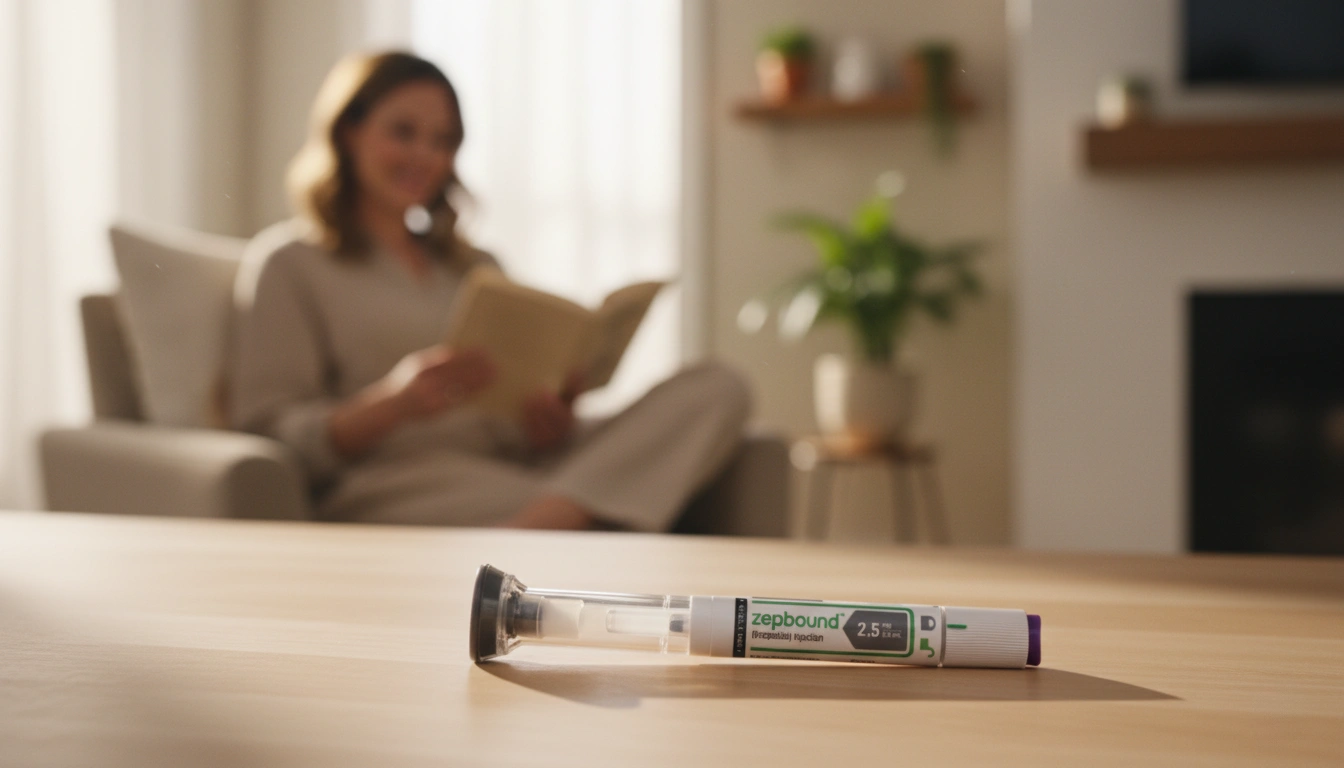
One of the most common questions we hear regarding Zepbound revolves around its practical application: exactly when should I take Zepbound? The answer is straightforward: Zepbound is a once-weekly injection that can be administered at any time of day, with or without food. The key is consistency. Injecting the medication on the same day each week helps maintain a steady level of the drug in your body, which is essential for its effectiveness.
The Importance of Consistent Timing
While there isn’t a “best” specific time of day (morning, noon, or night), choosing a day and time that easily fits into your routine is paramount. For example, some individuals prefer to take it on a weekend morning when they have more relaxed schedules, while others might choose a specific weekday evening. Setting a regular reminder on your phone can be a simple yet effective way to ensure you don’t miss a dose and maintain optimal treatment adherence. This proactive approach aligns with our belief in empowering you with the tools and support needed for a successful journey.
Understanding the Zepbound Dosing Schedule
The treatment journey with Zepbound typically begins with a gradual dose escalation, a process designed to help your body adjust to the medication and minimize potential side effects.
Starting Your Journey
You will begin treatment with a recommended starting dose of 2.5 mg once weekly. This initial dose is maintained for 4 weeks. After this period, your prescribing doctor will likely increase your dose to 5 mg once per week.
Titration for Optimal Results
Dosage increases typically occur in 2.5 mg increments after at least 4 weeks on the current dose. This careful, step-by-step titration continues until the recommended maintenance dosage is achieved. The recommended maintenance doses are 5 mg, 10 mg, or 15 mg once weekly for weight reduction and long-term maintenance. For conditions like obstructive sleep apnea (OSA), recommended maintenance doses are 10 mg or 15 mg. The maximum dosage is 15 mg once weekly.
This gradual approach is a testament to the personalized care we advocate. Your doctor will work with you to find the dose that best suits your body’s changing needs and minimizes discomfort while maximizing effectiveness. Our commitment to transparent service means our approach remains consistent regardless of dosage changes, ensuring you receive continuous, high-quality care.
Administering Zepbound: Injection Sites and Technique
Zepbound is administered as a subcutaneous injection, meaning it is injected just under the skin. It comes in either a single-dose pen or a single-dose vial, and your healthcare provider can help you determine the best option for you and teach you how to administer it safely.
Recommended Injection Sites
The recommended injection sites are the stomach (abdomen), thigh, or the back of the upper arm.
- Stomach and Thigh: You or a caregiver can administer the injection in these areas. If using the stomach, ensure you inject at least 2 inches away from your belly button.
- Upper Arm: An injection in the back of the upper arm should be given by another person (a caregiver).
Best Practices for Injection
- Rotate Sites: It is a best practice to rotate injection sites each week. This helps prevent irritation, bruising, or other skin reactions at a single location.
- Avoid Problematic Skin: Do not inject Zepbound into skin that is tender, bruised, scaly, hard, or into scars or damaged areas. Avoid skin with pits, lumps, or thickening.
- Visual Inspection: Before injecting, always check the liquid in the pen or vial. It should appear clear and colorless to slightly yellow. Do not use the medication if you notice any particles, or if the liquid looks cloudy or discolored.
- Temperature: Zepbound is stored in the refrigerator and does not need to be at room temperature before injection, which simplifies the process.
Your healthcare provider will provide detailed, step-by-step instructions on how to properly inject Zepbound. Our aim is to ensure you feel confident and supported throughout this process, providing guidance and unlimited support whenever you need it.
Navigating Missed Doses and Schedule Changes
Life happens, and schedules can change. Understanding how to handle a missed Zepbound dose or how to adjust your dosing day is important for maintaining the effectiveness of your treatment and ensuring your safety.
What to Do If You Miss a Dose
If you miss a dose of Zepbound, act quickly but carefully:
- Within 4 days (96 hours): Take the missed dose as soon as possible within 4 days of your regularly scheduled dosing day.
- More than 4 days: If more than 4 days have passed since your scheduled dose, skip the missed dose entirely. Take your next dose on your regularly scheduled day.
- Important Precaution: Under no circumstances should you take two doses of Zepbound within 3 days (72 hours) of each other. This is crucial for avoiding potential side effects and ensuring proper drug levels.
Setting a reminder, as mentioned earlier, is a valuable “pro tip” to help you stay on track and avoid these situations altogether.
Changing Your Dosing Day
If you wish to change the day of the week you take your Zepbound dose, you absolutely can. Just ensure there are at least 3 days (72 hours) between your last dose and the new dosing day. For example, if you typically inject on Monday but want to switch to Friday, you would need to wait until the following Friday, ensuring enough time has passed since the previous Monday’s dose. This flexibility helps integrate the medication into your routine more seamlessly.
Proper Storage and Disposal of Zepbound
Caring for your medication properly is as important as taking it correctly. Adhering to storage and disposal guidelines ensures the medication remains effective and is handled safely.
How to Store Zepbound
- Refrigeration is Key: Always store your Zepbound medication in the refrigerator, at a temperature between 36°F to 46°F (2°C to 8°C).
- Room Temperature Storage (Limited): If needed, each single-dose pen or vial can be stored at room temperature, up to 86°F (30°C), for a maximum of 21 days.
- Do Not Re-refrigerate: Once Zepbound has been stored at room temperature, do not return it to the refrigerator.
- Discard After 21 Days: If stored at room temperature, discard the medication if not used within 21 days.
- No Freezing: Never freeze Zepbound, and do not use it if it has been frozen, as freezing can compromise its effectiveness and safety.
- Protect from Light: Store Zepbound in its original carton to protect it from light.
- Handle with Care: The Zepbound pen contains glass parts. Handle it carefully. If you drop the pen on a hard surface, do not use it. Use a new pen for your injection.
- Discard Opened Vials: Always throw away all opened Zepbound vials after use, even if there is medicine remaining.
- Keep Out of Reach: Like all medicines, keep Zepbound pens, vials, syringes, and needles out of the reach of children.
Safe Disposal of Used Zepbound Materials
Proper disposal of used Zepbound materials is critical for safety and environmental protection.
- Sharps Disposal Container: Immediately after use, place your used Zepbound pen or needle and syringe in an FDA-cleared sharps disposal container. Do not throw these items in household trash.
- Household Alternative: If an FDA-cleared sharps container isn’t available, you can use a heavy-duty plastic household container. Ensure it has a tight-fitting, puncture-resistant lid that prevents sharps from coming out, is stable and upright during use, leak-resistant, and properly labeled to warn of hazardous waste. Examples include empty detergent bottles (cleaned, emptied, and labeled).
- Community Guidelines: Follow your local community guidelines for the correct way to dispose of your full sharps disposal container. Do not recycle your sharps container. For more information on safe sharps disposal, resources are available on the FDA’s website.
We work exclusively with FDA-registered and inspected pharmacies for the shipping of weight loss medications, ensuring that the products you receive meet rigorous safety and quality standards. This commitment extends to providing guidance on safe handling and disposal for your peace of mind.
Potential Side Effects and Management Strategies
While Zepbound is a highly effective medication, it’s important to be aware of potential side effects and how to manage them. Open communication with your doctor is key throughout your treatment journey.
Common Side Effects
Many individuals experience some side effects, especially during the initial phase of treatment or when doses are increased. The most commonly reported side effects include:
- Nausea
- Diarrhea
- Vomiting
- Constipation
- Stomach (abdominal) pain
- Indigestion
- Injection site reactions (e.g., redness, pain)
- Fatigue
- Allergic reactions (though less common, always be vigilant)
- Belching
- Hair loss
- Heartburn
It’s worth noting that in studies, most instances of nausea, diarrhea, and vomiting occurred when individuals increased their dose, but these effects generally decreased over time as their bodies adjusted. Gastrointestinal (GI) side effects were more common in people taking Zepbound than in those taking a placebo, and in some cases, led to discontinuation of treatment.
Managing Nausea
Nausea is one of the more frequently experienced side effects. If you experience nausea, discuss it with your doctor. In the meantime, these tips may help alleviate discomfort:
- Eat Smaller, More Frequent Meals: Try splitting three daily meals into four or more smaller ones.
- Stop Eating When Full: Pay attention to your body’s signals and avoid overeating.
- Avoid Fatty Foods: Rich, fatty foods like butter or cheese can worsen nausea.
- Opt for Bland Foods: Foods like toast, crackers, or rice can be easier on your stomach.
Serious Side Effects and Warnings
Zepbound can cause serious side effects, and it’s vital to be informed about them:
- Severe Stomach Problems: Some individuals have reported severe stomach problems. If you experience stomach issues that are severe or persistent, contact your healthcare provider immediately.
- Kidney Problems (Kidney Failure): Diarrhea, nausea, and vomiting can lead to fluid loss (dehydration), which may cause kidney problems. It is crucial to stay hydrated by drinking plenty of fluids to reduce your risk of dehydration.
- Allergic Reactions: Serious allergic reactions are possible. Seek immediate medical attention if you experience symptoms such as swelling of your face, lips, tongue, or throat, problems breathing or swallowing, severe rash or itching, fainting, or feeling dizzy.
Boxed Warning: Risk of Thyroid C-Cell Tumors
Zepbound carries a Boxed Warning regarding the risk of thyroid C-cell tumors. In studies, tirzepatide caused dose-dependent and treatment-duration-dependent thyroid C-cell tumors, including medullary thyroid carcinoma (MTC), in rats at clinically relevant exposures. It is unknown whether Zepbound causes these tumors in humans.
Important Considerations:
- Symptoms: Watch for possible symptoms of thyroid tumors, such as a lump or swelling in the neck, hoarseness, trouble swallowing, or shortness of breath. If you have any of these symptoms, tell your healthcare provider.
- Contraindications: Do not use Zepbound if you or any of your family members have ever had a type of thyroid cancer called medullary thyroid carcinoma (MTC). Also, do not use Zepbound if you have Multiple Endocrine Neoplasia syndrome type 2 (MEN 2). These conditions represent significant risk factors.
- Allergies: Do not use Zepbound if you have had a serious allergic reaction to tirzepatide or any of the ingredients in Zepbound.
- Other Medications: Zepbound contains tirzepatide. Coadministration with other tirzepatide-containing products or with any glucagon-like peptide-1 (GLP-1) receptor agonist is not recommended.
Our dedicated team is here to provide compassionate care that respects every individual’s unique journey. We combine advanced medical science with modern technology, ensuring you have the information and support needed to navigate your treatment safely and effectively. We empower you to ask questions and actively participate in your health decisions.
Embracing a Personalized Weight Loss Journey with TrimRx
The decision to embark on a weight loss journey is significant, and choosing the right path, including when should you take Zepbound, is a deeply personal one. At TrimRx, we stand as your dedicated partner, offering a holistic and personalized approach to weight management that extends far beyond just medication. We understand that sustainable weight loss requires a foundation of science, empathy, and transparency.
Our platform is designed to be a user-friendly and supportive space where individuals receive personalized, medically supervised care. This means your journey with us begins with a thorough understanding of your unique health profile. For those considering prescription weight loss medications like Zepbound, Ozempic®, Wegovy®, Mounjaro®, Compounded Semaglutide, Oral Semaglutide, Compounded Tirzepatide, or Oral Tirzepatide, the first step is to take our free assessment quiz. This quiz helps us determine your eligibility and create a personalized treatment plan that aligns with your specific needs and health goals.
Beyond prescription options, we recognize that overall wellness is multifaceted. That’s why we also offer quick-access supplements to support your journey. Our GLP-1 Daily Support is available for immediate purchase to aid general wellness, while our Weight Loss Boost offers additional support for those looking to enhance their weight management efforts. These supplements are designed to complement a healthy lifestyle, providing immediate assistance without the need for a consultation.
Our commitment to you includes a comprehensive service that covers doctor consultations, necessary lab work, the medication itself (shipped from FDA-registered and inspected pharmacies), unlimited support from our team, and convenient shipping, all without hidden fees. We pride ourselves on being empathetic, innovative, trustworthy, supportive, results-oriented, and profoundly personalized. We aim to empower you, providing not just solutions but a partnership in your health, guiding you through every step of your weight loss transformation.
Conclusion
Understanding when should I take Zepbound is more than just knowing a time slot; it’s about integrating a powerful tool into a well-managed, personalized health strategy. From consistent weekly dosing to careful storage and proactive side effect management, each detail contributes to the overall success and safety of your weight loss journey. Zepbound, with its dual GLP-1 and GIP agonism, offers a scientifically backed pathway for individuals struggling with obesity or overweight with related health conditions.
However, medication is just one piece of the puzzle. The most effective weight loss transformations happen within a supportive, knowledgeable framework. At TrimRx, we are dedicated to providing that comprehensive ecosystem, merging advanced medical science with modern technology and compassionate care. Our goal is to make sustainable weight loss attainable, tailored specifically to you. By understanding the nuances of treatments like Zepbound and combining them with expert guidance and support, you empower yourself to achieve lasting results.
Are you ready to explore how a personalized, medically supervised weight loss program can transform your life? We invite you to take our free assessment quiz to see if you qualify for prescription weight loss medications and receive a plan tailored just for you. For immediate support and to boost your overall wellness, consider our GLP-1 Daily Support or Weight Loss Boost supplements. Your journey to a healthier, more vibrant life starts here.
FAQ
Q1: Is there a specific time of day I must take Zepbound?
No, there is no specific time of day you must take Zepbound. It can be administered at any time of day, with or without food. The most important factor is consistency – choose a day and time that works best for your schedule and stick to it each week to maintain stable medication levels in your body. Setting a reminder can be very helpful for this.
Q2: What should I do if I miss a dose of Zepbound?
If you miss a dose, take it as soon as possible, provided it’s within 4 days (96 hours) of your scheduled dosing day. If more than 4 days have passed, skip the missed dose entirely and take your next dose on your regularly scheduled day. Crucially, do not take two doses of Zepbound within 3 days (72 hours) of each other. Always consult your healthcare provider if you have concerns about a missed dose.
Q3: How should I store my Zepbound medication to ensure it remains effective?
Zepbound should primarily be stored in the refrigerator between 36°F to 46°F (2°C to 8°C). If necessary, a single-dose pen or vial can be stored at room temperature (up to 86°F or 30°C) for a maximum of 21 days. However, once stored at room temperature, it should not be returned to the refrigerator. Always discard the medication if it’s not used within 21 days after removing it from refrigeration. Never freeze Zepbound, and do not use it if it has been frozen. Store it in its original carton to protect it from light.
Q4: Can I change the day of the week I take my Zepbound injection?
Yes, you can change your Zepbound dosing day if it better suits your lifestyle. When adjusting your schedule, ensure there are at least 3 days (72 hours) between your last injection and the new day you choose for your dose. This precaution helps maintain appropriate medication levels and minimizes potential side effects. Always discuss any planned changes to your dosing schedule with your healthcare provider.

Transforming Lives, One Step at a Time
Keep reading

How to Get Zepbound in Texas: Your Guide
Getting Zepbound in Texas is straightforward once you know your options. You can get a prescription through a telehealth provider from home, through your…
How to Get Zepbound in California: Where to Start
Zepbound (tirzepatide) is available to California residents through your primary care provider, a weight loss clinic, or a telehealth service that prescribes and delivers…
Stopping Zepbound: Managing the Transition
When you stop taking Zepbound, your appetite returns to pre-medication levels within a few weeks and most people regain a meaningful portion of their…


