Optimizing Your Zepbound Journey: How Often to Increase Your Zepbound Dose
Introduction
Embarking on a weight loss journey can often feel like navigating a complex maze, especially when integrating advanced medications designed to support your goals. Many individuals come to us with a keen interest in understanding the nuances of their treatment, eager to achieve results safely and effectively. A common and crucial question that arises for those considering or starting Zepbound is precisely how often should I increase my Zepbound dose. It’s a question that speaks to the heart of personalized care and the desire for clarity in a process that is, by nature, deeply individual.
Zepbound, with its innovative dual action on GIP and GLP-1 receptors, represents a significant stride in medically supervised weight management. Its efficacy in helping adults with obesity or those overweight with weight-related conditions achieve substantial weight loss and manage conditions like obstructive sleep apnea is well-documented. However, like any powerful tool, its optimal use lies in understanding its mechanics and respecting the body’s natural adaptation process. The journey with Zepbound is not a race; it’s a carefully orchestrated progression, with dose adjustments playing a pivotal role in maximizing benefits while mitigating potential side effects.
At TrimRx, our journey began with a shared vision to help individuals embrace healthier lifestyles by merging cutting-edge telehealth innovations with effective weight loss solutions. We understand that sustainable weight loss should be achieved through science, empathy, and a transparent approach. This means providing clear guidance and medically supervised care every step of the way, especially when it comes to medication dosing.
This comprehensive guide is designed to illuminate the intricacies of Zepbound dose escalation. We will explore the typical dosing schedule recommended by experts, delve into the critical reasons behind gradual increases, prepare you for what to expect during these adjustments, and highlight essential safety considerations. Our aim is to empower you with the knowledge needed to navigate your Zepbound treatment with confidence, understanding that each step forward is carefully considered by your dedicated healthcare provider. By the end of this post, you’ll have a clearer picture of how dose adjustments contribute to a successful and comfortable weight loss experience, guided by the principles of personalized care that TrimRx champions.
Zepbound at a Glance: Understanding Its Role in Weight Management
Weight management is a deeply personal and often challenging endeavor, affecting millions of adults across the United States. For many, diet and exercise alone may not be sufficient to achieve sustainable weight loss, particularly for those facing the complexities of obesity or being overweight with co-occurring health conditions. This is where medications like Zepbound (tirzepatide) have emerged as a significant, FDA-approved advancement in the field.
Zepbound is a brand-name prescription medication that has garnered attention for its efficacy in assisting adults with weight reduction and long-term weight management. It is specifically indicated for adults who have obesity (a Body Mass Index, or BMI, of 30 kg/m² or greater) or are overweight (a BMI of 27 kg/m² or greater) and have at least one weight-related condition, such as high blood pressure, type 2 diabetes, or high cholesterol. Furthermore, Zepbound is approved to treat moderate to severe obstructive sleep apnea (OSA) in adults who also have obesity.
The Science Behind Tirzepatide: Dual Receptor Agonism
At its core, Zepbound contains the active ingredient tirzepatide, a unique molecule that acts as a dual glucose-dependent insulinotropic polypeptide (GIP) receptor and glucagon-like peptide-1 (GLP-1) receptor agonist. This dual action sets it apart from other medications that target only one of these pathways.
- GLP-1 Receptor Agonism: GLP-1 is a natural hormone that plays several crucial roles in the body. When activated by tirzepatide, it stimulates insulin secretion in a glucose-dependent manner, helping to regulate blood sugar levels. More importantly for weight management, GLP-1 slows gastric emptying, which contributes to a feeling of fullness and reduced appetite. It also affects satiety centers in the brain, further decreasing food intake.
- GIP Receptor Agonism: GIP is another incretin hormone that works synergistically with GLP-1. Tirzepatide’s action on GIP receptors also enhances glucose-dependent insulin release and may have additional effects on appetite regulation and fat metabolism, though research into its precise mechanisms for weight loss is ongoing.
By activating both GIP and GLP-1 receptors, tirzepatide offers a comprehensive approach to weight management. This combined effect leads to greater reductions in appetite, improved satiety, and better blood sugar control, all of which contribute to significant and sustained weight loss when used in conjunction with a reduced-calorie diet and increased physical activity.
Our Approach to Weight Management
At TrimRx, we recognize the profound impact that innovative medications like Zepbound can have on an individual’s health and well-being. Our platform is a user-friendly and supportive space where individuals receive personalized, medically supervised care, all designed to make sustainable weight loss attainable and tailored to the individual. When you explore options like Zepbound with us, you’re not just getting a prescription; you’re gaining access to a comprehensive program that includes doctor consultations, potential lab work, unlimited support, and convenient medication shipping from FDA-registered and inspected pharmacies.
Understanding your eligibility for prescription weight loss medications like Zepbound is the first step. We encourage you to take our [free assessment quiz] to see if you qualify for a personalized treatment plan tailored to your unique health profile and goals. This initial assessment allows our expert medical team to evaluate your needs and guide you toward the most appropriate solutions for your journey.
The Foundation of Your Journey: Starting with Zepbound
When beginning any new medication, especially one as impactful as Zepbound, the starting dose is always a critical consideration. Our empathetic and trustworthy approach at TrimRx ensures that your initial steps are carefully managed to promote safety and comfort.
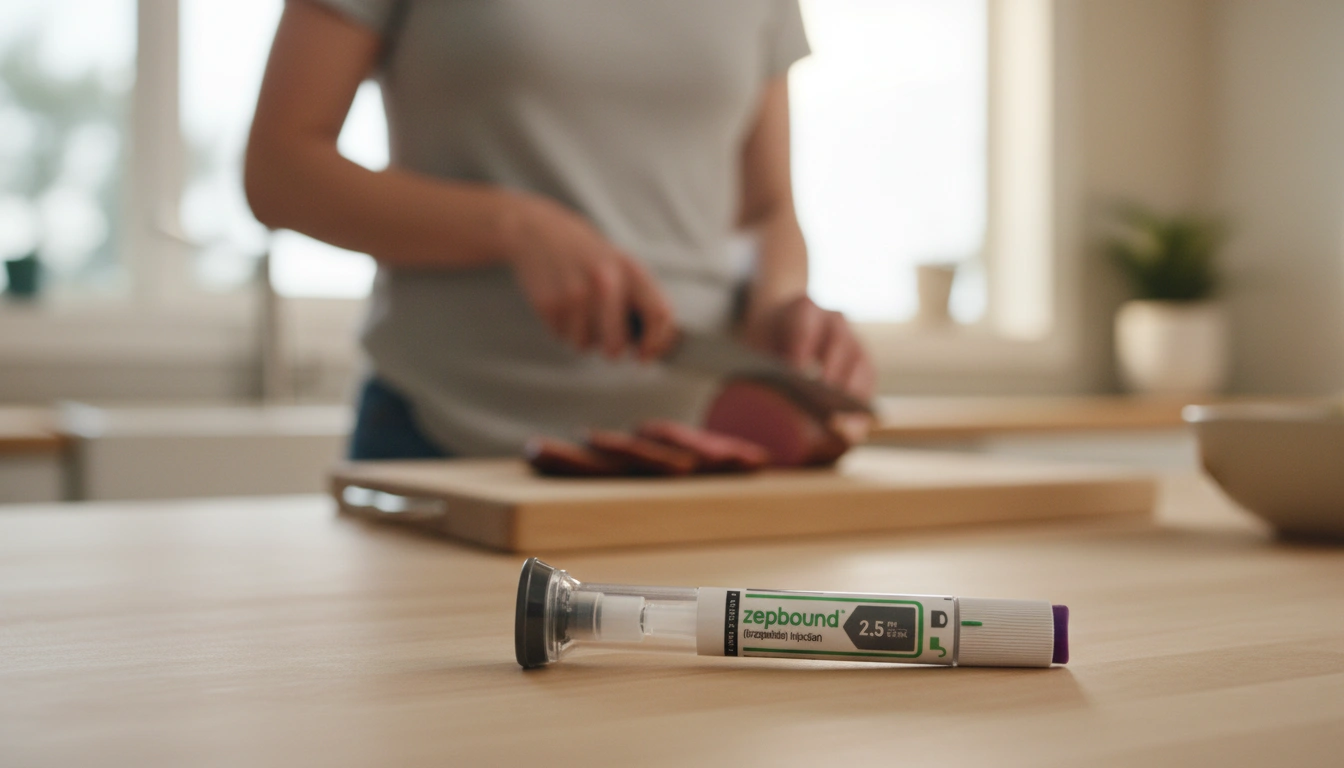
The typical starting dosage of Zepbound for adults is 2.5 milligrams (mg) injected once per week for the first four weeks. This initial dose serves a vital purpose in your treatment plan, acting as a gentle introduction for your body to the medication.
Why Start Low? The Importance of Gradual Introduction
There are several compelling reasons why healthcare providers universally recommend starting with a low dose of Zepbound:
- Body Adaptation: Introducing any new medication at a lower strength allows your body ample time to adjust to its effects. This is particularly important for a medication like Zepbound, which influences digestive processes and appetite regulation.
- Minimizing Side Effects: Zepbound, like many effective medications, can come with potential side effects. The most common adverse reactions reported are gastrointestinal in nature, including nausea, diarrhea, vomiting, and constipation. By starting at a lower dose, the intensity and frequency of these side effects can be significantly reduced, making the initial weeks of treatment more comfortable and manageable.
- Assessing Tolerance: A gradual start allows your healthcare provider to accurately assess your individual tolerance to the medication. Everyone’s body responds differently, and this titration period provides valuable insights into how Zepbound interacts with your unique physiology.
- Building a Foundation for Success: A positive initial experience, free from severe discomfort, can significantly improve adherence to the treatment plan. It builds confidence and allows you to focus on the dietary and lifestyle changes that are integral to your overall weight loss journey.
At TrimRx, our medically supervised programs prioritize your comfort and well-being from day one. Our commitment to compassionate care means that your healthcare provider will closely monitor your response to the starting dose, ensuring that your experience is as smooth as possible. We believe that a well-managed beginning sets the stage for a successful and sustainable path forward.
Navigating Dose Escalation: How Often Should I Increase My Zepbound Dose?
Understanding how often to increase your Zepbound dose is crucial for a successful and comfortable weight loss journey. It’s a key aspect of personalized care, balancing efficacy with side effect management. The process of gradually increasing the dose is known as titration, and it’s a cornerstone of safe and effective Zepbound treatment.
The Standard Zepbound Dose Escalation Schedule
After the initial four weeks at the starting dose of 2.5 mg, your healthcare provider will typically guide you through a step-by-step dose escalation. The manufacturer’s recommended schedule involves increasing the dose by 2.5 mg once every four weeks, provided you are tolerating the current dose well and are not experiencing bothersome side effects.
Here’s a general overview of the typical Zepbound dose schedule:
- Weeks 1-4: 2.5 mg once per week (starting dose)
- Weeks 5-8: 5 mg once per week
- Weeks 9-12: 7.5 mg once per week
- Weeks 13-16: 10 mg once per week
- Weeks 17-20: 12.5 mg once per week
- Week 21 and beyond: 15 mg once per week (maximum dose)
It’s important to note that this is a standard escalation schedule, and your individual path may vary. The maximum recommended dosage of Zepbound is 15 mg once per week.
Reaching Your Maintenance Dose
The goal of dose escalation is to find the lowest effective maintenance dose that helps you achieve your weight loss goals with the fewest side effects. For weight loss and chronic weight management, the recommended maintenance doses are typically 5 mg, 10 mg, or 15 mg once per week. For individuals using Zepbound to treat obstructive sleep apnea in conjunction with obesity, the recommended maintenance doses are generally 10 mg or 15 mg once per week.
Many individuals achieve significant results at doses lower than the maximum. Our healthcare providers recognize that not everyone needs to reach the highest dose to experience meaningful weight loss. If you are experiencing good results and minimal side effects at a lower dose, your provider may determine that this is your optimal maintenance dose, and further increases may not be necessary. This personalized approach is a hallmark of our care at TrimRx.
Factors Influencing Dose Adjustments
The decision of how often and to what extent to increase your Zepbound dose is highly individualized and will be made in close consultation with your TrimRx healthcare provider. Several factors play a role in this decision:
- Tolerance to Side Effects: Your experience with side effects is paramount. If you are experiencing severe or persistent side effects, your provider may recommend pausing a dose increase, returning to a lower dose, or even delaying the next increase until your body has fully adapted. Our compassionate care ensures your comfort is prioritized.
- Weight Loss Progress: The effectiveness of the current dose in helping you achieve your weight loss goals will be continuously assessed. If you are not seeing the desired progress, a dose increase might be considered.
- Treatment Goals: Whether your primary goal is weight loss, management of a weight-related condition, or obstructive sleep apnea treatment, your provider will align the dosage with your specific objectives.
- Overall Health and Other Medications: Your general health status and any other medications you are taking can influence how your body responds to Zepbound, necessitating careful dosage adjustments.
At TrimRx, our medically supervised programs ensure that every dose adjustment is a thoughtful decision. Our commitment to transparent service means we will discuss these considerations with you openly, ensuring you understand the rationale behind your personalized treatment plan. Our comprehensive service includes ongoing doctor consultations, providing you with unlimited support as you progress. To discover how our personalized approach can work for you, we invite you to [take our free assessment quiz].
Why Gradual Dose Increases Are Crucial for Your Well-being
The systematic, gradual increase in Zepbound dosage is not an arbitrary process; it’s a strategically designed approach rooted in clinical understanding and patient safety. At TrimRx, we firmly believe that sustainable weight loss is a journey best taken with careful consideration for your body’s responses. This is why our approach, reflecting our commitment to safety and effective weight loss, emphasizes slow and measured dose escalation.
Minimizing Common Side Effects
One of the primary reasons for gradual dose increases is to mitigate and manage potential side effects. Zepbound, like other medications in its class, works by affecting the gastrointestinal system and brain signals related to appetite. These powerful effects can sometimes lead to common adverse reactions, particularly during the initial phases of treatment or when increasing the dose.
The most frequently reported side effects include:
- Gastrointestinal Issues: Nausea, diarrhea, vomiting, constipation, and abdominal pain are common. Some individuals may also experience indigestion, belching, or heartburn. These symptoms are often most pronounced shortly after a dose increase as the body adjusts.
- Other Reactions: Injection site reactions (such as redness or soreness), fatigue, and even hair loss (though less common) can also occur.
By incrementally increasing the dose, your body is given adequate time to acclimate to the medication’s presence. This acclimation period allows your system to adapt to the changes in gastric emptying and hormonal signaling, often leading to a reduction in the severity and frequency of these side effects over time. Studies have shown that while many patients experience these side effects, they typically decrease as treatment continues and the body adjusts.
Optimizing Efficacy and Long-Term Adherence
A gradual titration schedule isn’t just about managing discomfort; it’s also about optimizing the medication’s effectiveness in the long run.
- Finding the “Sweet Spot”: Weight loss with Zepbound is highly individualized. While higher doses are generally associated with greater weight loss, many individuals achieve significant and satisfactory results on lower maintenance doses. A slow escalation allows your healthcare provider to identify the lowest effective dose for you, minimizing unnecessary exposure to higher doses and their associated potential for side effects. This tailored approach aligns perfectly with our personalized weight loss solutions at TrimRx.
- Sustainable Treatment: Rushing dose increases can lead to intolerable side effects, which might prompt a patient to discontinue the medication prematurely. This defeats the purpose of long-term weight management. By carefully adjusting the dose, we foster an environment where you are more likely to adhere to your treatment plan, leading to sustained weight loss and improved health outcomes. Our supportive and results-oriented brand personality means we are dedicated to helping you stay on track comfortably.
- Body’s Physiological Adjustment: Zepbound’s mechanism of action involves complex physiological changes. Allowing time for these changes to integrate smoothly into your body’s systems is vital. This ensures that the benefits—reduced appetite, increased satiety, and improved metabolic parameters—are established effectively without overwhelming your system.
At TrimRx, our commitment to transparent service means we communicate clearly about these processes. We believe in empowering you with the understanding that every aspect of your personalized treatment plan, including dose adjustments, is designed with your safety, comfort, and ultimate success in mind. Our comprehensive service includes continuous support from your medical team, ensuring you never feel alone in managing your medication. Learn more about how our approach can support your unique journey by considering our [free assessment quiz].
What to Expect During Zepbound Dose Increases
As you progress through your Zepbound treatment with dose increases, anticipating certain experiences can help you feel more prepared and in control. At TrimRx, we equip you with knowledge and continuous support, embodying our empathetic and supportive brand personality throughout your journey.
Potential for Temporary Side Effect Fluctuations
It’s common for individuals to experience a temporary resurgence or intensification of side effects when their Zepbound dose is increased. The most notable of these are typically gastrointestinal issues.
- Increased Nausea, Diarrhea, or Vomiting: You might notice a temporary uptick in these symptoms for a few days to a couple of weeks after a dose escalation. This is often your body’s way of adapting to the higher concentration of tirzepatide.
- Constipation or Abdominal Pain: Similar to nausea, these digestive discomforts can also become more noticeable.
- Fatigue or Changes in Energy Levels: Some individuals report feeling more tired or experiencing a slight dip in energy after a dose increase.
- Changes in Appetite: While Zepbound is designed to reduce appetite, some people may notice a stronger suppression of hunger, or conversely, a temporary shift in their eating patterns as their body adjusts.
The good news is that for most people, these side effects are temporary and tend to subside as the body becomes accustomed to the new dose. Clinical studies have shown that the majority of these symptoms decrease over time, and only a small percentage of participants discontinue Zepbound due to adverse reactions. Our experienced healthcare providers are here to help you manage these changes, ensuring your comfort and adherence to the program.
Strategies for Managing Side Effects During Dose Increases
Proactive management of potential side effects is a key component of a comfortable Zepbound journey. Here are some strategies that can often help:
- Eat Smaller, More Frequent Meals: Instead of three large meals, try dividing your daily food intake into four or more smaller portions. This can reduce the burden on your digestive system.
- Prioritize Hydration: Diarrhea and vomiting can lead to dehydration, which can exacerbate other symptoms and potentially impact kidney function. Drinking plenty of fluids, such as water, clear broths, and electrolyte-rich beverages, is crucial.
- Avoid Fatty or Greasy Foods: High-fat foods can slow gastric emptying further and may worsen nausea. Opt for leaner protein sources and healthy fats in moderation.
- Choose Bland Foods: When experiencing nausea, bland foods like toast, crackers, rice, and plain chicken can be easier to tolerate.
- Stop Eating When Full: Pay attention to your body’s satiety signals and avoid overeating. Zepbound helps enhance these signals, so learning to listen to them can be very beneficial.
- Stay Active (as tolerated): Gentle physical activity can sometimes help with digestion and overall well-being, but listen to your body and don’t push yourself if you’re feeling unwell.
Ongoing Monitoring and Personalized Adjustments
Throughout your Zepbound treatment, especially during dose increases, continuous monitoring by your TrimRx healthcare provider is integral. Our comprehensive service includes ongoing doctor consultations, allowing you to discuss any new or worsening side effects, your weight loss progress, and any other concerns you may have.
If side effects become severe or persist beyond a few weeks after a dose increase, your provider may recommend:
- Pausing Dose Escalation: Staying at your current dose for a longer period to allow for full adaptation.
- Reverting to a Lower Dose: Temporarily reducing the dose to alleviate severe symptoms before attempting another increase.
- Exploring Other Management Strategies: Discussing anti-nausea medications or other supportive therapies.
Our goal is to find the right balance for you, ensuring that you achieve your weight management goals safely and effectively. We believe in providing compassionate care that respects every individual’s unique journey, combining advanced medical science with modern technology to deliver personalized solutions. Your peace of mind is paramount, and our team is always available to offer unlimited support. To begin your journey toward personalized weight loss with Zepbound and continuous medical guidance, we invite you to [take our free assessment quiz].
Important Safety Considerations and Contraindications
While Zepbound offers a powerful tool for weight management, our unwavering commitment to safety at TrimRx necessitates a thorough understanding of its important safety considerations and contraindications. We believe in transparent service and ensuring that every individual is fully informed about their treatment options and potential risks. Our partnership with FDA-registered and inspected pharmacies for medication shipping further underscores this dedication to safety.
WARNING: Risk of Thyroid C-Cell Tumors
A significant warning associated with tirzepatide (the active ingredient in Zepbound) pertains to the risk of thyroid C-cell tumors. In animal studies, tirzepatide caused dose-dependent and treatment-duration-dependent thyroid C-cell tumors at clinically relevant exposures.
- Human Relevance Unknown: It is currently unknown whether Zepbound causes thyroid C-cell tumors, including medullary thyroid carcinoma (MTC), in humans. The human relevance of these rodent findings has not been determined.
- Contraindications: Zepbound is contraindicated in patients with a personal or family history of MTC or in patients with Multiple Endocrine Neoplasia syndrome type 2 (MEN 2).
- Symptoms to Monitor: Patients should be counseled regarding the potential risk and informed of symptoms of thyroid tumors, such as a mass in the neck, difficulty swallowing (dysphagia), shortness of breath (dyspnea), or persistent hoarseness.
- Monitoring Limitations: Routine monitoring of serum calcitonin or using thyroid ultrasound is of uncertain value for early detection of MTC in patients treated with Zepbound, as such monitoring may increase the risk of unnecessary procedures due to low test specificity. Patients with significantly elevated serum calcitonin or thyroid nodules should be further evaluated.
Other Serious Adverse Reactions
Beyond the thyroid tumor warning, several other serious adverse reactions have been associated with Zepbound and GLP-1 receptor agonists. Our medical team at TrimRx conducts thorough assessments to determine eligibility and continuously monitors for these risks.
- Severe Gastrointestinal Adverse Reactions: Zepbound use has been linked to severe gastrointestinal issues. While often temporary, these can sometimes be serious. It is not recommended for patients with severe gastrointestinal disease, including severe gastroparesis. Patients should inform their healthcare provider if they experience severe or persistent stomach problems.
- Acute Kidney Injury: Dehydration resulting from severe gastrointestinal adverse reactions (nausea, vomiting, diarrhea) can lead to acute kidney injury. It is crucial for patients to maintain adequate fluid intake. Renal function should be monitored in those experiencing volume depletion.
- Acute Gallbladder Disease: Treatment with Zepbound and GLP-1 receptor agonists is associated with an increased occurrence of acute gallbladder disease, including gallstones (cholelithiasis), inflammation (cholecystitis), and the need for gallbladder removal (cholecystectomy). If suspected, appropriate diagnostic studies are indicated.
- Acute Pancreatitis: Acute pancreatitis, including fatal cases, has been observed with GLP-1 receptor agonists and tirzepatide. Patients should be educated on the signs and symptoms, such as persistent severe abdominal pain (sometimes radiating to the back, with or without vomiting). If pancreatitis is suspected, Zepbound should be discontinued.
- Hypersensitivity Reactions: Serious hypersensitivity reactions, including anaphylaxis and angioedema, have been reported. Patients should seek immediate medical attention if these occur and discontinue Zepbound. It is contraindicated in patients with a previous serious hypersensitivity to tirzepatide or its excipients.
- Hypoglycemia: Zepbound lowers blood glucose and can cause hypoglycemia (low blood sugar), particularly when used in combination with insulin or sulfonylureas in patients with diabetes mellitus. Patients should be informed of hypoglycemia symptoms, and blood glucose should be monitored in diabetic patients.
- Diabetic Retinopathy Complications: In patients with type 2 diabetes, rapid improvement in glucose control has been associated with a temporary worsening of diabetic retinopathy. Patients with a history of diabetic retinopathy should be monitored.
- Suicidal Behavior and Ideation: Suicidal thoughts or behaviors have been reported with other weight management products. Patients treated with Zepbound should be monitored for the emergence or worsening of depression, suicidal thoughts or behaviors, and/or any unusual changes in mood or behavior. Zepbound should be discontinued in patients who experience suicidal thoughts or behaviors, and avoided in those with a history of suicidal attempts or active suicidal ideation.
- Pulmonary Aspiration During General Anesthesia or Deep Sedation: Zepbound delays gastric emptying, which can increase the risk of pulmonary aspiration during surgeries requiring general anesthesia or deep sedation. Patients should inform their healthcare providers about Zepbound use prior to any planned procedures.
Our Commitment to Your Safety
At TrimRx, safety is at the forefront of our innovative and trustworthy approach to weight loss. Our personalized weight loss programs are designed with meticulous attention to these safety guidelines. We ensure that our medical professionals conduct thorough evaluations, including a review of your medical history and current health status, to determine if Zepbound or other prescription medications are appropriate for you. We partner exclusively with FDA-registered and inspected pharmacies to ensure the highest standards for the medications we facilitate.
Before starting any prescription medication, we encourage you to have a detailed discussion with your TrimRx healthcare provider about all potential risks and benefits. Our comprehensive service includes doctor consultations, lab work, and unlimited support, all designed to ensure you receive safe, effective, and individualized care. To learn if our medically supervised program, including options like Zepbound, is right for you, we encourage you to [take our free assessment quiz].
Practical Aspects of Zepbound Administration
Beyond understanding how often to increase your Zepbound dose and its safety profile, knowing the practical aspects of its administration is key to a smooth treatment journey. Our results-oriented and supportive approach at TrimRx aims to make your experience as straightforward and convenient as possible.
Form, Strengths, and Administration Method
Zepbound comes as a liquid solution and is administered as a subcutaneous injection (injected just under the skin). It is available in two forms:
- Single-Dose Prefilled Pen: This is a convenient option designed for ease of use, where the needle is often hidden, and the dose is pre-measured.
- Single-Dose Vial: This form requires the use of a separate syringe and needle (which are not included with the vial) for administration.
Zepbound is available in multiple strengths to accommodate the gradual dose escalation schedule: 2.5 mg, 5 mg, 7.5 mg, 10 mg, 12.5 mg, and 15 mg (all per 0.5 mL of solution). Your TrimRx healthcare provider will prescribe the specific strength and form appropriate for your current dose.
Injection Sites and Technique
You will administer Zepbound once weekly, on the same day each week, at any time of day, with or without food. Your healthcare provider or another medical professional will provide thorough instructions on how to properly inject Zepbound at home.
Recommended injection sites include:
- Abdomen (stomach): Avoid injecting within 2 inches of your belly button.
- Thigh: Any part of the thigh is generally suitable.
- Upper Arm: If you choose this site, another person will typically need to administer the injection.
Important Injection Practices:
- Rotate Injection Sites: To prevent skin irritation, tenderness, or hardening, it is crucial to choose a different injection spot each week within the recommended areas. Avoid injecting into skin that is already tender, bruised, red, or hard.
- Proper Disposal: Always dispose of your used Zepbound pens or needles and syringes immediately in an FDA-cleared sharps disposal container. Never throw them in household trash. This is vital for safety and environmental protection.
Our comprehensive service ensures you receive not only the medication but also the clear guidance needed for safe and effective self-administration.
Storage and Handling of Zepbound
Proper storage of Zepbound is essential to maintain its efficacy:
- Refrigeration: Store your Zepbound pens or vials in the refrigerator between 36°F to 46°F (2°C to 8°C).
- Room Temperature Storage: If necessary, each single-dose pen or vial can be stored at room temperature (up to 86°F or 30°C) for a maximum of 21 days. Do not return it to the refrigerator if it has been stored at room temperature. Discard if not used within 21 days after removing it from the refrigerator.
- Light Protection: Store Zepbound in its original carton to protect it from light.
- Do Not Freeze: Never freeze Zepbound, and do not use it if it has been frozen.
- Handle with Care: Zepbound pens have glass parts. If you drop the pen on a hard surface, do not use it; use a new pen for your injection.
- Keep Out of Reach of Children: Always store Zepbound pens, vials, syringes, needles, and all medicines out of the reach of children.
Managing Missed Doses
Life happens, and sometimes a dose might be missed. Here’s how to handle it:
- Within 4 Days (96 Hours): If you remember your missed dose within 4 days of your scheduled dosing, inject it as soon as you remember.
- More Than 4 Days (96 Hours): If more than 4 days have passed since your missed dose, skip the missed dose and take your next dose on your regularly scheduled day.
- Do Not Double Dose: Never inject two doses to make up for a missed one.
- Minimum 72 Hours Between Doses: To avoid increasing the risk of side effects, do not inject two doses of Zepbound within 3 days (72 hours) of each other.
If you are unsure whether to take a missed dose or skip it, always consult your TrimRx healthcare provider or pharmacist. To help you stay on track, consider using medication reminders, such as setting an alarm on your phone or using a reminder app.
What to Do in Case of Overdose
It is crucial to never use more Zepbound than prescribed by your doctor. If you suspect you have received more than the recommended amount of Zepbound:
- Contact Your Doctor Immediately: Call your healthcare provider right away.
- Seek Emergency Help: For severe symptoms, immediately call 911 (or your local emergency number) or go to the nearest emergency room. You can also call America’s Poison Centers at 800-222-1222.
Our comprehensive service and commitment to safety mean that we are dedicated to providing you with all the information and support you need for a secure and effective weight loss journey. Remember, you can always reach out to your TrimRx care team for any questions or concerns.
Beyond Prescription: Supporting Your Journey with TrimRx Quick-Access Supplements
While prescription medications like Zepbound can be a cornerstone of a successful weight loss strategy, we at TrimRx understand that true well-being is holistic. Our vision extends beyond medication to encompass a broader spectrum of support for a healthier lifestyle. We believe in providing comprehensive solutions that cater to your unique needs, which is why we offer quick-access supplements to complement your weight loss journey, regardless of whether you are on a prescription program.
These quick-access supplements are designed for immediate purchase, without the need for a quiz or medical consultation, allowing you to enhance your wellness journey with additional support. They are crafted to align with our values of offering innovative and effective solutions, supporting you every step of the way.
GLP-1 Daily Support
To complement the effects of GLP-1 receptor agonists or to provide general support for metabolic health, we offer [GLP-1 Daily Support]. This supplement is formulated to work synergistically with your body’s natural processes, supporting overall wellness and metabolic balance. It can be a valuable addition for individuals looking to enhance their satiety, manage cravings, and support healthy glucose metabolism. By nurturing these internal systems, GLP-1 Daily Support can help you feel more in control of your eating habits and contribute to a more balanced approach to weight management.
Weight Loss Boost
For those seeking an additional edge in their efforts to reduce body weight and enhance energy, our [Weight Loss Boost] supplement provides targeted support. This product is designed to invigorate your metabolism and help you feel more energized throughout your day, facilitating greater engagement in physical activity and daily routines. It’s about giving your body that extra push, supporting fat metabolism and energy levels, which can be particularly beneficial during periods of dietary change and increased exercise.
A Holistic Approach to Your Health
At TrimRx, we believe that the most successful weight loss journeys are those that address all facets of health: medical, nutritional, and lifestyle. Our quick-access supplements are a testament to this belief, offering accessible tools to support your overall well-being. They integrate seamlessly into any health regimen, providing a practical way to bolster your efforts and promote a feeling of vitality.
Whether you’re deeply engaged in one of our personalized prescription programs—like those offering Ozempic®, Zepbound®, Mounjaro®, Wegovy®, or compounded options like Semaglutide and Tirzepatide (which you can learn about by taking our [free assessment quiz])—or simply looking for additional support for your general wellness goals, our quick-access supplements are here for you. We are dedicated to safe, effective weight loss and individualized care, and these supplements are another way we empower you to embrace healthier lifestyles and achieve your desired results.
When to Connect with Your TrimRx Healthcare Provider
The journey with Zepbound is a partnership between you and your TrimRx healthcare provider. Our results-oriented and personalized approach emphasizes continuous communication and unlimited support to ensure your safety and success. Knowing when to reach out to your provider is a critical aspect of managing your treatment effectively.
We encourage open and honest communication at every stage. Here are key situations when you should definitely connect with your TrimRx healthcare provider:
Persistent or Severe Side Effects
If you experience side effects that are severe, debilitating, or do not improve after a few weeks following a dose increase, it is crucial to contact your provider. This includes:
- Severe Gastrointestinal Distress: Unmanageable nausea, persistent vomiting, severe diarrhea leading to dehydration, or intense abdominal pain. These symptoms can be indicative of more serious issues like acute kidney injury or pancreatitis and require immediate medical attention.
- Signs of Allergic Reaction: Hives, rash, difficulty breathing, or swelling of the face, lips, tongue, or throat are signs of a severe allergic reaction and warrant emergency medical help right away.
- New or Worsening Thyroid Symptoms: Any new lump or swelling in your neck, difficulty swallowing or breathing, or persistent hoarseness should be reported immediately, given the warning regarding thyroid C-cell tumors.
- Gallbladder Symptoms: Severe pain in your upper abdomen, fever, yellowing of your skin or eyes (jaundice), or clay-colored stools could indicate acute gallbladder disease.
- Symptoms of Pancreatitis: Persistent severe abdominal pain that may radiate to your back, with or without vomiting, requires urgent consultation.
- Symptoms of Hypoglycemia: Dizziness, sweating, confusion, irritability, or rapid heartbeat, especially if you have diabetes and are taking other glucose-lowering medications.
Remember, our compassionate care means we are here to support you through any challenges. Do not hesitate to reach out for guidance on managing any bothersome side effects.
Lack of Expected Progress
If you have been on a stable dose of Zepbound for a consistent period (typically at least 4-8 weeks) and are not observing the expected weight loss, or if your weight loss has plateaued, it’s a good time to discuss this with your provider. Similarly, if Zepbound was prescribed for obstructive sleep apnea and you notice no change in your condition, a conversation about dose adjustment may be warranted. Your provider can assess if a dose increase is appropriate or if other adjustments to your overall plan are needed.
Concerns About Mood or Behavior
Given the reports of suicidal behavior and ideation in clinical trials with other weight management products, it is vital to monitor your mood. If you experience new or worsening depression, suicidal thoughts or behaviors, or any unusual changes in mood or behavior, contact your provider immediately. Our supportive approach includes addressing all aspects of your well-being.
Desire to Discontinue Treatment
If, for any reason, you wish to stop taking Zepbound, please do not discontinue it abruptly without consulting your TrimRx healthcare provider. Gradually lowering the dose may be recommended to help avoid potential rebound hunger and weight regain. Your provider can guide you through a safe tapering plan and discuss alternative strategies for continued weight management, ensuring a smooth transition.
General Questions or Concerns
Any questions, big or small, about your medication, injection technique, storage, or how Zepbound integrates with your lifestyle choices should be brought to your provider’s attention. Our comprehensive service includes unlimited support, ensuring you always have a trusted resource for information and reassurance.
At TrimRx, our doctor consultations, lab work, and continuous support are integral to your personalized weight loss program. We are committed to empowering you with the knowledge and care needed for a safe and effective journey. To connect with our team and start your personalized weight loss plan, including access to FDA-approved medications like Zepbound, we encourage you to [take our free assessment quiz] today.
Conclusion
Navigating your weight loss journey with Zepbound is a highly individualized and medically supervised process, where the question of how often should I increase my Zepbound dose is central to both efficacy and comfort. As we’ve explored, the typical path involves a gradual escalation of the dose by 2.5 mg every four weeks, starting at 2.5 mg and potentially reaching a maximum of 15 mg. This systematic approach is not merely a guideline but a fundamental strategy designed to allow your body to adapt, minimize potential side effects, and ultimately help you achieve sustainable weight loss.
At TrimRx, our journey began with a vision to merge cutting-edge telehealth innovations with effective, personalized weight loss solutions. We understand that success is built on a foundation of science, empathy, and transparency. Our brand is deeply empathetic, innovative, trustworthy, supportive, results-oriented, and personalized. This means that every step of your Zepbound treatment, particularly dose adjustments, is carefully orchestrated by our medical experts, ensuring that your unique physiological responses and well-being are always prioritized.
We’ve delved into why these gradual increases are crucial, helping your body acclimate to the powerful GIP/GLP-1 dual action of tirzepatide while mitigating common gastrointestinal side effects. We’ve also emphasized the importance of monitoring for serious adverse reactions, such as the potential risk of thyroid C-cell tumors, acute pancreatitis, or gallbladder disease, and the necessity of immediate communication with your healthcare provider should these arise. Our commitment to safety is paramount, working exclusively with FDA-registered and inspected pharmacies for the medications we facilitate, including FDA-approved Zepbound.
Remember, your Zepbound dosage is part of a broader, comprehensive strategy that also includes dietary adjustments and increased physical activity. It’s a long-term treatment meant to support your journey toward a healthier lifestyle. Our comprehensive service includes doctor consultations, potential lab work, unlimited support, and convenient medication shipping—all designed to make your experience as smooth and effective as possible, with no hidden fees.
Whether you’re just starting to consider medically supervised weight loss or are already on your path, remember that TrimRx is here to support you. To find out if you qualify for our personalized prescription weight loss medications, including options like Zepbound, we warmly invite you to [take our free assessment quiz].
For additional support that complements your weight loss journey, explore our quick-access supplements, available without a quiz. Enhance your overall wellness with our [GLP-1 Daily Support] or give your efforts an extra push with our [Weight Loss Boost]. Together, we can work towards a healthier, happier you, guided by science, empathy, and unwavering support.
Frequently Asked Questions
1. How long does it take for Zepbound to start working?
Zepbound typically begins to work after your first dose by influencing appetite and satiety signals. However, the observable effects, such as weight loss, may take a few weeks to several months to become noticeable. This is because weight loss is a gradual process influenced by many factors, including your adherence to diet and exercise, and your body’s individual response to the medication. Your TrimRx healthcare provider will monitor your progress during treatment to assess its effectiveness over time.
2. Is Zepbound’s dosage similar to that of Mounjaro or Wegovy?
Zepbound and Mounjaro both contain the same active ingredient, tirzepatide, and are administered as once-weekly subcutaneous injections, with similar dosing schedules and strengths (2.5 mg to 15 mg). The key difference lies in their FDA-approved indications: Zepbound is approved for weight management and obstructive sleep apnea in adults with obesity, while Mounjaro is approved for managing blood sugar levels in adults with type 2 diabetes. Wegovy, which contains semaglutide, is also a once-weekly subcutaneous injection approved for weight management, but it is a GLP-1 receptor agonist, not a dual GIP/GLP-1 agonist, and its dosing schedule and maximum dose (2.4 mg) differ from Zepbound. Your TrimRx healthcare provider will determine which medication and dosage, if any, are most appropriate for your specific health needs and goals.
3. Can I change the day I take my Zepbound injection?
Yes, you can change the day of the week you take your Zepbound injection, but it’s important to ensure there are at least 3 days (72 hours) between doses. For example, if your usual injection day is Friday, but you wish to switch to Wednesday, this would be acceptable as there are more than 72 hours between injections. Always communicate any planned changes to your injection schedule with your TrimRx healthcare provider or pharmacist to ensure it aligns with your personalized treatment plan and safety guidelines.
4. What should I do if I experience side effects when increasing my Zepbound dose?
Experiencing side effects, particularly gastrointestinal ones like nausea or diarrhea, is common when increasing your Zepbound dose as your body adjusts. If these side effects are mild and temporary, try strategies like eating smaller meals, staying well-hydrated, and avoiding fatty foods. However, if side effects are severe, persistent, or significantly impact your quality of life, it is crucial to contact your TrimRx healthcare provider immediately. They can assess your symptoms, provide guidance on managing them, and determine if adjusting your dose (e.g., pausing the increase, returning to a lower dose) or exploring other supportive measures is necessary to ensure your comfort and safety. Our comprehensive service includes unlimited support, so you always have a dedicated team to guide you.

Transforming Lives, One Step at a Time
Keep reading

How to Get Zepbound in Texas: Your Guide
Getting Zepbound in Texas is straightforward once you know your options. You can get a prescription through a telehealth provider from home, through your…

How to Get Zepbound in California: Where to Start
Zepbound (tirzepatide) is available to California residents through your primary care provider, a weight loss clinic, or a telehealth service that prescribes and delivers…
Stopping Zepbound: Managing the Transition
When you stop taking Zepbound, your appetite returns to pre-medication levels within a few weeks and most people regain a meaningful portion of their…


