Can I Take Zepbound Before Bed? Optimal Injection Timing
Introduction
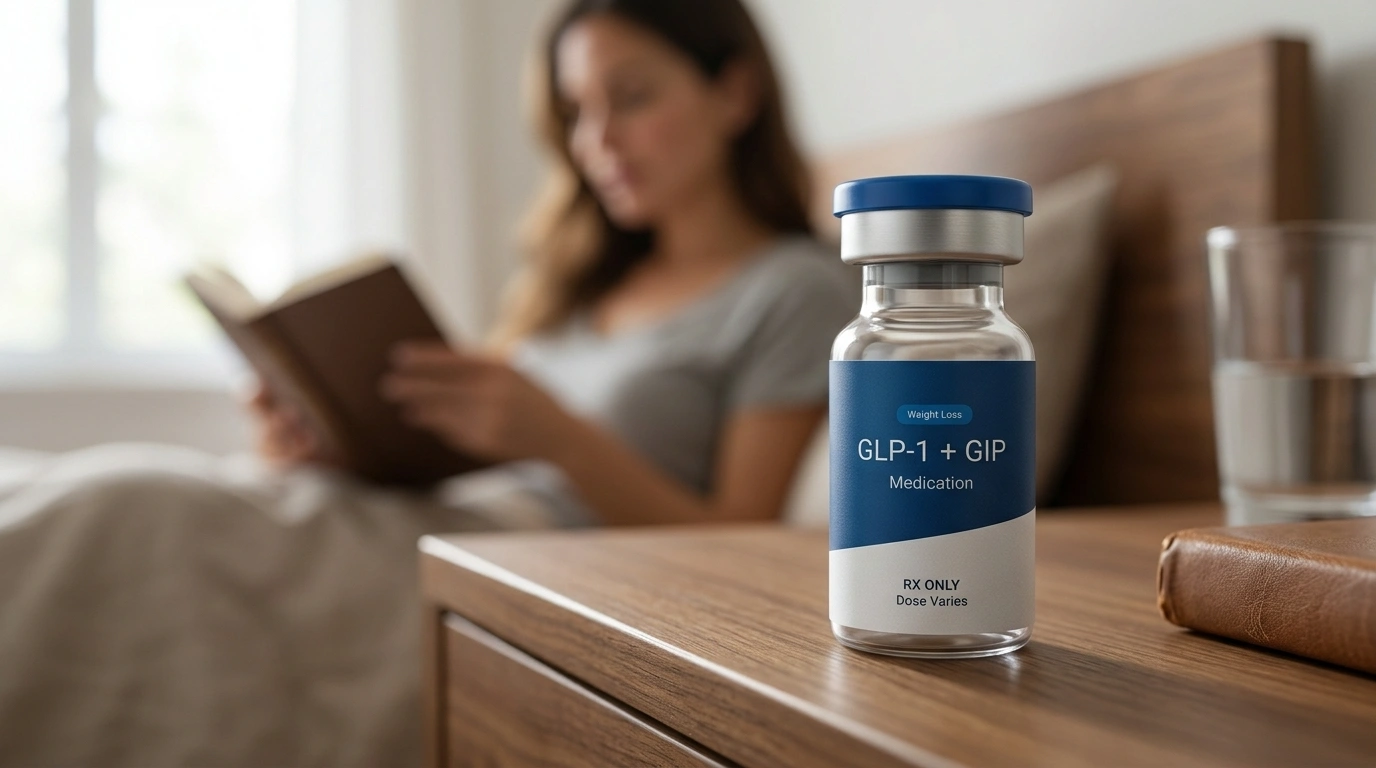
Starting a new medication often brings a wave of questions about the small details that make a big difference in your daily life. If you have recently been prescribed Zepbound®, you might find yourself staring at the injection pen and wondering if there is a “perfect” moment to use it. Many people find the morning too rushed or worry that side effects might interfere with their workday. This leads to a common question: can I take Zepbound before bed? At TrimRx, we believe that understanding the logistics of your treatment is essential for a stress-free weight loss journey. This article will explain why nighttime dosing is a popular choice, how it might affect your sleep, and how to find the schedule that works best for your body. The flexibility of this once-weekly treatment allows you to prioritize your comfort while working toward your health goals.
Quick Answer: Yes, you can take Zepbound® before bed. Clinical guidelines state that it can be administered at any time of day, with or without food. Many individuals choose nighttime injections to sleep through early side effects like nausea, though some may experience acid reflux or sleep disruptions.
If you are considering prescription treatment, you can complete a free eligibility assessment to explore whether a personalized program may be appropriate for you.
How Tirzepatide Works in Your Body
To understand why timing is flexible, it helps to know how the medication functions. Zepbound® contains the active ingredient tirzepatide. This is a dual receptor agonist, which means it mimics two different hormones in your body: glucagon-like peptide-1 (GLP-1) and glucose-dependent insulinotropic polypeptide (GIP). These hormones are naturally released by your gut when you eat. They signal your brain that you are full and help your body manage blood sugar levels.
Because tirzepatide is a long-acting medication, it does not work like a quick-acting pill that wears off in a few hours. It has a half-life of about five days. A half-life is the amount of time it takes for the concentration of the medication in your system to reduce by half. Since the medication stays in your bloodstream at a steady level for the entire week, the specific hour you choose for your injection does not change how effective it is for weight loss. Whether you inject at 8:00 AM or 10:00 PM, the metabolic support remains consistent.
For more background on injection technique and subcutaneous delivery, read this GLP-1 injection safety guide.
The Pros and Cons of Taking Zepbound at Night
Choosing to take your injection before bed is a strategic decision for many. However, everyone reacts differently to hormonal changes. It is important to weigh the potential benefits against the possible drawbacks to see if nighttime is the right fit for your routine.
Potential Benefits of Nighttime Dosing
Sleeping through initial nausea. Nausea is one of the most common side effects reported by those taking GLP-1 and GIP receptor agonists. For some, this feeling starts a few hours after the injection. By taking the dose right before sleep, you may be able to sleep through the peak of this initial discomfort.
Improved routine consistency. For many adults, the morning is a chaotic time of commuting, childcare, or preparing for work. The evening often offers a quieter environment where you can focus on proper injection technique and site rotation without feeling rushed.
Managing daytime fatigue. Some people report feeling a wave of tiredness shortly after their dose. If your body responds this way, taking the injection at night allows you to rest when your energy levels naturally dip anyway.
Potential Drawbacks of Nighttime Dosing
Risk of acid reflux. These medications work partly by slowing down gastric emptying, which is the process of food moving out of the stomach. If you eat a large dinner and lie down shortly after your injection, you may experience heartburn or acid reflux.
For a closer look at this issue, review what to know about Zepbound acid reflux.
Sleep disruptions. While many find that the medication helps them rest by easing daytime anxiety about food, a small number of people report “Zepbound insomnia.” This can manifest as vivid dreams, a slightly elevated heart rate, or difficulty falling asleep.
Injection site awareness. If you are sensitive to the sensation of the injection, you might find yourself over-focusing on the site while trying to drift off, which can make it harder to relax.
Key Takeaway: Nighttime dosing is a valid strategy to avoid daytime nausea, but it requires mindful meal timing to prevent acid reflux or heartburn.
Comparing Morning and Evening Injections
There is no medical requirement to choose one over the other. The “best” time is simply the one you can stick to every week. If you are undecided, consider how your typical day looks and how you generally feel after taking medication.
| Factor | Morning Injection | Evening Injection |
|---|---|---|
| Nausea Management | You are awake to use ginger or anti-nausea tools. | You may sleep through the initial onset. |
| Daily Routine | Best for those with a consistent “breakfast” habit. | Best for those with a calm “bedtime” ritual. |
| Acid Reflux Risk | Lower, as you remain upright and active. | Higher, especially if lying down after a meal. |
| Energy Levels | Fatigue might impact your work performance. | Fatigue occurs during your natural rest period. |
| Alertness | You can monitor for rare allergic reactions. | You might not notice mild shifts in how you feel. |
Managing Side Effects Regardless of Timing
Whether you decide to inject in the morning or before bed, the goal is to make the process as comfortable as possible. At TrimRx, we emphasize a holistic approach to weight management that goes beyond just the medication itself.
Focus on Hydration
Dehydration can significantly worsen nausea and fatigue. Make it a habit to drink plenty of water throughout the day of your injection. If you choose a nighttime dose, try to stay well-hydrated during the afternoon so you aren’t waking up frequently to use the bathroom during the night.
Mindful Meal Planning
Because the medication slows your digestion, “overstuffing” yourself can lead to discomfort. If you plan to take Zepbound® before bed, try to eat a lighter, protein-rich dinner at least two to three hours before you lie down. Avoid spicy or highly acidic foods on your injection day to minimize the risk of nighttime heartburn.
Use Nutrient Support
Many individuals find that certain supplements can help bridge the gap while their body adjusts to a new metabolic state. Our GLP-1 Daily Support supplement is designed to provide essential nutrients that may be lacking when your appetite is reduced.
The Weight Loss Boost supplement can support your energy levels if you find that the medication makes you feel slightly sluggish during the day.
The Importance of Consistency
While the hour of the day is flexible, the day of the week is not. The medication works best when maintained at a steady level in your system. Most people find it helpful to pick a “milestone” day, such as “Shot Sunday” or “Medicine Monday,” to ensure they never miss a dose.
If you do need to change your injection time or day, there are safety rules to follow. According to the prescribing information, you can change the day of your weekly dose as long as the time between two doses is at least 72 hours (three days).
How to Safely Shift Your Schedule
Step 1: Evaluate your current side effects. If you are switching from morning to night to avoid nausea, plan the shift for your next scheduled day.
Step 2: Check the 72-hour window. Ensure your last dose was at least three days ago before moving your injection to a new day or time.
Step 3: Update your reminders. Set a new alarm on your phone to reflect the change so you don’t accidentally skip a week.
Step 4: Monitor the transition. Take note of whether the new time improves your symptoms over the next two weeks.
Note: If you miss a dose, take it as soon as you remember within four days. If more than four days have passed, skip that dose and wait until your next regularly scheduled day. Never take two doses at once.
Identifying and Handling Sleep Changes
“Zepbound insomnia” is not a formally recognized clinical condition, but anecdotal reports from some users suggest that sleep patterns can shift during the first few weeks of treatment. This is often not caused by the medication itself but by the body’s reaction to eating fewer calories or changes in blood sugar.
If you find that taking the medication at night keeps you awake, try moving your dose to the morning. If the insomnia persists, it may be helpful to look at your caffeine intake or evening screen time. For any persistent sleep issues or significant changes in your heart rate, always consult a licensed healthcare provider.
Personalized Programs and Support
Every weight loss journey is unique. What works for one person’s schedule might not work for yours. This is why we focus on providing a telehealth platform that connects you with medical professionals who can tailor your program to your specific needs.
If you are exploring how prescription injections fit into a broader treatment plan, this guide explains how to get started with weight loss injections.
In some cases, a provider may determine that a different format is more suitable for your lifestyle. While Zepbound®, Wegovy®, and Mounjaro® are well-known branded options, some patients may be prescribed Compounded Tirzepatide or Compounded Semaglutide. These are prepared by FDA-registered, inspected compounding pharmacies. While compounded medications are not FDA-approved, they allow for personalized dosing that can be adjusted based on how your body responds to the treatment. This level of customization can be particularly helpful if you are struggling with side effects at specific times of the day.
Common Myths About Injection Timing
There is a lot of conflicting advice online. Let’s clarify a few common misconceptions.
Myth: Taking Zepbound® on an empty stomach makes it more effective.
Fact: This is an injectable medication that enters your bloodstream through subcutaneous fat. Food in your stomach does not change how it is absorbed.
Myth: You must take the injection at the exact same minute every week.
Fact: While a routine is helpful for your memory, being off by a few hours will not impact the clinical results.
Myth: Taking it at night guarantees you won’t feel nauseous.
Fact: While it helps many people sleep through the initial onset, some may still feel the effects the following morning.
For additional guidance on placement and site rotation, see this guide to the best GLP-1 injection sites.
When to Contact a Professional
While adjusting your injection timing is generally a matter of personal preference, certain symptoms require medical attention. You should reach out to your clinical team or a healthcare professional if you experience:
- Severe or persistent vomiting that prevents you from staying hydrated.
- Intense abdominal pain that radiates to your back.
- Signs of an allergic reaction, such as a rash, swelling, or trouble breathing.
- Significant mood changes or a persistent feeling of being “on edge” that affects your sleep.
Our platform provides 24/7 access to specialists who can help you navigate these concerns. Whether you are wondering about a dose increase or just need advice on managing a specific side effect, having expert guidance is a cornerstone of a safe experience.
Conclusion
The answer to “can I take Zepbound before bed?” is a definitive yes. The flexibility of tirzepatide allows you to mold your treatment around your life, rather than the other way around. If taking your injection at night helps you avoid daytime nausea or fits better into your evening wind-down routine, it is a perfectly acceptable choice. The key to long-term success is not the specific hour on the clock, but your ability to remain consistent with your weekly dose and your healthy lifestyle changes.
At TrimRx, we are committed to being your partner in this transformation. Our mission is to combine medical expertise with an empathetic, personalized approach to help you reach a healthier version of yourself. We provide a telehealth-first experience that removes the barriers of waiting rooms and busy clinics, giving you the support you need from the comfort of your home.
If you are ready to see how a personalized program can support your goals, the first step is simple. You can take the free assessment quiz to determine your eligibility and begin your journey toward sustainable weight management.
FAQ
Does the injection site change how Zepbound® works at night?
No, the medication is effective whether you inject it into your abdomen, thigh, or the back of your upper arm. However, some people find that certain sites, like the thigh, may result in slightly fewer gastrointestinal side effects. It is important to rotate your injection site each week to prevent skin irritation, regardless of what time you take your dose.
For more details, review this GLP-1 injection site and rotation guide.
Can I take Zepbound® if I have a late-night work shift?
Yes, you can take the medication whenever it fits into your “waking” schedule. If you work nights, your “morning” might be at 4:00 PM. The most important factor is finding a time when you are alert enough to administer the injection safely and can maintain that same timing consistently each week.
What should I do if I take Zepbound® at night and can’t sleep?
If you experience restlessness after a nighttime dose, try moving your next scheduled injection to the morning. You should also ensure you are eating enough calories during the day, as hunger can sometimes cause nighttime wakefulness. If sleep issues continue for more than a few weeks, consult your healthcare provider to rule out other causes.
Is it okay to drink alcohol before taking my dose at night?
It is generally recommended to limit or avoid alcohol while taking Zepbound®, especially on the day of your injection. Alcohol can increase the risk of nausea and acid reflux, which are already potential side effects of the medication. Mixing alcohol with a nighttime dose may also further disrupt your sleep quality.
Disclaimer: This content is for informational purposes only and does not constitute medical advice. It is not intended to diagnose, treat, cure, or prevent any disease or condition. Individual results may vary. Always consult a qualified healthcare professional before starting any weight loss program or medication.

Transforming Lives, One Step at a Time
Keep reading

Kids’ Birthday Party on Zepbound
If you have young children, birthday parties are a regular part of life: your own child’s, and the steady stream of classmates’ parties most…
Water Aerobics on Zepbound
For people with painful knees, hips, or backs, water aerobics and pool exercise are often the first kind of exercise that feels possible. The…

New Year’s Eve on Zepbound
New Year’s Eve is built around staying up late. There is usually a big dinner or a party spread, drinks through the evening, champagne…


