Ozempic 1 Month Weight Loss: What to Realistically Expect

During your first month on Ozempic (semaglutide), expect modest weight loss.
Clinical trial data from the STEP studies shows that participants lost approximately 2% of body weight during the first four weeks on the 0.25 mg starter dose. For most people, that translates to roughly 3 to 5 pounds.
If that sounds underwhelming compared to the dramatic transformations you’ve seen online, there’s a good reason. The first month isn’t designed for significant weight loss. It’s about letting your body adjust to the medication before moving to higher, more effective doses.
Why First Month Results Are Modest
The Ozempic dosing schedule starts low and increases gradually:
- Weeks 1 to 4: 0.25 mg (starter dose)
- Weeks 5 to 8: 0.5 mg
- Weeks 9+: 1.0 mg or higher
The 0.25 mg starter dose is intentionally sub-therapeutic for weight loss. Its purpose is to minimize side effects while your body adapts to having semaglutide in your system. The medication takes 4 to 5 weeks to reach “steady state,” meaning consistent levels in your bloodstream.
Real weight loss acceleration happens once you reach the 0.5 mg dose and continues improving at 1.0 mg and beyond.
What 2% Weight Loss Looks Like
Here’s what first-month results typically translate to at different starting weights:
| Starting Weight | 2% Loss |
|---|---|
| 180 lbs | 3.6 lbs |
| 200 lbs | 4 lbs |
| 220 lbs | 4.4 lbs |
| 250 lbs | 5 lbs |
| 280 lbs | 5.6 lbs |
These numbers might not seem impressive, but they represent the beginning of a process that typically leads to 14% to 15% total weight loss over the following months.
Week-by-Week Breakdown
Week 1: You’ve taken your first injection. Most people don’t notice dramatic changes yet. Some experience mild appetite reduction, while others feel no different. Side effects like mild nausea may appear.
Week 2: Semaglutide levels are building in your system but haven’t reached steady state. Appetite changes may become more noticeable. The scale might show a pound or two of loss, though this can be water weight fluctuation.
Week 3: Your body is adjusting to the medication. Side effects often peak and then begin subsiding. Appetite suppression typically becomes more consistent.
Week 4: You’re completing the first month and preparing to increase to 0.5 mg. Most people have lost 2% to 3% of body weight by now. The changes you’re feeling set the foundation for more significant results ahead.
Signs the Medication Is Working
Weight loss isn’t the only indicator that semaglutide is doing its job. During the first month, look for these positive signs:
Reduced appetite is the clearest signal. You might notice feeling less hungry between meals or being satisfied with smaller portions.
Quieter “food noise” means fewer intrusive thoughts about eating. Many people describe thinking about food less often throughout the day.
Earlier fullness during meals indicates the medication is affecting your satiety signals. You might find yourself leaving food on your plate naturally.
Reduced cravings for specific foods, especially sweets or high-calorie snacks, suggests the medication is influencing your food preferences.
If you’re experiencing these changes, you’re likely on track for meaningful results even if the scale hasn’t moved much yet.
Managing Common First Month Side Effects
Gastrointestinal side effects are common during the adjustment period. Research shows that 20% to 30% of participants experience mild side effects during the first month.
Nausea is the most frequently reported complaint. It typically appears within the first few days and improves within one to two weeks. Strategies that help include eating smaller meals, avoiding fatty foods, eating slowly, and staying upright after meals.
Constipation affects some users. Stay hydrated, include fiber in your diet, and maintain physical activity.
Sulfur burps bother some people. Eating slowly and avoiding carbonated beverages can help reduce this side effect.
Fatigue may occur as your body adjusts to reduced calorie intake. Ensure adequate protein and stay hydrated.
Most side effects improve significantly as your body adapts. If symptoms are severe or don’t improve, contact your healthcare provider.
Factors That Affect First Month Results
Not everyone loses exactly 2% in month one. Several factors influence individual outcomes:
Starting weight affects absolute pounds lost. Someone starting at 280 pounds might lose 5 to 6 pounds while someone at 180 pounds loses 3 to 4 pounds, even though both represent similar percentages.
Diabetes status matters. People with type 2 diabetes typically lose less weight than those without diabetes on the same doses.
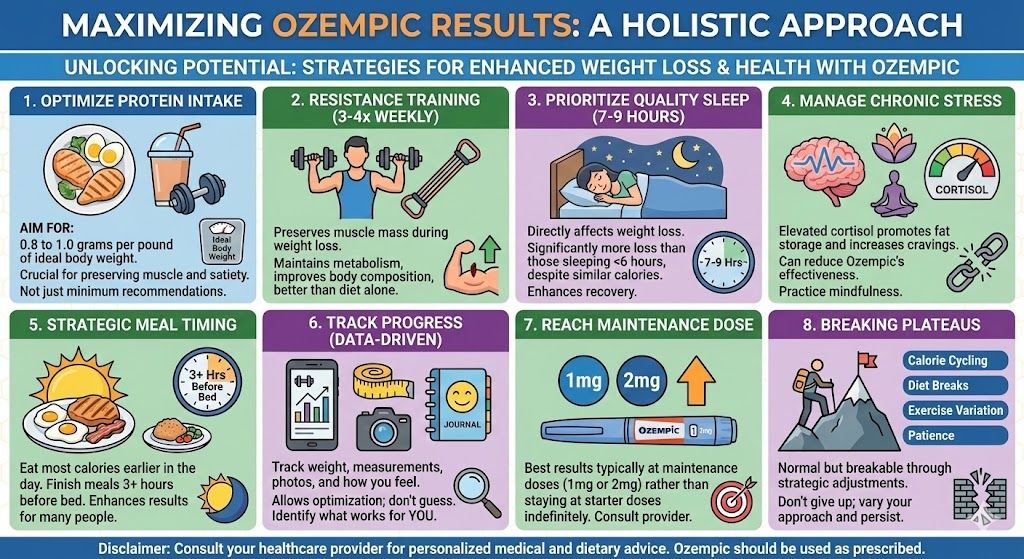
Diet quality influences results. While the medication reduces appetite, food choices still affect outcomes. Prioritizing protein and vegetables over processed foods maximizes results.
Physical activity contributes to weight loss. The clinical trials included recommendations for 150 minutes of weekly exercise.
Individual metabolism varies. Some people respond more quickly than others to semaglutide.
What Comes After Month 1
The first month sets the foundation for much greater changes. Here’s what typical progression looks like based on clinical data:
| Timeframe | Average Weight Loss |
|---|---|
| Month 1 | 2% |
| Month 2 | 3-4% |
| Month 3 | 5-6% |
| Month 6 | 10-12% |
| Month 12 | 14-15% |
A real-world study published in JAMA Network Open confirmed these trajectories, finding 5.9% weight loss at 3 months and 10.9% at 6 months in regular clinical practice.
When to Be Concerned
While modest first-month results are normal, certain situations warrant discussing with your provider:
- No appetite changes whatsoever by week 4
- Weight gain despite following recommendations
- Severe nausea that prevents eating or drinking
- Signs of dehydration
- Severe abdominal pain
Most people tolerate the first month well, but your provider can help troubleshoot if needed.
Setting Realistic Expectations
The dramatic before-and-after photos you see online represent months of treatment, not first-month results. Understanding this timeline helps avoid discouragement:
Month 1: Foundation phase. Expect 2% loss (3 to 5 pounds) and appetite changes.
Months 2 to 3: Acceleration begins. Expect an additional 3% to 4% loss as doses increase.
Months 4 to 12: Main weight loss phase. This is when the transformation becomes visible to others.
Patience during month one pays off. The people who achieve the best long-term results are those who stay consistent through the early adjustment period.
How Ozempic Compares to Alternatives
First-month results with Ozempic are similar to other GLP-1 medications:
Tirzepatide (Mounjaro/Zepbound): Also starts with a low dose (2.5 mg) during month one, producing similar modest early results before accelerating.
Diet and exercise alone: Typically produces 0.5% to 1% weight loss per month when sustained, making even the modest first-month Ozempic results comparatively strong.
The real differentiation between medications emerges at the 3-month mark and beyond.
Getting Started With Semaglutide
If you’re considering Ozempic or compounded semaglutide for weight loss, TrimRx offers telehealth consultations to help you understand your options. Compounded semaglutide provides the same active ingredient at more accessible prices.
You can take the intake quiz to see if you qualify.
The Bottom Line
Your first month on Ozempic will likely produce modest weight loss of around 2% (3 to 5 pounds), along with noticeable appetite changes. This is completely normal and expected. The starter dose prioritizes tolerability over results, setting the stage for the more significant weight loss that comes with higher doses.
Focus on the signs that the medication is working beyond the scale: reduced appetite, quieter food noise, and earlier fullness during meals. These changes predict success in the months ahead. Trust the process, manage side effects proactively, and know that month one is just the beginning.
This information is for educational purposes and is not medical advice. Consult with a healthcare provider before starting any medication. Individual results may vary.

Transforming Lives, One Step at a Time
Keep reading

Fiber on Ozempic: Why It Matters and How to Get Enough
Fiber is one of the most overlooked nutritional priorities for patients on Ozempic or semaglutide, and getting it wrong creates problems that are entirely…

Walking on Ozempic: How Much You Need and What It Adds
Walking is the most underrated tool in a GLP-1 patient’s toolkit. It’s low-impact, accessible, and adds meaningfully to weight loss results without the recovery…

Strength Training on Ozempic: Preserving Muscle While Losing Fat
Strength training on Ozempic isn’t optional if your goal is a good body composition outcome. The appetite suppression that makes semaglutide so effective for…


