Ozempic 2 mg Pen: Understanding Milliliters and Dosage for Your Journey
Introduction
Navigating the complexities of health management, especially when it involves specialized medications, can often feel like deciphering an intricate map without a clear legend. Many individuals embarking on a weight loss or health optimization journey with solutions like Ozempic® find themselves seeking precise details about their treatment, from its scientific underpinnings to the practicalities of its administration. Understanding exactly what you’re using, how it works, and how to use it safely and effectively is paramount to achieving your health goals.
Here at TrimRx, we recognize that true empowerment in health comes from clarity and informed decision-making. Our journey began with a shared vision to help individuals embrace healthier lifestyles by merging cutting-edge telehealth innovations with effective weight loss solutions. We believe that sustainable weight loss should be achieved through science, empathy, and a transparent approach, which is why we’re dedicated to providing comprehensive information to support you every step of the way.
This post is designed to demystify one specific aspect of this journey: the Ozempic 2 mg pen. We will delve into its specific contents, helping you understand precisely how many milliliters are in an Ozempic 2 mg pen and what that means for your dosage. Beyond the numbers, we’ll explore the science behind semaglutide, the medication Ozempic contains, and outline the typical dosage progression. You’ll gain practical insights into safe administration, proper storage, and how these details integrate into a broader, holistic strategy for health and weight management. Our aim is to equip you with the knowledge needed to feel confident and in control of your treatment plan, complementing the personalized, medically supervised care that is a cornerstone of our offerings. By the end of this article, you will have a clear and authoritative understanding of the Ozempic 2 mg pen and its role within your health journey.
Decoding the Ozempic Pen System: Focus on the 2 mg Pen
For many individuals engaged in a health transformation journey, clarity regarding their medication is a top priority. Ozempic, a widely recognized brand of semaglutide, is delivered through an advanced, self-injectable pen system designed for convenience and precision. While various pen strengths exist to accommodate different stages of treatment, understanding the specifics of each, especially the 2 mg pen, is crucial for effective use.
What Does “8 mg/3 mL” Mean for the 2 mg Pen?
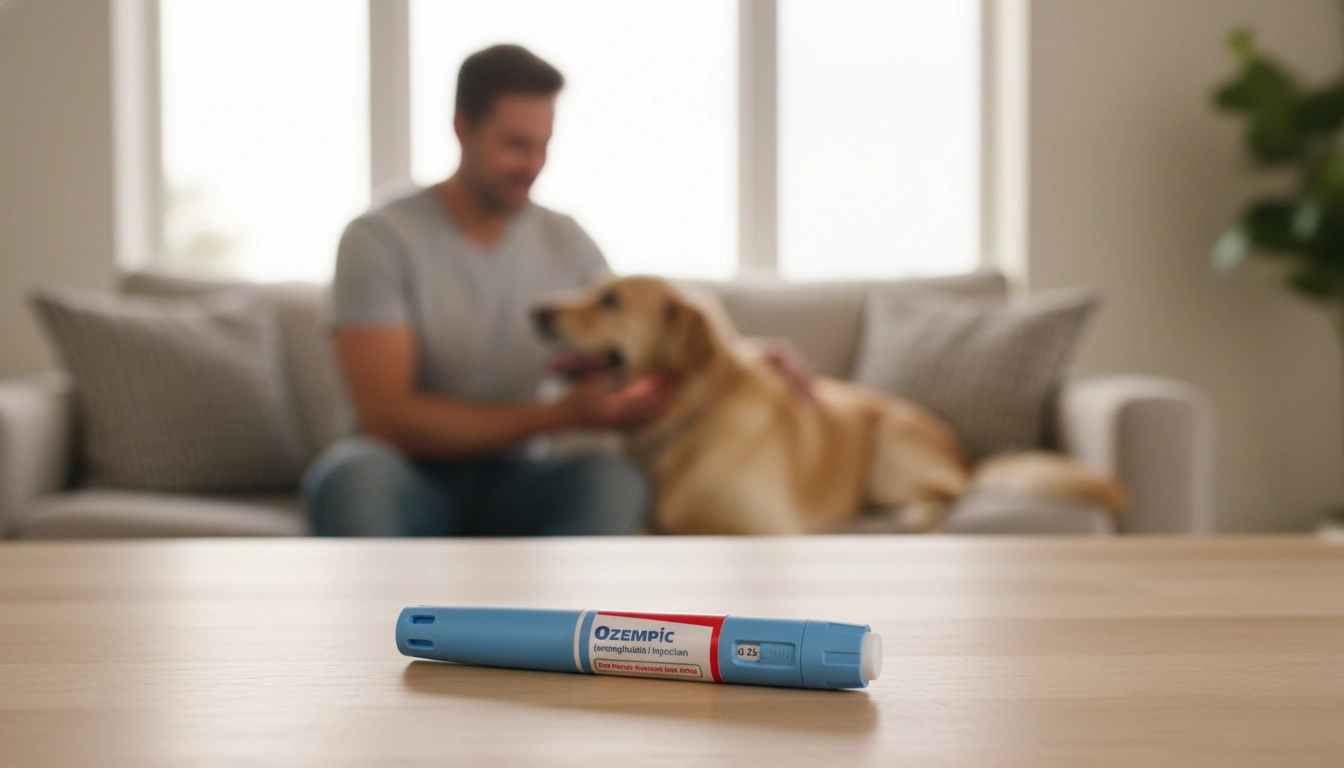
When you receive an Ozempic 2 mg pen, its label indicates “8 mg/3 mL.” This notation might lead to questions like “how many ml in Ozempic 2 mg pen?” and it’s important to understand what these figures represent. The “3 mL” signifies the total volume of liquid solution contained within the entire pen. The “8 mg” indicates the total amount of semaglutide active ingredient dissolved in that 3 mL of solution.
Therefore, the concentration of semaglutide in this particular pen is 8 mg divided by 3 mL, which equates to approximately 2.68 mg of semaglutide per milliliter of solution.
Crucially, while the pen contains a total of 3 mL of solution, a single 2 mg dose does not equate to 2 mL of liquid. The pen is engineered to deliver a precise 2 mg dose of semaglutide with each click of the dose selector, irrespective of the total volume. This means the pen delivers a small, consistent volume of the concentrated solution that contains exactly 2 mg of the active ingredient. The 2 mg pen is specifically designed to provide four weekly doses of 2 mg, making it a month’s supply for individuals on this maintenance dose. The pen’s internal mechanism ensures that only the correct dose is administered with each injection, simplifying the process for you.
Different Ozempic Pen Strengths
Ozempic pens are available in several configurations, each tailored to different dosing needs as prescribed by a healthcare provider. These typically include:
- The 0.25 mg or 0.5 mg pen: This pen usually contains 2 mg of semaglutide in 3 mL of solution (2 mg/3 mL). It’s typically used for treatment initiation, delivering four doses of 0.25 mg followed by two doses of 0.5 mg, or four maintenance doses of 0.5 mg.
- The 1 mg pen: This pen contains 4 mg of semaglutide in 3 mL of solution (4 mg/3 mL). It’s designed to deliver four weekly doses of 1 mg, typically for maintenance treatment.
- The 2 mg pen: As discussed, this pen contains 8 mg of semaglutide in 3 mL of solution (8 mg/3 mL). It’s specifically intended for maintenance treatment, delivering four weekly doses of 2 mg.
Each pen is color-coded and clearly labeled to help you identify the specific dosage it delivers. The purpose of having different pens is to ensure accuracy and to align with the typical dose escalation schedule, moving from lower starting doses to higher maintenance doses as appropriate for your individual response and therapeutic needs. This system underscores the importance of a personalized approach to medication, which is central to our philosophy at TrimRx, where we ensure your treatment plan is precisely tailored to your individual needs.
The Science of Semaglutide: Empowering Your Body’s Natural Systems
Understanding the mechanics of your medication pen is valuable, but equally important is comprehending the science behind the active ingredient itself. Ozempic contains semaglutide, a medication that belongs to a class known as Glucagon-Like Peptide-1 (GLP-1) receptor agonists. These medications work by mimicking the action of a natural hormone in your body, GLP-1, which plays a crucial role in regulating blood sugar and appetite.
How GLP-1 Agonists Work
The GLP-1 hormone is naturally released in your gut in response to food intake. Its primary functions include:
- Stimulating Insulin Release: When blood sugar levels are high (such as after a meal), GLP-1 prompts the pancreas to release insulin. Insulin is essential for moving glucose from the bloodstream into cells for energy.
- Suppressing Glucagon Secretion: GLP-1 also inhibits the release of glucagon, another pancreatic hormone that signals the liver to produce more sugar. By reducing glucagon, GLP-1 helps to lower glucose production by the liver.
- Slowing Gastric Emptying: GLP-1 agonists slow down the rate at which food leaves the stomach. This leads to a prolonged feeling of fullness, which can help reduce overall food intake and prevent rapid spikes in blood sugar.
- Promoting Satiety and Reducing Appetite: By acting on receptors in the brain, GLP-1 can influence appetite regulation, leading to a reduction in hunger and an increased feeling of fullness, consequently supporting weight management efforts.
The cumulative effect of these actions is improved blood sugar control, which is critical for individuals with type 2 diabetes. Furthermore, the impact on satiety and gastric emptying contributes significantly to weight loss, making semaglutide a valuable tool in comprehensive weight management strategies.
FDA Approvals and Therapeutic Uses
Ozempic (semaglutide) has received significant recognition from the Food and Drug Administration (FDA) for several key therapeutic indications:
- Type 2 Diabetes Mellitus: Ozempic is FDA-approved as an adjunct to diet and exercise to improve glycemic control in adults with type 2 diabetes. This means it helps individuals maintain healthier blood sugar levels.
- Cardiovascular Risk Reduction: For adults with type 2 diabetes and established cardiovascular disease, Ozempic is approved to reduce the risk of major cardiovascular events, such as heart attack, stroke, or death.
- Chronic Kidney Disease Risk Reduction: The FDA has also approved Ozempic to reduce the risk of worsening kidney disease and cardiovascular death in patients with type 2 diabetes and chronic kidney disease.
While Ozempic itself is not specifically FDA-approved for weight loss in all individuals, it is widely observed to promote significant weight reduction. This weight loss effect is a beneficial outcome for many patients using the medication for its approved indications. For those seeking dedicated weight management solutions, other forms of semaglutide (like Wegovy®) and tirzepatide (like Zepbound®) have received FDA approval specifically for chronic weight management.
At TrimRx, we leverage the power of these clinically proven solutions in our personalized weight loss programs. Our comprehensive approach ensures that individuals receive tailored plans, which may include options like compounded Semaglutide, Oral Semaglutide, Ozempic®, Compounded Tirzepatide, Oral Tirzepatide, Mounjaro®, Zepbound®, and Wegovy®. These medications are provided through FDA-registered and inspected pharmacies, adhering to the highest standards of safety and efficacy. To discover which option might be right for you, we encourage you to take our free assessment quiz.
Navigating Your Ozempic Dosage: A Personalized Approach
Embarking on a medication regimen requires not only understanding the medication itself but also appreciating the carefully structured dosage progression. Ozempic, like many effective treatments, follows a titration schedule designed to maximize benefits while minimizing potential side effects.
The Gradual Dose Escalation Strategy
When initiating Ozempic treatment, healthcare providers typically prescribe a low starting dose, which is then gradually increased over several weeks. This process, known as dose escalation or titration, is crucial for several reasons:
- Minimizing Side Effects: Starting with a lower dose allows your body to adjust to the medication, significantly reducing the likelihood and severity of common side effects, particularly gastrointestinal issues like nausea, vomiting, and diarrhea.
- Optimizing Efficacy: The gradual increase ensures that you reach the most effective dose that helps manage your blood sugar or supports your weight management goals without unnecessary discomfort.
- Individualized Response: Every individual’s body responds differently to medication. Titration allows your healthcare provider to observe your unique response and make informed decisions about subsequent dose adjustments.
A typical Ozempic dosage progression follows a pattern:
- Initiation Dose: You usually start with 0.25 mg once weekly for the first four weeks. This initial dose is primarily for acclimation and is not considered a therapeutically effective dose for long-term blood sugar lowering.
- First Increase: After four weeks, the dose is typically increased to 0.5 mg once weekly.
- Further Adjustment: If additional blood sugar control or weight management support is needed, and you tolerate the 0.5 mg dose well, your doctor may increase it to 1 mg once weekly after at least another four weeks.
- Maximum Maintenance Dose: For those who require further therapeutic effect, and after at least four weeks on the 1 mg dose, the dosage may be increased to 2 mg once weekly. The 2 mg dose is the highest approved maintenance dose for Ozempic for glycemic control. It is at this stage that the information regarding how many ml in Ozempic 2 mg pen becomes particularly relevant, as you transition to the pen specifically designed for this dosage.
It’s important to remember that this is a general guideline. Your specific dosing schedule will always be determined by your healthcare provider, taking into account your medical history, current health status, and response to treatment.
The Role of Medical Supervision in Dose Adjustments
The process of dose adjustment is a critical component of safe and effective treatment, underscoring the indispensable role of ongoing medical supervision. Without proper guidance, individuals risk suboptimal outcomes or increased side effects.
At TrimRx, our entire framework is built upon the principle of personalized, medically supervised care. We understand that your health journey is unique, and our approach reflects this belief. When you engage with our services, you receive:
- Expert Doctor Consultations: Our licensed medical professionals assess your health, discuss your goals, and prescribe a treatment plan that is precisely tailored to your individual needs.
- Ongoing Monitoring and Support: We believe in continuous support. Our team provides unlimited guidance, ensuring that your dosage adjustments are made safely and effectively, based on your progress and any feedback you provide. This compassionate care respects your unique journey.
- Transparent Service: Our commitment to transparent service means that our approach remains consistent, providing comprehensive care regardless of any dosage changes that your doctor may recommend.
Factors that influence your doctor’s decisions regarding dose adjustments include your blood sugar levels, weight loss progress, the presence and severity of side effects, and any other medications you may be taking. This careful, medically guided process ensures that you are always on the most appropriate and beneficial dose for your health. To explore how our medically supervised care can support your journey, we invite you to take our free assessment quiz.
Administering Your Ozempic Injection: Safety and Technique
The efficacy of your Ozempic treatment is significantly influenced by correct administration. Understanding the proper technique and adhering to safety guidelines ensures you receive the full benefit of your medication while minimizing risks.
Step-by-Step Injection Guidance
Using an Ozempic pen is designed to be straightforward, but precise execution is key:
- Preparation: Always start by washing your hands thoroughly. Remove the pen cap. Attach a new NovoFine Plus needle (typically provided with your Ozempic pen carton) by pushing it onto the pen and turning until it is secure. Remove both the outer and inner needle caps.
- Airflow Check (First-Time Use/New Pen): For a new pen, or if unsure, perform an airflow check to ensure the pen is ready. Dial the dose selector to the flow check symbol (two dots). Hold the pen with the needle pointing up and press and hold the dose button until the dose counter returns to 0. A drop should appear at the needle tip. If not, repeat this step up to 6 times. If still no drop, use a new pen.
- Select Your Dose: Turn the dose selector to the precise dose your doctor prescribed (e.g., 2 mg). The dose counter will show the selected dose.
- Choose an Injection Site: Ozempic is injected subcutaneously (under the skin). Recommended sites include the abdomen (at least 2 inches away from the belly button), the thigh, or the upper arm. Rotate your injection site with each dose to prevent skin irritation.
- Inject the Medication: Insert the needle into a fold of skin. Press and hold the dose button until the dose counter shows 0. Keep the needle under the skin and count slowly to 6 (or as instructed by your healthcare provider) to ensure the full dose is delivered.
- Withdraw the Needle: Carefully remove the needle from your skin.
- Discard the Needle: Immediately and safely remove the needle from the pen and dispose of it in an FDA-cleared sharps disposal container. Never recap the needle. Replace the pen cap on the pen.
It’s vital to use a new, sterile needle for each injection and never share your Ozempic pen with anyone, even if the needle has been changed. Sharing a pen carries the risk of transmitting infections. Our dedicated approach at TrimRx means we provide unlimited support and clear guidance on administration, ensuring you feel confident and safe throughout your treatment.
Ensuring a Full Dose: The Dose Counter
The Ozempic pen is equipped with a dose counter, a crucial feature that helps you confirm the delivery of your full prescribed dose and indicates how much medication remains in the pen.
- Before Injection: When you dial your dose, the dose counter confirms the selected amount.
- During Injection: As you press the dose button, the dose counter will count down to 0, signaling that the full dose has been delivered.
- Checking Remaining Medication: If you are unsure whether enough medication is left for a full dose, you can try to dial your prescribed dose. If the dose counter stops before reaching your full dose, it means there isn’t enough medication remaining in the pen, and you should use a new pen. Do not attempt to inject a partial dose. While you may see liquid remaining in the pen, this does not guarantee a full dose. Always rely on the dose counter.
Safe Disposal Practices
Proper disposal of used needles and pens is essential for safety and environmental protection.
- Sharps Disposal Container: Always dispose of used needles and the empty Ozempic pen in an FDA-cleared sharps disposal container immediately after use. If a commercial sharps container isn’t available, a heavy-duty plastic container with a tight-fitting, puncture-resistant lid (like a laundry detergent bottle) can be used, clearly labeled as “hazardous waste.”
- Never in Household Trash: Do not dispose of needles or pens in your household trash or recycling bin.
- Community Guidelines: Check with your local waste management services for specific guidelines on how to dispose of full sharps containers in your area.
At TrimRx, our commitment to safety extends beyond providing high-quality medications. We partner exclusively with FDA-registered and inspected pharmacies for the shipping of all weight loss medications, and we provide comprehensive information to ensure you understand safe usage, handling, and disposal practices.
Maximizing Efficacy: Storage and Handling Best Practices
Proper storage and handling of your Ozempic pen are critical to maintaining the medication’s effectiveness and ensuring your safety. Ignoring these guidelines can compromise the drug’s integrity, rendering it less potent or even unsafe.
Before First Use: Refrigeration is Key
Prior to its initial use, your Ozempic pen must be stored in the refrigerator. This specific temperature range is crucial for preserving the medication’s chemical stability:
- Temperature Range: Store unused Ozempic pens at temperatures between 36°F to 46°F (2°C to 8°C).
- Expiration Date: Unopened pens, when kept continuously refrigerated, may be used until the expiration date printed on the pen label and carton. Always check this date before use.
Maintaining this refrigerated environment protects the delicate protein structure of semaglutide, preventing degradation that could reduce its therapeutic effects.
After First Use: Flexibility and Expiration
Once you’ve used your Ozempic pen for the first time, the storage guidelines become more flexible, but with a strict time limit:
- Room Temperature or Refrigeration: After the first injection, you have the option to store your pen either at room temperature (between 59°F to 86°F or 15°C to 30°C) or continue to keep it in the refrigerator (36°F to 46°F or 2°C to 8°C).
- 56-Day Rule: Regardless of whether you store it at room temperature or in the refrigerator, you must dispose of the pen after 56 days from its first use. This is a crucial guideline, even if there is still medication left in the pen. The 56-day period accounts for potential bacterial contamination and chemical degradation once the pen has been opened and exposed to air.
- Avoid Freezing: Under no circumstances should Ozempic be frozen. If the medication has frozen, even if it has thawed, it must be discarded, as freezing can permanently damage the active ingredient.
- Protection from Light: Always keep the pen cap on when not in use to protect the medication from light.
Why Proper Storage Matters
Adhering to these storage and handling instructions is not merely a recommendation; it’s a vital part of your treatment regimen. Improper storage can lead to:
- Reduced Potency: Exposure to extreme temperatures (too hot or freezing) or prolonged periods outside the recommended duration can cause semaglutide to break down, making it less effective at controlling blood sugar or supporting weight loss.
- Increased Risk of Contamination: Once a pen has been punctured, there’s a slight risk of microbial contamination. The 56-day discard rule helps mitigate this risk, ensuring you use the medication when it’s safest.
- Inconsistent Dosing: A degraded or contaminated medication may not deliver the consistent, precise dose your body needs, impacting your health outcomes.
At TrimRx, we emphasize that every aspect of your medication use, from understanding how many ml in Ozempic 2 mg pen to its proper storage, contributes to the overall success of your personalized weight loss journey. Our commitment to safety and efficacy is unwavering, and we provide comprehensive guidance to ensure you feel secure and informed throughout your program.
Embracing a Holistic Weight Management Journey with TrimRx
Understanding the specifics of your Ozempic pen and the science behind semaglutide is a powerful step, yet it represents just one component of a truly effective and sustainable weight management strategy. At TrimRx, we firmly believe that lasting health transformations are built upon a holistic foundation, where medication works in harmony with comprehensive lifestyle adjustments and unwavering support.
Medication as One Piece of the Puzzle
While medications like Ozempic, Semaglutide, and Tirzepatide derivatives are groundbreaking tools that can significantly aid in weight loss and metabolic health, they are most impactful when integrated into a broader plan. This holistic approach typically includes:
- Balanced Nutrition: Adopting dietary habits that nourish your body, manage calorie intake, and support metabolic function.
- Regular Physical Activity: Incorporating exercise that suits your fitness level and preferences, contributing to calorie expenditure, muscle health, and overall well-being.
- Lifestyle Modifications: Addressing factors such as sleep quality, stress management, and emotional eating patterns, all of which profoundly influence weight and health.
- Behavioral Support: Developing new habits and coping mechanisms to maintain long-term changes.
The synergy created by combining medication with these foundational pillars of health is what drives truly sustainable results, moving beyond temporary fixes to foster enduring wellness.
Our Personalized Weight Loss Programs
At TrimRx, our journey began with a shared vision to help individuals embrace healthier lifestyles by merging cutting-edge telehealth innovations with effective weight loss solutions. We understand that each person’s path to wellness is unique, and our platform is a user-friendly and supportive space where individuals receive personalized, medically supervised care—all designed to make sustainable weight loss attainable and tailored to the individual. We believe that sustainable weight loss should be achieved through science, empathy, and a transparent approach.
We offer a comprehensive suite of solutions tailored to your individual needs and health profile:
Prescription Weight Loss Solutions
For those who qualify, our personalized weight loss programs include access to clinically proven prescription medications, delivered with the highest standards of safety and care:
- Compounded Semaglutide: A highly effective GLP-1 receptor agonist, similar to Ozempic, meticulously prepared by our partner pharmacies.
- Oral Semaglutide: An oral form of semaglutide for those who prefer not to inject.
- Ozempic®: The FDA-approved branded semaglutide injection, primarily for type 2 diabetes but often leading to significant weight loss.
- Compounded Tirzepatide: A dual GIP/GLP-1 receptor agonist, offering another powerful option for metabolic and weight management.
- Oral Tirzepatide: An oral option for tirzepatide.
- Mounjaro®: The FDA-approved branded tirzepatide injection, primarily for type 2 diabetes.
- Zepbound®: The FDA-approved branded tirzepatide injection specifically for chronic weight management.
- Wegovy®: The FDA-approved branded semaglutide injection specifically for chronic weight management.
We are committed to your safety, which is why all prescription medications, whether branded or compounded, are provided through FDA-registered and inspected pharmacies. For branded medications like Ozempic®, Mounjaro®, Zepbound®, and Wegovy®, we can confidently reference their specific FDA approvals for their indicated uses. To determine your eligibility and receive a personalized treatment plan, we encourage you to take our free assessment quiz.
Quick-Access Supplements for Comprehensive Support
Beyond prescription medications, we offer immediate support supplements designed to complement your journey and promote overall wellness:
- GLP-1 Daily Support: Formulated to support your body’s natural GLP-1 functions, aiding in appetite control and digestive health.
- Weight Loss Boost: Designed to enhance metabolic processes and provide additional support for your weight loss goals.
These supplements are available for immediate purchase, offering flexible options to support various aspects of your health journey.
Our brand personality is deeply empathetic, innovative, trustworthy, supportive, results-oriented, and personalized. We offer compassionate care that respects every individual’s unique journey by combining advanced medical science with modern technology. Our comprehensive service includes doctor consultations, medication, lab work, unlimited support, and shipping with no hidden fees, ensuring a transparent and empowering experience.
Understanding Potential Side Effects and Proactive Management
While medications like Ozempic offer significant benefits, it’s equally important to be aware of potential side effects and how to manage them. Being informed allows you to proactively address any discomfort and maintain open communication with your healthcare provider.
Common Gastrointestinal Side Effects
The most frequently reported side effects of Ozempic, particularly during the initial phases of treatment and dose escalation, are gastrointestinal in nature. These include:
- Nausea: This is often the most common side effect. It can range from mild to moderate and typically subsides as your body adjusts to the medication.
- Vomiting: While less common than nausea, some individuals may experience episodes of vomiting.
- Diarrhea or Constipation: Changes in bowel habits are also frequently reported.
- Abdominal Pain: Some users may experience discomfort or pain in the stomach area.
Management Strategies:
- Gradual Titration: The dose escalation strategy (starting low and increasing gradually) is specifically designed to mitigate these effects.
- Dietary Adjustments: Eating smaller, more frequent meals, avoiding fatty or spicy foods, and staying well-hydrated can help manage nausea and other digestive issues.
- Timing of Meals: Some find it helpful to avoid eating right before bed.
- Communication: Always inform your healthcare provider about any persistent or severe side effects. They may recommend further adjustments or strategies.
Our compassionate care at TrimRx recognizes that managing these side effects is part of your unique journey. Our commitment to transparent service ensures that you receive consistent support and guidance through any adjustments needed.
Less Common but Serious Side Effects
While rare, it’s crucial to be aware of more serious potential side effects that require immediate medical attention:
- Pancreatitis: Symptoms include severe pain in your stomach area that may spread to your back, with or without vomiting.
- Gallbladder Problems: This can manifest as severe pain in the upper abdomen, fever, yellowing of the skin or eyes (jaundice), or clay-colored stools.
- Kidney Problems (Acute Kidney Injury): Dehydration from severe nausea, vomiting, or diarrhea can sometimes lead to acute kidney injury. Signs include a significant change in the amount of urine. Individuals with pre-existing kidney conditions may be at higher risk.
- Diabetic Retinopathy Complications: For individuals with a history of diabetic retinopathy, there’s a potential for temporary worsening of vision.
- Thyroid C-cell Tumors: In animal studies, semaglutide caused thyroid C-cell tumors. It is unknown if this medication causes similar tumors in humans. Individuals with a personal or family history of medullary thyroid carcinoma (MTC) or Multiple Endocrine Neoplasia syndrome type 2 (MEN 2) should not use Ozempic. Report any unusual neck lump, difficulty swallowing, shortness of breath, or persistent hoarseness to your doctor immediately.
- Severe Allergic Reactions: Symptoms such as rash, itching, swelling of the face, lips, tongue, or throat, or difficulty breathing require emergency medical care.
The Importance of Open Communication
Your journey with Ozempic or any weight loss medication is a partnership between you and your healthcare team. Open and honest communication about your experiences, including any side effects, is vital.
At TrimRx, we are committed to providing a supportive environment where you feel comfortable discussing all aspects of your treatment. Our platform offers unlimited support, enabling you to communicate with medical professionals who can provide timely advice, adjust your plan as needed, and ensure your safety and comfort. This personalized attention is a cornerstone of our results-oriented approach, designed to help you navigate your journey with confidence and achieve sustainable results.
Conclusion
Understanding the intricacies of your medication, from deciphering how many ml in Ozempic 2 mg pen to the nuanced mechanisms of semaglutide, is a powerful foundation for a successful health journey. We’ve explored the precise contents of the Ozempic 2 mg pen, highlighted the scientific action of GLP-1 agonists, detailed the importance of dosage progression under medical supervision, and provided essential guidance on safe administration and storage. This knowledge empowers you to approach your treatment with confidence and clarity.
At TrimRx, we believe that true well-being is achieved through a holistic and personalized approach. Our journey began with a vision to integrate cutting-edge telehealth with effective, medically supervised weight loss solutions. We stand as your dedicated partner, offering a user-friendly and supportive platform where science, empathy, and transparency guide every step. Our brand is built on being empathetic, innovative, trustworthy, supportive, results-oriented, and deeply personalized, ensuring that your unique journey is respected and supported with advanced medical science and modern technology. We pride ourselves on transparent service, including doctor consultations, medication, lab work, unlimited support, and shipping, all with no hidden fees.
Whether you are exploring the potential of prescription medications like Compounded Semaglutide, Ozempic®, Compounded Tirzepatide, or Zepbound®, or seeking immediate support from our GLP-1 Daily Support and Weight Loss Boost supplements, we are here to guide you. We work exclusively with FDA-registered and inspected pharmacies to ensure the highest standards of safety and quality for your medications.
Take the next step towards a healthier, more vibrant you. Empower your journey with personalized care and comprehensive support. Take our free assessment quiz today to see if you qualify for our prescription weight loss solutions and discover a plan that is truly tailored to you.
Frequently Asked Questions (FAQ)
How many total doses are in an Ozempic 2 mg pen?
An Ozempic 2 mg pen contains a total of 8 mg of semaglutide in 3 mL of solution. It is designed to deliver four weekly doses of 2 mg, making it a one-month supply for individuals prescribed this maintenance dose.
Is Ozempic solely for diabetes, or can it help with weight loss?
Ozempic is FDA-approved for improving blood sugar control in adults with type 2 diabetes and to reduce the risk of major cardiovascular events and worsening kidney disease in certain patients. While not specifically FDA-approved for chronic weight management for all individuals (unlike Wegovy® or Zepbound®), it often leads to significant weight loss as a beneficial side effect. At TrimRx, we integrate clinically proven medications like Ozempic into personalized, medically supervised weight loss programs, alongside other GLP-1 and GIP/GLP-1 receptor agonists, for appropriate candidates.
How do I know when my Ozempic pen is empty?
You can determine if your Ozempic pen is empty by attempting to dial your full prescribed dose. If the dose counter on the pen stops before reaching your complete dose, it indicates that there isn’t enough medication left for a full injection. Even if you see liquid remaining in the pen, always rely on the dose counter for accuracy. If there isn’t enough for a full dose, you should use a new pen.
What is the significance of the “ml” in the Ozempic 2 mg pen?
The “ml” (milliliters) in the Ozempic 2 mg pen, specifically “8 mg/3 mL,” refers to the total volume of the liquid solution contained within the pen, which is 3 milliliters. This indicates the concentration of semaglutide (8 mg) within that total volume. It’s important to understand that your 2 mg dose is a precise amount of the active ingredient delivered by the pen’s mechanism, not necessarily 2 mL of the solution itself. The pen ensures that a consistent, small volume of the concentrated solution, containing exactly 2 mg of semaglutide, is administered with each injection.

Transforming Lives, One Step at a Time
Keep reading

Does Ozempic Affect Sleep: What Patients Experience
Sleep changes on Ozempic catch a lot of patients off guard. You might expect nausea or reduced appetite, but disrupted rest isn’t something most…

Ozempic While Sick: Managing Colds, Flu, and Illness
Getting sick while on Ozempic raises questions that don’t always have obvious answers. Should you take your dose as usual? What happens if you…

Ozempic and Gas: Why It Happens and How to Manage It
Gas is one of those Ozempic side effects that people don’t always bring up with their doctor but absolutely notice. Excess flatulence, bloating, and…


