Ozempic and Alcohol: Social Drinking Guide
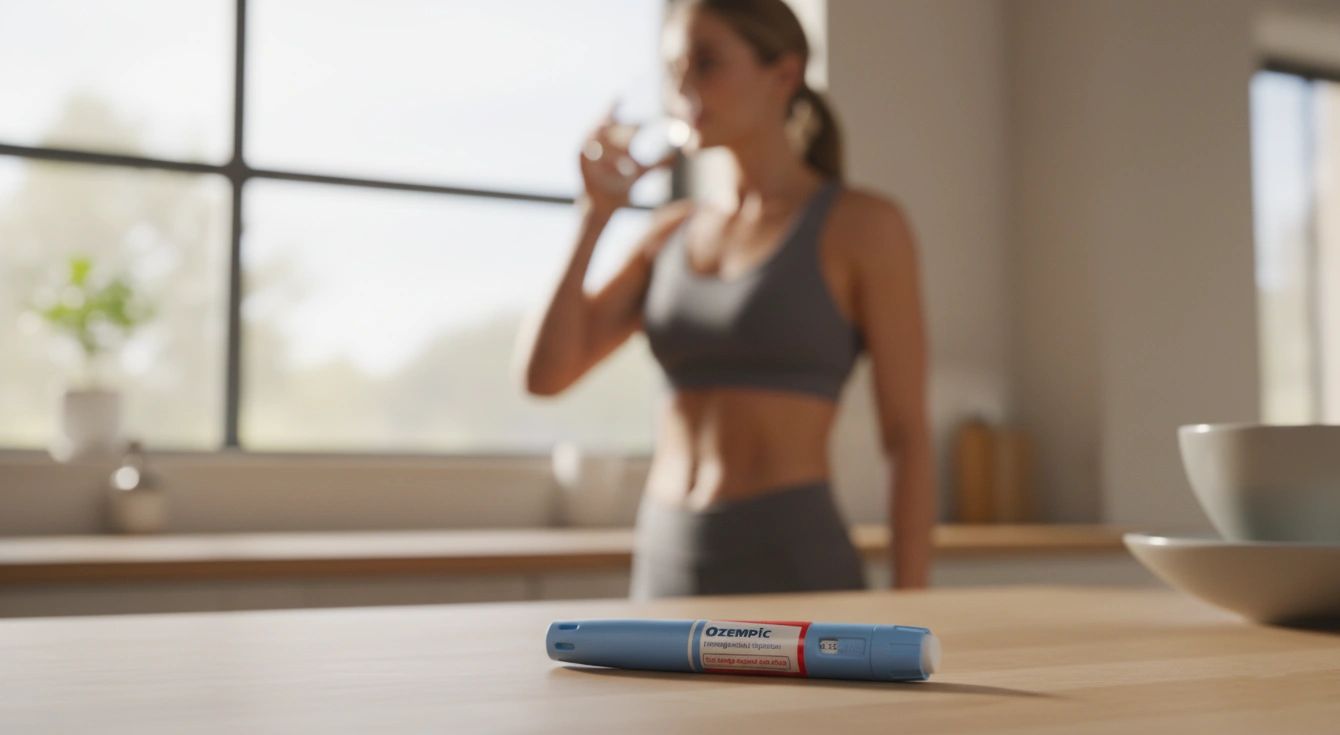
One of the more common questions people have after starting Ozempic is whether they can still have a drink at a work event, a dinner out, or a weekend gathering. The short answer is that moderate alcohol consumption is not prohibited on Ozempic, but there are some real interactions worth understanding before you pour that glass of wine. Knowing what’s actually happening in your body makes it much easier to make smart choices in social situations without feeling like you’re constantly navigating restrictions.
What Happens When Alcohol and Ozempic Mix
Ozempic doesn’t have a direct pharmacological interaction with alcohol the way some medications do. There’s no dangerous chemical reaction, and having a drink won’t render your medication ineffective. What does happen is more subtle, and it plays out across a few different systems.
Blood sugar effects. Ozempic lowers blood sugar as part of how it works. Alcohol also lowers blood sugar, particularly when consumed without food. For people using semaglutide for weight loss rather than diabetes management, this is a lower-stakes concern than it would be for someone on insulin, but it’s still worth knowing. Drinking on an empty stomach while on Ozempic increases the risk of hypoglycemia symptoms: dizziness, shakiness, confusion, and fatigue. Eating something before or while drinking reduces that risk considerably.
Intensified alcohol effects. A significant number of people on GLP-1 medications report that alcohol hits harder than it used to. The mechanism isn’t fully established, but slower gastric emptying, which is one of the core ways Ozempic works, means alcohol is absorbed more gradually but also lingers longer in your system. Some people find that one or two drinks produces effects they previously associated with three or four. This isn’t dangerous on its own, but it catches people off guard if they’re not expecting it.
Nausea stacking. Both alcohol and Ozempic can cause nausea independently. Combining them, especially in the early weeks of treatment when GI side effects are most active, increases the chance of feeling genuinely unwell. This tends to improve once you’re past the initial adjustment period and at a stable dose.
How Ozempic May Actually Reduce Your Desire to Drink
Here’s something genuinely interesting that researchers have been paying attention to: GLP-1 receptor agonists appear to reduce alcohol cravings in some people. This isn’t a listed indication for the medication, but it’s been observed consistently enough that clinical trials are actively investigating it.
The proposed mechanism involves the reward pathways in the brain. GLP-1 receptors are present in areas associated with dopamine-driven reward behavior, the same pathways involved in food cravings and, it turns out, alcohol and substance cravings. By modulating those pathways, semaglutide may dampen the appeal of alcohol alongside its effects on food.
Anecdotally, many people starting Ozempic report that they simply want to drink less. They find alcohol less appealing, feel its effects more strongly at lower quantities, and naturally moderate their intake without much conscious effort. For people who previously found social drinking hard to limit, this can be an unexpected benefit.
A study published in Biological Psychiatry found that GLP-1 receptor agonists reduced alcohol intake in preclinical models and showed promising early results in humans, supporting the idea that this medication class may have meaningful effects on alcohol use beyond weight loss.
Practical Guidelines for Drinking Socially on Ozempic
None of this means you need to give up alcohol entirely while on GLP-1 treatment. What it means is approaching social drinking with a bit more awareness, especially early in treatment.
Eat before and during. This is the single most important habit. Food slows alcohol absorption and stabilizes blood sugar. Never drink on a completely empty stomach while on Ozempic.
Start with less than you think you need. Given that many people find alcohol hits harder on this medication, a reasonable approach at a social event is to have one drink and genuinely assess how you feel before having another. You may find one drink is plenty.
Avoid high-sugar mixers and cocktails. Sweet drinks cause sharper blood sugar spikes followed by drops, which compounds the blood sugar-lowering effects of both the medication and the alcohol. Wine, light beer, or spirits with soda water tend to be more manageable options.
Know your early treatment period is different. The first two to three months of Ozempic treatment, when doses are escalating and your body is adjusting, is when GI side effects and alcohol sensitivity are highest. Being more conservative during this window and reassessing once you’re at a stable dose makes sense.
Have a non-alcoholic option in hand. At social events where drinking is expected, having sparkling water with lime in a glass means you’re never standing empty-handed and fielding questions about why you’re not drinking. Most people find this simple swap eliminates social pressure entirely.
What to Watch Out For
There are a few situations where the combination of Ozempic and alcohol warrants more caution.
If you’re also taking medications for blood pressure, anxiety, or sleep, alcohol interacts with those independently of your GLP-1 medication. Layering multiple interactions can produce effects that are harder to predict.
If you have a history of pancreatitis, alcohol is already a known risk factor for pancreatic inflammation, and Ozempic carries a rare but noted association with pancreatitis risk. Your provider should know your history before you start treatment, but it’s worth being aware of if this applies to you.
If you notice that your alcohol tolerance has dropped significantly and you’re still drinking at your previous pace, that’s a signal to recalibrate. Feeling more intoxicated than expected is a safety issue in contexts involving driving or other risks.
Connecting This to Your Broader Treatment Goals
For most people on semaglutide, the relationship with alcohol naturally shifts over time. Reduced cravings, stronger effects at lower quantities, and the general reorientation toward health that often accompanies weight loss treatment tend to move people toward more moderate drinking without it feeling like deprivation.
This fits into the broader picture of how GLP-1 medications work. They’re not a rigid set of rules. They’re a biological tool that changes how your body responds to food, drink, and appetite signals, often in ways that make healthier choices easier rather than harder.
If you’re managing social situations that involve heavy drinking culture, whether that’s client entertainment, industry events, or social circles where alcohol is central, it’s worth having a simple script ready. “I’m watching what I drink lately” covers it for most situations without requiring explanation.
For people currently on treatment who are troubleshooting other aspects of their results, the Ozempic plateau guide covers what to do when weight loss slows, including how lifestyle factors like alcohol consumption can contribute to stalls.
If you haven’t started treatment yet and are weighing your options, the TrimRx intake assessment is the starting point for getting a personalized recommendation based on your health profile and goals.
The reality is that Ozempic and moderate social drinking can coexist. It just takes a bit more awareness than drinking without medication, particularly in the early months. Once you know how your body responds, most people find a comfortable rhythm that works for their social life and their treatment at the same time.
This information is for educational purposes and is not medical advice. Consult with a healthcare provider before starting any medication. Individual results may vary.

Transforming Lives, One Step at a Time
Keep reading

What “Ozempic Vulva” Really Is and Why Weight Loss Changes It
If you’ve noticed that your vulva looks different after losing weight on a GLP-1 medication, you’re not imagining it, and you’re not alone. “Ozempic…

Ozempic Alternatives: Your Options Compared
If Ozempic isn’t the right fit, whether because of cost, side effects, availability, or results, you have real alternatives. The closest ones are other…
Ozempic vs Wegovy: Same Drug, Different Purpose
Here’s the fact that surprises most people: Ozempic and Wegovy are the same medication (semaglutide), just sold under different brand names, at different doses,…


