Ozempic and Anxiety: Side Effects and What to Watch For
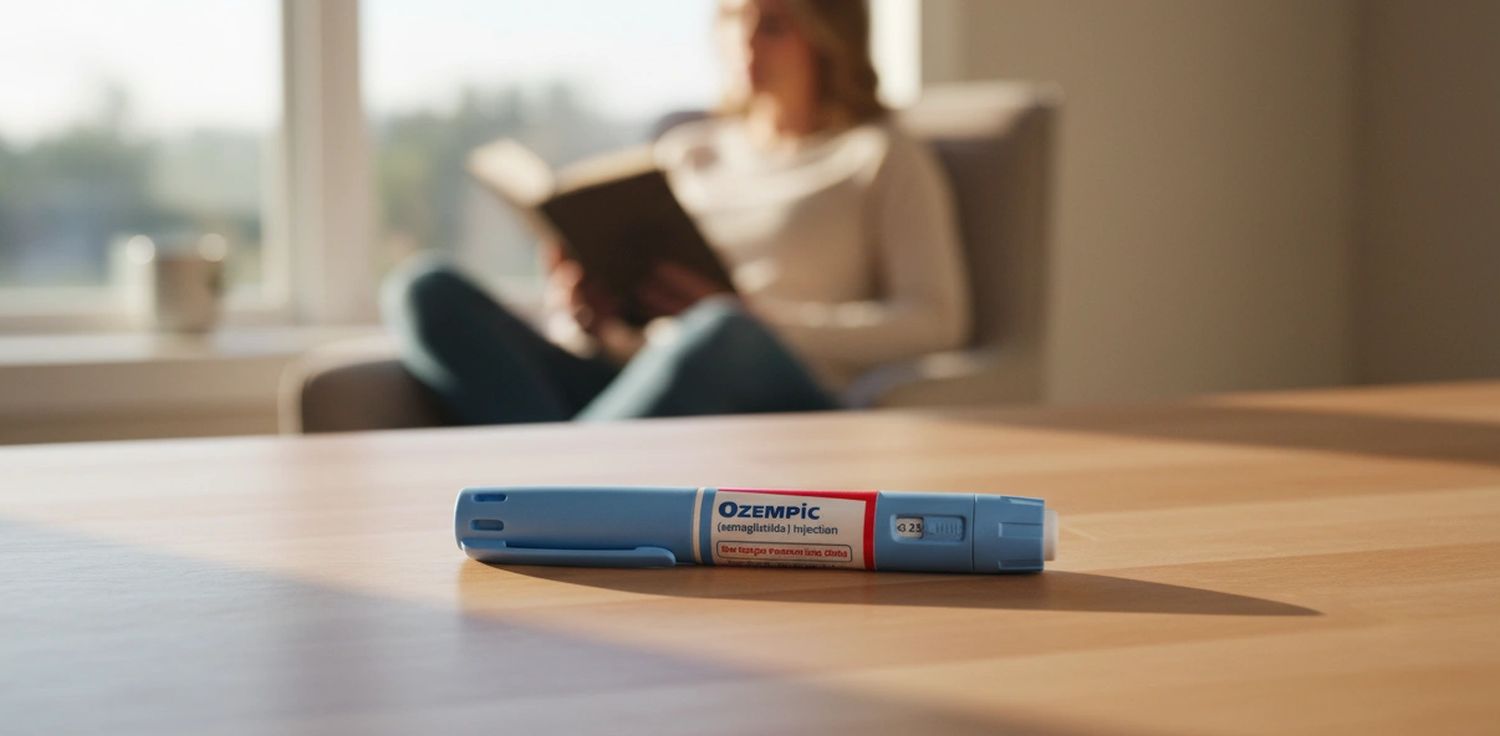
Anxiety isn’t listed as a primary side effect of Ozempic in the official prescribing information, but it shows up often enough in patient reports that it’s worth addressing directly. Some people starting semaglutide notice increased nervousness, restlessness, or a general sense of unease, particularly in the early weeks of treatment. Understanding where that comes from, and how to distinguish a temporary adjustment response from something that needs clinical attention, makes the experience easier to manage.
How Ozempic Interacts With the Brain’s Stress System
To understand why anxiety can occur on semaglutide, it helps to revisit the basics of how the medication works in the brain. GLP-1 receptors are distributed throughout the central nervous system, including in regions involved in stress response and emotional regulation. The amygdala, which plays a central role in fear and anxiety processing, contains GLP-1 receptors. So does the hypothalamus, which regulates the body’s stress hormone cascade.
When semaglutide activates those receptors, the effects aren’t uniform across all patients. For some, GLP-1 activation in these regions appears to have a calming effect. For others, particularly during the early adjustment period, it can produce a kind of neurological unsettledness that manifests as anxiety symptoms. This isn’t a sign the medication is harmful. It’s a sign the brain is responding to a new input and hasn’t fully calibrated yet.
The Physical Side Effects That Can Mimic or Trigger Anxiety
One of the more underappreciated contributors to anxiety on Ozempic is the physical side effect profile, particularly in the first weeks of treatment.
Nausea, heart palpitations, dizziness, and gastrointestinal discomfort are all relatively common early on. Each of these physical sensations can activate the body’s threat detection system. The heart beats a little faster, you feel slightly off, and the brain, doing its job, interprets those signals as a potential problem. For people who are already prone to health anxiety or who are sensitive to internal physical sensations, this can tip fairly easily into genuine anxiety symptoms.
This mechanism, where physical sensations from medication side effects trigger anxiety, is particularly common in people with a history of panic disorder or generalized anxiety. It’s not the semaglutide acting directly on anxiety circuits so much as the body’s response to unfamiliar physical sensations creating a feedback loop.
Consider this scenario: a patient three weeks into Ozempic treatment notices intermittent nausea and occasional heart fluttering after injections. She starts dreading injection day, worrying about how she’ll feel afterward. The anticipatory anxiety compounds the physical discomfort, and within a few weeks she’s describing significant anxiety that feels out of proportion to what she was experiencing before starting the medication.
Working with her provider to adjust injection timing and add antiemetic support during the adjustment period breaks the cycle. The physical discomfort decreases, the anticipatory anxiety settles, and she continues treatment successfully.
Changes in Eating Patterns and Anxiety
Another underrecognized contributor is the change in eating behavior that semaglutide produces. For many people, food serves a genuine anxiety-regulating function. It’s a way to self-soothe, create routine, and produce short-term neurochemical relief from stress. When appetite drops significantly and the usual eating patterns are disrupted, that regulatory mechanism is suddenly less available.
This can create a kind of free-floating anxiety in people who have relied on food for emotional regulation, sometimes without being fully aware of it. The medication has effectively removed a coping tool before a replacement is in place. That’s not a reason to avoid treatment. But it is a reason to be intentional about building other stress management strategies early in the process.
Physical activity is a particularly useful replacement because it addresses anxiety through multiple pathways simultaneously. Exercise reduces cortisol, supports mood, and provides a reliable sense of accomplishment. The article on best exercises on Ozempic offers practical guidance on building movement into your routine in a way that works alongside the medication.
Blood Sugar Fluctuations as a Contributing Factor
In patients without diabetes, semaglutide can occasionally produce mild hypoglycemic-adjacent symptoms, not true hypoglycemia in most cases, but blood sugar fluctuations that produce symptoms including shakiness, lightheadedness, and increased heart rate. These symptoms overlap significantly with anxiety, and distinguishing between the two can be genuinely confusing.
If your anxiety symptoms tend to occur at particular times of day, especially if you’ve been skipping meals or eating significantly less than usual, blood sugar is worth considering as a contributing factor. Eating regular small meals with adequate protein helps stabilize blood sugar and can reduce these symptoms. The guidance on how much protein you need on Ozempic is relevant here, since protein intake supports both satiety and blood sugar stability.
People With Pre-Existing Anxiety: What to Expect
If anxiety is already part of your health history, starting a medication that interacts with brain chemistry warrants some extra attention. That doesn’t mean GLP-1 treatment is off the table. For many people with anxiety disorders, the treatment goes smoothly and the physical and psychological benefits of weight loss over time actually reduce baseline anxiety levels.
But the early adjustment period may be more challenging. It’s worth informing both your prescribing provider and any mental health provider you work with that you’re starting semaglutide, so that any changes in your anxiety can be evaluated in context rather than in isolation. Dose titration, which involves starting at a low dose and increasing gradually, gives the nervous system more time to adjust and tends to produce a smoother experience for anxiety-prone patients.
When Anxiety on Ozempic Warrants Clinical Attention
Most anxiety that appears during early semaglutide treatment is transient and tied to the adjustment period, the physical side effects, or the behavioral changes in eating. It tends to settle within the first four to six weeks as the body adapts and side effects diminish.
The situations that warrant more active clinical attention include anxiety that is severe or significantly impairing, anxiety that worsens rather than stabilizes after the initial adjustment period, new onset panic attacks, or anxiety accompanied by other symptoms like persistent insomnia, significant mood changes, or thoughts of self-harm. These presentations deserve prompt communication with your provider rather than a wait-and-see approach.
It’s also worth noting that anxiety and depression can co-occur, and if you’re noticing both, that’s important context for your provider. The article on how GLP-1 medications affect mental health covers the broader mental health picture including both conditions.
Managing Anxiety During Treatment
A few practical strategies tend to help patients navigate anxiety during GLP-1 treatment more successfully.
Keeping injection timing consistent and pairing injections with a calm, low-demand period of your day can reduce the anticipatory component. Staying well hydrated and eating regular small meals reduces the physical symptom burden that can feed anxiety. Building in daily movement, even short walks, supports the nervous system’s stress regulation. And being honest with your provider about what you’re experiencing rather than minimizing it means they can make adjustments before small problems become bigger ones.
GLP-1 treatment works best when it’s actively managed rather than set and forgotten. If you’re considering starting and want to connect with a provider who can support you through the adjustment period, beginning with an intake assessment is the right first step.
This information is for educational purposes and is not medical advice. Consult with a healthcare provider before starting any medication. Individual results may vary.

Transforming Lives, One Step at a Time
Keep reading

Why Am I Hungry Again on Ozempic: What to Do
You started Ozempic, the appetite suppression kicked in, and for a while eating less felt almost effortless. Then something shifted. The hunger came back,…

How to Talk to Friends and Family About Taking Ozempic
Starting a GLP-1 medication is a medical decision, and like most medical decisions, it’s fundamentally private. You don’t owe anyone an explanation. But the…

Ozempic and Depression: What the Research Shows
When a medication works directly on the brain, questions about mood and mental health aren’t just reasonable. They’re necessary. Ozempic and semaglutide activate GLP-1…


