Ozempic and Menopause: What to Expect When Hormones and GLP-1s Intersect
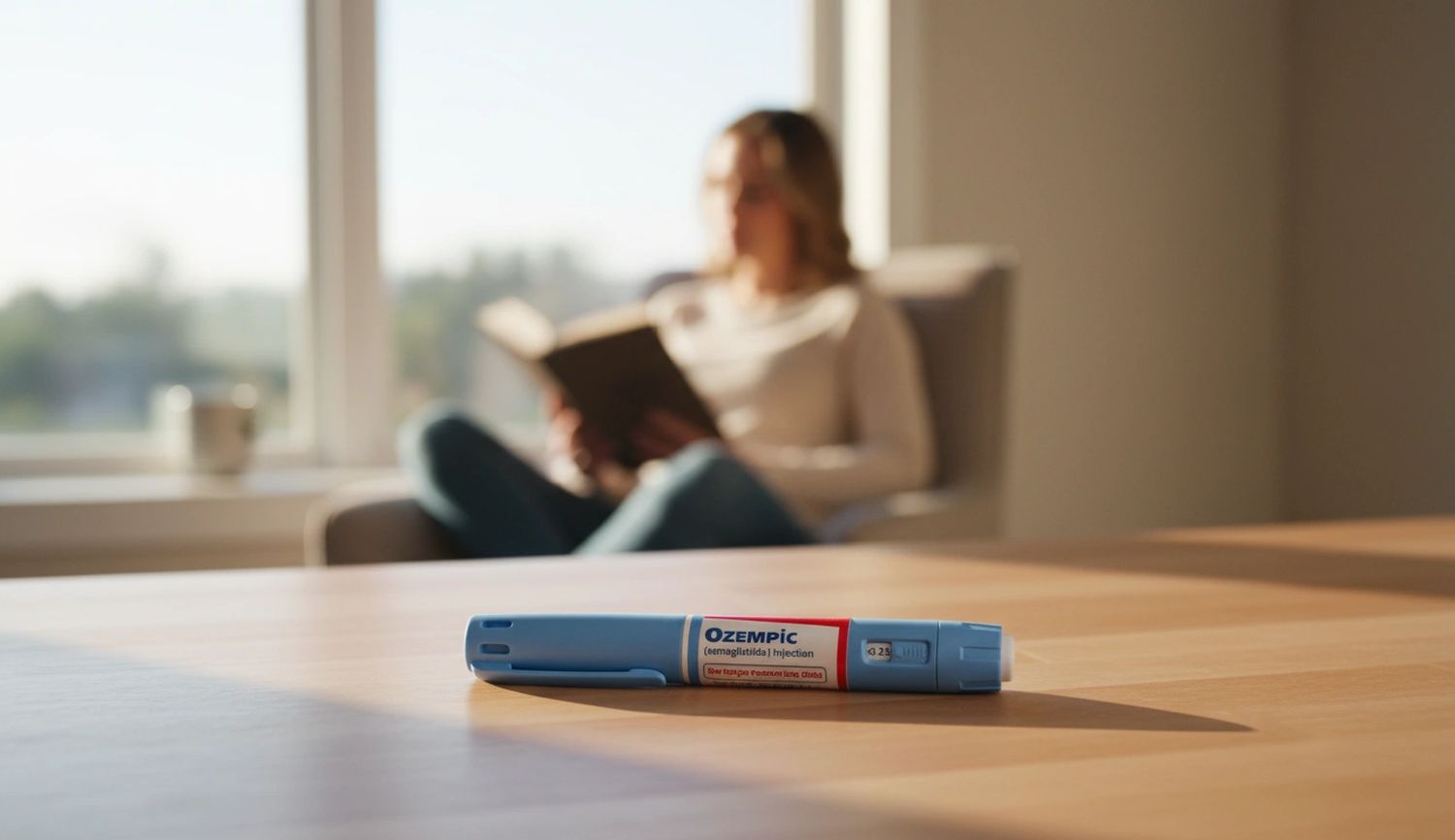
Menopause and weight gain have a well-documented relationship, and for many women, the years surrounding this transition represent the first time in their lives that weight management feels genuinely out of their control. The usual approaches stop working. Calories that maintained a stable weight at 42 produce steady gain at 52. Fat shifts toward the abdomen even without significant changes in diet or activity. And the frustration of doing everything “right” and still seeing the scale move in the wrong direction is both common and completely physiologically explainable.
Ozempic and other GLP-1 medications have become a meaningful option for women navigating this transition, but how well they work, and what to watch for, depends on understanding how menopause changes the metabolic environment these medications are working within.
What Menopause Does to Weight and Metabolism
The hormonal shifts of menopause, primarily the decline in estrogen that accelerates during perimenopause and completes at menopause, affect body composition in ways that go beyond simple caloric balance.
Estrogen plays a role in regulating fat distribution, metabolic rate, insulin sensitivity, and appetite signaling. As estrogen levels fall, fat storage shifts preferentially toward visceral adipose tissue, the metabolically active fat that accumulates around the abdomen and internal organs. Visceral fat is more inflammatory than subcutaneous fat and carries higher cardiovascular and metabolic risk.
At the same time, lean muscle mass declines more rapidly after menopause due to both hormonal changes and the natural aging process. Since muscle burns more calories at rest than fat tissue, this compounds the metabolic slowdown that most women notice in this period.
Sleep disruption, which is extremely common during perimenopause and menopause due to night sweats and hormonal fluctuation, further affects weight regulation by elevating cortisol and ghrelin, hormones that increase appetite and promote fat storage. The result is a metabolic environment that’s genuinely more resistant to conventional weight loss approaches.
How Ozempic Works in This Context
Ozempic (semaglutide) works by mimicking GLP-1, a gut hormone that signals fullness to the brain, slows gastric emptying, and reduces appetite. These mechanisms operate largely independently of estrogen levels, which is part of why GLP-1 medications can be effective even when hormonal shifts have made other approaches less responsive.
The appetite suppression and reduced caloric intake produced by Ozempic address the behavioral side of the equation. What they don’t directly counteract is the hormonal drive toward visceral fat accumulation or the muscle loss associated with declining estrogen and aging. This is why GLP-1 therapy during menopause works best when supported by deliberate protein intake and resistance exercise, not just as general health advice, but as active countermeasures to what the body is doing hormonally.
For women wondering what results look like in practice, the Wegovy weight loss results overview covers the clinical data on semaglutide outcomes across patient populations.
Does Menopause Reduce How Well Ozempic Works?
This is a fair question and one that doesn’t have a perfectly clean answer yet. Clinical trials for GLP-1 medications haven’t focused specifically on perimenopausal and postmenopausal women as a distinct subgroup, so direct comparative data is limited.
What we do know is that the metabolic resistance associated with menopause, particularly increased visceral fat and reduced insulin sensitivity, can slow the pace of weight loss compared to premenopausal women or men of similar age and BMI. This doesn’t mean Ozempic stops working. It means expectations around timeline and rate of loss may need adjustment.
Women who start Ozempic during perimenopause or after menopause often report that progress is slower than they expected based on what they’ve read about GLP-1 results. This is worth naming upfront so it doesn’t get misread as the medication failing. Slower progress in a more metabolically resistant environment is still progress, and the health benefits of reducing visceral fat specifically carry significant long-term value.
If progress has stalled or feels insufficient after several months, the why am I not losing weight on tirzepatide guide covers the most common reasons weight loss slows on GLP-1 therapy and what providers typically recommend.
Hormone Replacement Therapy and Ozempic: Can You Use Both?
Many women in perimenopause and menopause use hormone replacement therapy (HRT) to manage symptoms and reduce longer-term health risks. The question of whether HRT and Ozempic can be used together comes up frequently, and the straightforward answer is yes, there are no known direct interactions between semaglutide and standard HRT formulations.
In fact, some evidence suggests that HRT may complement GLP-1 therapy during this period. Estrogen replacement can partially counteract the visceral fat accumulation and insulin resistance associated with menopause, potentially creating a more favorable metabolic environment for GLP-1 medications to work within. Whether to use HRT is a separate clinical decision that depends on individual history, symptom burden, and risk factors, but it doesn’t need to be an either-or choice with Ozempic.
Women on HRT should inform their provider when starting Ozempic, not because of a direct interaction concern but because both medications affect metabolic and cardiovascular parameters that are worth monitoring together.
Muscle Loss: The Most Important Variable to Manage
For women in menopause on GLP-1 therapy, muscle preservation deserves specific attention. The convergence of three factors, GLP-1-induced caloric reduction, age-related sarcopenia, and the accelerated muscle loss associated with estrogen decline, creates a meaningful risk of losing lean mass during treatment if it isn’t actively countered.
The practical response involves two things: protein and resistance training. Targeting 1.2 to 1.6 grams of protein per kilogram of body weight daily helps preserve lean mass during caloric restriction. Resistance exercise two to three times per week, even moderate bodyweight or light weight training, significantly reduces muscle loss during GLP-1 therapy.
Some women on Ozempic find that appetite suppression makes meeting protein targets difficult, particularly in the early weeks of treatment. A provider or registered dietitian can help identify practical strategies, including protein supplementation, for maintaining adequate intake when overall food volume is reduced.
Starting Ozempic During Menopause: What the Process Looks Like
Women interested in starting Ozempic or compounded semaglutide during menopause follow the same eligibility pathway as other patients. The clinical criteria are a BMI of 30 or higher, or a BMI of 27 or higher with at least one weight-related condition such as hypertension, high cholesterol, or type 2 diabetes.
TrimRx offers compounded semaglutide through a telehealth model that serves women across multiple states without requiring insurance. The intake process is fully online and reviews your health history, current medications including HRT, and any relevant conditions before a provider makes a prescribing decision.
You can learn more about how compounded semaglutide is structured through TrimRx, or if tirzepatide is a better fit for your situation, compounded tirzepatide is also available. To find out whether you’re a candidate, start your eligibility assessment here.
Realistic Expectations for Women in This Life Stage
The honest picture for women starting GLP-1 therapy during or after menopause looks something like this: meaningful weight loss is achievable, but the pace may be slower than published trial averages, which skew toward younger and more metabolically responsive populations. Visceral fat reduction is a particular benefit of GLP-1 therapy that carries real cardiovascular and metabolic value even when the scale moves more slowly than expected.
Women who support their treatment with adequate protein and regular resistance exercise tend to see better body composition outcomes than those who rely on the medication alone. And women who go in with realistic expectations about the timeline are more likely to stay with treatment long enough to see the benefits compound.
A 2022 study published in Menopause: The Journal of the North American Menopause Society found that postmenopausal women with obesity who received GLP-1 receptor agonist therapy achieved significant reductions in visceral adiposity and cardiovascular risk markers, with outcomes that were clinically meaningful even when total weight loss was more modest than in premenopausal comparators.
Menopause changes the metabolic terrain, but it doesn’t close the door on effective treatment. For women who’ve been struggling with weight through this transition despite doing everything they were told should work, GLP-1 therapy offers a mechanism that operates outside the hormonal disruption driving the problem.
This information is for educational purposes and is not medical advice. Consult with a healthcare provider before starting any medication. Individual results may vary.

Transforming Lives, One Step at a Time
Keep reading

Ozempic for Seniors: Safety, Benefits and What to Know Before Starting
Obesity rates among adults over 65 have climbed steadily over the past two decades, and so has interest in GLP-1 medications like Ozempic as…

Online Ozempic Prescription Texas
You can get an Ozempic prescription online in Texas through a licensed telehealth provider without an in-person visit. Texas telehealth law allows providers to…

Online Ozempic Prescription California
You can get an Ozempic prescription online in California through a licensed telehealth provider without an in-person visit. California’s telehealth laws allow providers to…


