Ozempic and Psoriasis: Can Weight Loss Improve Skin Conditions?
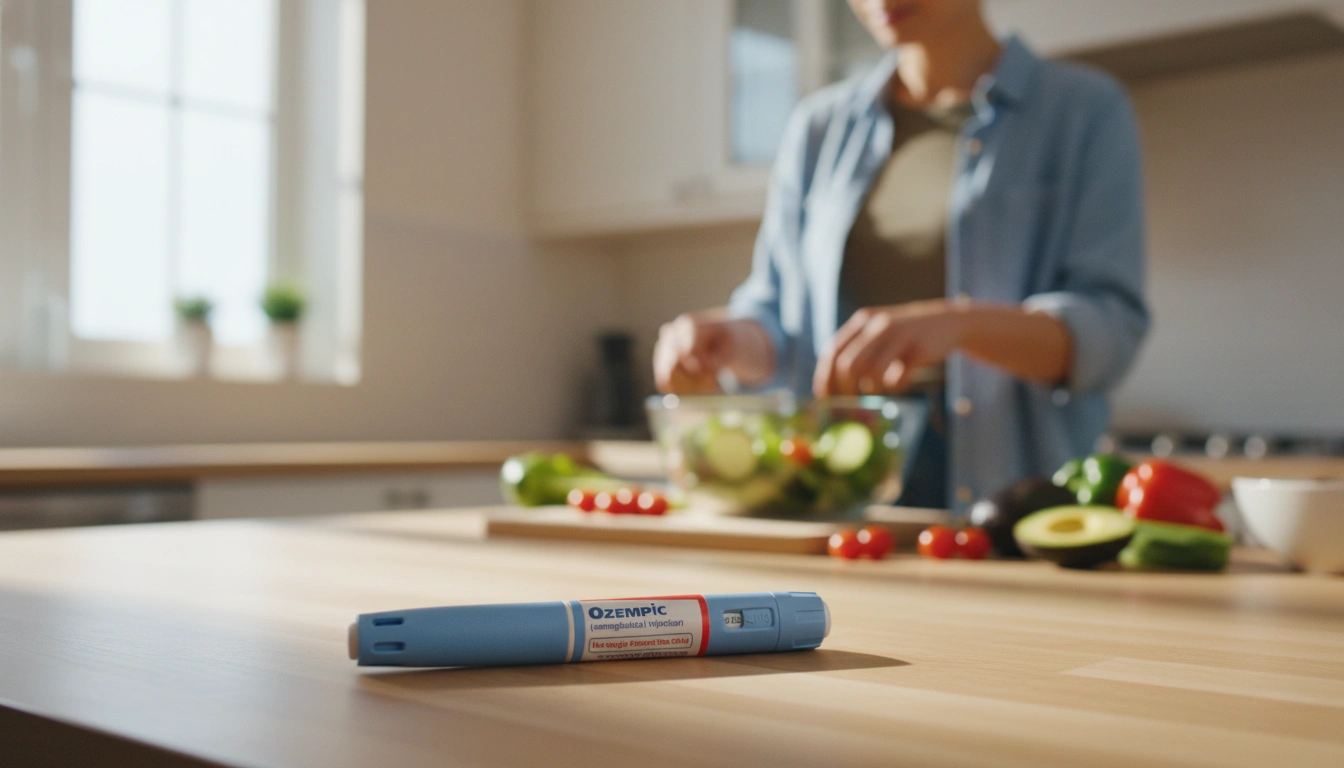
Patients taking Ozempic for weight loss have reported improvements in their psoriasis symptoms, and researchers are paying attention. The connection between obesity, inflammation, and psoriasis is well-established, and GLP-1 medications address several of the underlying drivers. Here’s what the current evidence shows about semaglutide and psoriasis, and what patients managing both conditions should know.
The Obesity-Psoriasis Relationship
Psoriasis is a chronic autoimmune skin condition affecting roughly 2 to 3% of the global population. It occurs when an overactive immune response accelerates the skin cell cycle, causing cells to build up on the surface and form the raised, scaly plaques that characterize the condition. While psoriasis is rooted in immune dysregulation, its severity is strongly influenced by metabolic factors, and obesity sits near the top of that list.
The relationship between obesity and psoriasis runs in both directions. Obesity increases the risk of developing psoriasis, and having psoriasis appears to increase the likelihood of weight gain through mechanisms including reduced physical activity, depression, and the systemic inflammation the condition generates. Once both are present, they tend to amplify each other.
Adipose tissue, particularly visceral fat, is metabolically active in ways that matter for psoriasis. Fat cells produce pro-inflammatory cytokines including TNF-alpha, IL-6, and IL-17, several of which are the same inflammatory mediators that drive psoriatic flares. Leptin, a hormone produced in proportion to fat mass, also promotes inflammatory T-cell activity and is elevated in both obesity and psoriasis. This creates a biochemical environment where excess weight actively stokes the inflammatory fire underlying psoriatic disease.
Weight loss, then, isn’t just a cosmetic goal for people with psoriasis and obesity. It’s a potential therapeutic lever.
What the Research Shows About Weight Loss and Psoriasis
Before looking at semaglutide specifically, it’s worth establishing what weight loss in general does to psoriasis severity. The evidence here is fairly consistent.
Multiple studies have documented that meaningful weight reduction in patients with obesity and psoriasis leads to measurable improvements in Psoriasis Area and Severity Index (PASI) scores, the standard clinical measure of psoriasis severity. A randomized controlled trial published in the American Journal of Clinical Nutrition found that patients with psoriasis who lost weight through caloric restriction showed significantly greater PASI score improvements than those who maintained weight, and the improvements were proportional to the degree of weight lost.
Weight loss also appears to enhance the effectiveness of biologic medications used to treat moderate-to-severe psoriasis. Patients at lower body weights tend to achieve better responses to biologics like adalimumab and ustekinumab, likely because drug distribution and immune modulation are both affected by body composition.
This context matters because tirzepatide and semaglutide produce some of the most substantial weight loss seen with any non-surgical intervention. If weight reduction improves psoriasis, medications that produce 15 to 22% body weight reduction have meaningful potential implications for psoriatic disease management.
Semaglutide’s Direct Anti-Inflammatory Effects
Beyond weight loss, semaglutide may have direct effects on the inflammatory pathways relevant to psoriasis. GLP-1 receptors are present on immune cells including T lymphocytes and macrophages, and GLP-1 receptor activation has been shown in laboratory studies to reduce production of pro-inflammatory cytokines including TNF-alpha and IL-6, both of which play central roles in psoriatic inflammation.
Whether these direct anti-inflammatory effects are clinically significant at the doses used for weight management, on top of and separate from the effects of weight loss itself, is not yet fully established in psoriasis-specific trials. But they offer a biologically plausible mechanism for why some patients report psoriasis improvements that seem disproportionate to the degree of weight lost.
The broader picture of how GLP-1 medications affect inflammation is relevant here, since the anti-inflammatory profile of these medications extends well beyond skin conditions to cardiovascular, hepatic, and joint-related inflammation.
What Patients Are Reporting
Patient reports of psoriasis improvement on semaglutide have appeared with enough consistency to generate clinical interest. Dermatologists and rheumatologists following patients who start GLP-1 medications for weight loss have noted unprompted reports of reduced plaque formation, decreased itching, and fewer flares. Some have documented these observations in case reports and small case series.
Consider this scenario: a 44-year-old patient with moderate psoriasis affecting roughly 15% of their body surface area and a BMI of 37 starts semaglutide for weight loss. Over nine months, they lose approximately 14% of their body weight. At their next dermatology appointment, their PASI score has dropped meaningfully, and they report their skin hasn’t been this clear since their 20s. Their dermatologist notes the improvement and discusses whether adjusting their topical treatment regimen makes sense.
That kind of trajectory is consistent with what the weight loss and psoriasis literature would predict, though individual responses vary considerably based on psoriasis subtype, severity, duration, and other treatments being used concurrently.
Psoriatic Arthritis: An Additional Consideration
Roughly 30% of people with psoriasis develop psoriatic arthritis, a condition involving joint inflammation that can cause significant pain and disability. Obesity worsens psoriatic arthritis outcomes through both mechanical loading on joints and the same inflammatory mechanisms that affect skin disease.
Weight loss through GLP-1 medications may benefit psoriatic arthritis through two pathways: reduced joint loading as body weight decreases, and reduced systemic inflammation that drives joint disease activity. The connection between GLP-1 and joint pain is relevant for patients managing psoriatic arthritis alongside skin disease, as the benefits of weight reduction extend to joint outcomes.
Patients with psoriatic arthritis who are on biologic therapies should discuss GLP-1 treatment with both their rheumatologist and prescribing provider, since managing multiple conditions simultaneously requires coordinated care.
What the Research Doesn’t Yet Answer
The honest limitation here is that no large randomized controlled trial has specifically enrolled patients with psoriasis to test semaglutide or tirzepatide as a psoriasis treatment. What exists is mechanistic evidence, weight loss trial data with skin-related secondary endpoints in some cases, and observational reports.
Dedicated dermatology trials evaluating GLP-1 medications in psoriasis populations are beginning to appear in the research pipeline, but robust results are likely several years away. Until then, the evidence is compelling enough to take seriously but not strong enough to position GLP-1 medications as psoriasis treatments in their own right.
The connection to how GLP-1 medications affect your skin more broadly captures some of the other dermatological changes patients report, which provides useful context for anyone tracking skin-related outcomes on these medications.
Coordinating Care Between Providers
If you have psoriasis and are starting or considering a GLP-1 medication, keeping your dermatologist in the loop is worthwhile. Improvements in psoriasis severity may allow for adjustments to your existing treatment regimen, and your dermatologist can help you track changes systematically using standardized scoring tools rather than relying on subjective impression alone.
Conversely, if your psoriasis worsens after starting a GLP-1 medication, which is less common but documented in isolated case reports, that’s information your dermatologist needs. The immune modulating effects of GLP-1 receptor activation are complex enough that unpredictable individual responses are possible.
It’s also worth noting that some of the lifestyle factors GLP-1 treatment supports, including reduced alcohol consumption and improved sleep, are independently associated with better psoriasis outcomes. The GLP-1 medications and autoimmune conditions article provides additional context for patients managing immune-related conditions alongside weight.
Ready to Explore Your Options?
If you’re managing psoriasis and obesity and want to understand whether GLP-1 treatment fits your situation, TrimRx connects you with licensed providers who can review your full health history. Start your assessment to see if you’re a candidate, or explore compounded semaglutide to learn more about what treatment involves.
This information is for educational purposes and is not medical advice. Consult with a healthcare provider before starting any medication. Individual results may vary.

Transforming Lives, One Step at a Time
Keep reading

Lunar New Year on Ozempic: Reunion Dinner and Family Visits
For many families, Lunar New Year is the biggest celebration of the year. It begins with a reunion dinner on New Year’s Eve, often…

Passover on Ozempic: The Seder, Matzah and Constipation
Passover brings two challenges for people on Ozempic or another GLP-1. The first is the seder: a long evening meal, often starting late, with…

Getting a Tattoo on Ozempic
Tattoo artists know the signs well: a client who came in without eating, sits for a few hours, goes pale, and starts to feel…


