Ozempic and Statins: Taking Lipitor or Crestor With Semaglutide
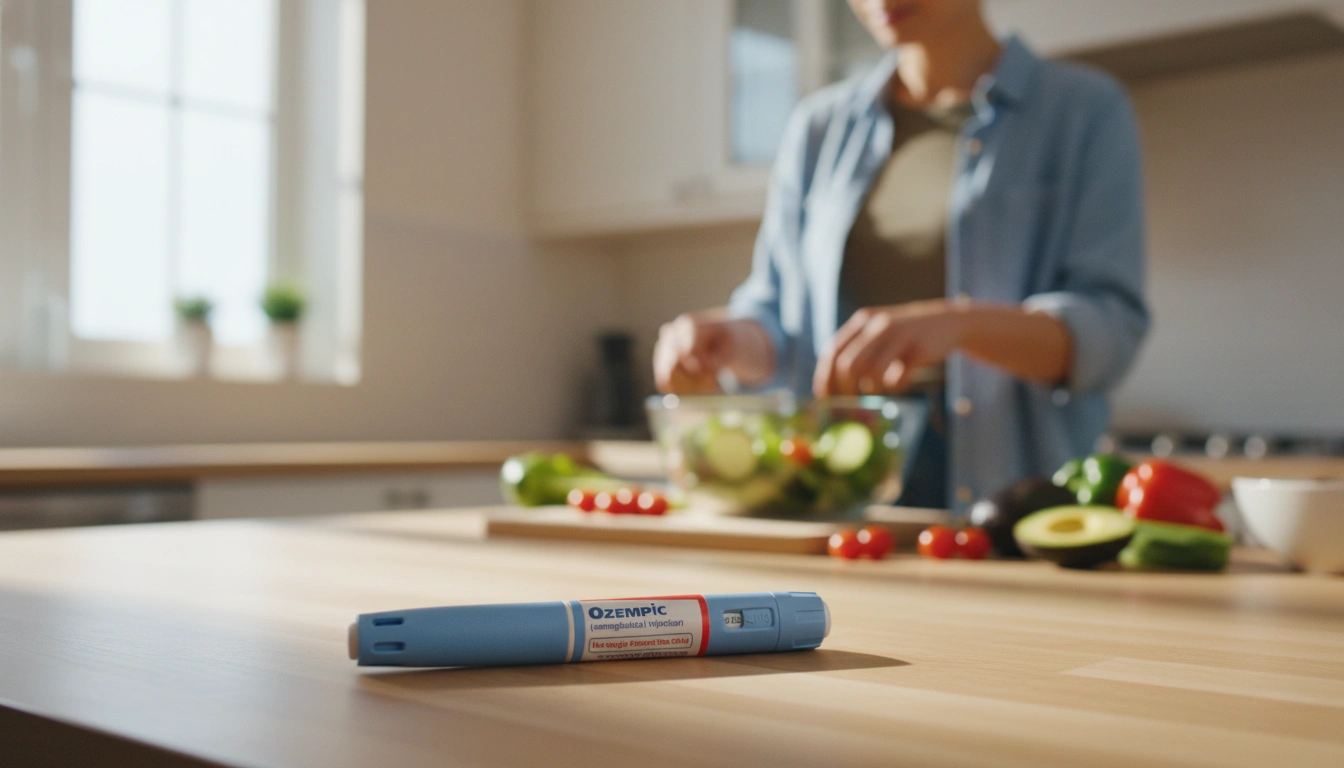
Statins are among the most commonly prescribed medications in the United States, and a large percentage of people starting Ozempic are already taking one. If you’re on atorvastatin (Lipitor), rosuvastatin (Crestor), or another statin and wondering whether semaglutide is safe to add, the short answer is yes. There’s no clinically significant direct interaction between semaglutide and statins. What’s more interesting, and more useful to understand, is what happens to your cholesterol numbers as you lose weight on Ozempic, and what that means for your statin prescription going forward.
Direct Interaction: What the Evidence Shows
Semaglutide and statins operate through entirely different biochemical pathways. Statins work by inhibiting HMG-CoA reductase, an enzyme in the liver responsible for cholesterol synthesis. Semaglutide works as a GLP-1 receptor agonist, affecting insulin secretion, glucagon suppression, gastric emptying, and appetite regulation. These mechanisms don’t directly interfere with each other.
From a pharmacokinetic standpoint, there’s no meaningful evidence that semaglutide raises or lowers statin blood concentrations, or vice versa. The FDA prescribing information for Ozempic does not list statins as contraindicated or requiring dose adjustment due to interaction.
The one indirect consideration, as with all oral medications taken alongside Ozempic, is that slowed gastric emptying can affect the absorption timing of oral drugs. For statins, which are taken once daily and work through sustained liver enzyme inhibition rather than peak plasma concentration, this timing shift is unlikely to produce a meaningful clinical effect. Your statin will still work.
What Ozempic Does to Your Cholesterol
Here’s where the conversation gets genuinely useful. Semaglutide doesn’t just help with weight. It has documented independent effects on lipid panels that show up in lab work, often within the first few months of treatment.
Clinical trial data from the SUSTAIN and STEP programs showed that semaglutide consistently reduced LDL cholesterol, triglycerides, and total cholesterol while modestly increasing HDL in participants. These effects occur partly through weight loss itself and partly through direct GLP-1 receptor activity on lipid metabolism.
A 2021 analysis published in Cardiovascular Diabetology examined lipid changes across multiple semaglutide trials and found meaningful reductions in triglycerides averaging around 20 to 25 percent, with LDL reductions in the range of 5 to 10 percent on top of whatever effect weight loss produces independently.
What this means practically: if you’re on a statin because your LDL or triglycerides were elevated, your numbers may improve significantly after several months on semaglutide. This is good news, but it also means your statin dose may eventually need to be reassessed. Some patients who start semaglutide find that their lipid panel improves enough that their prescriber considers adjusting or stepping down their statin over time.
The Cardiovascular Picture
For patients on statins, cardiovascular risk is usually part of the clinical conversation. This is worth addressing directly. The SELECT trial, a large cardiovascular outcomes trial for semaglutide, demonstrated that semaglutide reduced major adverse cardiovascular events in adults with overweight or obesity and established cardiovascular disease, regardless of diabetes status.
This positions Ozempic not just as a weight loss tool but as a cardiovascular risk reduction medication for the right patients. If you’re on a statin for cardiovascular protection, adding semaglutide may compound that benefit rather than work against it. The cardiovascular benefits of Ozempic are worth understanding in full if this applies to your situation.
Monitoring Your Labs While on Both Medications
Taking statins and semaglutide together is a reason to be more attentive to your lipid panel, not less. Here’s what to watch for.
Most providers will check a fasting lipid panel before starting semaglutide and again at three to six months into treatment. If your LDL and triglycerides drop significantly, your prescriber may want to discuss whether your current statin dose is still appropriate or whether it’s worth continuing at the same level.
Liver function is another marker worth monitoring. Both statins and significant weight loss can affect liver enzymes, and while serious liver issues from either cause are uncommon, having a baseline and periodic follow-up labs is standard practice.
Consider this scenario: a patient on rosuvastatin 20mg for elevated LDL starts semaglutide and loses 28 pounds over five months. At their six-month lab check, their LDL has dropped from 148 to 94 and their triglycerides from 210 to 130. Their prescriber decides to step down the rosuvastatin dose and recheck in three months. This kind of medication adjustment is a normal and positive downstream effect of effective GLP-1 treatment.
Muscle-Related Side Effects: Keeping Them Separate
One point worth addressing because it comes up in practice: both statins and significant caloric restriction can cause muscle aches or fatigue in some people. If you start semaglutide while on a statin and develop new muscle soreness or weakness, it’s worth raising with your provider rather than attributing it automatically to one medication or the other.
Statin-related myopathy is a known side effect, typically dose-dependent. Rapid weight loss and reduced protein intake can also contribute to muscle loss and associated discomfort. Keeping protein intake adequate throughout your semaglutide treatment helps on both fronts. If you want a detailed look at what to expect from your body during active weight loss, the guide to how GLP-1 medications affect body composition covers muscle preservation strategies in practical terms.
What to Tell Your Provider
When you’re starting semaglutide and already on a statin, a few things are worth covering explicitly with your prescriber.
Share your most recent lipid panel so there’s a clear baseline to compare against in three to six months. Confirm which statin you’re on and at what dose, since some statins have more interaction potential with other medications generally, even if not specifically with semaglutide. Ask whether your provider wants to monitor liver enzymes during the early months. And if you develop any new muscle symptoms after starting semaglutide, flag them promptly rather than waiting for your next scheduled visit.
Starting Your Assessment
If you’re on a statin and ready to explore whether semaglutide is appropriate for your situation, a structured telehealth program reviews your full medication list before any prescription is issued. Starting the intake process is the first step toward getting a provider’s eyes on your complete health picture.
Statins and Ozempic are a common and generally well-tolerated combination. The more interesting question isn’t whether you can take them together. It’s what your cholesterol looks like six months from now.
This information is for educational purposes and is not medical advice. Consult with a healthcare provider before starting any medication. Individual results may vary.

Transforming Lives, One Step at a Time
Keep reading

Magnesium and Ozempic: Can It Help With Side Effects
Walk through any online GLP-1 community and you’ll find magnesium recommended for everything from constipation to muscle cramps to poor sleep on Ozempic. Some…

Ozempic and Blood Pressure Medications: What to Know
High blood pressure and obesity frequently coexist, so it’s no surprise that many people starting Ozempic are already on an antihypertensive. The practical question…

Ozempic and Levothyroxine: What Thyroid Patients Should Know
Thyroid disease and weight struggles frequently go hand in hand, which means a lot of people starting Ozempic are already taking levothyroxine. If that’s…


