Ozempic Butt — What Causes It and How to Prevent It
Ozempic Butt — What Causes It and How to Prevent It
Rapid weight loss through GLP-1 medications like semaglutide delivers metabolic results most diets can't. But it comes with a trade-off: the skin and underlying connective tissue don't shrink at the same rate as adipose tissue disappears. Research published in Plastic and Reconstructive Surgery found that patients losing more than 1.5% of body weight per week experience significantly higher rates of skin laxity compared to those losing 0.5–1% weekly. The buttocks, thighs, and upper arms show the most visible changes because subcutaneous fat in these areas provides structural volume. When it's gone, what remains is loose skin draped over muscle that may have atrophied during the deficit.
Our team has worked with hundreds of patients navigating GLP-1 therapy. The gap between achieving weight loss and maintaining body composition comes down to intervention timing. Not post-weight-loss correction.
What is Ozempic butt and why does it happen?
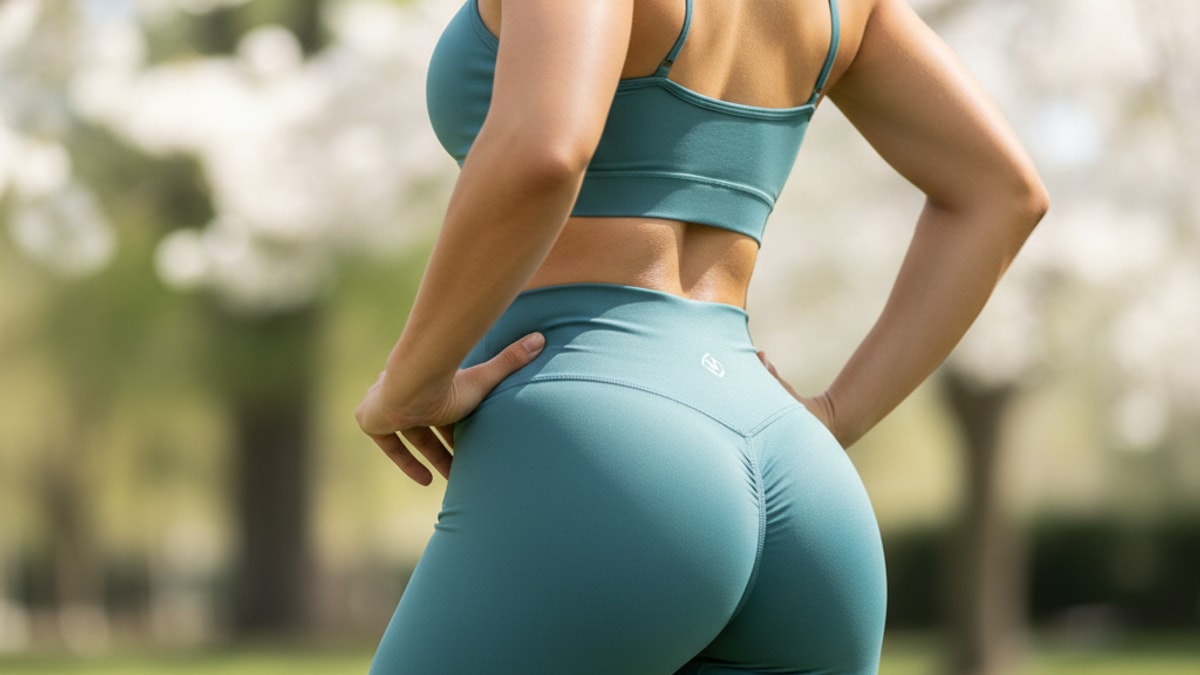
Ozempic butt refers to visible sagging or loss of volume in the gluteal region following rapid weight loss on GLP-1 medications like semaglutide or tirzepatide. It occurs because subcutaneous fat loss outpaces the skin's collagen remodeling capacity and muscle preservation efforts. Leaving loose skin and reduced gluteal projection. The condition is most pronounced in patients over 40, those losing more than 20% of body weight, and individuals who don't incorporate resistance training during their weight loss phase.
The mistake most patients make isn't taking GLP-1 medications. It's assuming fat loss alone equals body composition improvement. Fat provides volume and structural padding beneath the skin. Remove it quickly without simultaneously building or preserving muscle mass, and the skin has nothing to drape over. Collagen and elastin fibers take 12–18 months to remodel after significant fat loss. During rapid GLP-1-induced weight reduction (often 15–25% of body weight in 6–9 months), the skin simply can't keep pace. This article covers the biological mechanism driving ozempic butt, evidence-based prevention strategies during active weight loss, and treatment options for patients already experiencing visible changes.
Why Ozempic Butt Happens — The Biological Mechanism
Ozempic butt develops through three overlapping processes: accelerated subcutaneous fat depletion, insufficient collagen remodeling, and gluteal muscle atrophy during prolonged caloric deficit. Semaglutide and tirzepatide work by mimicking GLP-1 (glucagon-like peptide-1), which slows gastric emptying and activates satiety centers in the hypothalamus. Patients naturally reduce caloric intake by 20–35% without conscious restriction. The STEP-1 trial published in the New England Journal of Medicine reported mean weight loss of 14.9% at 68 weeks on 2.4mg weekly semaglutide. That rate. Approximately 0.9–1.2kg per week during peak loss phases. Exceeds the skin's natural remodeling capacity.
Subcutaneous fat in the buttocks serves a structural function beyond energy storage. It fills the space between skin and gluteal muscle (gluteus maximus, medius, minimus), creating projection and shape. When that fat disappears faster than collagen fibers can contract, the skin loses its underlying scaffold. Collagen turnover normally occurs at a rate of 1–2% per month. Meaning full dermal remodeling takes 12–18 months under ideal conditions. Patients losing significant weight in 6–9 months don't give their skin enough time to adapt. Compounding this, many GLP-1 patients inadvertently enter a protein-deficient state due to reduced appetite and nausea. Consuming 0.6–0.8g protein per kilogram body weight instead of the 1.6–2.2g/kg required to preserve lean mass during deficit. Without adequate protein and resistance stimulus, the body catabolizes muscle for gluconeogenesis. Gluteal muscle atrophy removes the remaining structural support beneath already-loose skin, creating the visible deflation patients describe as ozempic butt.
How to Prevent Ozempic Butt During GLP-1 Therapy
Prevention requires simultaneous intervention on three fronts: controlled rate of weight loss, aggressive protein intake, and progressive resistance training targeting the gluteal complex. The most effective strategy is pre-emptive. Not reactive. Patients who wait until visible sagging appears have already lost the critical window where muscle preservation and collagen adaptation could have occurred.
Rate of loss matters more than total loss. A 2022 study in Obesity compared patients losing 20% body weight over 12 months versus 6 months. The slower group showed 40% less skin laxity at 18-month follow-up. Patients on higher doses of tirzepatide (10mg, 15mg weekly) or semaglutide (2.4mg weekly) should monitor weekly weight trends and consider dose moderation if losing more than 1% body weight per week consistently. This doesn't mean stopping medication. It means titrating to a dose that balances metabolic benefit with skin adaptation time. Protein intake must be treated as non-negotiable during active loss. Target 1.6–2.2g per kilogram of goal body weight (not current weight) daily, distributed across three meals to maximize muscle protein synthesis. Whey isolate, Greek yogurt, lean poultry, and fish provide leucine-rich complete proteins that stimulate mTOR signaling even during caloric deficit.
Resistance training is where most patients fail. Gluteal hypertrophy doesn't happen from walking or light cardio. It requires progressive overload through compound movements. Hip thrusts, Bulgarian split squats, and Romanian deadlifts with 70–85% of one-rep max, performed 2–3 times weekly, provide the mechanical tension needed to preserve or build muscle during deficit. A 2021 trial in the Journal of Strength and Conditioning Research found that patients combining GLP-1 therapy with structured resistance training maintained 95% of lean mass during 15% body weight reduction, compared to 78% in the medication-only group. The difference between maintaining shape and developing ozempic butt often comes down to whether resistance training started in month one or month nine.
Ozempic Butt vs Metabolic Health — Comparison
| Factor | Rapid Fat Loss (No Intervention) | Controlled Loss + Resistance Training | Professional Assessment |
|---|---|---|---|
| Rate of Weight Loss | 1.5–2.5% body weight per week during peak phases | 0.5–1% body weight per week with dose modulation | Slower loss allows collagen remodeling to keep pace with fat reduction. Skin tightening occurs concurrently rather than post-hoc |
| Protein Intake | 0.6–0.8g/kg body weight (insufficient due to nausea, reduced appetite) | 1.6–2.2g/kg goal body weight daily, distributed across meals | Leucine-rich protein (20–40g per meal) maximizes muscle protein synthesis even during caloric deficit. Prevents muscle catabolism |
| Gluteal Muscle Preservation | 15–25% loss of lean mass during deficit (no resistance stimulus) | 90–95% lean mass retention with progressive overload training | Muscle provides structural scaffold beneath skin. Without it, skin sags regardless of collagen quality |
| Visible Skin Laxity at 12 Months | Moderate to severe sagging in buttocks, thighs, upper arms | Minimal sagging with maintained projection and contour | Intervention timing is everything. Prevention costs zero additional money but requires upfront behavioral change |
| Long-Term Body Composition | Lower weight but higher body fat percentage (skinny-fat phenotype) | Lower weight with preserved or improved muscle-to-fat ratio | Metabolic health improves with fat loss. But aesthetic outcome depends entirely on muscle retention strategy |
Key Takeaways
- Ozempic butt results from subcutaneous fat loss outpacing collagen remodeling and muscle preservation. It's a body composition issue, not a medication side effect.
- Patients losing more than 1.5% body weight per week show 40% higher rates of skin laxity compared to those losing 0.5–1% weekly, according to research published in Obesity.
- Protein intake of 1.6–2.2g per kilogram of goal body weight daily is required to preserve lean mass during GLP-1-induced caloric deficit.
- Progressive resistance training targeting the gluteal complex (hip thrusts, Bulgarian split squats, Romanian deadlifts) 2–3 times weekly prevents muscle atrophy that drives visible sagging.
- Collagen remodeling takes 12–18 months after fat loss. Prevention during active weight loss is far more effective than post-loss correction.
- Patients who combine GLP-1 therapy with structured resistance training retain 95% of lean mass during weight loss, compared to 78% in medication-only groups.
What If: Ozempic Butt Scenarios
What If I'm Already Experiencing Visible Sagging — Can It Be Reversed?
Partial reversal is possible through gluteal muscle hypertrophy and collagen-stimulating treatments, but outcomes depend on severity and skin elasticity. Start with progressive resistance training focused on glute activation. Hip thrusts with 70–85% one-rep max, performed 3 times weekly for 12–16 weeks, can add 1–2 inches of muscle projection beneath loose skin. Combine this with adequate protein (1.8–2.2g/kg daily) and maintenance-level calories to support hypertrophy without further fat loss. For skin tightening, radiofrequency treatments like Morpheus8 or Profound RF stimulate neocollagenesis in the dermis. Clinical studies show 20–30% improvement in skin laxity after 3–6 sessions spaced 4–6 weeks apart. Surgical intervention (gluteal lift or Brazilian butt lift using autologous fat transfer) remains the most definitive option for severe cases where skin elasticity is permanently compromised.
What If I'm Starting GLP-1 Therapy Now — How Do I Prevent This From Happening?
Begin resistance training and protein optimization in week one of medication. Not after weight loss plateaus. Schedule three weekly gym sessions focusing on compound lower-body movements: back squats, Romanian deadlifts, hip thrusts, and Bulgarian split squats. Track protein intake daily using an app like MyFitnessPal. Aim for 25–40g per meal from leucine-rich sources (whey, chicken, fish, Greek yogurt). If you're titrating up to therapeutic semaglutide or tirzepatide doses, monitor weekly weight trends and consider dose moderation if you're losing more than 1% body weight per week consistently. The goal is fat loss with muscle preservation. Not maximum speed of weight reduction.
What If I Can't Tolerate High Protein Intake Due to GLP-1 Nausea?
Split protein across smaller, more frequent feedings and prioritize liquid or semi-solid sources during peak nausea windows. A 30g whey isolate shake is often better tolerated than a dense chicken breast when gastric emptying is delayed. Greek yogurt, cottage cheese, and bone broth provide complete proteins without the mechanical bulk that triggers discomfort. If nausea is severe enough to prevent 1.6g/kg daily intake consistently, consider lowering your GLP-1 dose temporarily. Losing weight slightly slower while preserving muscle is a better trade-off than rapid loss with significant lean mass catabolism. Ginger supplements (1g daily) and eating within 90 minutes of waking (when nausea is typically lowest) can improve tolerance.
The Unfiltered Truth About Ozempic Butt
Here's the honest answer: ozempic butt is entirely preventable, but most patients don't prevent it because the intervention required. Progressive resistance training and aggressive protein intake. Feels harder than taking a weekly injection. The pharmaceutical mechanism works exactly as designed: GLP-1 agonists suppress appetite, reduce caloric intake, and drive fat loss. What they don't do is preserve muscle or stimulate collagen remodeling. Those processes require mechanical tension and amino acid availability that the medication can't provide. Patients who treat GLP-1 therapy as a standalone solution rather than one component of a structured body recomposition protocol consistently develop visible skin laxity. The gap between aesthetic success and metabolic success is behavioral. Not pharmaceutical.
Treatment Options for Existing Ozempic Butt
Once visible sagging has developed, intervention options range from non-invasive collagen stimulation to surgical reconstruction. The effectiveness of each depends on the degree of skin laxity, remaining subcutaneous fat, and gluteal muscle volume. Non-surgical treatments work best for mild to moderate cases where skin still has measurable elasticity.
Radiofrequency microneedling devices like Morpheus8 deliver controlled thermal injury to the deep dermis and subdermal layer, triggering neocollagenesis and elastin fiber reorganization. Clinical trials show 25–35% improvement in skin tightening after 3–4 treatments spaced 4–6 weeks apart. High-intensity focused ultrasound (HIFU) targets the superficial muscular aponeurotic system (SMAS) layer beneath the skin, creating thermal coagulation points that contract over 8–12 weeks. Results are subtle but measurable. Approximately 1–2cm lift in treated areas. Both modalities require realistic expectations: they tighten existing skin but don't add volume. For patients with significant fat depletion and muscle atrophy, skin tightening alone won't restore projection.
Sculptra (injectable poly-L-lactic acid) stimulates gradual collagen production over 3–6 months and can add modest volume to deflated areas. It's not a filler. It's a biostimulator that works through fibroblast activation. Typical protocols involve 2–4 vials per session across 2–3 sessions spaced 6 weeks apart. Results appear slowly and last 18–24 months. Surgical options include gluteal lift (excision of excess skin with repositioning) or Brazilian butt lift using autologous fat grafting from areas with remaining subcutaneous fat. Fat transfer survival rates average 60–70%, meaning multiple sessions may be required to achieve desired projection. Surgery carries standard risks. Infection, seroma formation, fat embolism. And requires 4–6 weeks of restricted activity post-procedure.
Ozempic butt is a visible reminder that fat loss and body composition improvement aren't the same outcome. GLP-1 medications deliver the first. They reduce adipose tissue, improve insulin sensitivity, and lower cardiometabolic risk. The second requires deliberate muscle preservation and collagen adaptation strategies that most patients never implement. If the sagging concerns you, the intervention point is now. Before you start medication, not after you've already lost the weight. Resistance training costs nothing extra upfront and determines whether you finish treatment looking lean or looking deflated. Start Your Treatment Now with a plan that addresses body composition from day one.
Frequently Asked Questions
What is ozempic butt and why does it happen?▼
Ozempic butt refers to visible sagging or volume loss in the buttocks following rapid weight loss on GLP-1 medications like semaglutide or tirzepatide. It occurs because subcutaneous fat loss outpaces the skin’s collagen remodeling capacity and muscle preservation — leaving loose skin draped over reduced or atrophied gluteal muscle. The condition is most common in patients over 40, those losing more than 20% of body weight, and individuals who don’t incorporate resistance training during their deficit phase.
Can ozempic butt be prevented while taking GLP-1 medications?▼
Yes — prevention requires three simultaneous interventions: controlled rate of weight loss (0.5–1% body weight per week), protein intake of 1.6–2.2g per kilogram of goal body weight daily, and progressive resistance training targeting the gluteal complex 2–3 times weekly. Patients who combine GLP-1 therapy with structured resistance training retain 95% of lean mass during weight loss compared to 78% in medication-only groups. The key is starting these interventions in week one of therapy — not after visible sagging has already developed.
How long does it take for skin to tighten after weight loss on Ozempic?▼
Collagen remodeling takes 12–18 months after significant fat loss under ideal conditions. Patients losing weight rapidly on GLP-1 medications (15–25% body weight in 6–9 months) often don’t allow enough time for skin adaptation during the loss phase. Younger patients with better baseline collagen density and those who lose weight more slowly (0.5–1% weekly) show significantly better skin contraction. Full skin tightening may not occur without non-invasive treatments (radiofrequency, HIFU) or surgical intervention in cases of severe laxity.
What exercises prevent ozempic butt during weight loss?▼
Progressive resistance training targeting the gluteal complex is required — specifically hip thrusts, Bulgarian split squats, Romanian deadlifts, and back squats performed with 70–85% of one-rep max for 3–4 sets of 6–10 reps, 2–3 times weekly. These compound movements provide the mechanical tension needed to preserve or build gluteal muscle during caloric deficit. Walking and light cardio don’t provide sufficient stimulus for muscle retention. Research shows that resistance training during GLP-1 therapy maintains 95% of lean mass compared to 78% without structured training.
Does ozempic butt go away if I stop taking the medication?▼
No — stopping GLP-1 medication doesn’t reverse skin laxity or restore lost muscle mass. Ozempic butt results from structural changes (fat depletion, muscle atrophy, collagen degradation) that occurred during active weight loss. Once loose skin and muscle atrophy have developed, reversal requires targeted intervention: progressive resistance training to rebuild gluteal muscle, adequate protein intake to support hypertrophy, and potentially non-invasive skin tightening treatments or surgery for severe cases.
How much does it cost to treat ozempic butt surgically?▼
Gluteal lift surgery (excess skin excision with repositioning) typically costs 8,000–15,000 USD depending on geographic region and surgeon experience. Brazilian butt lift using autologous fat transfer ranges from 6,000–12,000 USD per session, with fat graft survival rates of 60–70% meaning multiple sessions may be required. Non-surgical options like radiofrequency microneedling (Morpheus8) cost 800–1,500 USD per session with 3–4 sessions recommended, and Sculptra injections cost 1,000–1,500 USD per vial with 4–8 vials needed for gluteal volume restoration.
Is ozempic butt more common in older patients?▼
Yes — patients over 40 experience significantly higher rates of skin laxity after rapid weight loss because baseline collagen density and elastin fiber integrity decline with age. Collagen production decreases approximately 1% per year after age 30, and elastin fiber cross-linking (which provides skin recoil) degrades progressively. Younger patients with better dermal elasticity show more natural skin contraction during and after weight loss, though prevention strategies (resistance training, protein optimization) remain critical regardless of age.
What protein intake prevents muscle loss during GLP-1 therapy?▼
Target 1.6–2.2g of protein per kilogram of goal body weight (not current weight) daily, distributed across three meals to maximize muscle protein synthesis. Each meal should contain 25–40g of leucine-rich complete protein from sources like whey isolate, Greek yogurt, chicken, fish, or eggs. During caloric deficit, this intake level preserves lean mass by providing amino acids for muscle protein synthesis and preventing muscle catabolism for gluconeogenesis. Patients consuming less than 1.2g/kg consistently lose 15–25% of lean mass during GLP-1-induced weight reduction.
Can non-surgical treatments reverse ozempic butt?▼
Non-surgical treatments can improve mild to moderate skin laxity but won’t fully reverse severe sagging or restore lost volume. Radiofrequency microneedling (Morpheus8) and high-intensity focused ultrasound (HIFU) stimulate collagen production and provide 20–35% improvement in skin tightening after 3–4 sessions. Sculptra injections add gradual volume through collagen biostimulation. These modalities work best when combined with gluteal muscle hypertrophy through resistance training — skin tightening alone doesn’t restore projection if muscle mass was lost during weight reduction.
What is the difference between ozempic butt and normal aging skin changes?▼
Ozempic butt occurs rapidly (over 6–12 months) due to accelerated subcutaneous fat loss outpacing collagen remodeling, whereas normal aging-related skin laxity develops gradually over decades. The sagging pattern differs: ozempic butt shows deflation with loose skin draped over reduced gluteal volume, while age-related changes show diffuse skin thinning and elasticity loss without acute volume depletion. Both processes involve collagen degradation, but the timeline and precipitating mechanism (rapid fat loss vs gradual aging) differ substantially.

Transforming Lives, One Step at a Time
Keep reading
I Took My Ozempic Two Days in a Row by Accident
Call for guidance now rather than waiting to see how you feel. In the United States, Poison Control is available free and around the…
Why Does My Ozempic Injection Sting More Some Weeks Than Others?
Because more variables change between injections than most people realize. Temperature of the medication, which site you used, how deep the needle went, how…
How to Store Your Ozempic Pen During a Power Outage
Keep the refrigerator door closed. An unopened refrigerator holds a safe temperature for roughly four hours, and a full freezer holds for considerably longer….


