Ozempic Doses: A Guide to Your Personalized Treatment
Introduction
Embarking on a new health journey often comes with a myriad of questions, especially when it involves understanding new medications. The landscape of modern weight management and diabetes care can seem complex, filled with terms and instructions that require clarity. For many, the prospect of managing a condition or pursuing a healthier lifestyle through medication can feel daunting, leading to uncertainty about how these treatments work and, critically, how they are administered. A common inquiry that surfaces in this context revolves around dosage: “Does Ozempic come in different doses, and how do I navigate these options effectively?” This question is fundamental to understanding how such a medication can be tailored to individual needs, reflecting a broader desire for personalized, effective care.
Ozempic, a brand name for the active ingredient semaglutide, has emerged as a significant player in the management of type 2 diabetes and, for some, in supporting weight loss. It’s a medication that requires precise understanding, not just of its benefits, but also of its intricate dosing schedule and delivery mechanisms. In an era where individualized health solutions are paramount, comprehending the nuances of medications like Ozempic is more important than ever. The way a medication is dosed directly impacts its efficacy and safety, making it a cornerstone of any successful treatment plan.
Our aim with this comprehensive guide is to demystify Ozempic dosing, providing clear, authoritative insights into the various strengths available, the rationale behind different dosages, and how these are tailored to your specific health goals. We believe that sustainable weight loss and effective health management should be achieved through science, empathy, and a transparent approach. This article will serve as your trusted resource, shedding light on how Ozempic is typically prescribed, administered, and stored, and how these elements contribute to a personalized pathway toward improved well-being. By the end of this post, you will have a much clearer understanding of Ozempic’s dosing intricacies and how a supportive, medically supervised program can empower your health journey. We will explore the different pen configurations, the typical titration schedule, and critical safety considerations, all within the context of receiving truly individualized care.
Understanding Ozempic: A Foundation for Effective Treatment
Before delving into the specifics of dosage, it’s helpful to establish a foundational understanding of Ozempic itself. Ozempic is an injectable prescription medication containing semaglutide, which belongs to a class of drugs known as GLP-1 (glucagon-like peptide-1) receptor agonists. These medications work by mimicking the action of a natural hormone in your body that helps regulate blood sugar and appetite.
The FDA has approved Ozempic for several crucial purposes. Primarily, it is used in conjunction with diet and exercise to improve blood sugar (glucose) in adults with type 2 diabetes mellitus. Beyond blood sugar management, Ozempic is also approved to reduce the risk of major cardiovascular events, such as heart attack, stroke, or death, in adults with type 2 diabetes and known heart disease. Furthermore, it plays a role in reducing the risk of worsening kidney disease and cardiovascular death in patients with type 2 diabetes and chronic kidney disease. While Ozempic can help many patients lose some weight, it is important to note that it is not FDA-approved specifically for weight loss. Other semaglutide-containing medications, such as Wegovy®, and tirzepatide-containing medications like Zepbound®, are approved for chronic weight management. Our programs, for instance, offer access to these, alongside Ozempic, based on a personalized assessment to determine suitability.
The Mechanism Behind GLP-1 Receptor Agonists
GLP-1 receptor agonists like semaglutide operate through several intricate pathways in the body:
- Stimulating Insulin Release: When blood sugar levels are high, GLP-1 agonists prompt the pancreas to release more insulin. Insulin is crucial for helping glucose enter your cells for energy, thus lowering blood sugar.
- Suppressing Glucagon Release: They also reduce the secretion of glucagon, another hormone that raises blood sugar, particularly after meals. This dual action on insulin and glucagon helps maintain tighter blood sugar control.
- Slowing Gastric Emptying: GLP-1 agonists slow down the rate at which food leaves the stomach. This effect contributes to a feeling of fullness, which can help reduce food intake and, consequently, support weight management.
- Reducing Appetite and Cravings: By acting on areas of the brain that regulate appetite, these medications can decrease hunger and cravings, making it easier to adhere to dietary changes.
Understanding these mechanisms provides context for why precise dosing and consistent administration are so vital for maximizing the therapeutic benefits of Ozempic in managing health conditions and supporting overall well-being.
Does Ozempic Come in Different Doses? Unpacking the Options
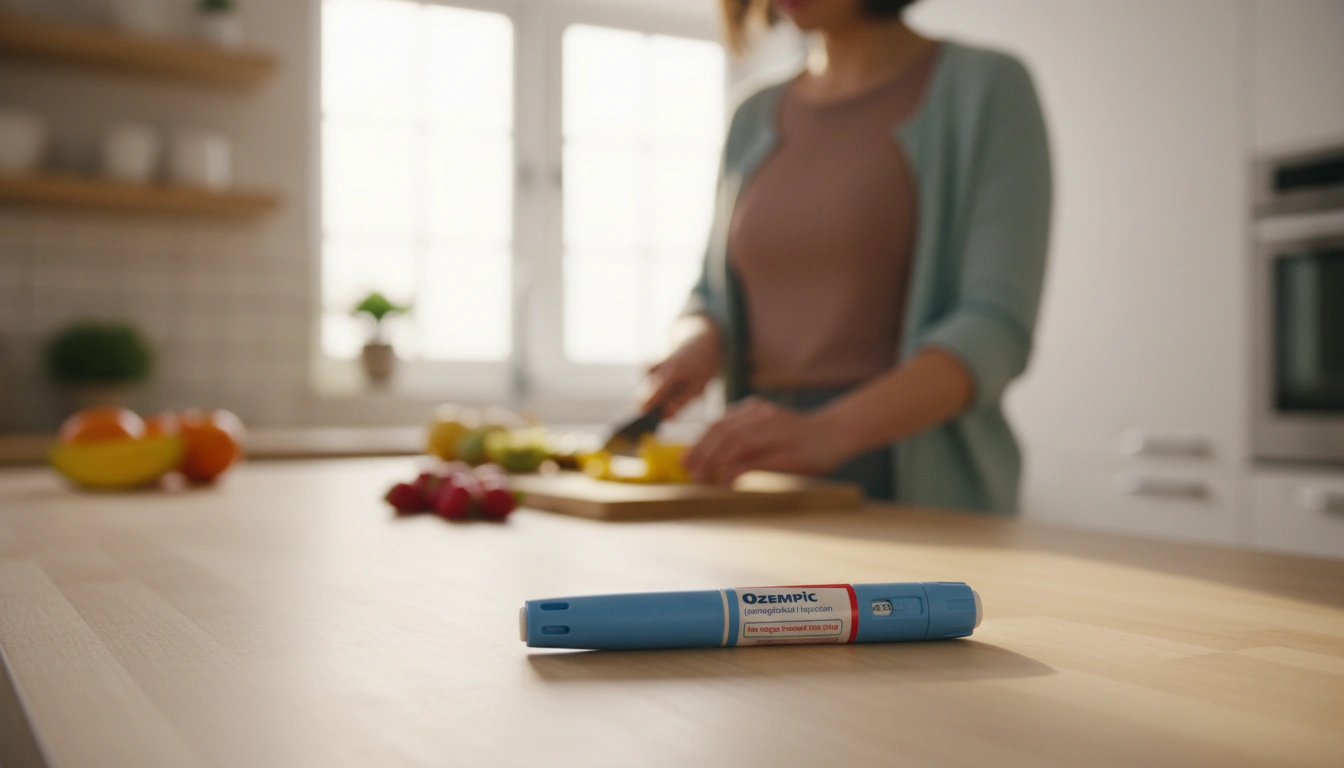
One of the most common questions individuals have when considering or starting Ozempic is whether it comes in different doses. The answer is a resounding yes. Ozempic is available in various strengths and is delivered through pre-filled, disposable pens designed for once-weekly subcutaneous injection. These pens are engineered to provide precise, self-administered doses, making the treatment regimen manageable for many. However, the exact dosage you receive, and how it’s delivered, is carefully managed by your healthcare provider as part of a personalized treatment plan.
We believe that transparency in medication and treatment plans is essential. It’s crucial to understand that while Ozempic is available in different dosing options, the pen itself is a device that contains a specific concentration of medication and is designed to deliver a range of doses or a single maintenance dose depending on the pen type.
The Ozempic Pen System: Three Distinct Options
Ozempic pens are supplied in different configurations, each tailored to deliver specific doses throughout a patient’s treatment journey. There are primarily three types of Ozempic pens, each containing a different total amount of semaglutide solution:
- The “Start and Stay” Pen (2 mg/3 mL): This pen is often used for treatment initiation and lower maintenance doses. It contains 2 milligrams of semaglutide in 3 milliliters of solution. This specific pen can deliver:
- Four weekly doses of 0.25 mg (initiation doses).
- Two additional weekly doses of 0.5 mg (maintenance doses), or four weekly doses of 0.5 mg if used solely for that maintenance dose. This configuration is designed to guide patients through the initial titration phases, allowing the body to gradually adjust to the medication.
- The 1 mg Maintenance Pen (4 mg/3 mL): As the name suggests, this pen is intended for patients who have titrated up to the 1 mg maintenance dose. It contains 4 milligrams of semaglutide in 3 milliliters of solution. This pen delivers:
- Four weekly doses of 1 mg. This pen provides a month’s supply of the 1 mg dose, simplifying ongoing treatment for those who require this strength.
- The 2 mg Maintenance Pen (8 mg/3 mL): This is the highest dose pen available and is used for patients requiring the maximum therapeutic dose. It contains 8 milligrams of semaglutide in 3 milliliters of solution. This pen delivers:
- Four weekly doses of 2 mg. Similar to the 1 mg pen, this option ensures a consistent monthly supply for individuals on the 2 mg maintenance dose.
Each carton containing an Ozempic pen also includes NovoFine Plus needles, specifically designed for use with the pen, ensuring a comfortable and effective injection experience. Our commitment to transparent service means we want you to be fully informed about how your medication is delivered, and our approach remains consistent regardless of dosage changes.
The Ozempic Dosing Schedule: A Step-by-Step Approach to Personalization
The path to achieving optimal results with Ozempic is typically a gradual one, involving a carefully designed dosing schedule. This titration process is essential to help your body adjust to the medication, minimize potential side effects, and ultimately find the most effective dose for your unique needs. At TrimRx, we emphasize that personalized care is at the heart of effective treatment, and understanding this gradual dose escalation is a key component of that personalization.
Initiation Doses: Starting Your Journey Gently
When you first begin Ozempic, your healthcare provider will prescribe a low starting dose. This initial phase is crucial for allowing your body to acclimate to the medication, thereby reducing the likelihood and severity of gastrointestinal side effects such as nausea, vomiting, or diarrhea. While these side effects often subside within the first few weeks, a slow introduction helps manage them effectively.
The typical starting schedule is:
- 0.25 mg once weekly for the first 4 weeks. It’s important to understand that this 0.25 mg dose is primarily an initiation dose. It’s designed for acclimatization and is generally not considered effective for long-term blood sugar control or significant weight management on its own. It’s a stepping stone, preparing your body for the therapeutic doses ahead.
Maintenance Doses: Finding Your Optimal Path
After the initial 4-week period, your doctor will usually increase your dose, gradually moving you towards a maintenance level that effectively manages your blood sugar and/or cardiovascular risk. This process is monitored closely, and adjustments are made based on your response to the medication and your individual health goals.
The typical dose escalation schedule is as follows:
- Week 5 and onward: 0.5 mg once weekly. Following the initial 4 weeks at 0.25 mg, the dose is typically increased to 0.5 mg once weekly. This dose is often the first maintenance dose aimed at providing therapeutic benefits.
- Further Escalation to 1 mg once weekly (if needed). If, after at least 4 weeks on the 0.5 mg dose, your blood sugar levels require further control or if your treatment goals are not yet met, your healthcare provider may increase the dose to 1 mg once weekly. This step requires a separate pen designed to deliver the 1 mg dose.
- Maximum Dose of 2 mg once weekly (if additional control is needed). Should additional blood sugar control or cardiovascular benefit be necessary after at least 4 weeks on the 1 mg dose, your provider might further increase your dose to the maximum of 2 mg once weekly. Like the 1 mg dose, this also requires a specific pen designed for the 2 mg strength.
Specific Dosing for Kidney Disease Risk Reduction
For individuals with type 2 diabetes and chronic kidney disease, Ozempic is also approved to reduce the risk of worsening kidney disease and cardiovascular death. The dosing schedule for this specific indication typically begins with:
- 0.5 mg once weekly for 4 weeks.
- Followed by an increase to 1 mg once weekly.
This tailored approach underscores the importance of a healthcare provider’s expertise in determining the most appropriate dose for your specific condition and health objectives. Our platform is a user-friendly and supportive space where individuals receive personalized, medically supervised care, ensuring your treatment plan is precisely aligned with your needs.
Frequency and Timing of Administration
Regardless of the dose, Ozempic is administered once weekly. You should inject it on the same day each week, at any time of the day, with or without meals. Consistency is key to maintaining stable levels of the medication in your body and maximizing its effectiveness. If you’re exploring how a personalized plan could benefit you, we encourage you to [take our free assessment quiz] to see if you qualify for our prescription weight loss medications.
Understanding Your Ozempic Pen: Dosage Delivery and Management
The Ozempic pen is more than just a container; it’s a precisely engineered device that ensures accurate and safe delivery of your medication. Familiarity with its features and proper usage is paramount for effective treatment. We believe in empowering our members with knowledge, making every step of their health journey clear and manageable.
Pen Identification and Dosage Delivery
Each Ozempic pen is clearly labeled with its total drug content (e.g., 2 mg/3 mL, 4 mg/3 mL, or 8 mg/3 mL), which corresponds to the doses it can deliver. For instance, the pen designed for starting and low maintenance doses (2 mg/3 mL) allows you to select either 0.25 mg or 0.5 mg per injection. The pens intended for higher maintenance doses (4 mg/3 mL and 8 mg/3 mL) are designed to deliver a fixed dose of 1 mg or 2 mg, respectively, for each injection.
It’s crucial to use the pen your doctor prescribes, ensuring it matches the specific dose in your personalized treatment plan. Our commitment to safety by working exclusively with FDA-registered and inspected pharmacies means you can trust that your medication is sourced responsibly.
How Many Doses Are in Each Pen?
The number of doses you get from an Ozempic pen depends on the pen type and the specific dose you are administering:
- 2 mg/3 mL Pen (for 0.25 mg and 0.5 mg doses): This pen can deliver 4 doses of 0.25 mg (for initiation) and then 2 doses of 0.5 mg (for maintenance). Alternatively, if used solely for 0.5 mg maintenance, it provides 4 doses. This design is particularly helpful during the initial titration phase.
- 4 mg/3 mL Pen (for 1 mg doses): This pen provides 4 weekly doses of 1 mg.
- 8 mg/3 mL Pen (for 2 mg doses): This pen provides 4 weekly doses of 2 mg.
Each pen is designed to last approximately one month (4 weeks) when used consistently at its intended maintenance dose, providing convenience and predictability in your treatment schedule.
Checking Remaining Medication: The Dose Counter
A key feature of the Ozempic pen is its dose counter, which helps you monitor the amount of medication remaining. This is vital because the visible liquid in the pen doesn’t accurately indicate if a full dose is left.
To check, simply turn the dose selector until the dose counter stops. If it stops at your prescribed dose (e.g., 0.5 mg), then at least that much medication is available. If it stops short, or you cannot turn the selector to your full dose, it means there isn’t enough medication for a complete injection, and it’s time to get a new pen. This simple check ensures you always receive your full, intended dose.
Needle Usage and Injection Safety
Safe and effective injection technique is a cornerstone of Ozempic treatment. Always use a new NovoFine Plus needle for each injection. This practice significantly reduces the risk of contamination, infection, leakage, and blocked needles. Never share your Ozempic pen with anyone else, even if the needle has been changed. Sharing pens can transmit serious infections.
Ozempic is injected subcutaneously (under the skin) into the abdomen, thigh, or upper arm. It is crucial to alternate injection sites with each dose to prevent skin irritation. Your healthcare provider, nurse, or pharmacist will provide detailed instructions and demonstrate the correct injection technique when you first start. Our comprehensive service includes doctor consultations and unlimited support, ensuring you have guidance every step of the way.
Storage and Disposal: Ensuring Safety and Efficacy
Proper storage and disposal of your Ozempic pens are critical for maintaining the medication’s efficacy and ensuring safety. Adhering to these guidelines helps preserve the integrity of the semaglutide and protects against potential health risks. At TrimRx, we prioritize your safety and provide clear guidance on all aspects of your personalized treatment plan.
Storing Your Ozempic Pens
The storage requirements for Ozempic differ slightly between unused and in-use pens:
- Unused Pens: Before their first use, new Ozempic pens should always be stored in the refrigerator, maintained at a temperature between 36°F to 46°F (2°C to 8°C). Keeping them refrigerated helps preserve the medication’s potency until you’re ready to begin treatment. Unused pens are typically valid until the expiration date (“EXP”) printed on the label, provided they are kept continuously refrigerated.
- In-Use Pens: Once you’ve used an Ozempic pen for the first time, you have more flexibility. You can continue to store it in the refrigerator (36°F to 46°F or 2°C to 8°C) or keep it at room temperature, provided the temperature remains between 59ºF to 86ºF (15ºC to 30ºC). However, regardless of where it’s stored after its first use, an in-use pen must be discarded after 56 days (8 weeks), even if there is still medication left inside. This 56-day limit is crucial for maintaining the sterility and effectiveness of the medication once it has been opened and exposed to air.
Important Storage Precautions:
- Do not freeze Ozempic. If your pen has been frozen, it must be discarded, as freezing can damage the medication and render it ineffective.
- Protect from heat and light. Avoid leaving pens in direct sunlight or in places where they might get too hot or too cold, such as in a car. Extreme temperatures can compromise the medication.
- Keep out of reach of children. Always store Ozempic and all other medications safely away from children and pets.
Proper Disposal of Used Pens and Needles
Safe disposal of medical sharps, including used Ozempic pens and needles, is essential to prevent accidental needle sticks and environmental contamination.
- Needles: After each injection, the used needle should be immediately placed into an FDA-cleared sharps disposal container. If a sharps container isn’t readily available, you can use a strong, heavy-duty plastic household container, such as a laundry detergent bottle or a heavy-duty plastic jug, as long as it has a tight-fitting, puncture-resistant lid and is labeled to warn of hazardous waste. Never recap a used needle to avoid accidental needle sticks.
- Empty Pens: Once an Ozempic pen is empty, or after 56 days of first use (whichever comes first), dispose of the entire pen (without the needle attached) in the same FDA-cleared sharps disposal container or designated household container.
Following these guidelines ensures that you are using Ozempic safely and responsibly, contributing to both your health and public safety. This detailed attention to every aspect of your treatment is a hallmark of the compassionate care we offer at TrimRx.
The Role of Personalized Care in Your Ozempic Journey
At TrimRx, our journey began with a shared vision to help individuals embrace healthier lifestyles by merging cutting-edge telehealth innovations with effective weight loss solutions. We understand that every individual’s health journey is unique, and a one-size-fits-all approach to weight management or chronic condition care is rarely effective. This is why personalized care, especially concerning medications like Ozempic, is central to our philosophy.
Tailored Treatment Plans for Individual Needs
The complexities of Ozempic dosing – from initiation to maintenance, and considerations for specific conditions – highlight the critical need for expert medical supervision. Our platform is a user-friendly and supportive space where individuals receive personalized, medically supervised care, all designed to make sustainable weight loss attainable and tailored to the individual.
We believe that sustainable weight loss should be achieved through science, empathy, and a transparent approach. When you engage with our programs, your journey begins with a comprehensive assessment, ensuring that any prescription medication, such as Ozempic, Ozempic®, Compounded Semaglutide, Oral Semaglutide, Compounded Tirzepatide, Oral Tirzepatide, Mounjaro®, Zepbound®, or Wegovy®, is appropriate for your specific health profile. Our licensed medical professionals carefully evaluate your health history, current medications, and weight loss goals to craft a treatment plan that is precisely right for you. This meticulous approach helps navigate the various dosage options, ensuring you start at the correct dose and progress safely and effectively. To explore your personalized options and see if you qualify for our prescription weight loss medications, we highly recommend you [take our free assessment quiz].
Comprehensive Support Beyond the Prescription
Our commitment extends far beyond simply providing medication. We offer a comprehensive service that includes:
- Doctor Consultations: Regular check-ins with healthcare providers to monitor progress, adjust dosages as needed, and address any concerns.
- Medication Access: Seamless access to your prescribed medication, which is provided through FDA-registered, inspected, and approved pharmacies, ensuring quality and safety. We partner with these pharmacies for the shipping of weight loss medications and do not provide actual medical supervision ourselves, but ensure patients receive it through our program. It’s important to remember that while branded medications like Ozempic® are FDA approved, compounded medications are not.
- Lab Work: Necessary lab tests to track your health markers and ensure the safety and effectiveness of your treatment.
- Unlimited Support: Continuous guidance and support from our care team, ensuring you never feel alone on your journey.
- Shipping with No Hidden Fees: Transparent processes with no unexpected costs, reinforcing our commitment to clear communication and trustworthy service.
Our brand is empathetic, innovative, trustworthy, supportive, results-oriented, and personalized. We offer compassionate care that respects every individual’s unique journey by combining advanced medical science with modern technology. We understand the challenges you face, and our goal is to provide a clear, supported path to a healthier you.
Beyond Prescription: Supporting Your Journey with Quick-Access Supplements
While prescription medications like Ozempic play a pivotal role in medically supervised weight loss programs, we recognize that a holistic approach often benefits from complementary support. For those looking to enhance their well-being and maintain momentum on their health journey, we offer a selection of quick-access supplements designed to provide immediate support. These supplements are available without the need for a consultation quiz, making them readily accessible to complement your overall health strategy.
These quick-access supplements are crafted to support various aspects of your health and metabolic function, aligning with the principles of effective weight management and overall wellness.
GLP-1 Daily Support
Our [GLP-1 Daily Support] supplement is formulated to work in harmony with your body’s natural processes, offering a gentle yet effective way to reinforce healthy metabolic function. It is designed to provide comprehensive daily assistance, whether you are currently on a GLP-1 medication, considering one, or simply seeking to support your body’s natural appetite and blood sugar regulation mechanisms. This supplement aims to help maintain energy levels and promote a sense of well-being, which is crucial for a consistent and successful health journey.
This supplement is ideal for individuals who are committed to a balanced lifestyle and wish to ensure their body is receiving optimal support for metabolic health. It can be a valuable addition to your routine, helping to sustain the positive changes initiated by a personalized weight loss program.
Weight Loss Boost
For those seeking an additional edge in their weight management efforts, our [Weight Loss Boost] supplement offers targeted support. This carefully formulated supplement is designed to complement dietary and exercise efforts by supporting metabolic rate and energy utilization. It provides a convenient way to enhance your body’s natural ability to manage weight, assisting in the pursuit of your health goals.
The Weight Loss Boost can be particularly beneficial during plateaus or when you feel the need for an extra push to advance your progress. It’s an accessible tool to empower your journey, giving you the confidence that you are actively supporting your body’s potential for change.
These quick-access supplements embody our commitment to providing diverse, science-backed solutions that cater to various needs within the weight loss spectrum. They represent an immediate way to engage with our supportive approach to health, ensuring that comprehensive care is within reach.
Navigating Potential Side Effects and Adjustments
Embarking on a medication regimen, even a highly effective one like Ozempic, often involves understanding and managing potential side effects. While the benefits of Ozempic are significant for many, being informed about common reactions and how your body might adapt is crucial for a smooth and sustainable treatment journey. Our medically supervised programs prioritize your comfort and safety, providing continuous support and guidance through any adjustments.
Common Side Effects and Management
The most frequently reported side effects associated with Ozempic are gastrointestinal in nature. These can include:
- Nausea
- Vomiting
- Diarrhea
- Constipation
- Stomach pain
- Decreased appetite
These symptoms typically arise as your body adjusts to the medication, especially during the initial weeks of treatment or when doses are increased. The gradual dose escalation schedule for Ozempic is specifically designed to help mitigate these effects, allowing your system to slowly adapt. Most individuals find that these side effects are mild to moderate and tend to diminish over time.
It is important to communicate openly with your healthcare provider about any side effects you experience. They can offer strategies for management, such as dietary adjustments (e.g., eating smaller, more frequent meals, avoiding fatty foods), or confirm if the symptoms are typical and expected to resolve.
Factors Influencing Dosage Adjustments
Your Ozempic dosage is not a static prescription; it is part of a dynamic, personalized treatment plan. Several factors might necessitate an adjustment to your dose, underscoring the importance of ongoing medical supervision:
- Blood Sugar Levels: Your healthcare provider will regularly monitor your blood sugar. If levels remain elevated, or if they drop too low (hypoglycemia), your dose may need adjustment.
- Response to Treatment: The effectiveness of the current dose in achieving your specific health goals (e.g., blood sugar control, cardiovascular risk reduction, or weight management support) will be continuously evaluated.
- Other Medications: Certain other medications, supplements, or herbs can interact with Ozempic, potentially affecting its efficacy or increasing side effects. Always inform your doctor about all medications you are taking.
- Concurrent Health Conditions: The presence or development of other health conditions, particularly kidney issues, may influence dosing decisions. While Ozempic generally doesn’t require dose changes based solely on kidney function, acute kidney injury has been reported, especially in those with pre-existing kidney disease experiencing severe gastrointestinal side effects leading to dehydration.
- Upcoming Procedures or Surgeries: Informing your doctor about any planned medical procedures or surgeries is vital, as Ozempic may need to be temporarily paused or adjusted.
- Side Effect Severity: If you experience severe or persistent side effects, your doctor may reduce your dose or adjust your treatment plan to ensure your comfort and safety.
Remember, the goal of dose adjustment is always to find the lowest effective dose that provides the desired therapeutic outcomes while minimizing discomfort. This ongoing dialogue and collaborative approach between you and your healthcare provider are cornerstones of the empathetic, supportive care you receive through our programs. If you ever feel your symptoms are severe or concerning, contact your doctor immediately.
Conclusion
Navigating the intricacies of medication, especially for chronic conditions or weight management, can feel like a complex journey. We’ve explored in depth the question, “Does Ozempic come in different doses?” and found a nuanced answer rooted in personalized care. From its various pen configurations and precise dose delivery mechanisms to the gradual, medically supervised titration schedule, Ozempic is designed to be tailored to individual needs, whether for managing type 2 diabetes, reducing cardiovascular risk, or supporting weight loss goals. Understanding these details is not just about comprehending a medication; it’s about empowering yourself with knowledge to actively participate in your health journey.
At TrimRx, we stand by the principle that effective health management is built on a foundation of science, empathy, and transparent support. Our innovative approach merges cutting-edge telehealth with personalized, medically supervised care, ensuring that every individual receives a treatment plan uniquely suited to them. We emphasize that Ozempic and other GLP-1 medications are powerful tools when used correctly and under expert guidance. Our programs offer not just access to these medications—sourced from FDA-registered and inspected pharmacies—but also comprehensive support, including doctor consultations, lab work, and unlimited assistance, all designed with no hidden fees.
Your health journey is a partnership, and we are committed to being your trusted guide. We understand the challenges and celebrate every step of progress. Whether you’re considering a prescription medication or seeking additional support, we offer clear pathways to a healthier lifestyle. To discover how a personalized plan could transform your well-being and to see if you qualify for our prescription weight loss medications like Ozempic®, Compounded Semaglutide, Oral Semaglutide, Compounded Tirzepatide, Oral Tirzepatide, Mounjaro®, Zepbound®, or Wegovy®, we invite you to [take our free assessment quiz] today. For immediate support and to complement your health efforts, explore our quick-access supplements, [GLP-1 Daily Support] and [Weight Loss Boost], available for purchase without a quiz.
Embrace a future where sustainable health is not just a dream, but an attainable reality, supported by compassionate care and a dedicated team.
FAQ
How is Ozempic dosage determined for an individual?
Ozempic dosage is determined through a personalized, medically supervised process. Your healthcare provider will consider several factors, including your specific health condition (type 2 diabetes, cardiovascular risk, kidney disease), your overall health history, other medications you may be taking, and your individual response to the medication. Treatment typically begins with a low initiation dose (0.25 mg once weekly) for about 4 weeks to help your body adjust and minimize side effects. The dose is then gradually increased over time to a maintenance dose (0.5 mg, 1 mg, or 2 mg once weekly) that effectively manages your condition while minimizing side effects. This titration ensures the most effective and safest dose for your unique needs. You can learn more about how a personalized plan could benefit you by taking our [free assessment quiz].
Can Ozempic be used for weight loss, and does its dosage change for this purpose?
While Ozempic (semaglutide) can lead to weight loss in many individuals, it is important to clarify that it is not FDA-approved specifically for weight loss. Its FDA-approved indications are for improving blood sugar in adults with type 2 diabetes and reducing the risk of major cardiovascular events or worsening kidney disease in certain patients. For chronic weight management, other semaglutide-containing medications, such as Wegovy®, and tirzepatide-containing medications like Zepbound®, are specifically approved. If Ozempic is used off-label for weight loss, the dosage would typically follow the same titration schedule as for its approved indications, under the strict guidance of a healthcare provider. Any weight loss achieved would be a secondary benefit of its primary use.
What should I do if I miss an Ozempic dose?
If you miss a dose of Ozempic, it’s important to act promptly but carefully. If fewer than 5 days have passed since your last scheduled dose, you should take the missed dose as soon as you remember. However, if more than 5 days have passed since your last dose, you should skip the missed dose and resume your regular once-weekly dosing schedule. Never take two doses at once or within a short timeframe to make up for a missed dose, as this could lead to hypoglycemia (a severe drop in blood sugar) or other serious side effects. Always communicate any missed doses with your healthcare provider for guidance.
How long does an Ozempic pen typically last?
The duration an Ozempic pen lasts depends on the specific pen type and the dose you are administering. Generally, each Ozempic pen is designed to contain a month’s supply of medication when used at its designated maintenance dose. For instance, the pens for 1 mg and 2 mg doses each contain 4 weekly doses. The pen for 0.25 mg and 0.5 mg doses is designed to deliver a combination of initiation and maintenance doses, often lasting more than 4 weeks during the initial titration phase. Regardless of the number of doses remaining, once an Ozempic pen has been opened and used for the first time, it must be discarded after 56 days (8 weeks) due to sterility and efficacy considerations.

Transforming Lives, One Step at a Time
Keep reading

Ozempic Face: How to Prevent and Minimize Facial Changes
Ozempic face refers to the gaunt, hollowed, or aged appearance that some patients develop during rapid weight loss on semaglutide. It’s not a direct…
How to Lose Belly Fat on Ozempic: Why It Comes Off First
One of the most consistent things patients report on Ozempic is that belly fat seems to come off before fat in other areas. That’s…

How Ozempic Changes Your Body Beyond the Scale
Ozempic changes your body in ways that go well beyond what the scale shows. Within the first few weeks, appetite signaling shifts, gastric emptying…


