Ozempic Doses: What You Need to Know for Your Health Journey
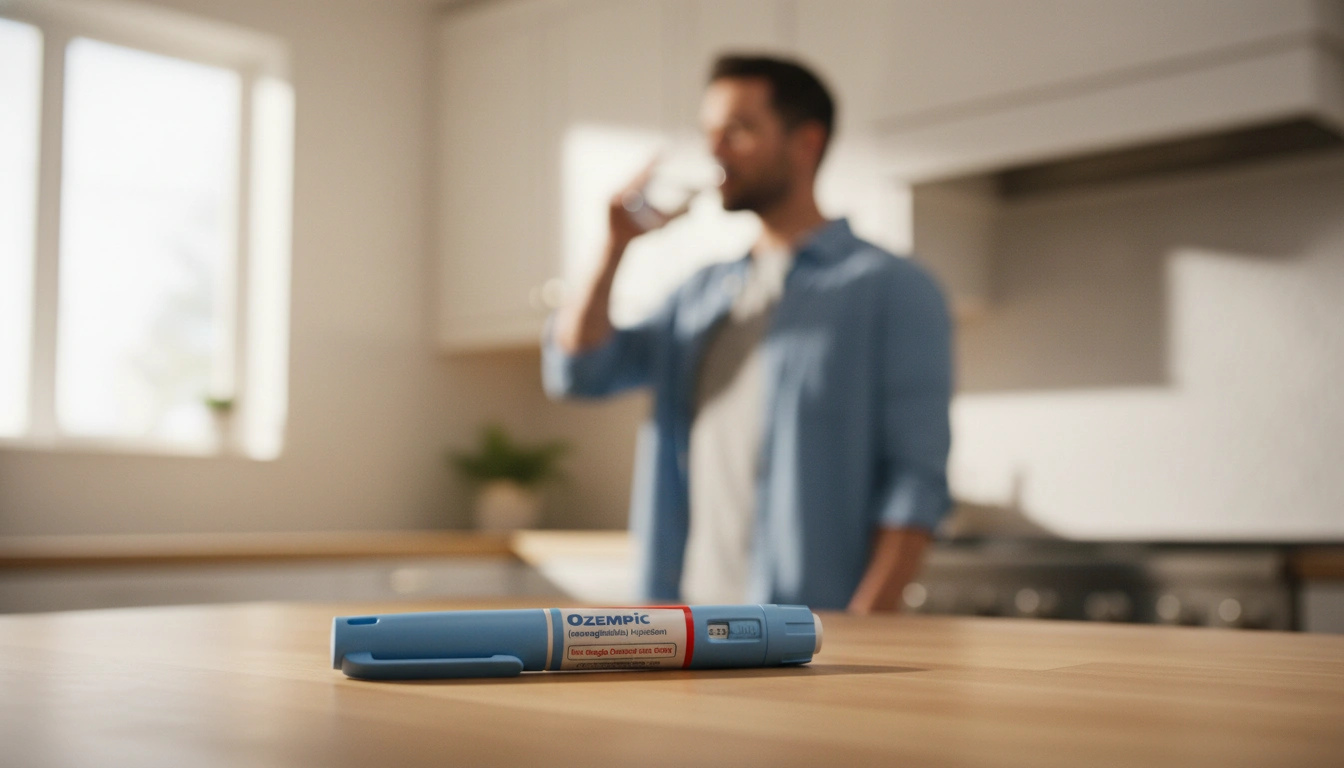
Living with type 2 diabetes presents a unique set of challenges, often requiring a dedicated and informed approach to managing blood sugar levels and overall well-being. For many, integrating advanced treatment options like Ozempic into their regimen can be a pivotal step. Yet, the specifics of medication, especially understanding what are the different doses for Ozempic, can feel overwhelming. It’s not just about taking a pill or an injection; it’s about understanding a carefully calibrated system designed to work with your body, optimizing health outcomes while minimizing potential side effects.
At TrimRx, our journey began with a shared vision to help individuals embrace healthier lifestyles by merging cutting-edge telehealth innovations with effective weight loss solutions. We understand the complexities of managing conditions like type 2 diabetes and the desire for personalized, effective support. Our platform is a user-friendly and supportive space where individuals receive personalized, medically supervised care, all designed to make sustainable weight loss attainable and tailored to the individual. This post aims to demystify the various dosages of Ozempic, providing clarity on how this medication is typically administered and adjusted. We believe that sustainable weight loss should be achieved through science, empathy, and a transparent approach, and that extends to understanding your treatment options.
This guide will delve into the core mechanism of Ozempic, explore its structured dosing schedule, detail the different pen configurations, and offer best practices for administration. We will also touch upon its broader health benefits beyond blood sugar control, the factors that influence personalized dosing, and how TrimRx integrates these insights into a supportive, results-oriented journey for you. By the end, you’ll have a clearer picture of how Ozempic works and how it can fit into your comprehensive health plan, empowering you to discuss your options confidently with your healthcare provider.
The Core of Ozempic: How It Works
Understanding what Ozempic is and how it functions within the body is the first step toward appreciating its dosing strategy. Ozempic, with its active ingredient semaglutide, belongs to a class of medications known as glucagon-like peptide-1 (GLP-1) receptor agonists. This type of medication mimics the action of a natural hormone in your body called GLP-1, which plays several crucial roles in metabolic regulation.
When you eat, your body naturally releases GLP-1. Semaglutide steps in to amplify these natural processes. It primarily helps to improve blood sugar control in adults with type 2 diabetes through a multi-faceted approach. First, it stimulates your pancreas to release more insulin when blood sugar levels are high, without causing excessive insulin release when levels are normal. Second, it reduces the amount of glucagon your liver produces. Glucagon is a hormone that raises blood sugar, so by reducing it, Ozempic helps keep blood sugar levels from climbing too high, especially after meals.
Furthermore, semaglutide has another significant effect: it slows down gastric emptying. This means food stays in your stomach longer, leading to a feeling of fullness and potentially reducing overall food intake. This mechanism is partly why many individuals using Ozempic often experience weight loss as a beneficial side effect, even though Ozempic is not FDA-approved solely for weight loss. This comprehensive action makes Ozempic an effective tool for managing type 2 diabetes and supporting overall metabolic health.
Semaglutide: The Active Ingredient
At the heart of Ozempic’s effectiveness is semaglutide, a synthetic compound designed to mimic the human GLP-1 hormone. This innovative approach allows semaglutide to bind to GLP-1 receptors in the body, triggering a cascade of beneficial effects. Its extended-release formulation means it can be administered once a week, providing consistent therapeutic levels and simplifying adherence for many individuals. The sustained presence of semaglutide helps to maintain stable blood sugar control throughout the week, offering a significant advantage over daily injectable medications. This once-weekly dosing schedule, combined with its broad metabolic benefits, makes semaglutide a cornerstone of modern type 2 diabetes management strategies.
Demystifying Ozempic Doses: A Phased Approach
The administration of Ozempic is not a one-size-fits-all process; it involves a carefully structured, gradual titration of what are the different doses for Ozempic. This phased approach is crucial for several reasons, primarily to help your body adjust to the medication and minimize potential gastrointestinal side effects such as nausea, vomiting, or diarrhea, which can sometimes occur when starting or increasing GLP-1 receptor agonists. We believe in providing compassionate care that respects every individual’s unique journey, and this extends to understanding why a gradual approach is key to comfort and efficacy.
Starting Your Journey: The Initial Dose (0.25 mg)
The journey with Ozempic typically begins with a low, introductory dose of 0.25 mg, administered once weekly. This initial phase is often referred to as the “starting dose” and is maintained for the first four weeks of treatment. It’s important to understand that this 0.25 mg dose is primarily for helping your body acclimate to the medication and is generally not considered an effective dose for achieving long-term blood sugar control. Its purpose is to gently introduce semaglutide into your system, allowing for a smoother transition as the dosage increases. This careful initiation reflects our commitment to a transparent and empathetic approach to your health.
Stepping Up: The Intermediate Dose (0.5 mg)
After completing the initial four weeks at 0.25 mg, your healthcare provider will typically recommend an increase to 0.5 mg once weekly. This is often the first therapeutic dose designed to actively improve blood sugar levels and is maintained for at least another four weeks. Many individuals begin to see noticeable improvements in their glycemic control and potentially experience weight loss benefits at this stage. The gradual increase allows your body more time to adapt, further mitigating side effects while moving towards a more therapeutically effective concentration of the medication. This thoughtful progression ensures that your treatment plan is both safe and effective.
Reaching Your Goal: Maintenance Doses (1 mg and 2 mg)
Following the 0.5 mg dose, if further blood sugar control is needed and your body is tolerating the medication well, your doctor may increase your dose to 1 mg once weekly. This dosage is typically maintained for at least another four weeks before any further adjustments are considered. The 1 mg dose is often a common and effective maintenance dose for many individuals.
Should additional glycemic control be required, and after a minimum of four weeks on the 1 mg dose, the dosage may be further increased to 2 mg once weekly. This stepwise escalation is carefully monitored by your healthcare provider to ensure that the benefits outweigh any potential side effects.
Maximum Recommended Dose
It is crucial to remember that the maximum recommended dose for Ozempic is 2 mg once weekly. Exceeding this dosage can increase the risk of adverse effects without necessarily providing additional therapeutic benefits. Your healthcare provider will work with you to find the lowest effective dose that manages your blood sugar levels and supports your overall health goals. This personalized titration process underscores our belief in individualized care, recognizing that each person’s response to medication is unique. If you’re wondering if prescription weight loss medications like Ozempic might be right for you, we encourage you to take our free assessment quiz to determine your eligibility and receive a personalized treatment plan.
Understanding Ozempic Pen Configurations
To effectively manage your Ozempic treatment, it’s helpful to understand how the medication is supplied. Ozempic comes in prefilled, disposable pens designed for self-injection, and these pens come in different configurations to accommodate the various dosage strengths. Each pen is meticulously designed to deliver a precise amount of medication, making the injection process straightforward and user-friendly.
Decoding the Different Pen Strengths
Ozempic pens are distinguished by the total amount of semaglutide they contain per 3 mL of solution, which dictates the dosage options available from that specific pen. Understanding these distinctions is key to knowing what are the different doses for Ozempic and how they are dispensed.
The 2 mg/3 mL Pen
This pen, containing 2 mg of semaglutide in 3 mL of solution, is typically used for initiating treatment and for the lower maintenance doses. It can deliver multiple doses at either 0.25 mg or 0.5 mg per injection. For example, a 2 mg/3 mL pen might provide four weekly 0.25 mg starting doses followed by two 0.5 mg doses, or simply four weekly 0.5 mg maintenance doses. This configuration is ideal for individuals beginning their Ozempic journey, allowing for the gradual dose escalation that is so important for adaptation and minimizing side effects.
The 4 mg/3 mL Pen
Designed for maintenance therapy, this pen contains 4 mg of semaglutide in 3 mL of solution. It specifically delivers four weekly doses of 1 mg each. Once your healthcare provider has determined that 1 mg is the appropriate maintenance dose for you, this pen ensures a consistent supply for a month. This streamlining helps simplify your weekly routine and reinforces consistency, a cornerstone of effective diabetes management.
The 8 mg/3 mL Pen
For individuals who require the highest maintenance dose, the 8 mg/3 mL pen is available. This pen contains 8 mg of semaglutide in 3 mL of solution and delivers four weekly doses of 2 mg each. Similar to the 4 mg/3 mL pen, it provides a month’s supply for the highest therapeutic dose, supporting long-term blood sugar control and related health benefits.
Each pen is accompanied by NovoFine Plus needles, ensuring you have the necessary components for safe and accurate administration. Remember that while the pens are designed for ease of use, your doctor, nurse, or pharmacist will provide detailed instructions on how to use them safely and effectively. We emphasize our commitment to transparent service, highlighting that our approach remains consistent regardless of dosage changes, and our focus on safety by working exclusively with FDA-registered and inspected pharmacies for the shipping of these essential medications.
Administering Ozempic: Best Practices for Injection
Proper administration of Ozempic is just as important as understanding what are the different doses for Ozempic. While the self-injection process is designed to be user-friendly, adhering to best practices ensures optimal absorption, minimizes discomfort, and maintains the safety and efficacy of the medication. Our goal at TrimRx is to empower you with the knowledge and support you need for a successful health journey, including practical guidance on your treatment plan.
Choosing Your Injection Site
Ozempic is administered subcutaneously, meaning it’s injected just under the skin. The recommended injection sites are the abdomen, thigh, or upper arm. It’s crucial to rotate your injection site each week, even if you prefer a particular area, to prevent skin irritation, scarring, or changes in how the medication is absorbed. For example, if you inject into your abdomen one week, consider using your thigh the next, and your upper arm the week after. Within a chosen area, always select a different spot for each injection.
- Abdomen: Often a preferred site due to its accessibility and generally good fat padding. Avoid injecting within two inches of your belly button.
- Thigh: The front of your thigh is another suitable area.
- Upper Arm: The outer area of the upper arm can also be used, though some individuals may find it harder to self-administer here.
Always ensure the skin is clean and free of moles, scars, or broken skin before injection.
The Importance of a Consistent Schedule
Consistency is paramount when taking Ozempic. Since it’s a once-weekly injection, choosing a specific day of the week and sticking to it is highly recommended. You can administer Ozempic at any time of day, with or without meals, but maintaining the same day each week helps to keep a steady level of semaglutide in your system. For instance, if you take your first dose on a Monday morning, aim to take all subsequent doses on Monday mornings. Setting a recurring reminder on your phone or integrating it into an existing weekly routine can be incredibly helpful. This adherence to a consistent schedule is a key factor in achieving the best possible results from your treatment.
What to Do if You Miss a Dose
Life happens, and sometimes a dose might be missed. If you forget to take your Ozempic dose, don’t panic. The guideline is to take the missed dose as soon as you remember, provided it’s within five days of your regularly scheduled injection day. If more than five days have passed since your last scheduled dose, it’s generally recommended to skip the missed dose and simply take your next scheduled dose on its regular day. Never take two doses at once to make up for a missed dose, as this can increase the risk of side effects, including hypoglycemia (low blood sugar). Always consult with your healthcare provider if you are unsure or have questions about a missed dose.
Proper Storage and Handling
Correct storage of your Ozempic pens is vital for maintaining their efficacy. Unopened Ozempic pens should be stored in the refrigerator, between 36°F to 46°F (2°C to 8°C), until their first use. It is critical not to freeze Ozempic; if it has been frozen, it should not be used. After the first use, you have the flexibility to store the pen either at room temperature (between 59°F to 86°F or 15°C to 30°C) or continue to keep it in the refrigerator. Regardless of storage location after first use, the pen must be discarded after 56 days, even if there is still medication left inside. Always keep the pen cap on when not in use to protect the medication from light. Remember to keep Ozempic and all medications out of the reach of children. Adhering to these storage guidelines ensures that the medication you are using remains safe and effective for your treatment journey.
Beyond Blood Sugar: Ozempic’s Broader Health Benefits
While Ozempic is primarily recognized for its effectiveness in improving blood sugar control for adults with type 2 diabetes, its benefits extend beyond glycemic management. The active ingredient, semaglutide, offers a multi-faceted approach to health, impacting several vital bodily systems. This broader spectrum of advantages makes understanding what are the different doses for Ozempic even more significant, as consistent treatment can contribute to a more comprehensive improvement in health.
Cardiovascular and Kidney Health Protection
One of the most profound benefits of Ozempic, beyond its impact on blood sugar, is its FDA-approved indication to reduce the risk of major cardiovascular (CV) events such as heart attack, stroke, or death in adults with type 2 diabetes and established CV disease. This protective effect on the heart and blood vessels is a critical advantage, as individuals with type 2 diabetes often face a higher risk of these serious complications. By helping to safeguard cardiovascular health, Ozempic offers a layer of protection that can significantly improve long-term outcomes and quality of life.
Furthermore, Ozempic is also FDA-approved to reduce the risk of worsening kidney disease and CV death in adults with type 2 diabetes and chronic kidney disease (CKD). Kidney disease is another common and severe complication associated with type 2 diabetes, and the ability of Ozempic to help mitigate its progression underscores its comprehensive health benefits. These dual protections highlight Ozempic as more than just a diabetes medication; it’s a tool for enhancing overall health and reducing the burden of related chronic conditions.
The Role in Weight Management
While Ozempic (semaglutide) is not FDA-approved as a weight loss drug for individuals without type 2 diabetes, it is widely observed that many people using it for diabetes management experience significant weight loss. This effect is attributed to semaglutide’s ability to reduce appetite, increase feelings of fullness, and slow gastric emptying, as we discussed earlier. For individuals with type 2 diabetes, achieving and maintaining a healthy weight can itself contribute to better blood sugar control, lower blood pressure, and improved cholesterol levels, creating a positive feedback loop for overall health.
This weight loss potential is a powerful motivator for many and aligns perfectly with our mission at TrimRx. We understand that weight management is often a critical component of a healthier lifestyle. Through our personalized programs, which may include prescription medications like Ozempic (Compounded Semaglutide, Oral Semaglutide, Ozempic®, Compounded Tirzepatide, Oral Tirzepatide, Mounjaro®, Zepbound®, Wegovy®), we offer support that addresses both metabolic health and weight goals. To explore how a personalized plan could benefit you, we encourage you to take our free assessment quiz.
Factors Influencing Your Personalized Ozempic Dosage
The question of what are the different doses for Ozempic is complex because the ideal dosage is highly individualized. It’s not a static prescription but a dynamic part of a personalized treatment plan, carefully adjusted by your healthcare provider. This tailored approach reflects our brand’s empathetic and results-oriented personality, recognizing that your journey to health is uniquely yours.
Individual Health Profile
Your unique health profile plays a significant role in determining your Ozempic dosage. This includes several factors:
- Severity of Type 2 Diabetes: Individuals with higher baseline A1c levels or more challenging blood sugar control may require a more rapid or higher titration of Ozempic doses to achieve their target glycemic goals.
- Response to Treatment: Your body’s response to the medication is continuously monitored. If your blood sugar levels are not adequately controlled at a lower dose after the recommended period, your doctor may increase the dosage.
- Kidney Function: While Ozempic is generally safe for individuals with kidney impairment, your doctor will assess your kidney function before and during treatment. In some cases, specific kidney conditions might influence the initial dosing or the titration schedule, though dose adjustments solely based on kidney function are not typically required for Ozempic itself. However, acute kidney injury has been reported, especially if dehydration occurs from side effects like severe nausea or vomiting.
- Tolerability and Side Effects: Your ability to tolerate the medication, particularly regarding gastrointestinal side effects, is a primary driver of dose adjustments. If you experience bothersome side effects, your doctor may recommend slowing down the titration process or temporarily staying at a lower dose to allow your body more time to adapt.
- Other Health Conditions: Any other pre-existing health conditions, especially those related to the pancreas or thyroid, will be considered by your doctor when determining the most appropriate and safe Ozempic dosage.
Interactions with Other Medications
It’s crucial to inform your healthcare provider about all medications, supplements, and herbal remedies you are currently taking. Some drugs can interact with Ozempic, potentially affecting its efficacy or increasing the risk of side effects. For example, if you are also taking insulin or other medications that lower blood sugar, your doctor may need to adjust those dosages to prevent hypoglycemia (low blood sugar) when starting Ozempic. Your doctor will carefully review your medication list to ensure that Ozempic can be safely and effectively integrated into your overall treatment plan.
Monitoring Your Progress and Adjusting Dosage
The process of finding your optimal Ozempic dose is an ongoing conversation with your healthcare provider. Regular monitoring of your blood sugar levels (including A1c tests), weight, and any side effects is essential. Based on these observations, your doctor will make informed decisions about adjusting your dosage. Our compassionate care combines advanced medical science with modern technology, ensuring that your personalized plan is always responsive to your changing needs. We offer comprehensive service that includes doctor consultations, medication, lab work, unlimited support, and shipping with no hidden fees, ensuring you have everything you need for a supported and effective weight loss journey.
Navigating Your Weight Loss Journey with TrimRx
Embarking on a weight loss journey, especially when managing health conditions like type 2 diabetes, can feel like a complex path. At TrimRx, we are dedicated to making this journey clear, supportive, and successful. Our brand is empathetic, innovative, trustworthy, and results-oriented, built on the foundation that personalized, medically supervised care is the most effective approach to sustainable weight loss. When you choose TrimRx, you’re not just getting medication; you’re gaining a partner committed to your holistic well-being.
Our Personalized Approach to Care
Our platform integrates cutting-edge telehealth innovations with clinically proven solutions, ensuring that your weight loss plan is specifically designed for you. Understanding what are the different doses for Ozempic or other GLP-1 medications is just one piece of the puzzle. Our comprehensive service begins with a thorough assessment to understand your unique health profile, goals, and eligibility for prescription weight loss medications. This personalized approach is at the core of our values. We believe in harnessing the power of science, empathy, and transparency to craft a plan that not only helps you achieve your goals but also fosters long-term health. We invite you to take our free assessment quiz to discover how a tailored program can transform your health.
The TrimRx Advantage: Comprehensive Support
Our commitment extends beyond prescribing medication. We provide a comprehensive support system that includes:
- Doctor Consultations: Access to qualified medical professionals who can provide personalized care and adjust your treatment plan as needed.
- Medication Management: We partner with FDA-registered and inspected pharmacies to ensure that your prescription weight loss medications, such as Compounded Semaglutide, Oral Semaglutide, Ozempic®, Compounded Tirzepatide, Oral Tirzepatide, Mounjaro®, Zepbound®, and Wegovy®, are safely dispensed and shipped directly to you. It’s important to clarify that while these pharmacies are FDA-registered and inspected, compounded medications are not FDA-approved. For branded medications like Ozempic®, Mounjaro®, Zepbound®, and Wegovy®, their FDA approval can be referenced. TrimRx partners with these pharmacies for the shipping of weight loss medications and does not provide actual medical supervision.
- Lab Work: Essential lab tests are included to monitor your health and ensure the safety and effectiveness of your treatment.
- Unlimited Support: Our team is here for you every step of the way, offering guidance, answering questions, and providing encouragement. We believe in a transparent service, ensuring our approach remains consistent, whether you’re on an initial dose or a maintenance dose.
- Shipping with No Hidden Fees: We pride ourselves on transparent pricing and service, ensuring you know exactly what to expect with no surprises.
This integrated approach reflects our brand personality: supportive, trustworthy, and results-oriented. We combine advanced medical science with modern technology to deliver a superior patient experience, empowering you to make informed decisions about your health.
Supporting Your Journey with Quick-Access Solutions
Beyond our personalized prescription programs, we also offer quick-access supplements designed to support your overall wellness during your weight loss journey. These products do not require a quiz or a prescription, making them readily available to complement your efforts:
- GLP-1 Daily Support: This supplement is formulated to provide daily support for your metabolic health, complementing the natural processes in your body.
- Weight Loss Boost: Designed to give your weight loss efforts an extra edge, this boost can be a valuable addition to your routine.
These supplements offer immediate support, allowing you to proactively enhance your well-being while pursuing your health goals. Whether through our comprehensive personalized programs or our convenient quick-access supplements, TrimRx is here to provide the tools and support you need for a healthier, more vibrant life.
Conclusion
Navigating the journey of weight management and type 2 diabetes can be complex, but understanding the nuances of your treatment, such as what are the different doses for Ozempic, is a powerful step towards empowering your health. We’ve explored how Ozempic works by mimicking GLP-1, its carefully phased dosing schedule from initial 0.25 mg to maintenance doses of 1 mg and 2 mg, and the various pen configurations designed for precision. We also highlighted the critical importance of proper administration, consistent scheduling, and storage to maximize the medication’s effectiveness and safety.
Beyond blood sugar control, Ozempic offers significant benefits in reducing cardiovascular risk and protecting kidney health, showcasing its comprehensive impact on overall well-being. The individualized nature of dosing, influenced by your health profile and other medications, underscores the necessity of close collaboration with your healthcare provider.
At TrimRx, we stand as your dedicated partner, merging innovative telehealth solutions with a compassionate, science-backed approach to personalized weight loss. We are committed to providing you with medically supervised care, ensuring transparent service, and offering a robust support system that includes doctor consultations, lab work, medication from FDA-registered pharmacies, and unlimited guidance. Whether you’re considering prescription weight loss medications or seeking immediate wellness support, our resources are designed to help you achieve sustainable results. We encourage you to take our free assessment quiz to begin your personalized journey or explore our immediate support options like GLP-1 Daily Support and Weight Loss Boost. Together, we can pave the way for a healthier, more fulfilling life.
Frequently Asked Questions About Ozempic Doses
How long does it take for Ozempic to start working?
While the initial 0.25 mg dose is primarily for adaptation, you might begin to see improvements in blood sugar control within 1 to 2 weeks of starting the 0.5 mg dose. For noticeable weight loss, it can typically take 8 to 12 weeks, as your body adjusts and your dosage is titrated.
Can I change my Ozempic injection day?
Yes, if needed, you can change the day of your weekly injection as long as your last dose was taken at least two days before the new injection day. This flexibility can accommodate your schedule, but it’s important to stick to the new chosen day consistently afterward.
What should I do if I experience side effects like nausea or vomiting?
Nausea and vomiting are common side effects, especially when starting or increasing your Ozempic dose, and they often subside as your body adjusts. If these side effects are persistent or severe, it’s crucial to contact your healthcare provider at TrimRx. They can offer strategies to manage symptoms, adjust your dosage, or discuss alternative options to ensure your comfort and continued progress.
Is Ozempic approved for weight loss only?
No, Ozempic is an FDA-approved prescription medication for improving blood sugar control in adults with type 2 diabetes, and for reducing the risk of major cardiovascular events and worsening kidney disease in certain patients. While weight loss is a common and beneficial side effect, it is not its sole or primary FDA-approved indication. For those seeking weight loss as a primary goal, a healthcare provider can discuss specific FDA-approved weight loss medications or off-label use of Ozempic if deemed appropriate for your health profile.

Transforming Lives, One Step at a Time
Keep reading

Ozempic Results After One Year: What Long-Term Use Looks Like
A full year on Ozempic puts you in a category that most weight loss approaches never reach: sustained, medically supported treatment that has had…

Ozempic Results at 6 Months: Progress and What Comes Next
Six months on Ozempic is a significant milestone. By this point, most patients have reached a therapeutic dose, worked through the early adjustment period,…

Ozempic Results at 3 Months: What to Realistically Expect
Three months into Ozempic, most people are starting to see results that feel genuinely meaningful. By this point you’ve moved through the starting dose,…


