Ozempic Dosing: Can I Stay on a Low Dose?
Introduction
Many individuals embarking on a weight loss or diabetes management journey often find themselves at a pivotal point, asking profound questions about their treatment plans. One common query that arises in discussions about popular medications like Ozempic® is: can I stay on a low dose of Ozempic? This question isn’t just about convenience; it delves into personal efficacy, side effect management, and the long-term sustainability of a health regimen. It speaks to a desire for balance – achieving results without unnecessary intensity, and understanding how a treatment adapts to one’s evolving needs.
The emergence of glucagon-like peptide-1 (GLP-1) receptor agonists, with semaglutide (the active ingredient in Ozempic®) at the forefront, has revolutionized the landscape of metabolic health. Originally approved by the FDA to improve blood sugar control in adults with type 2 diabetes, Ozempic® has also demonstrated significant benefits in weight management. This dual action has made it a topic of extensive discussion, leading many to explore optimal dosing strategies. However, navigating these powerful medications requires a clear understanding of prescribed regimens, the science behind them, and the importance of professional medical guidance.
At TrimRx, our journey began with a shared vision to help individuals embrace healthier lifestyles by merging cutting-edge telehealth innovations with effective weight loss solutions. We understand that each person’s path is unique, and questions about medication dosage, especially for long-term use, are entirely natural. Our platform is a user-friendly and supportive space where individuals receive personalized, medically supervised care—all designed to make sustainable weight loss attainable and tailored to the individual. We believe that sustainable weight loss should be achieved through science, empathy, and a transparent approach.
This comprehensive guide will illuminate the complexities surrounding Ozempic® dosing, specifically addressing the viability and implications of staying on a low dose. We will delve into the established titration schedules, explore the motivations behind considering lower doses, analyze the scientific evidence regarding efficacy and safety, and underscore the critical role of professional medical oversight. By the end of this post, you will have a clearer understanding of how Ozempic® works, why dosage is so important, and how personalized care through providers like those available via TrimRx can empower you to make informed decisions about your health journey.
Understanding Ozempic® and GLP-1 Receptor Agonists
To truly appreciate the nuances of Ozempic® dosing, it’s essential to first grasp what this medication is and how it functions within the body. Ozempic® is a brand-name prescription medication containing the active ingredient semaglutide. Semaglutide belongs to a class of drugs known as GLP-1 receptor agonists. These medications mimic the action of a natural hormone in your body called glucagon-like peptide-1.
How GLP-1 Agonists Work
GLP-1 receptor agonists have several key mechanisms of action that contribute to their effectiveness in managing type 2 diabetes and supporting weight loss:
- Insulin Secretion: They stimulate the pancreas to release more insulin when blood sugar levels are high. This helps to lower blood glucose.
- Glucagon Suppression: They reduce the amount of glucagon, another hormone, released by the pancreas. Glucagon typically raises blood sugar, so suppressing it helps maintain lower levels.
- Slowed Gastric Emptying: GLP-1 agonists slow down how quickly food leaves your stomach. This can lead to a feeling of fullness for longer periods, reducing overall food intake and helping prevent post-meal blood sugar spikes.
- Appetite Regulation: By affecting areas of the brain that control appetite and satiety, these medications help reduce hunger and cravings, making it easier to adhere to a calorie-reduced diet.
FDA Approval and Usage
Ozempic® is FDA-approved for specific uses:
- To improve blood sugar control in adults with type 2 diabetes, alongside diet and exercise.
- To reduce the risk of major cardiovascular events (like heart attack, stroke, or death) in adults with type 2 diabetes and established cardiovascular disease.
While Ozempic® is not FDA-approved solely for weight loss, its active ingredient, semaglutide, is approved for weight management under the brand name Wegovy®. This distinction is crucial, as the dosing schedules and approved indications differ between these branded medications. Many healthcare providers, however, do prescribe Ozempic® off-label for weight loss, given the strong evidence of its efficacy in this area. Our platform supports individuals in understanding these distinctions and connecting with licensed medical professionals to determine the most appropriate treatment plan for their unique needs.
The Science Behind Ozempic® Dosing: Why Titration Matters
The prescribing information for Ozempic® outlines a carefully structured dosing schedule, typically starting at a low dose and gradually increasing it over several weeks. This process, known as titration, is not arbitrary; it is based on extensive clinical research designed to maximize effectiveness while minimizing potential side effects.
The Standard Ozempic® Titration Schedule
The typical progression for Ozempic® dosing is as follows:
- Initial Dose: 0.25 mg once weekly for the first four weeks. This introductory dose is often described as a “non-therapeutic” dose for blood sugar control, primarily intended to help your body adjust to the medication and reduce the incidence and severity of gastrointestinal side effects like nausea, vomiting, and diarrhea.
- First Increase: After four weeks, the dose is typically increased to 0.5 mg once weekly. This is generally the first dose at which significant improvements in blood sugar control and weight management become more noticeable for many individuals.
- Further Increases (If Needed): If additional glycemic control or weight loss is required and the 0.5 mg dose is well-tolerated, a healthcare provider may further increase the dose to 1 mg once weekly, and then to a maximum of 2 mg once weekly. These increases are usually made at intervals of four weeks or more, allowing the body ample time to adapt to each new level.
The Importance of Gradual Dose Escalation
This slow, deliberate titration schedule is critical for several reasons:
- Minimizing Side Effects: GLP-1 receptor agonists can cause gastrointestinal side effects, especially when first starting treatment or increasing the dose. Gradually escalating the dose allows your body’s digestive system to adapt, often leading to a reduction in these uncomfortable symptoms over time. Clinical studies show that while these side effects are common, they tend to subside as treatment continues.
- Achieving Steady State: It takes approximately 4 to 5 weeks of once-weekly administration for Ozempic® to reach a steady-state concentration in the body. Steady state is when the amount of medication going into your body equals the amount being eliminated, leading to consistent drug levels and optimal therapeutic effect. Starting low and gradually increasing ensures that your body establishes stable and effective levels at each dosage step.
- Optimizing Efficacy: While even low doses can have some effect, the full therapeutic benefits for blood sugar control and weight loss are often realized at higher maintenance doses. The titration process allows healthcare providers to find the lowest effective dose for each individual, balancing efficacy with tolerability.
- Personalized Response: Every individual responds to medication differently. A gradual increase allows your healthcare provider to monitor your body’s specific response, including improvements in blood sugar levels and weight, as well as any side effects, to tailor the dosage precisely to your needs. This personalized approach is at the core of our philosophy at TrimRx, where we prioritize individualized care to ensure safe and effective outcomes.
Our platform supports this careful approach by facilitating access to doctor consultations where these titration schedules are discussed and adapted. We encourage all individuals to adhere strictly to their prescribed dosing regimen and to communicate openly with their healthcare provider about any concerns or desired adjustments.
Why Consider a Low Dose? Exploring the Motivations
The question of whether one can stay on a low dose of Ozempic® often stems from various practical and personal motivations. These reasons are valid concerns that individuals face in their health journeys, highlighting the need for transparent communication and personalized guidance.
Managing Side Effects
One of the most common reasons individuals consider a lower dose is to mitigate or avoid the gastrointestinal side effects associated with GLP-1 receptor agonists. Nausea, vomiting, diarrhea, and constipation are frequently reported, especially during the initial weeks of treatment or after a dose increase. For some, these side effects can be quite disruptive to daily life. The logic follows that a lower dose might lead to fewer or less severe side effects, making the medication more tolerable.
When working with individuals, our supportive and empathetic approach at TrimRx emphasizes the importance of managing these experiences. We facilitate compassionate care that respects every individual’s unique journey, combining advanced medical science with modern technology to find solutions that prioritize comfort and adherence.
Weight Maintenance After Reaching Goals
For individuals primarily using Ozempic® for weight management, once a target weight is achieved, the desire to transition to a lower maintenance dose is a natural consideration. The goal shifts from active weight loss to preventing weight regain. This approach aims to sustain the metabolic benefits and appetite suppression at the lowest possible effective dose. However, it’s crucial to understand that studies indicate weight regain is common if GLP-1 agonists are discontinued entirely, making a maintenance strategy vital.
Perceived Cost Management (Without Mentioning Pricing)
While we do not discuss pricing, the practicalities of medication expenses are a reality for many. The perception that a lower dose could extend the use of a prescription (without directly mentioning cost savings) might lead individuals to consider microdosing. This highlights the importance of comprehensive service models that include doctor consultations, medication, lab work, unlimited support, and shipping with no hidden fees, as offered by TrimRx, to provide value and peace of mind.
Addressing Medication Shortages
Historically, there have been periods of high demand and occasional shortages for semaglutide products. During such times, some organizations, like the American Diabetes Association (ADA), have discussed alternative dosing approaches, including “microdosing charts,” as temporary solutions to help patients maintain access to the medication. However, it’s critical to note that these were generally suggested as short-term measures during acute shortages, not as long-term, proven methods endorsed for routine use or optimal outcomes. These situations underscore the challenges individuals face and why a reliable, transparent service is so valuable.
Regardless of the motivation, the decision to adjust any medication dose, particularly powerful ones like Ozempic®, should never be made independently. It requires careful consideration, professional medical evaluation, and a personalized plan developed in consultation with a licensed healthcare provider.
Effectiveness of Low-Dose Ozempic® for Blood Sugar and Weight Loss
When considering whether one can stay on a low dose of Ozempic®, it’s paramount to examine the scientific evidence regarding its efficacy at different dosage levels, both for blood sugar control and weight management. The therapeutic benefits of GLP-1 agonists are often dose-dependent, meaning higher doses typically yield greater effects, but there’s a balance to be struck with tolerability.
For Blood Sugar Control
Ozempic® is FDA-approved for improving blood sugar control in type 2 diabetes. Clinical trials have consistently shown its effectiveness in reducing HbA1c levels, a key indicator of long-term blood sugar management.
- 0.25 mg Dose: As mentioned, the initial 0.25 mg dose is primarily for titration and acclimation. While it begins the process of receptor activation, it is generally not considered a long-term therapeutic dose for significant blood sugar reduction.
- 0.5 mg and 1 mg Doses: Studies comparing 0.5 mg and 1 mg once-weekly doses have demonstrated substantial improvements in HbA1c. For many individuals, these doses are effective in achieving target blood sugar levels. In fact, some studies show that an A1C reduction can be observed within 1 to 2 weeks of starting the 0.5 mg dose, with full effects taking 8 weeks or longer to materialize as steady state is reached.
- 2 mg Dose: For individuals who require further blood sugar reduction or do not achieve their targets at lower doses, the 2 mg dose provides additional efficacy. The manufacturer’s prescribing information supports this escalation to optimize glycemic control.
The consensus from clinical data is that while the 0.5 mg and 1 mg doses are often effective, the need for the 2 mg dose depends on individual response, target blood sugar levels, and overall treatment goals. Our comprehensive service ensures that during doctor consultations, your individual blood sugar metrics and health profile are thoroughly reviewed to determine the most appropriate and effective dosage.
For Weight Loss
The weight-loss benefits of semaglutide, particularly Ozempic®, have garnered significant attention. While Ozempic® is not FDA-approved for weight loss alone (Wegovy® is), its impact on body weight is a well-documented effect for many users with type 2 diabetes.
- Dose-Dependent Weight Loss: Research consistently indicates that weight loss with semaglutide is generally dose-dependent. This means that higher doses typically lead to more substantial weight reduction. For instance, studies on Wegovy® (which uses higher doses of semaglutide, up to 2.4 mg) have shown significant average body weight reductions.
- Effectiveness at Lower Doses: Even at lower Ozempic® doses (0.5 mg and 1 mg), many individuals experience noticeable weight loss. Clinical trials for type 2 diabetes have shown that both 0.5 mg and 1 mg doses of Ozempic® were more effective than a placebo for weight reduction. Some individuals may achieve their weight loss goals or a satisfactory level of weight management at these lower doses, especially if combined with consistent dietary and lifestyle changes.
- Maintenance Considerations: Once weight loss goals are achieved, some individuals may consider maintaining their progress on a lower dose. A preliminary study, for example, used a mathematical model to predict that even less frequent dosing (e.g., every two weeks) could potentially maintain significant weight loss. However, these are theoretical models, and real-world outcomes require careful monitoring and professional guidance. The key challenge with stopping GLP-1s, or going too low, is the risk of weight regain, which has been observed in studies.
It is important to understand that while Ozempic® can support weight loss, the optimal dose for each person is highly individualized. Our personalized weight loss program, accessible via our free assessment quiz, helps determine if you qualify for prescription weight loss medications like Compounded Semaglutide, Oral Semaglutide, Ozempic®, Compounded Tirzepatide, Oral Tirzepatide, Mounjaro®, Zepbound®, or Wegovy®, tailoring a plan to your specific health profile and goals.
The Risks of Unsupervised Dose Adjustments and “Microdosing”
While the desire to stay on a low dose of Ozempic® might stem from logical concerns about side effects or weight maintenance, attempting to self-adjust or “microdose” without professional medical supervision carries significant risks. Our commitment to safety and effective weight loss at TrimRx means we strongly advocate against any unauthorized modification of your prescribed treatment plan.
Reduced Therapeutic Efficacy
The most immediate risk of an unsupervised lower dose is a reduction in the medication’s intended benefits:
- Inadequate Blood Sugar Control: For individuals with type 2 diabetes, taking too low a dose can lead to insufficient blood sugar management. This can result in elevated HbA1c levels, increased risk of diabetes-related complications (such as neuropathy, kidney disease, or cardiovascular events), and a failure to protect against serious heart problems, for which Ozempic® is also approved.
- Slower or Less Weight Loss: If your goal is weight loss, an inadequate dose may lead to slower progress or plateauing before achieving your desired results. The appetite-suppressing and gastric-emptying effects are generally dose-dependent, meaning a lower dose might not provide the necessary metabolic support.
- Blunted Cardiovascular Protection: Ozempic® offers significant cardiovascular benefits at its studied therapeutic doses. Reducing the dose without medical rationale could potentially blunt these protective advantages, particularly for individuals with pre-existing heart disease.
Dosing Errors and Device Limitations
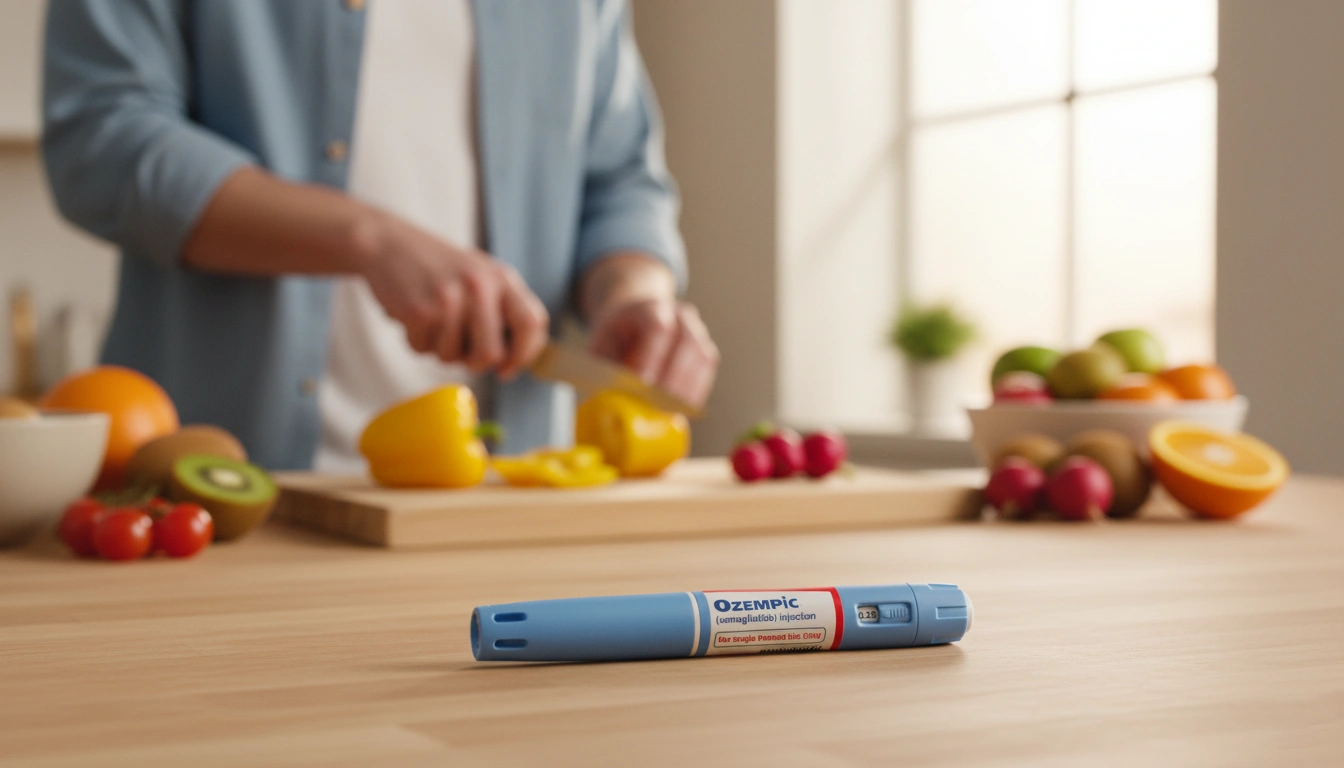
Ozempic® is delivered via an adjustable auto-injector pen designed to deliver specific, predetermined doses (0.25 mg, 0.5 mg, 1 mg, 2 mg).
- Not Designed for Splitting: These pens are not engineered for manual dose splitting or partial depression. Attempting to get an “intermediate” dose by relying on clicks or visual estimations can lead to inaccurate dosing. This means you might be consistently getting too little, too much, or highly variable amounts of medication, compromising treatment consistency and effectiveness.
- Medication Waste: Improper use of the pen can also lead to medication waste, which can have implications for consistent access to your prescribed treatment.
Lack of Scientific Support
Claims about the effectiveness of Ozempic® microdosing for maintaining weight loss or managing blood sugar are largely anecdotal and lack robust scientific research. The specific once-weekly doses recommended in Ozempic® prescribing information are those that have been rigorously studied for safety and efficacy in clinical trials. Deviating from these established protocols moves into uncharted territory, where the benefits are unproven and the risks are unknown.
Safety Concerns with Compounded Medications (Important Clarification)
While not directly related to branded Ozempic® microdosing, it’s important to mention the context of compounded semaglutide, which is sometimes used as an alternative. Our platform provides access to both branded medications like Ozempic® and compounded versions of semaglutide. It is critical to understand that compounded medications are not FDA-approved. However, we ensure safety by partnering exclusively with FDA-registered and inspected pharmacies for the shipping of all weight loss medications. These pharmacies adhere to strict quality and safety standards, but the compounded medication itself does not carry FDA approval. This distinction is crucial for transparency and patient safety.
At TrimRx, our empathetic, innovative, and trustworthy approach means we prioritize your well-being. We offer compassionate care that respects every individual’s unique journey, combining advanced medical science with modern technology. Our commitment to transparent service highlights that our approach remains consistent regardless of dosage changes. This framework ensures that any adjustments to your treatment plan are made under professional guidance, prioritizing your health and safety.
When a Dose Adjustment Is Appropriate: The Role of Professional Guidance
While self-administering a lower dose of Ozempic® is ill-advised, there are legitimate clinical scenarios where a reduction or adjustment in dosage may be medically appropriate. These decisions, however, must always be made under the close supervision and guidance of a licensed healthcare provider. This is where the personalized, medically supervised care offered through TrimRx becomes invaluable.
Managing Persistent Side Effects
If an individual experiences persistent or severe gastrointestinal side effects (e.g., nausea, vomiting, diarrhea) that significantly impact their quality of life, a healthcare provider may recommend a temporary dose reduction. The aim is to allow the body more time to adapt to the medication at a lower level, and once symptoms subside, the provider can guide a re-escalation back towards the target therapeutic dose if needed. This is a nuanced process that balances patient comfort with treatment efficacy.
Restarting Treatment After an Interruption
If a person has stopped taking Ozempic® for several weeks or longer, restarting at their previous high dose can significantly increase the likelihood of experiencing severe side effects. In such cases, a healthcare provider will typically advise re-titrating the medication, starting again at a lower dose (e.g., 0.25 mg or 0.5 mg) and gradually increasing it. This smooth reintroduction helps the body adjust more comfortably, similar to the initial titration process.
Weight Maintenance for Those Who Have Reached Goals
For individuals who have successfully achieved their weight loss goals and are in a maintenance phase, their healthcare provider might discuss exploring a lower dose of Ozempic®. The goal here is to find the minimum effective dose that can help sustain weight loss and metabolic benefits while minimizing overall drug exposure. This delicate balance requires close monitoring of weight, blood markers, and overall health, ensuring that the benefits are preserved without unnecessary risks. This individualized approach is a cornerstone of our personalized weight loss program, which you can explore by taking our free assessment quiz.
Individual Patient Factors and Co-Existing Conditions
A healthcare provider may also adjust Ozempic® dosage based on various individual patient factors:
- Kidney or Liver Impairment: Patients with impaired kidney or liver function may metabolize medications differently, potentially requiring dose adjustments to prevent accumulation or ensure efficacy.
- Other Medications: Interactions with other drugs the patient is taking might necessitate a dose modification.
- Specific Gastrointestinal Disorders: Individuals with pre-existing gastrointestinal conditions may require a more cautious approach to dosing.
- Overall Response: Some individuals simply respond very well to lower doses, achieving their blood sugar or weight goals with minimal medication. In such cases, there may be no clinical need to increase the dose further.
TrimRx embodies an empathetic and results-oriented brand personality, offering a comprehensive service that includes doctor consultations and unlimited support. Our medically supervised approach ensures that any dose adjustment is part of a transparent and evidence-based treatment plan. We partner with FDA-registered and inspected pharmacies to provide medications, making sure that your health and safety are always at the forefront. By taking our free assessment quiz, you can connect with professionals who can guide you through these crucial decisions and develop a personalized treatment plan tailored to your unique journey.
Long-Term Commitment to Health with TrimRx
The journey toward sustainable weight loss and effective diabetes management is often a long-term commitment, not a short-term fix. Medications like Ozempic®, when part of a comprehensive plan, play a crucial role in supporting these goals. Understanding the role of dosage, especially the question of whether one can stay on a low dose of Ozempic®, is integral to this sustained effort.
The Chronic Nature of Weight Management and Type 2 Diabetes
Both obesity and type 2 diabetes are chronic conditions that require ongoing management. While medications like Ozempic® are powerful tools, they work best when integrated into a broader lifestyle approach that includes diet, exercise, and consistent medical oversight. For many, discontinuing or significantly reducing the dosage of GLP-1 agonists without professional guidance can lead to a return of symptoms or weight regain. This emphasizes the need for a long-term strategy, potentially including maintenance doses, to sustain the benefits achieved.
Our vision at TrimRx is to provide solutions that empower individuals to embrace healthier lifestyles for the long haul. Our personalized weight loss solutions are built on the understanding that success is not just about shedding pounds or lowering blood sugar, but about fostering sustainable habits and a supportive environment.
TrimRx’s Comprehensive and Personalized Approach
At TrimRx, we are dedicated to safe, effective weight loss and individualized care. Our platform offers a seamless experience designed to support you every step of the way:
- Personalized Assessment: We start with a free assessment quiz to evaluate your eligibility for prescription weight loss medications, including Compounded Semaglutide, Oral Semaglutide, Ozempic®, Compounded Tirzepatide, Oral Tirzepatide, Mounjaro®, Zepbound®, and Wegovy®. This personalized approach ensures your treatment plan is tailored to your unique health profile.
- Doctor Consultations: You’ll connect with licensed medical professionals who provide medically supervised care. They will assess your needs, discuss the optimal dosing strategy, monitor your progress, and make any necessary adjustments to your plan, including considerations for low-dose maintenance, always prioritizing your safety and efficacy.
- Medication & Lab Work: Our comprehensive service includes access to necessary lab work and medication. We partner with FDA-registered and inspected pharmacies for the shipping of your weight loss medications, ensuring quality and safety. We clearly distinguish that while branded medications like Ozempic® and Zepbound® are FDA approved, compounded medications are not, and we never make claims of FDA approval for compounded products.
- Unlimited Support: Your journey is important to us. We provide unlimited support to answer your questions, address concerns, and help you stay on track, embodying our empathetic and supportive brand personality.
- Transparent Service: We believe in a transparent approach, highlighting that our commitment to your health remains consistent, and our comprehensive service includes shipping with no hidden fees.
Enhancing Your Journey with Quick-Access Supplements
Beyond prescription medications, we understand that holistic wellness supports successful weight management. That’s why we also offer quick-access supplements designed to complement your journey, available for immediate purchase without the need for a quiz:
- GLP-1 Daily Support: This supplement is formulated to support overall wellness and may help enhance some of the natural processes related to GLP-1 pathways.
- Weight Loss Boost: Designed to provide additional metabolic support, this supplement can be a valuable addition to your regimen as you pursue your weight loss goals.
These supplements offer convenient support for various aspects of your health, reflecting our dedication to providing a full spectrum of options to meet your needs.
Conclusion
The question of “can I stay on a low dose of Ozempic?” is a nuanced one, reflecting a natural desire for effective yet comfortable treatment. While lower doses can play a vital role in managing side effects or potentially maintaining weight loss after achieving goals, the decision to adjust any medication dosage, especially with powerful GLP-1 receptor agonists, must always be made under the expert guidance of a healthcare provider. Unsupervised microdosing or self-adjustments carry significant risks, including reduced therapeutic efficacy, potential dosing errors, and a lack of scientific validation.
The standard titration schedule for Ozempic® is scientifically designed to ensure your body adjusts safely and effectively, maximizing the benefits for blood sugar control and weight management. Our commitment at TrimRx is to provide you with a personalized, medically supervised approach that prioritizes your safety and empowers you to achieve sustainable results. We merge cutting-edge telehealth innovations with effective weight loss solutions, creating a user-friendly and supportive space where individualized care is paramount.
If you are considering adjustments to your Ozempic® dosage, or if you are just beginning your weight loss or diabetes management journey, we encourage you to seek professional medical advice. Our platform simplifies this process, offering doctor consultations, personalized treatment plans, and ongoing support.
Take the first step towards a healthier, more sustainable future today. Take our free assessment quiz to see if you qualify for our prescription weight loss medications and to begin your personalized journey with TrimRx. For additional support, consider integrating our quick-access supplements like GLP-1 Daily Support and Weight Loss Boost into your wellness routine. Together, we can navigate your path to optimal health with science, empathy, and transparency.
Frequently Asked Questions
What is the lowest effective dose of Ozempic® for weight loss?
While the initial 0.25 mg dose of Ozempic® is primarily for acclimation, many individuals may start to see noticeable weight loss benefits at the 0.5 mg and 1 mg once-weekly doses. The effectiveness is highly individualized and depends on factors like your body’s response, adherence to diet and exercise, and overall health profile. For optimal and more significant weight loss results, higher doses (like those in Wegovy®) are often utilized. A healthcare provider can help determine the lowest effective dose for your specific goals. You can explore your personalized options by taking our free assessment quiz.
Is it safe to use an Ozempic® pen to get a “half dose” or microdose?
No, Ozempic® pens are designed to deliver specific, fixed doses and are not intended for splitting or manually adjusting to half doses or microdoses. Attempting to do so can lead to inaccurate dosing, inconsistent medication delivery, and potential reduction in efficacy or unintended side effects. It’s crucial to follow the prescribed dosage and use the pen exactly as instructed by your healthcare provider and the manufacturer. Any dose adjustment should only be made under medical supervision.
What are the risks of taking too low a dose of Ozempic® without medical guidance?
Taking too low a dose of Ozempic® without a healthcare provider’s guidance can lead to several risks. For individuals with type 2 diabetes, it may result in inadequate blood sugar control, increasing the risk of long-term complications. For those focused on weight loss, it could slow down progress or prevent you from reaching your goals. Additionally, it might compromise the cardiovascular protective benefits that Ozempic® offers at its established therapeutic doses. Our personalized programs ensure medically supervised care, starting with a free assessment quiz.
How long can I stay on a low dose of Ozempic® if it’s working for me?
If a low dose of Ozempic® is effectively managing your blood sugar and/or supporting your weight goals with minimal side effects, your healthcare provider may determine that it’s an appropriate long-term maintenance dose. The duration depends on your individual health needs, treatment response, and ongoing monitoring. For chronic conditions like type 2 diabetes and obesity, long-term medication use, potentially at a maintenance dose, is common to sustain benefits. This decision is made through doctor consultations as part of your comprehensive care plan with providers on the TrimRx platform.

Transforming Lives, One Step at a Time
Keep reading

Ozempic Face: How to Prevent and Minimize Facial Changes
Ozempic face refers to the gaunt, hollowed, or aged appearance that some patients develop during rapid weight loss on semaglutide. It’s not a direct…

How to Lose Belly Fat on Ozempic: Why It Comes Off First
One of the most consistent things patients report on Ozempic is that belly fat seems to come off before fat in other areas. That’s…

How Ozempic Changes Your Body Beyond the Scale
Ozempic changes your body in ways that go well beyond what the scale shows. Within the first few weeks, appetite signaling shifts, gastric emptying…


