Ozempic Face: Causes, Prevention, and What You Need to Know
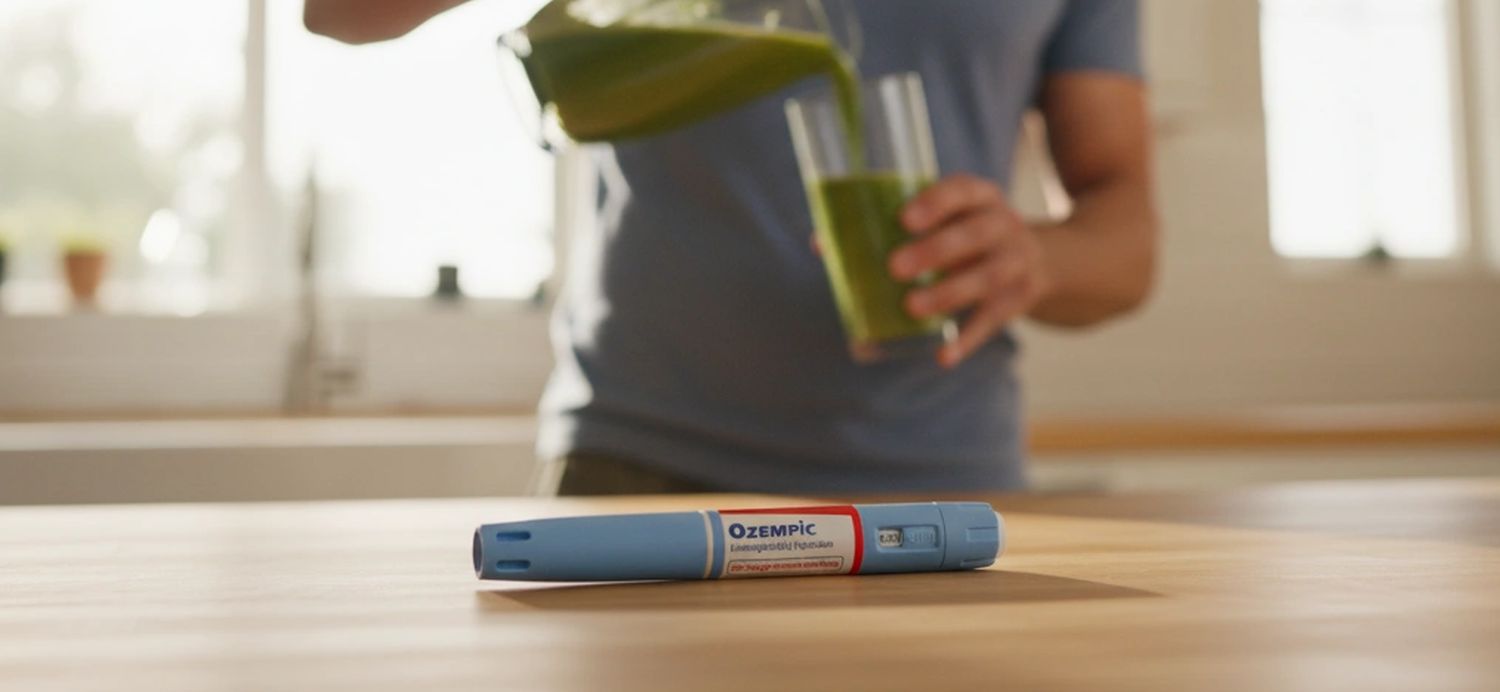
If you’ve spent any time researching Ozempic or semaglutide, you’ve probably encountered the term “Ozempic face.” Maybe you’ve seen dramatic before-and-after photos online showing facial sagging and hollowness. Perhaps you’re worried about whether this will happen to you, or you’re already noticing changes in your face as you lose weight on the medication.
Here’s what you need to know upfront: “Ozempic face” isn’t caused by the medication itself. It’s a descriptive term for facial changes that can occur with rapid, significant weight loss from any cause. When you lose substantial weight quickly, facial fat diminishes along with body fat. In people over 40 or those losing large amounts of weight rapidly, this fat loss can reveal loose skin, deeper wrinkles, and a more hollow or aged appearance. However, this doesn’t happen to everyone, and there are strategies to minimize these changes.
This guide explains exactly what Ozempic face is, why it happens, who’s most at risk, proven prevention strategies, treatment options if facial changes do occur, and realistic expectations about balancing weight loss benefits with potential aesthetic concerns.
Key Takeaways: Ozempic Face
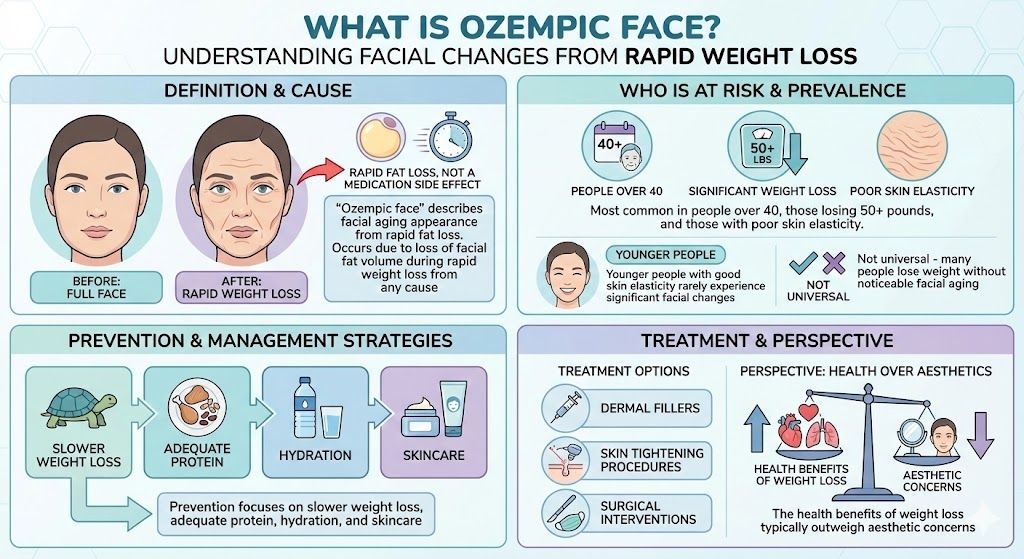
- “Ozempic face” describes facial aging appearance from rapid fat loss, not a medication side effect
- Occurs due to loss of facial fat volume during rapid weight loss from any cause
- Most common in people over 40, those losing 50+ pounds, and those with poor skin elasticity
- Younger people with good skin elasticity rarely experience significant facial changes
- Not universal – many people lose weight without noticeable facial aging
- Prevention focuses on slower weight loss, adequate protein, hydration, and skincare
- Treatment options include dermal fillers, skin tightening procedures, and surgical interventions
- The health benefits of weight loss typically outweigh aesthetic concerns
What Is “Ozempic Face”?
“Ozempic face” is a colloquial term popularized by media and social platforms to describe facial changes some people experience during rapid weight loss on semaglutide medications. The term appeared around 2022 as these medications became widely used for weight loss.
The characteristic appearance includes hollowed cheeks and temples where facial fat has diminished, more prominent nasolabial folds (lines from nose to mouth corners), deeper marionette lines (from mouth corners downward), visible jowling or sagging along the jawline, loose skin under the chin and neck, more pronounced under-eye hollows, and an overall gaunt or aged appearance to the face.
It’s important to understand that “Ozempic face” isn’t a medical diagnosis or an official side effect. Pharmaceutical companies don’t list facial changes in their prescribing information. Dermatologists and plastic surgeons coined the term to describe a pattern they were observing in patients losing weight on these medications.
The term is somewhat misleading because it suggests the medication causes these facial changes. In reality, rapid significant weight loss from any method can produce similar effects. People who lose large amounts of weight quickly through bariatric surgery, extreme calorie restriction, or illness often experience comparable facial changes.
The reason we hear “Ozempic face” rather than “diet face” or “weight loss face” is simply that Ozempic and similar medications have become extremely popular, and many people are losing substantial weight simultaneously. The sheer number of people experiencing rapid weight loss on these medications has made the phenomenon more visible.
For comprehensive information about all aspects of Ozempic treatment, see our complete guide to Ozempic for weight loss.
The Real Cause: Rapid Fat Loss, Not the Medication
Understanding why facial changes occur helps you address them effectively.
Facial Fat Distribution and Aging
Your face contains several fat compartments that provide volume, smooth contours, and a youthful appearance. These include buccal fat pads in the cheeks, temporal fat pads near the temples, malar fat pads on the cheekbones, and submental fat under the chin.
In youth, these fat pads are full and well-positioned, creating smooth, rounded facial contours. As you age naturally, facial fat gradually diminishes and descends due to gravity. The combination of volume loss and gravitational descent creates the appearance of aging with hollowed areas, deeper lines, and sagging.
When you lose weight rapidly, you accelerate this fat loss process dramatically. Your body doesn’t selectively preserve facial fat while burning body fat. The fat compartments in your face shrink along with fat deposits elsewhere.
Why Rapid Loss Creates More Visible Changes
Gradual weight loss over years gives skin time to contract and adapt to the reduced volume underneath. Rapid weight loss over months doesn’t provide this adjustment period. When you lose 30, 40, or 50 pounds in 6 months, the skin that was stretched over a fuller face suddenly has much less volume beneath it. If your skin has good elasticity, it will contract reasonably well. If elasticity is compromised by age, sun damage, or genetics, the skin won’t contract adequately, creating visible sagging.
The Role of Age
Age is the single biggest factor determining whether you’ll experience noticeable Ozempic face. Younger people, particularly those under 35, rarely develop significant facial changes even with rapid substantial weight loss. Their skin has excellent elasticity and rebounds well. People in their 20s and early 30s can often lose 50 pounds quickly and maintain a youthful facial appearance.
People in their late 30s and 40s sit in a transition zone. Some maintain good elasticity and do fine. Others begin showing signs of facial volume loss and sagging with rapid weight loss.
People over 50 are most susceptible. Skin elasticity naturally decreases with age. Collagen and elastin production slow. Sun damage accumulates over decades. These factors mean rapid facial fat loss in older individuals often reveals loose, sagging skin that won’t contract back to match the new, smaller volume.
Amount of Weight Lost Matters
Losing 15 to 20 pounds rarely causes noticeable facial changes regardless of age. Your face doesn’t carry enough fat for that amount of loss to dramatically alter appearance. Losing 30 to 50 pounds creates more visible facial changes, particularly in people over 40. Losing 75 to 100 pounds or more almost always causes some degree of facial volume loss and potential skin laxity, though the degree varies by individual factors.
Who Is at Highest Risk for Ozempic Face?
Certain factors significantly increase the likelihood of experiencing noticeable facial changes during weight loss.
High Risk Groups
People over age 50 face the highest risk. Decreased skin elasticity, reduced collagen production, and accumulated sun damage make significant facial changes likely with rapid substantial weight loss.
Those losing 50 pounds or more, particularly when lost quickly over 6 to 12 months, are at increased risk. The sheer volume of fat loss affects facial appearance.
Individuals with significant sun damage from years of unprotected sun exposure have compromised skin elasticity. Smokers or former smokers experience accelerated skin aging and reduced elasticity. Fair-skinned individuals who burn easily are more prone to sun damage and elasticity loss.
People who were significantly overweight or obese for many years may have stretched skin that won’t fully retract. Those with naturally thin faces or low facial fat to begin with may show hollowing more prominently when losing weight.
Lower Risk Groups
People under age 35 typically have excellent skin elasticity and rarely develop significant Ozempic face even with substantial rapid weight loss. Those losing moderate amounts (20 to 40 pounds) usually don’t experience dramatic facial changes.
Individuals with good skin quality, minimal sun damage, and strong collagen production maintain facial appearance better during weight loss. People who lose weight more gradually over 12 to 18 months rather than 6 months give their skin more time to adapt.
Those who prioritize skincare, sun protection, hydration, and adequate protein throughout weight loss often fare better aesthetically.
Individual Variation
Even within high-risk groups, individual variation is enormous. Two 55-year-old women who each lose 60 pounds on Ozempic might have vastly different facial outcomes. One might develop noticeable hollowing and sagging while the other maintains a relatively youthful appearance.
Genetics play a major role in skin quality, fat distribution patterns, and how your face ages. Some people are simply blessed with better skin elasticity and collagen production. Others drew the short straw genetically and struggle more with skin laxity.
This unpredictability can be frustrating, but it also means you shouldn’t assume you’ll definitely experience Ozempic face just because you’re in a higher-risk category.
Prevention Strategies: Minimizing Facial Changes
While you can’t completely prevent facial fat loss during overall weight loss, certain strategies minimize the risk and severity of Ozempic face.
Lose Weight More Gradually
This is the single most effective prevention strategy. Slower weight loss gives your skin time to contract and adapt to reduced facial volume. Instead of losing 3 to 4 pounds weekly, aim for 1 to 2 pounds weekly. This might mean staying at lower Ozempic doses longer rather than rushing to maximum doses.
Consider taking 6 weeks at each dose level instead of the standard 4 weeks before increasing. Don’t push to the maximum 2.4 mg dose if you’re getting good results at 1 mg or 1.7 mg. Accept that reaching your goal weight might take 18 to 24 months instead of 12 months.
Slower weight loss feels less exciting when you want rapid results, but the aesthetic benefits for your face can be substantial.
Prioritize Protein Intake
Adequate protein preserves muscle mass during weight loss, including the small muscles in your face. Facial muscles help support overlying skin. Maintaining muscle provides better structural foundation even as fat diminishes.
Aim for 0.8 to 1 gram of protein per pound of goal body weight daily. Focus on high-quality complete proteins like chicken, fish, eggs, Greek yogurt, cottage cheese, and protein supplements if needed.
Protein also provides amino acids necessary for collagen production, supporting skin quality throughout weight loss.
Stay Extremely Well Hydrated
Dehydration makes skin look worse instantly. Well-hydrated skin appears plumper, smoother, and more youthful. Dehydrated skin emphasizes every line and hollow. Drink at least 80 to 100 ounces of water daily. More if you exercise heavily or live in dry climates.
Monitor your urine color. Pale yellow indicates good hydration. Dark yellow means you need more fluids.
Implement a Rigorous Skincare Routine
Good skincare won’t prevent fat loss but can improve skin quality and resilience. Use a gentle cleanser twice daily to remove dirt and oil without stripping skin. Apply a moisturizer containing hyaluronic acid, which helps skin retain moisture, and ceramides, which support the skin barrier.
Use retinol or retinoids at night to stimulate collagen production and improve skin texture. Start with low concentrations if you’re new to retinoids, as they can cause irritation initially.
Apply vitamin C serum in the morning. Vitamin C supports collagen synthesis and provides antioxidant protection.
Most importantly, use broad-spectrum SPF 30 or higher sunscreen every single day, even when it’s cloudy. Sun damage is the number one cause of premature skin aging and elasticity loss. Protecting your skin from further damage is crucial during weight loss.
Consider Collagen Supplements
Evidence for oral collagen supplements is mixed, but some studies suggest they may improve skin elasticity and hydration. Typical doses are 2.5 to 15 grams daily of hydrolyzed collagen peptides.
Even if the direct effect is modest, the placebo effect of taking something to support your skin might encourage you to be more diligent about other skincare measures.
Incorporate Resistance Training
Facial exercises targeting facial muscles have questionable efficacy, but full-body resistance training helps maintain overall muscle mass, which indirectly supports better body composition and appearance during weight loss.
Maintaining muscle gives you a healthier, more vital appearance that can offset some facial aging effects.
Protect Against Sun Damage
Beyond daily sunscreen, wear hats when spending extended time outdoors. Seek shade during peak sun hours (10 AM to 4 PM). Wear sunglasses to prevent squinting, which contributes to crow’s feet.
If you have significant accumulated sun damage, consider consulting a dermatologist about treatments like chemical peels, laser resurfacing, or photofacials that can improve skin quality.
Quit Smoking If Applicable
If you smoke, quitting is one of the best things you can do for your skin. Smoking accelerates skin aging, reduces blood flow to skin, impairs collagen production, and worsens skin elasticity.
Weight loss provides excellent motivation to quit smoking simultaneously, addressing two major health concerns at once.
For comprehensive information about managing all aspects of semaglutide treatment, see our complete guide to semaglutide side effects.
Treatment Options If Ozempic Face Occurs
If you do develop noticeable facial changes despite preventive efforts, various treatments can address them.
Dermal Fillers
Hyaluronic acid fillers are the most common first-line treatment for Ozempic face. These injectable gels restore lost volume to hollowed areas. Fillers can be placed in the cheeks to restore fullness, temples to address hollowing, under-eye area to soften dark circles and hollows, nasolabial folds to soften deep lines, marionette lines to lift corners of the mouth, and jawline to restore definition.
Results are immediate and typically last 9 to 18 months depending on the product and location. Costs range from $600 to $1,500 per syringe, with most people needing 2 to 6 syringes for comprehensive facial rejuvenation.
The advantage of fillers is that they’re non-surgical, require no downtime, and results are reversible if you don’t like them. The disadvantage is that they’re temporary and require ongoing maintenance treatments.
Biostimulatory Fillers
Products like Sculptra work differently than traditional fillers. Rather than providing immediate volume, they stimulate your own collagen production over several months. Results build gradually over 3 to 4 months and can last 2 years or longer.
These work well for overall facial rejuvenation but require patience as results develop slowly. Costs are similar to hyaluronic acid fillers but the longer duration makes them more cost-effective over time.
Skin Tightening Procedures
Various non-surgical treatments can improve skin laxity. Ultherapy uses focused ultrasound to stimulate collagen production deep in the skin. Results develop over 2 to 3 months and can last a year or more. Single treatment costs $2,000 to $4,000.
Thermage uses radiofrequency energy to tighten skin. Similar timeline and cost to Ultherapy. Multiple sessions of laser or radiofrequency treatments (like Fraxel or Thermitight) can improve skin quality and provide modest tightening. Require several treatments, costs range from $500 to $2,000 per session.
Thread lifts use dissolvable sutures placed under skin to provide lift and stimulate collagen. Results last 1 to 2 years. Costs range from $1,500 to $4,500.
These procedures provide modest improvement but aren’t as dramatic as surgical options. They work best for mild to moderate skin laxity.
Surgical Options
For significant skin laxity, surgical intervention provides the most dramatic and longest-lasting results. Facelift surgically repositions facial tissues and removes excess skin. Results last 7 to 10 years typically. Costs range from $7,000 to $15,000.
Neck lift addresses sagging skin and fat under the chin and along the neck. Often combined with facelift. Costs $4,000 to $8,000.
Lower facelift focuses on jawline and lower face only. Less extensive than full facelift. Costs $6,000 to $10,000.
Blepharoplasty (eyelid surgery) addresses under-eye bags and hollows. Costs $3,000 to $7,000.
Fat transfer takes fat from elsewhere in your body and injects it into the face for natural volume restoration. Results can be long-lasting if fat survives the transfer. Costs $3,000 to $10,000 depending on extent.
Surgery provides the most dramatic improvement but involves significant costs, recovery time (typically 2 to 4 weeks), and surgical risks.
Combination Approaches
Many people achieve best results combining treatments. For example, dermal fillers to restore volume plus Ultherapy to tighten skin addresses both volume loss and laxity. Thread lift plus fillers provides lift and volume. Fat transfer plus a minor facelift creates comprehensive rejuvenation.
Work with an experienced board-certified plastic surgeon or dermatologist who can assess your specific concerns and recommend the most appropriate treatment plan.
Balancing Weight Loss Benefits with Aesthetic Concerns
The conversation about Ozempic face must acknowledge the tension between health benefits and aesthetic concerns.
Health Benefits Usually Outweigh Aesthetic Concerns
Losing 50 to 100 pounds dramatically improves health outcomes. You reduce risk of type 2 diabetes, heart disease, stroke, and certain cancers. Blood pressure and cholesterol often normalize. Joint pain decreases significantly. Sleep apnea often resolves. Energy levels and quality of life improve substantially. Mental health often improves dramatically.
These health benefits are life-extending and life-improving. In contrast, facial aging is primarily cosmetic. While appearance matters to self-esteem and quality of life, it doesn’t directly affect longevity or physical health.
Most people who struggle with obesity would choose health benefits over maintaining a fuller face. The improved body appearance typically boosts confidence far more than facial changes detract from it.
Individual Priorities Vary
That said, individual priorities are personal. For some people, particularly those working in fields where appearance is crucial (acting, modeling, public-facing roles), facial changes might genuinely affect their livelihood. For others, maintaining a youthful appearance is deeply important to their sense of self and wellbeing.
There’s no moral judgment in prioritizing aesthetics. If facial changes concern you significantly, that’s valid. Options exist including slower weight loss, treatment of facial changes as they occur, or accepting facial changes as a tradeoff for health benefits.
Media Sensationalism
The term “Ozempic face” has been sensationalized by media looking for dramatic before-and-after comparisons and scary headlines. Many articles cherry-pick worst-case examples, showing people who lost massive amounts of weight very rapidly or who had poor skin quality to begin with.
This creates disproportionate fear compared to what most people actually experience. The majority of people using Ozempic lose moderate amounts of weight and don’t develop dramatic facial changes. But “person loses 40 pounds and looks great” doesn’t make compelling clickbait content.
Approach media coverage of Ozempic face with skepticism. Remember that extreme examples aren’t representative of typical experiences.
Celebrity Impact
Celebrities discussing their weight loss journeys or being photographed at different weights has amplified discussion of Ozempic face. However, celebrities face unique pressures around appearance, often undergo multiple cosmetic procedures, and aren’t representative of typical users.
Don’t base your expectations or decisions on celebrity experiences. Focus on realistic outcomes for someone in your age range, with your amount of weight to lose, and your skin quality.
Comparing Ozempic Face to Other Weight Loss Methods
Understanding that facial changes occur with rapid weight loss from any cause provides helpful perspective.
Bariatric Surgery
People who undergo gastric bypass, sleeve gastrectomy, or other bariatric procedures often lose 100 to 150 pounds within 12 to 18 months. This rapid massive weight loss frequently produces significant facial changes, often more dramatic than what’s typically seen with Ozempic.
The term “bariatric face” existed before “Ozempic face,” but it didn’t capture public attention the same way because far fewer people undergo bariatric surgery compared to those using weight loss medications.
Many bariatric surgery patients eventually pursue facial plastic surgery to address excess skin and volume loss. This is so common that some surgeons specialize in post-bariatric body contouring.
Extreme Calorie Restriction
People who lose weight through very low-calorie diets (800 to 1000 calories daily) often lose weight as rapidly as those on Ozempic and experience similar facial changes. The mechanism is identical: rapid significant fat loss revealing skin laxity.
Illness-Related Weight Loss
Cancer, chronic illness, or other medical conditions causing unintentional rapid weight loss also produce facial changes. This demonstrates that facial volume loss with rapid weight loss is a universal phenomenon, not specific to any particular cause.
Gradual Traditional Weight Loss
People who lose weight slowly through balanced diet and exercise over 2 to 3 years typically experience minimal facial changes. The gradual pace allows skin to adapt continuously. This is the gold standard for maintaining facial appearance during weight loss, but it requires years of consistent effort that many people can’t sustain.
Ozempic provides a middle ground: faster than traditional methods but potentially slower than bariatric surgery if doses are escalated conservatively.
For comparison of Ozempic to other weight loss medications and their effects, see our Mounjaro vs Ozempic guide.
Realistic Expectations and Perspective
Setting realistic expectations helps you make informed decisions and maintain healthy perspective.
Not Everyone Develops Ozempic Face
Despite media attention, many people lose substantial weight on semaglutide without noticeable facial aging. Young people with good skin elasticity often look dramatically better overall after weight loss, with improved facial definition rather than hollowing.
Even among older individuals, many maintain reasonably youthful facial appearance while losing 40 to 50 pounds. Good genetics, diligent skincare, and gradual weight loss help, but even without special interventions, many people do fine.
Don’t assume you’ll definitely experience significant facial changes. You might be pleasantly surprised.
Changes Are Often Less Noticeable to Others
People tend to be more critical of their own appearance than others are. You scrutinize your face in the mirror daily, noticing every subtle change. Others see you less frequently and in varied contexts, making gradual changes less apparent.
Additionally, when people see you’ve lost significant weight, they generally focus on how much better your body looks, not on facial nuances. Comments typically run “You look amazing!” not “Your face looks hollow.”
Your perception of facial changes might be more negative than others’ perceptions.
Treatment Options Exist
If facial changes do occur and bother you, numerous effective treatments exist. This isn’t an unsolvable problem. Modern cosmetic dermatology and plastic surgery offer many tools to restore facial volume and address skin laxity.
Yes, these treatments cost money. But they’re available, effective, and used successfully by thousands of people annually. Knowing solutions exist if needed can provide peace of mind.
Overall Appearance Usually Improves
Most people who lose 40 to 80 pounds look dramatically better overall despite potential facial changes. Improved body composition, better posture, healthier skin tone, increased confidence, and better-fitting clothes create an overall more attractive and vibrant appearance.
Even if your face shows some aging effects, your total aesthetic package typically improves substantially. Photos comparing before and after weight loss usually show people looking healthier, younger, and more attractive overall despite some facial hollowing.
Health Matters Most
At the end of the day, health outcomes matter more than aesthetics for most people. Reducing your risk of diabetes, heart disease, and early death provides benefits that far outweigh having a slightly more aged-looking face.
This doesn’t mean appearance doesn’t matter or that concerns about facial changes are vain. It simply means keeping priorities in perspective. You can address facial aesthetics through various treatments if needed, but you can’t reverse the health damage of remaining significantly overweight.
Frequently Asked Questions
What is Ozempic face?
Ozempic face is a colloquial term describing facial changes that can occur during rapid significant weight loss on semaglutide medications. It includes hollowed cheeks and temples, deeper lines around the mouth, sagging along the jawline, and an overall more gaunt or aged appearance. The term is somewhat misleading because these changes result from rapid fat loss rather than the medication directly causing facial aging.
Does everyone who takes Ozempic get Ozempic face?
No, many people lose substantial weight on Ozempic without developing noticeable facial changes. Younger individuals with good skin elasticity rarely experience significant effects. People losing moderate amounts of weight (20 to 40 pounds) typically don’t show dramatic facial changes. Risk is highest in people over 50, those losing 50+ pounds rapidly, and individuals with poor skin elasticity from sun damage or smoking.
Can you prevent Ozempic face?
You can minimize risk through several strategies: losing weight more gradually (1 to 2 pounds weekly instead of 3 to 4), prioritizing adequate protein to preserve muscle (0.8 to 1 gram per pound of goal body weight), staying extremely well hydrated (80 to 100 ounces daily), implementing rigorous skincare with retinoids and daily sunscreen, protecting against sun damage, and quitting smoking if applicable. These strategies improve skin quality and give skin more time to adapt to facial fat loss.
Is Ozempic face permanent?
Facial volume loss from fat reduction is generally permanent unless you regain weight or undergo treatment. However, skin laxity can improve somewhat over 12 to 18 months after weight stabilizes as skin continues contracting. Various treatments can address Ozempic face including dermal fillers, biostimulatory injections like Sculptra, skin tightening procedures like Ultherapy, thread lifts, and surgical options like facelifts. Results vary by treatment type.
At what age does Ozempic face become a concern?
Risk increases significantly with age. People under 35 rarely develop noticeable facial changes even with substantial weight loss due to excellent skin elasticity. Those in their late 30s and 40s have variable risk depending on skin quality and genetics. People over 50 face the highest risk as skin elasticity naturally decreases and accumulated sun damage takes its toll. However, individual variation is enormous within age groups.
Does losing weight more slowly prevent Ozempic face?
Yes, gradual weight loss significantly reduces the risk and severity of facial changes. Losing 1 to 2 pounds weekly instead of 3 to 4 gives skin more time to contract and adapt to reduced volume. This might mean staying at lower Ozempic doses longer or taking 18 to 24 months to reach your goal instead of 12 months. The aesthetic benefits for your face can be substantial.
Can facial exercises prevent Ozempic face?
Evidence for facial exercises is limited and mixed. While exercising facial muscles might provide modest tone improvement, it doesn’t prevent fat loss or address skin laxity, which are the primary causes of Ozempic face. Full-body resistance training to maintain overall muscle mass is more beneficial than targeted facial exercises. Focus prevention efforts on strategies with stronger evidence like gradual weight loss and proper skincare.
How much does it cost to treat Ozempic face?
Costs vary widely by treatment type. Dermal fillers cost $600 to $1,500 per syringe, with most people needing 2 to 6 syringes ($1,200 to $9,000 total). Sculptra biostimulatory filler costs similarly but lasts longer. Skin tightening procedures like Ultherapy cost $2,000 to $4,000. Thread lifts cost $1,500 to $4,500. Surgical facelifts cost $7,000 to $15,000. Many people achieve best results combining treatments.
Is Ozempic face worse than face changes from other weight loss methods?
No, facial changes from Ozempic are similar to those from any method of rapid significant weight loss. Bariatric surgery patients often experience more dramatic changes because they typically lose more weight faster (100 to 150 pounds in 12 to 18 months). The term “Ozempic face” simply reflects how common these medications have become, not that they cause unique or worse facial effects.
Should I avoid Ozempic because of potential facial changes?
This is a personal decision based on your priorities, but for most people, the health benefits of significant weight loss outweigh aesthetic concerns about facial aging. Losing substantial weight dramatically reduces risks of diabetes, heart disease, stroke, and other serious conditions. Facial changes, while potentially distressing, are primarily cosmetic and can be addressed through various treatments if needed. Discuss your concerns with your healthcare provider to make an informed decision.
Making an Informed Decision About Ozempic and Facial Changes
Ozempic face is a real phenomenon affecting some people who lose substantial weight on semaglutide, but it’s neither universal nor untreatable. Understanding that these facial changes result from rapid fat loss rather than direct medication effects helps you make informed decisions about weight loss pace, prevention strategies, and potential treatments.
The risk varies dramatically based on age, amount of weight lost, skin quality, and genetics. Younger individuals and those losing moderate amounts rarely experience significant changes. Older adults losing large amounts quickly face higher risk but can minimize effects through gradual weight loss, excellent skincare, adequate protein, and proper hydration.
If facial changes do occur, modern cosmetic treatments ranging from minimally invasive fillers to surgical facelifts can effectively address them. The decision involves balancing substantial health benefits of weight loss against potential aesthetic concerns, with recognition that appearance issues, while valid and important to quality of life, are ultimately treatable and don’t outweigh the life-extending benefits of achieving healthier weight.
Whether you’re using brand-name Ozempic or more affordable compounded semaglutide at $199 monthly through TrimRx, understanding these facial dynamics helps you pursue weight loss with realistic expectations and appropriate preventive strategies. Get started with comprehensive medical support and guidance on achieving your weight loss goals while maintaining the best possible overall appearance throughout your journey.

Transforming Lives, One Step at a Time
Keep reading
How Online GLP-1 Prescriptions Work: From Consult to Delivery
The idea of getting a prescription for a GLP-1 medication without setting foot in a doctor’s office still surprises some people. It shouldn’t. Telehealth…

How to Verify a Compounding Pharmacy Is Safe and Legitimate
The growth of the compounded GLP-1 market has brought something genuinely useful to patients who couldn’t otherwise afford semaglutide or tirzepatide. It has also…
What Is a Compounding Pharmacy and How Does It Work?
If you’ve been researching GLP-1 medications like semaglutide or tirzepatide, you’ve probably come across the term “compounding pharmacy” more than once. It gets used…


