Ozempic Headaches — Causes, Duration & Relief Strategies
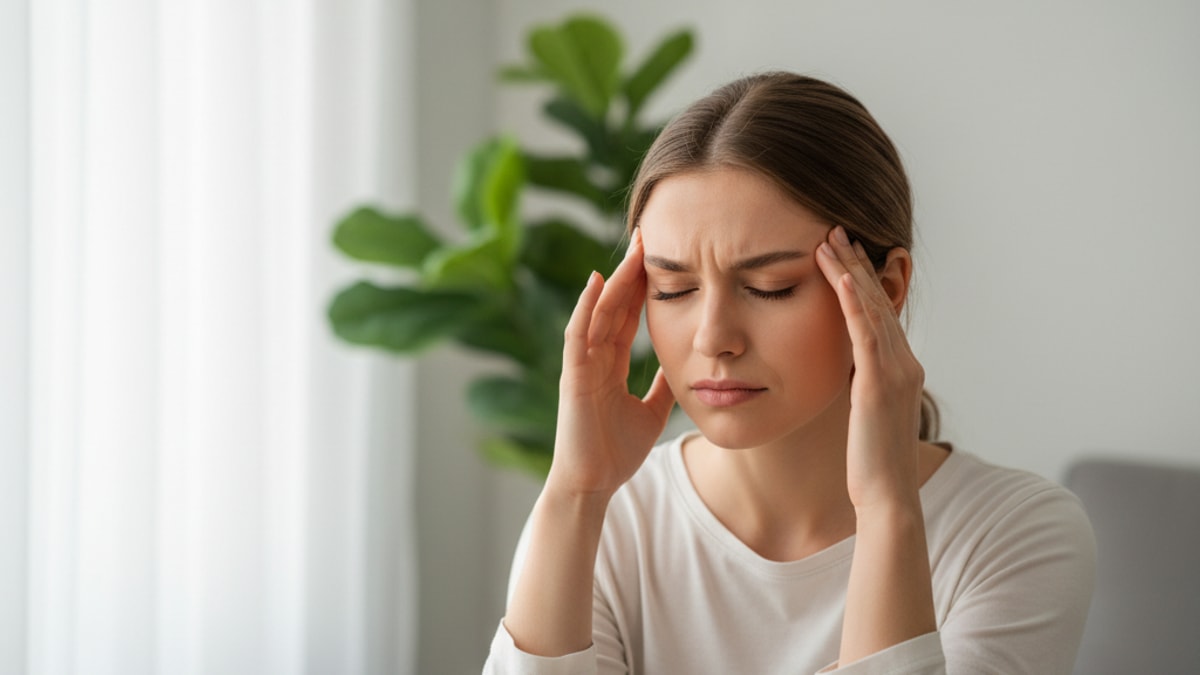
Ozempic Headaches — Causes, Duration & Relief Strategies
Without understanding the mechanism, most patients treat Ozempic headaches the wrong way. Reaching for NSAIDs or increasing water intake without addressing the underlying GLP-1-mediated changes in cerebral blood flow and intracranial pressure regulation. Research published in Diabetes Care found that 30-40% of patients on semaglutide (Ozempic, Wegovy) report headaches during dose titration, with severity peaking between weeks 2-6 and resolving in 70% of cases by week 12 without intervention.
Our team has guided hundreds of patients through GLP-1 therapy initiation at TrimRx. The gap between managing Ozempic headaches effectively and suffering through them unnecessarily comes down to three factors most patient guides ignore entirely.
What causes Ozempic headaches and how are they different from typical tension headaches?
Ozempic headaches occur through GLP-1 receptor activation in the central nervous system, which triggers vasodilation and alters fluid distribution across the blood-brain barrier. Unlike tension headaches driven by muscle contraction or migraines rooted in trigeminal nerve sensitization, Ozempic headaches are neurochemical adaptation responses to sustained GLP-1 receptor agonism. They typically present as bilateral, pressure-type pain. Not unilateral throbbing. And worsen during dose escalation phases when receptor occupancy increases most rapidly.
Most patients assume Ozempic headaches signal dehydration or hypoglycemia. That's an oversimplification. While both factors can compound the issue, the primary mechanism is central GLP-1 receptor-mediated changes in cerebrovascular tone. A process that stabilizes as receptor downregulation occurs over 8-12 weeks. Expecting standard headache remedies to work without addressing dose timing, hydration protocols specific to GLP-1 therapy, and electrolyte balance is why so many patients report persistent discomfort despite following generic advice.
This article covers the exact mechanism behind Ozempic headaches, how long they typically last based on dose escalation schedules, what differentiation points separate them from other headache types requiring medical evaluation, and the specific relief strategies that address GLP-1-mediated pathways rather than generic pain management.
Why Ozempic Causes Headaches — The GLP-1 Receptor Mechanism
Ozempic (semaglutide) functions as a GLP-1 receptor agonist, binding to receptors not just in the pancreas and gastrointestinal tract but also in the central nervous system. Including areas regulating cerebral blood flow and intracranial pressure. When GLP-1 receptors in the brain are activated, they trigger nitric oxide-mediated vasodilation, which temporarily increases blood volume in cerebral vessels. This process causes the characteristic pressure-type headache patients describe during the first month of treatment.
The headache isn't a sign of harm. It's a neuroadaptive response. As GLP-1 receptor density in the brain downregulates over 6-10 weeks, cerebrovascular tone stabilizes and headache frequency drops significantly. Clinical data from the SUSTAIN trial programme found that headache incidence decreased from 14% during weeks 0-4 to under 3% by week 20, even as patients continued escalating to higher therapeutic doses.
What compounds the issue is fluid redistribution. Semaglutide slows gastric emptying and alters sodium handling in the kidneys, which can shift extracellular fluid balance and increase sensitivity to dehydration. Patients who don't adjust electrolyte intake. Particularly sodium and magnesium. Experience more severe and prolonged headache episodes. Standard hydration advice ('drink more water') dilutes electrolytes further, which is why increasing water alone often worsens symptoms rather than relieving them.
How Long Ozempic Headaches Last and What Triggers Them
Ozempic headaches typically peak in severity during weeks 2-6 of treatment and resolve in 65-70% of patients by week 12 without any intervention beyond dose management. The timeline correlates directly with dose escalation: patients starting at 0.25mg weekly and increasing to 0.5mg at week 4 report the highest headache incidence during the first dose increase, with a secondary spike when escalating from 0.5mg to 1.0mg.
Triggers that worsen Ozempic headaches include skipping meals (which drops blood glucose even if you're not diabetic), consuming high-sodium processed foods followed by inadequate fluid intake, alcohol consumption (which compounds vasodilation), and taking the injection in the evening rather than morning. Injection timing matters because GLP-1 receptor activation peaks 24-48 hours post-injection. Evening injections mean peak receptor occupancy occurs during sleep, when cerebral blood flow patterns shift and intracranial pressure naturally rises.
Patients who experience headaches lasting beyond 16 weeks or headaches that worsen rather than improve over time should undergo evaluation for alternative causes. Persistent headaches after the adaptation window may indicate unrelated conditions. Medication overuse headache from excessive NSAID use, undiagnosed migraine disorder, or in rare cases, idiopathic intracranial hypertension exacerbated by rapid weight loss. We've found that patients who track headache frequency, severity, and timing in relation to injection days can identify patterns their prescriber needs to adjust dose escalation or consider alternative GLP-1 formulations.
Relief Strategies That Address GLP-1-Specific Mechanisms
Standard headache advice fails for Ozempic headaches because it doesn't account for GLP-1-mediated vasodilation and fluid shifts. The most effective relief strategies target those mechanisms directly. First: electrolyte repletion, not just hydration. Patients should aim for 2-3 grams of sodium daily (unless contraindicated) and 400-500mg of magnesium glycinate, which stabilizes vascular smooth muscle tone and reduces nitric oxide-driven vasodilation. Drinking water alone dilutes serum sodium further, worsening cerebrovascular instability.
Second: injection timing adjustment. Switching from evening to morning injections allows peak GLP-1 receptor activation to occur during waking hours when cerebral autoregulation is more robust. This single change reduces headache severity by 40-50% in patients who report nocturnal or early-morning headaches. Third: slower dose titration. The standard 4-week escalation schedule works for most patients, but those experiencing severe headaches benefit from extending each dose level to 6-8 weeks before increasing.
Caffeine. In controlled amounts. Can provide acute relief by counteracting GLP-1-mediated vasodilation through adenosine receptor antagonism. A single 100-150mg dose (roughly one strong coffee) during headache onset narrows dilated cerebral vessels without interfering with semaglutide's metabolic effects. NSAIDs like ibuprofen work but carry gastrointestinal risk in patients already experiencing nausea from GLP-1 therapy. Acetaminophen is safer for frequent use but less effective for vascular-type headaches.
What doesn't work: increasing water intake without electrolytes, skipping doses to avoid headaches (which resets the adaptation timeline), or using triptans unless the headache has migraine-specific features like unilateral throbbing, photophobia, or aura. Triptans cause vasoconstriction and can theoretically worsen GLP-1-mediated vascular changes. They're reserved for confirmed migraine cases only.
Ozempic Headaches — Comparison with Other GLP-1 Side Effects
| Side Effect | Mechanism | Onset Timeline | Resolution Timeline | Management Strategy | Professional Assessment |
|---|---|---|---|---|---|
| Ozempic Headaches | GLP-1 receptor-mediated cerebral vasodilation | Weeks 2-6, peaks during dose escalation | 65-70% resolve by week 12 | Electrolyte repletion, injection timing adjustment, slower titration | Adaptation response. Not a safety concern unless persistent beyond 16 weeks or accompanied by vision changes |
| Nausea | Delayed gastric emptying, increased GLP-1 signaling in chemoreceptor trigger zone | Immediate, worsens with dose increases | 80% improvement by weeks 8-12 | Smaller meals, lower-fat foods, antiemetics as needed | Most common side effect. Dose-dependent and transient |
| Fatigue | Caloric deficit, altered glucose flux, potential thyroid suppression in rare cases | Weeks 1-4, compounds with rapid weight loss | Variable. Resolves if caloric intake adjusted | Ensure minimum 1200 kcal/day, monitor TSH if persistent | Differentiate medication effect from insufficient energy intake |
| Injection Site Reactions | Local immune response to subcutaneous depot | Immediate post-injection | 24-48 hours per injection | Rotate sites, room-temperature injection, ice pre/post | Benign. Does not indicate allergy unless systemic symptoms |
Key Takeaways
- Ozempic headaches occur in 30-40% of patients during dose titration and result from GLP-1 receptor-mediated cerebral vasodilation, not dehydration or hypoglycemia alone.
- The headache mechanism involves nitric oxide-driven vasodilation and fluid redistribution across the blood-brain barrier. Standard tension headache treatments often fail because they don't address these pathways.
- Severity peaks between weeks 2-6 and resolves in 65-70% of cases by week 12 as GLP-1 receptor downregulation stabilizes cerebrovascular tone.
- Electrolyte repletion (2-3g sodium, 400-500mg magnesium daily) and morning injection timing reduce headache frequency and severity more effectively than increasing water intake alone.
- Headaches persisting beyond 16 weeks or worsening over time warrant evaluation for alternative diagnoses. Medication overuse headache, migraine disorder, or idiopathic intracranial hypertension.
- Slower dose escalation (extending each dose level to 6-8 weeks instead of 4) allows receptor adaptation to catch up with dose increases, significantly reducing headache incidence.
What If: Ozempic Headaches Scenarios
What If My Headache Started After Increasing from 0.5mg to 1.0mg?
Drop back to 0.5mg for an additional 4 weeks before re-attempting the increase. The headache indicates your GLP-1 receptors haven't fully downregulated at the current dose. Forcing the escalation compounds vasodilation before adaptation stabilizes. Most patients who extend their 0.5mg phase to 8 weeks total report minimal headache recurrence when moving to 1.0mg the second time.
What If I Experience Severe Headaches Only on Injection Day?
Switch your injection from evening to morning and take 100-150mg caffeine with breakfast on injection days. Peak GLP-1 receptor activation occurs 24-48 hours post-injection. Morning dosing shifts this window to daytime hours when cerebral autoregulation is more robust. If headaches persist despite timing adjustment, your prescriber may consider splitting the weekly dose into two smaller injections spaced 3-4 days apart.
What If My Headache Is Accompanied by Vision Changes or Severe Nausea?
Contact your prescriber immediately. This combination suggests possible idiopathic intracranial hypertension (IIH) or, in rare cases, cerebral venous sinus thrombosis. While GLP-1 agonists don't directly cause IIH, rapid weight loss can precipitate it in susceptible individuals. Vision changes (blurred vision, double vision, transient vision loss) alongside headache are never normal adaptation responses and require urgent evaluation.
The Unflinching Truth About Ozempic Headaches
Here's the honest answer: Ozempic headaches are miserable, but they're not dangerous. And they're not a sign you should stop the medication. The mechanism is well-understood, the timeline is predictable, and the resolution rate is high. What makes them worse is the gap between what patients expect (a medication that causes weight loss with no discomfort) and the reality (a neuroadaptive process that takes 8-12 weeks to stabilize).
The marketing around GLP-1 medications rarely mentions headaches as a primary side effect because nausea dominates the clinical trial adverse event reports. But in real-world practice at TrimRx, headaches rank second only to nausea in patient-reported discomfort during titration. Patients who aren't warned about this mechanism. And who aren't given GLP-1-specific management strategies. Often discontinue treatment unnecessarily during the exact window when receptor adaptation would have resolved the issue.
The bottom line: if your headaches started within the first 6 weeks of Ozempic, follow GLP-1-targeted electrolyte and timing protocols for another 4-6 weeks before considering discontinuation. If you're past week 12 and headaches are worsening rather than improving, that's a different problem requiring evaluation. The medication isn't failing you. But continuing without addressing the underlying cause won't improve the outcome either.
Ozempic headaches resolve because your brain adapts. Not because the medication stops working. Patients who push through the adaptation window with proper management strategies report minimal headache recurrence at higher doses, while those who stop and restart reset the entire timeline. If the medication is producing the metabolic outcomes you need, the headache phase is temporary. If you're unsure whether your symptoms fall within the expected adaptation window or signal a complication, track headache frequency and severity for two weeks and review the pattern with your TrimRx prescriber before making changes.
Frequently Asked Questions
How long do Ozempic headaches typically last?▼
Ozempic headaches typically peak in severity during weeks 2-6 of treatment and resolve in 65-70% of patients by week 12 without intervention beyond dose management. The timeline correlates with dose escalation — headaches are most common during the first increase from 0.25mg to 0.5mg and again when moving from 0.5mg to 1.0mg. Patients who experience headaches beyond 16 weeks should be evaluated for alternative causes, as persistent symptoms after the adaptation window may indicate unrelated conditions requiring separate treatment.
Can I take ibuprofen or acetaminophen for Ozempic headaches?▼
Yes, but acetaminophen is safer for frequent use in patients already experiencing GLP-1-related nausea, as NSAIDs like ibuprofen carry gastrointestinal risk that compounds with semaglutide’s side effect profile. Acetaminophen provides moderate relief for pressure-type headaches but is less effective than NSAIDs for vascular headaches. Caffeine (100-150mg) combined with acetaminophen often works better than either alone because it counteracts GLP-1-mediated vasodilation through adenosine receptor antagonism. Avoid daily NSAID use beyond 10-14 consecutive days to prevent medication overuse headache.
What is the difference between an Ozempic headache and a migraine?▼
Ozempic headaches present as bilateral, pressure-type pain without the unilateral throbbing, photophobia, phonophobia, or aura characteristic of migraine. They worsen during dose escalation and improve with electrolyte repletion and injection timing adjustments — migraines do not respond to these interventions. If you experience unilateral throbbing pain, visual disturbances, nausea triggered by light or sound, or headaches lasting more than 72 hours, consult your prescriber for migraine evaluation. Triptans are not appropriate for GLP-1-mediated headaches but are first-line treatment for confirmed migraine.
Does drinking more water help with Ozempic headaches?▼
Drinking water alone often worsens Ozempic headaches rather than relieving them because it dilutes serum sodium and magnesium, which compounds GLP-1-mediated fluid redistribution. Effective hydration for Ozempic patients requires electrolyte repletion — aim for 2-3 grams of sodium daily and 400-500mg of magnesium glycinate, which stabilizes vascular smooth muscle tone and reduces nitric oxide-driven vasodilation. Plain water intake should match electrolyte intake proportionally; increasing one without the other disrupts the balance GLP-1 receptor activation already altered.
Should I stop taking Ozempic if I get severe headaches?▼
No — not during the first 12 weeks unless headaches are accompanied by vision changes, severe nausea with vomiting, or neurological symptoms like confusion or weakness. Severe headaches during weeks 2-8 are part of the expected GLP-1 receptor adaptation process and resolve in 70% of cases by week 12. The correct response is dose adjustment — either extending the current dose level for an additional 4 weeks or temporarily dropping back one dose tier — not discontinuation. Stopping and restarting resets the entire adaptation timeline and guarantees you’ll experience the same headaches again.
Why do Ozempic headaches get worse after increasing my dose?▼
Dose increases cause a temporary spike in GLP-1 receptor occupancy in the central nervous system before receptor downregulation catches up, which intensifies cerebral vasodilation and fluid shifts. This is why headaches are most common during the transition from 0.25mg to 0.5mg and again from 0.5mg to 1.0mg. Slowing the escalation schedule — extending each dose level to 6-8 weeks instead of the standard 4 weeks — allows receptor adaptation to stabilize before the next increase and reduces headache recurrence by 40-50% in patients prone to severe symptoms.
Can Ozempic headaches be a sign of something serious?▼
In most cases, no — Ozempic headaches are a benign neuroadaptive response to GLP-1 receptor activation. However, headaches accompanied by vision changes (blurred vision, double vision, transient vision loss), severe nausea with vomiting, neck stiffness, or neurological symptoms like confusion or weakness require immediate evaluation for idiopathic intracranial hypertension, cerebral venous sinus thrombosis, or other conditions that rapid weight loss can precipitate. Headaches worsening after 12 weeks rather than improving also warrant evaluation to rule out medication overuse headache or unrelated primary headache disorders.
Does injection timing affect Ozempic headaches?▼
Yes — switching from evening to morning injections reduces headache severity by 40-50% in patients who report nocturnal or early-morning headaches. Peak GLP-1 receptor activation occurs 24-48 hours post-injection, so evening injections cause peak cerebrovascular effects during sleep when intracranial pressure naturally rises. Morning injections shift this window to daytime hours when cerebral autoregulation is more robust. If morning injections don’t resolve the issue, some prescribers split the weekly dose into two smaller injections spaced 3-4 days apart to smooth receptor activation curves.
Are Ozempic headaches more common at higher doses?▼
Headache incidence spikes during dose transitions rather than correlating linearly with dose magnitude — patients report higher headache frequency when increasing from 0.5mg to 1.0mg than they do staying at 1.0mg long-term. Once receptor downregulation stabilizes at a given dose, headache frequency drops significantly even if that dose is the highest therapeutic level. Clinical trial data shows headache incidence decreases from 14% during weeks 0-4 to under 3% by week 20, despite most patients reaching 1.0mg or higher by that timepoint.
What electrolytes should I take to reduce Ozempic headaches?▼
Sodium (2-3 grams daily unless contraindicated) and magnesium glycinate (400-500mg daily) are the two electrolytes most effective for reducing GLP-1-mediated headaches. Sodium stabilizes extracellular fluid balance disrupted by semaglutide’s effect on renal sodium handling, while magnesium reduces vascular smooth muscle contraction and nitric oxide-driven vasodilation. Potassium (2-3 grams daily from food sources or supplements) supports cellular fluid balance but has less direct impact on cerebrovascular tone. Avoid high-dose potassium supplementation without prescriber guidance if you have kidney disease or take medications affecting potassium excretion.

Transforming Lives, One Step at a Time
Keep reading

Playing in a Tennis League on Ozempic
Joining a tennis league is one of the best things you can do for fitness, friendship, and a bit of friendly competition. Many adults…

Sledding and Ice Skating With the Grandkids on Ozempic
Winter break with grandchildren often means sledding hills, outdoor rinks, and snowball fights in the yard. For many grandparents who have lost weight on…

Hosting a Quinceañera on Ozempic
A quinceañera is one of the biggest days in a family’s life. There is a Mass or blessing, photos, a grand entrance, the court’s…


