Ozempic Pen Storage: A Guide to Refrigeration and Beyond
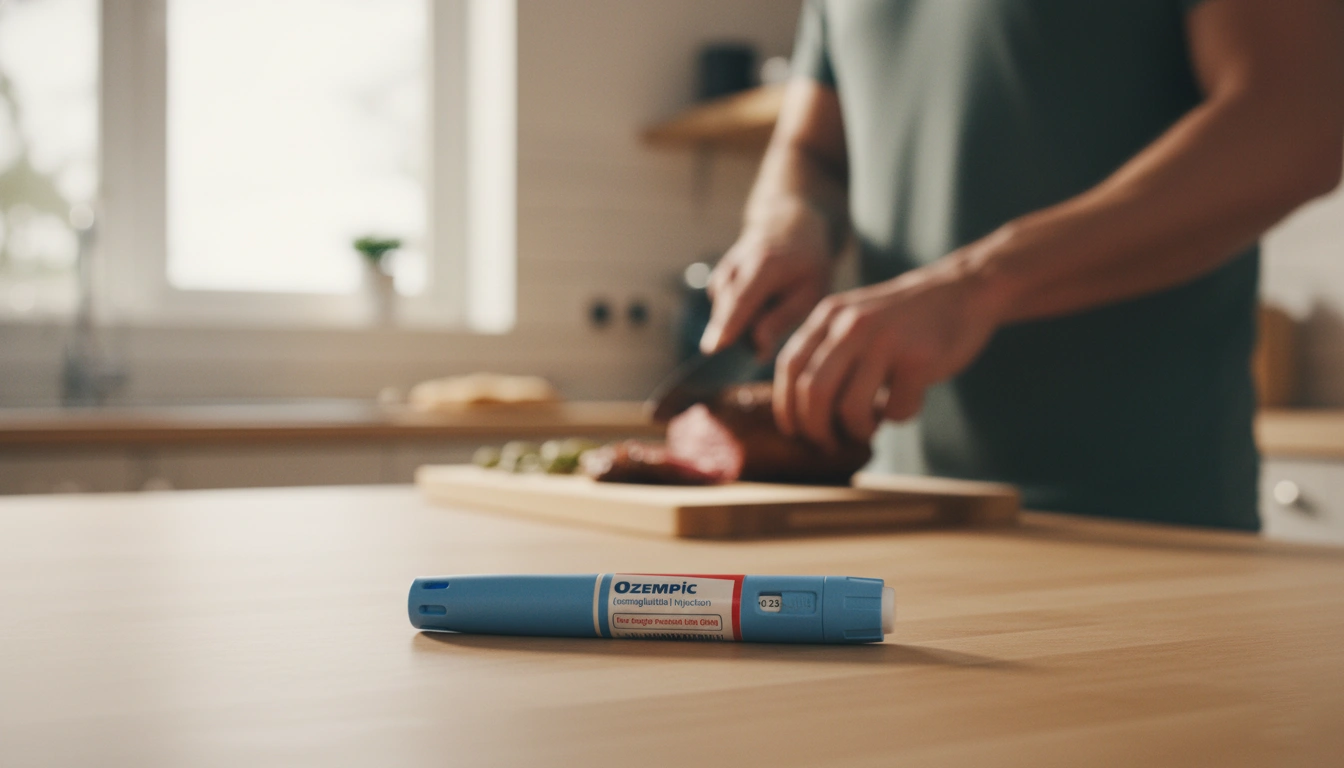
Stepping onto the path of improved health often involves managing new medications, and for many, understanding the precise care required for an injectable like Ozempic can feel like navigating a complex maze. The details of proper storage might seem minor, but they are absolutely essential to ensure your medication remains effective and safe. At TrimRx, we understand these concerns and our journey began with a shared vision to help individuals embrace healthier lifestyles by merging cutting-edge telehealth innovations with effective weight loss solutions. Our platform is a user-friendly and supportive space where individuals receive personalized, medically supervised care—all designed to make sustainable weight loss attainable and tailored to the individual. We believe that sustainable weight loss should be achieved through science, empathy, and a transparent approach, which includes providing clear, trustworthy information about your treatment.
This comprehensive guide will illuminate the nuances of Ozempic storage, directly addressing the crucial question: should Ozempic pen be refrigerated? We’ll delve into the scientific reasons behind specific temperature requirements, explore various scenarios you might encounter, and offer practical tips to safeguard your medication. By the end of this article, you will have a clear understanding of how to store your Ozempic pen correctly, what to do if storage guidelines are accidentally overlooked, and how these practices integrate into a broader strategy for effective health management. We aim to equip you with the knowledge needed to confidently manage your medication, ensuring every dose contributes effectively to your health goals, just as our personalized programs are designed to support every step of your journey.
Understanding Ozempic: More Than Just a Medication
Ozempic (semaglutide) is an FDA-approved prescription medication primarily used alongside diet and exercise to improve blood sugar control in adults with type 2 diabetes. Beyond its role in glycemic management, it is also approved to reduce the risk of major cardiovascular events like heart attack, stroke, or death in adults with type 2 diabetes and established heart disease. Additionally, it helps protect the kidneys by reducing the risk of worsening kidney disease and cardiovascular death in patients with type 2 diabetes and chronic kidney disease. While not FDA-approved for weight loss, its active ingredient, semaglutide, has shown efficacy in weight management, leading to its off-label use for this purpose by healthcare professionals. It is important to note that Ozempic is not a substitute for insulin, nor is it intended for individuals with type 1 diabetes or diabetic ketoacidosis.
At TrimRx, our medically supervised approach ensures that our programs consider all aspects of your health. When it comes to medications like Ozempic, we prioritize understanding its full spectrum of benefits and proper usage. Our commitment to compassionate care means we respect every individual’s unique journey, combining advanced medical science with modern technology to deliver effective solutions. If you are exploring options for managing your health and weight, we encourage you to [take our free assessment quiz] (https://intake.trimrx.com/?utm_source=flyrank&utm_medium=referral&utm_campaign=blog&utm_source_platform=flyrank) to see if you qualify for a personalized treatment plan that may include prescription weight loss medications like Ozempic.
The Science Behind Medication Stability
The effectiveness of any medication, including Ozempic, hinges on the stability of its active ingredients. Semaglutide, the active compound in Ozempic, is a delicate modified protein molecule. Like many proteins, its structure is sensitive to environmental conditions, particularly temperature. This molecular fragility dictates specific storage requirements to prevent degradation.
When semaglutide is exposed to temperatures outside its recommended range, its complex three-dimensional structure can change. This process, known as denaturation, can alter the molecule’s shape, making it unable to bind effectively to its target receptors in the body. If the active ingredient degrades, the medication loses its potency, meaning it may not work as intended to control blood sugar or support weight management efforts. This is why maintaining precise storage conditions is not merely a suggestion but a critical directive to ensure that each dose delivers its full therapeutic effect. Our brand values innovation and trust, and this extends to ensuring you have all the scientific context for your care.
The Refrigeration Mandate: Before First Use
The most critical storage instruction for your Ozempic pen revolves around its condition before its first use. Unopened, brand-new Ozempic pens must be kept in the refrigerator.
Specific Temperature Requirements for Unopened Pens
For optimal stability and to preserve its full potency until the expiration date, an unopened Ozempic pen should be stored in a refrigerator at a temperature between 36°F to 46°F (2°C to 8°C). This precise temperature range is crucial because it significantly slows down any potential degradation of the semaglutide molecule. Storing the pen below this range, especially near the freezer compartment or directly on ice, risks freezing the medication, which can irreversibly damage its delicate protein structure. Conversely, storing it above this range for prolonged periods can accelerate its breakdown, making it less effective.
It’s also advisable to keep unused pens in their original carton. This provides an additional layer of protection from light exposure, which can also contribute to degradation. When you receive your medication from our partner FDA-registered and inspected pharmacies, it will be packaged to maintain these critical temperature controls during transit, ensuring its integrity upon arrival.
Why Refrigeration is Non-Negotiable for Unused Pens
Think of unopened Ozempic as a finely crafted instrument that needs careful preservation. Before it’s used, its long-term stability is maintained by cold temperatures. If an unopened Ozempic pen is left unrefrigerated for an extended period, particularly above 86°F (30°C), its active ingredient, semaglutide, can begin to degrade. This means that by the time you inject it, the medication may not deliver the full dose of active semaglutide, potentially leading to suboptimal results in managing blood sugar or supporting your personalized weight loss goals.
Should you ever receive an unopened Ozempic pen that appears discolored, cloudy, or contains visible particles, it’s a sign that its integrity might be compromised. Similarly, if there’s any doubt about its proper storage prior to first use, particularly if it’s been exposed to high heat or freezing temperatures, it is safer to discard it and acquire a new pen. Your health and safety are paramount, and ensuring the medication’s effectiveness is a core part of our commitment to transparent service and patient care.
Post-Initiation Storage: Flexibility and Limits
Once you initiate an Ozempic pen by taking your first dose, the storage guidelines become more flexible, offering two viable options for the remainder of its active period.
Room Temperature or Continued Refrigeration
After the first injection, you can choose to store your Ozempic pen in one of two ways for up to 56 days (8 weeks):
- At room temperature: This means keeping it between 59ºF to 86ºF (15ºC to 30ºC). Many individuals prefer this option as injecting medication at room temperature can be more comfortable than injecting it cold directly from the refrigerator.
- In the refrigerator: You can continue to store it in the refrigerator within the previously mentioned range of 36°F to 46°F (2°C to 8°C).
Regardless of your choice, the 56-day clock starts ticking from the moment of your first injection. After this 56-day period, the pen, even if it still contains medication, must be discarded. This 56-day limit ensures that the medication remains potent and safe for use, as its stability cannot be guaranteed beyond this timeframe once exposed to air and multiple uses.
Best Practices for In-Use Pens
To maximize the efficacy and safety of your in-use Ozempic pen, consider these practical tips:
- Date your pen: Immediately after your first injection, write the date of opening on the pen itself. This simple step helps you accurately track the 56-day usage window.
- Keep the cap on: Always replace the pen cap after each use. This protects the medication from light exposure and potential contamination.
- Remove needles: After each injection, safely remove and dispose of the needle according to local guidelines. Never store the pen with a needle attached, as this can lead to air entering the pen, contamination, or accidental needle sticks. Our comprehensive service ensures you receive all necessary guidance, including proper needle disposal.
- Consistent location: Storing your pen in a consistent, easily accessible spot can prevent it from being misplaced or exposed to unsuitable conditions.
The Danger of Freezing
While refrigeration is crucial for unused pens, freezing is always detrimental. If an Ozempic pen, whether opened or unopened, accidentally freezes, its protein structure is permanently damaged. This damage cannot be reversed by thawing, and the medication will no longer be effective. Never use an Ozempic pen that has been frozen, even if it appears to have thawed correctly. It’s imperative to discard it immediately and start with a new, properly stored pen. This is a non-negotiable safety measure that we emphasize in all our medically supervised programs.
Navigating Accidental Storage Mishaps
Even with the best intentions, accidental deviations from storage guidelines can occur. Understanding what to do in these situations is key to maintaining your treatment efficacy.
When an Unopened Pen is Left Unrefrigerated
Imagine you’ve just picked up your new Ozempic pen, but it slips your mind to put it in the fridge immediately. What then?
- Short-term exposure (e.g., less than 24 hours below 86°F/30°C): In most cases, if an unopened Ozempic pen is left at room temperature for a short duration and the temperature has not exceeded 86°F (30°C), it is likely still safe to use. Place it back in the refrigerator promptly and make a note of the date. However, this pen should then be prioritized for use within the standard 56-day window, starting from the day it was initially removed from proper refrigeration, as a precautionary measure.
- Long-term or high-temperature exposure (e.g., more than 24 hours or above 86°F/30°C): If an unopened pen has been left unrefrigerated for a longer period, or exposed to temperatures above 86°F (30°C)—such as in a hot car during summer—its effectiveness may be significantly compromised. In these scenarios, it is generally recommended to err on the side of caution and discard the pen. Consult with your healthcare provider or pharmacist, or reach out to us at TrimRx for guidance; our supportive team is always ready to help address concerns about your medication.
The goal is always to ensure you are receiving the full, active dose of your medication. When in doubt, replacing the pen is the safest course of action. Our commitment to your results means we want to ensure every aspect of your treatment is optimal.
What if an In-Use Pen Exceeds Room Temperature Limits?
If your already opened Ozempic pen is exposed to temperatures exceeding 86°F (30°C)—for example, if it’s left in direct sunlight or in a hot environment—the same principle of potential degradation applies. While an opened pen can be stored at room temperature for 56 days, this limit assumes the room temperature remains within the specified range of 59ºF to 86ºF (15ºC to 30ºC). If it gets too hot, the semaglutide can degrade.
In such instances, especially if the liquid appears cloudy, discolored, or contains particles, the pen should be discarded. Trust is a cornerstone of our brand, and we encourage you to inspect your medication before each injection to ensure it maintains its clear, colorless appearance. If you have any concerns about its integrity, please contact your healthcare provider. Our comprehensive service includes unlimited support, ensuring you never feel alone in managing your treatment.
Traveling with Ozempic: Keeping Your Medication Safe on the Go
Traveling, whether for business or pleasure, introduces unique challenges for medication storage. With some thoughtful planning, you can ensure your Ozempic remains effective throughout your journey.
Short Trips (Under 56 Days)
For trips lasting less than 56 days, managing your Ozempic is quite straightforward. If you’re using an already opened pen, you can continue to store it at room temperature (up to 86°F or 30°C) without special refrigeration. Simply ensure it’s kept away from direct sunlight, excessive heat, and any conditions that could cause it to freeze. A carry-on bag is often ideal for ensuring stable temperatures, protecting it from the extreme conditions that can sometimes occur in checked luggage.
Longer Trips and Unused Pens
If your travel plans extend beyond 56 days, or if you need to transport unopened Ozempic pens, you will need to maintain refrigeration. This typically involves using an insulated travel case or cooler with ice packs.
Key considerations for travel:
- Avoid direct contact with ice: While ice packs keep the medication cool, direct contact can lead to freezing. Use a cloth or barrier between the pen and the ice pack.
- Carry-on luggage: Always pack Ozempic in your carry-on bag when flying. Cargo holds can experience extreme temperature fluctuations that could damage your medication.
- Car travel: Avoid leaving Ozempic in a parked car, especially during hot or cold weather. The internal temperature of a vehicle can quickly soar or plummet, making it unsuitable for medication storage. Keep it in the passenger compartment, away from direct sunlight, and consider using an insulated bag.
- Documentation: For air travel, especially internationally, it’s advisable to carry a letter from your doctor explaining your need for injectable medication. While not always required, it can smooth the process through security checkpoints. The Transportation Security Administration (TSA) allows unused syringes when accompanied by injectable medication. We advocate for proactive planning, and our supportive approach means we want you to feel prepared for every situation.
Upon reaching your destination, transfer any unopened pens back into a refrigerator as soon as possible.
Beyond Ozempic: TrimRx’s Holistic Approach to Weight Management
While understanding the specifics of Ozempic storage is vital, it’s just one piece of the larger puzzle in achieving sustainable health. At TrimRx, we recognize that true transformation comes from a comprehensive, personalized approach that extends beyond medication management. Our platform is designed to support you holistically, combining advanced medical science with modern technology to offer solutions tailored to your unique needs.
Our range of prescription weight loss medications, including Compounded Semaglutide, Oral Semaglutide, Ozempic®, Compounded Tirzepatide, Oral Tirzepatide, Mounjaro®, Zepbound®, and Wegovy®, are provided through FDA-registered and inspected pharmacies. Each program begins with a personalized assessment to determine your eligibility and create a treatment plan that aligns with your health goals. Our commitment to transparent service means we offer comprehensive care that includes doctor consultations, medication, lab work, unlimited support, and shipping with no hidden fees. We are dedicated to safe, effective weight loss and individualized care. If you’re ready to explore how a personalized plan can transform your health journey, we invite you to [take our free assessment quiz] (https://intake.trimrx.com/?utm_source=flyrank&utm_medium=referral&utm_campaign=blog&utm_source_platform=flyrank) today.
Supporting Your Journey with Quick-Access Supplements
In addition to our personalized prescription programs, we offer quick-access supplements designed to support your overall wellness during your weight loss journey. These supplements do not require a quiz and are available for immediate purchase, providing complementary support to your lifestyle changes.
- [GLP-1 Daily Support] (https://trimrx.com/glp1-support/?utm_source=flyrank&utm_medium=referral&utm_campaign=blog&utm_source_platform=flyrank): This supplement is crafted to support the body’s natural processes that complement GLP-1 receptor agonist medications, aiding in metabolic health and overall well-being.
- [Weight Loss Boost] (https://trimrx.com/lp-wlboost/?utm_source=flyrank&utm_medium=referral&utm_campaign=blog&utm_source_platform=flyrank): Designed to provide additional support for your weight loss efforts, this supplement helps invigorate your system and enhance your body’s natural ability to manage weight.
These quick-access options reflect our empathetic and supportive brand personality, ensuring you have resources readily available to aid your journey. We believe in providing solutions that align with your individual needs, fostering an environment where you feel empowered and supported every step of the way.
Conclusion
The question of should Ozempic pen be refrigerated is a fundamental aspect of ensuring your medication’s effectiveness and your overall health. By understanding and adhering to the specific storage guidelines—refrigeration for unopened pens, and flexibility for opened pens within a 56-day window—you empower yourself to receive the full therapeutic benefits of each dose. Preventing exposure to extreme temperatures, whether too hot or freezing, is paramount to maintaining the delicate molecular structure of semaglutide.
At TrimRx, our entire platform is built on the principles of empathy, innovation, and trustworthiness, providing medically supervised weight loss solutions designed for your unique journey. We aim to be your steadfast partner, offering not just access to clinically proven medications through FDA-registered and inspected pharmacies, but also the comprehensive support, transparent service, and personalized care that truly make a difference. From initial doctor consultations and lab work to ongoing unlimited support, we ensure your path to sustainable health is well-guided.
Remember, every detail, from proper storage to consistent adherence, contributes to the success of your health goals. If you have questions about your medication or are seeking a personalized approach to weight loss, our supportive team is here to help. Explore our programs and resources, and take the next step towards a healthier, more vibrant you. Whether you’re considering a prescription medication through our personalized assessment, which you can access by taking our [free assessment quiz] (https://intake.trimrx.com/?utm_source=flyrank&utm_medium=referral&utm_campaign=blog&utm_source_platform=flyrank), or seeking immediate support with supplements like our [GLP-1 Daily Support] (https://trimrx.com/glp1-support/?utm_source=flyrank&utm_medium=referral&utm_campaign=blog&utm_source_platform=flyrank) or [Weight Loss Boost] (https://trimrx.com/lp-wlboost/?utm_source=flyrank&utm_medium=referral&utm_campaign=blog&utm_source_platform=flyrank), TrimRx is committed to providing safe, effective, and individualized care.
Frequently Asked Questions
How long can an unopened Ozempic pen be left unrefrigerated before it becomes ineffective?
An unopened Ozempic pen should ideally remain refrigerated until its first use. While brief exposure to room temperature (less than 24 hours and below 86°F/30°C) may not immediately compromise its effectiveness, prolonged periods outside refrigeration or exposure to higher temperatures can degrade the semaglutide molecule. If you suspect an unopened pen has been at unsuitable temperatures for an extended time, it is safest to discard it and use a new pen, or consult your healthcare provider for specific guidance.
Can I put an Ozempic pen back in the refrigerator after it has been opened and stored at room temperature?
Yes, you absolutely can. After your Ozempic pen has been opened and used for the first time, you have the flexibility to store it either at room temperature (up to 86°F or 30°C) or in the refrigerator (36°F to 46°F or 2°C to 8°C) for up to 56 days. You can switch between these two storage environments as needed, as long as the total time since the first use does not exceed 56 days and the pen has never been frozen or exposed to temperatures above the recommended limits.
What should I do if my Ozempic pen accidentally freezes?
If your Ozempic pen, whether opened or unopened, accidentally freezes, it must be discarded immediately. Freezing permanently damages the delicate protein structure of the semaglutide, rendering the medication ineffective and potentially unsafe. Thawing will not restore its potency. It is crucial to never use a pen that has been frozen. Always ensure your refrigerator settings prevent accidental freezing, particularly by avoiding direct contact with cooling elements.
Does injecting Ozempic cold cause more discomfort?
Some individuals report that injecting cold medication can cause a slightly stinging sensation or mild discomfort compared to injecting it at room temperature. If you find this to be the case, you can take your Ozempic pen out of the refrigerator approximately 15-30 minutes before your scheduled injection. This allows the medication to naturally warm up to room temperature, which may make the injection experience more comfortable without compromising its effectiveness, provided it remains within the acceptable temperature range (below 86°F or 30°C) for a short period before injection.

Transforming Lives, One Step at a Time
Keep reading

Does Ozempic Affect Sleep: What Patients Experience
Sleep changes on Ozempic catch a lot of patients off guard. You might expect nausea or reduced appetite, but disrupted rest isn’t something most…

Ozempic While Sick: Managing Colds, Flu, and Illness
Getting sick while on Ozempic raises questions that don’t always have obvious answers. Should you take your dose as usual? What happens if you…

Ozempic and Gas: Why It Happens and How to Manage It
Gas is one of those Ozempic side effects that people don’t always bring up with their doctor but absolutely notice. Excess flatulence, bloating, and…


