Ozempic Results After One Year: What Long-Term Use Looks Like
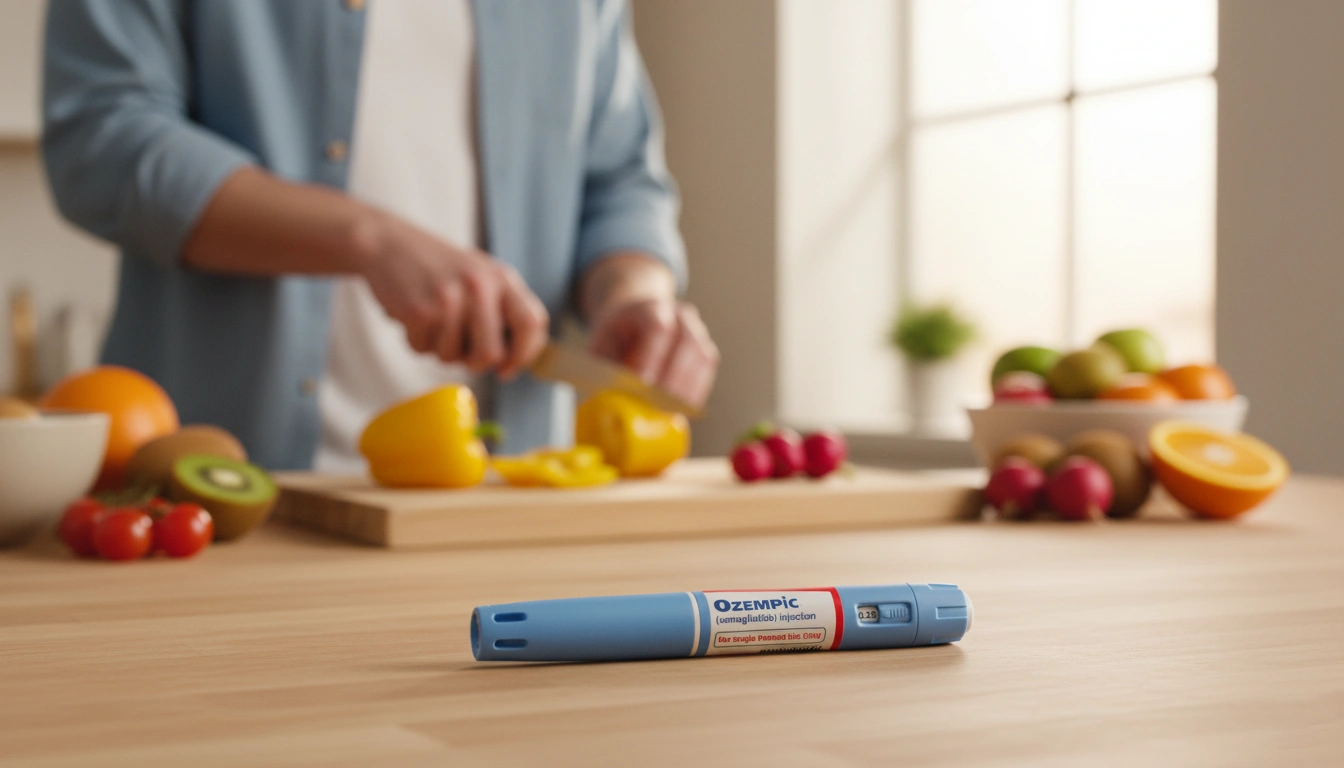
A full year on Ozempic puts you in a category that most weight loss approaches never reach: sustained, medically supported treatment that has had time to produce real, measurable change. At the one-year mark, clinical data shows average weight loss of 10 to 15 percent of starting body weight for patients on standard Ozempic doses, with some patients achieving significantly more. But year one is also when the nature of treatment shifts, from active weight loss toward maintenance, and understanding what that transition looks like is just as important as knowing the numbers.
What One Year of Ozempic Actually Involves
Reaching the one-year mark means you’ve navigated the starting dose, worked through at least one or two dose escalations, managed early side effects, and maintained consistency with weekly injections through the inevitable plateaus and slower periods. That’s not a small thing. Dropout rates in long-term GLP-1 trials are significant, which means patients who stay the course through twelve months are already in a group that tends to show stronger outcomes.
By month twelve, most patients are at a stable maintenance dose, typically 1mg for standard Ozempic prescribing, and weight loss has usually transitioned from active decline to a more gradual pace or a maintenance phase. The rapid losses of months two through six have generally leveled off, which is physiologically normal and doesn’t indicate the medication has stopped working.
What the Numbers Look Like at Twelve Months
Clinical trial data provides the clearest benchmark. In the STEP 2 trial examining semaglutide 2.4mg in patients with type 2 diabetes, participants lost an average of 9.6 percent of body weight over 68 weeks. At standard Ozempic doses (0.5mg to 1mg), twelve-month results in real-world settings typically fall in the 10 to 14 percent range for consistent patients, with meaningful variation based on dose, lifestyle factors, and individual metabolic response.
To put that in concrete terms: a patient starting at 250 pounds who loses 12 percent of their body weight over one year has lost 30 pounds. That’s a clinically significant outcome associated with measurable reductions in cardiovascular risk, improved insulin sensitivity, lower blood pressure, and better metabolic markers across the board.
For a month-by-month picture of how results accumulate over time, the Ozempic weight loss before and after month by month breakdown gives useful context for understanding the arc of progress through the full first year.
Why Results Vary So Much Between Patients
One-year outcomes on Ozempic span a wide range, and understanding why helps calibrate expectations without discouragement.
Dose matters more than almost anything else. Patients who have reached and maintained 1mg show substantially better outcomes than those who stayed at 0.5mg throughout. If appetite suppression has felt incomplete at any point, dose optimization is the highest-leverage adjustment available.
Dietary composition shapes the rate of loss. Ozempic reduces overall intake, but patients who prioritize protein and limit ultra-processed foods consistently show better body composition outcomes at one year, losing more fat relative to muscle than those who simply eat less of whatever they were eating before.
Metabolic starting point affects the trajectory. Significant insulin resistance, untreated thyroid issues, or other metabolic conditions can slow the rate of weight loss without eliminating it. Addressing these underlying factors alongside medication produces better outcomes.
Activity level compounds results over time. The effect of exercise on one-year Ozempic outcomes is cumulative. Patients who incorporated even moderate regular activity in months one through six show meaningfully better results at twelve months than sedentary patients at the same dose.
The Plateau Reality at Year One
Most patients experience at least one significant plateau during the first year, typically somewhere between months four and eight. By month twelve, many have worked through one or two of these plateaus, either by increasing their dose, adjusting dietary habits, or simply staying consistent through the slower period.
If you hit a plateau earlier and haven’t fully broken through it, year one is a good time to reassess with your provider. The why am I gaining weight on Ozempic article addresses the specific situation where the scale moves in the wrong direction, which can happen during plateaus and is worth understanding separately from simple stalls.
What the Research Says About Year-One Outcomes
A landmark study published in the New England Journal of Medicine by Wilding et al. (2021) found that participants on semaglutide 2.4mg lost an average of 14.9 percent of body weight at 68 weeks. Critically, the research also showed that weight loss at six months strongly predicted one-year outcomes, and that patients who maintained consistent treatment through the full period showed significantly better results than those who interrupted or discontinued treatment.
This reinforces a practical point: the patients who do best at one year are those who stayed consistent through the months when progress felt slow, not just the months when results were coming easily.
Beyond Weight: What Else Changes at One Year
The scale is one metric. The full picture at twelve months often includes changes that matter as much or more for long-term health.
Blood pressure improvements are frequently significant by month twelve, particularly in patients who entered treatment with hypertension. Fasting glucose and HbA1c tend to show meaningful reductions. Triglycerides often drop substantially. Sleep quality frequently improves as a downstream effect of weight loss, particularly in patients with sleep apnea.
Many patients also report shifts in their relationship with food that feel durable by the one-year mark, a reduced preoccupation with eating, more consistent hunger and fullness cues, and less vulnerability to emotional eating patterns. These behavioral changes, reinforced over twelve months of treatment, are part of what makes long-term results more sustainable.
Planning Beyond Year One
Year one raises the question of what comes next. For most patients, the answer involves continuing treatment at a maintenance dose, since stopping Ozempic typically leads to gradual weight regain as appetite and metabolic rate return toward baseline. The what happens when you stop taking Ozempic article covers that transition honestly, including what the research shows about the rate and extent of regain.
For patients considering whether to continue, switch medications, or begin transitioning toward a maintenance strategy, the how long can you take Ozempic for weight loss guide addresses the long-term use question with the most current evidence available.
Year one is an achievement worth recognizing. It’s also the foundation for whatever comes next, whether that’s continued weight loss, maintenance, or a transition to a different treatment approach.
If you’re just beginning and want to find out whether Ozempic or compounded semaglutide is right for your goals, take the intake assessment and connect with a TrimRx provider who can guide your treatment from day one through year one and beyond.
This information is for educational purposes and is not medical advice. Consult with a healthcare provider before starting any medication. Individual results may vary.

Transforming Lives, One Step at a Time
Keep reading

Ozempic Results at 6 Months: Progress and What Comes Next
Six months on Ozempic is a significant milestone. By this point, most patients have reached a therapeutic dose, worked through the early adjustment period,…

Ozempic Results at 3 Months: What to Realistically Expect
Three months into Ozempic, most people are starting to see results that feel genuinely meaningful. By this point you’ve moved through the starting dose,…

How Fast Does Ozempic Work: What to Expect Week by Week
Ozempic starts acting in your system within hours of your first injection, but the effects you actually feel build gradually over weeks. Most people…


