Ozempic Results at 3 Months: What to Realistically Expect
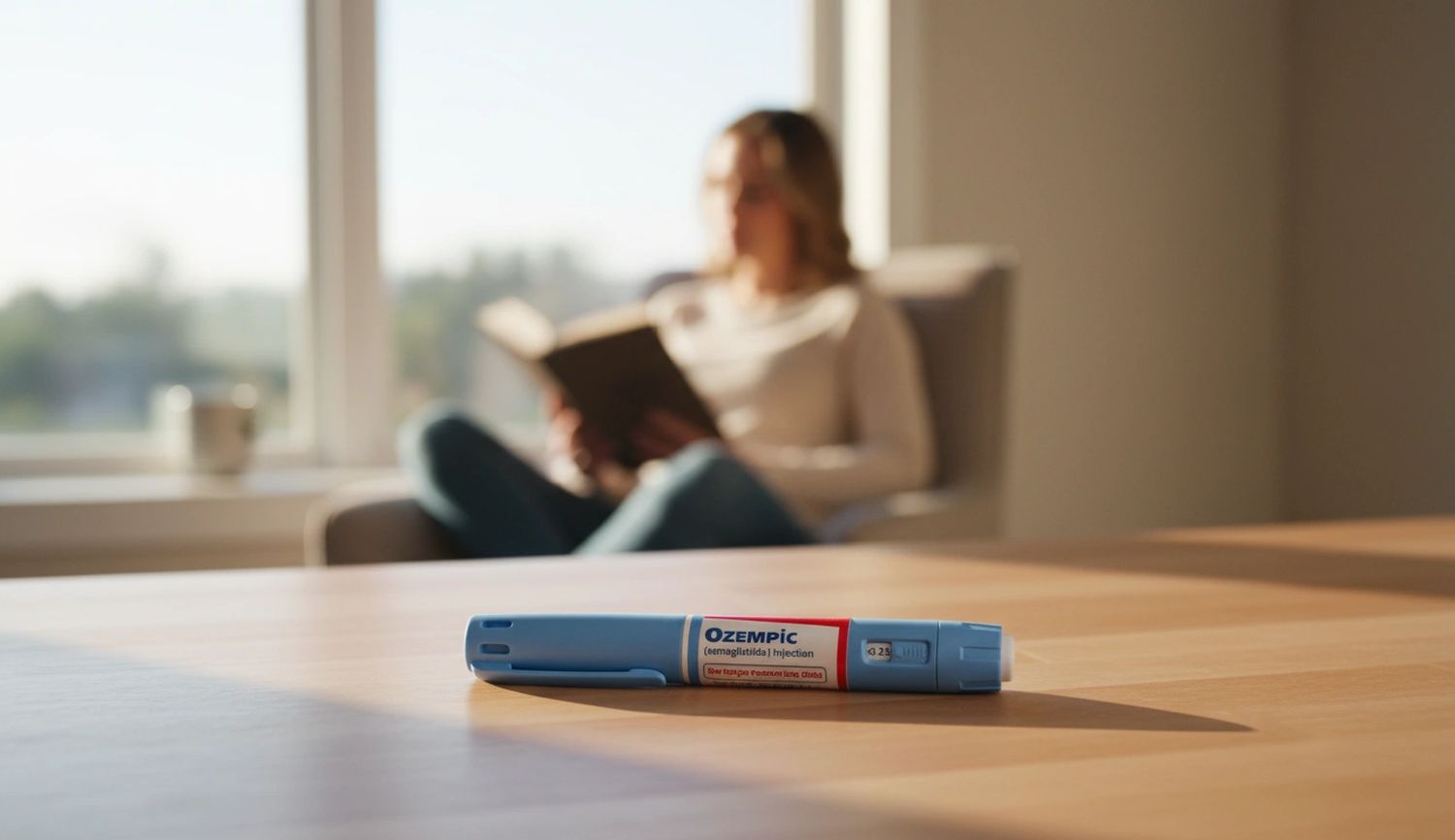
Three months into Ozempic, most people are starting to see results that feel genuinely meaningful. By this point you’ve moved through the starting dose, stepped up at least once, and your body has had time to settle into the medication’s rhythm. Average weight loss at the three-month mark falls somewhere between 5 and 10 percent of starting body weight for most patients, though the range is wide and individual factors matter enormously. Here’s what’s realistic, what affects your results, and how to read where you are at this stage.
Where You Are in the Dose Schedule at Month Three
Understanding your results at three months requires knowing where you are in the escalation protocol. The standard Ozempic schedule looks like this: 0.25mg for the first four weeks, then 0.5mg from week five onward. Some providers move patients to 1mg at around the two to three month mark if appetite suppression at 0.5mg is insufficient or if weight loss has plateaued.
If you’re still at 0.5mg at month three, your results may differ from someone who has already moved to 1mg. Dose level is one of the strongest predictors of how much weight you’ve lost by any given point in treatment. This is worth keeping in mind when comparing your progress to someone else’s three-month photos or numbers.
What the Average Three-Month Result Looks Like
Clinical data gives us a reasonable benchmark. In the STEP trials examining semaglutide for weight management, participants lost approximately 6 percent of body weight by week 12 at doses moving toward 2.4mg. At the lower doses used in standard Ozempic prescribing (0.5mg to 1mg), three-month results tend to be somewhat more modest, typically in the 4 to 8 percent range for patients who are consistent with the medication and making reasonable dietary adjustments.
In practical terms, for someone starting at 220 pounds, that translates to roughly 9 to 18 pounds lost by the three-month mark. For someone starting at 180 pounds, that’s closer to 7 to 14 pounds. These are averages, not guarantees, and plenty of patients fall outside this range in both directions.
For real-world context on what results look like visually and numerically, the Ozempic before and after photos collection offers a grounding reference point.
What’s Driving Your Results at This Stage
Several factors shape how much weight you’ve lost by month three, and most of them are within your influence.
Dose level. As noted above, patients at 1mg by month three tend to show stronger appetite suppression and greater weight loss than those still at 0.5mg. If your appetite suppression feels incomplete, it’s worth discussing a dose adjustment with your provider.
Protein intake. Semaglutide reduces overall caloric intake, but the composition of what you’re eating matters. Patients who maintain higher protein intake tend to lose more fat relative to muscle during this period, which affects both how results look and how sustainable they are.
Consistency with injections. Missing doses or irregular injection timing disrupts the steady-state blood levels that make Ozempic most effective. Weekly injections on the same day produce the most stable and predictable results.
Starting metabolic health. Patients with significant insulin resistance, untreated hypothyroidism, or other metabolic conditions may see slower initial results. These factors don’t make the medication ineffective, but they can shift the timeline.
Activity level. Exercise isn’t required for Ozempic to work, but it meaningfully affects the rate of weight loss and the ratio of fat to muscle lost. Even moderate walking has a measurable impact on outcomes at three months.
What the Research Confirms
A study published in Diabetes, Obesity and Metabolism by Davies et al. (2021) examining once-weekly semaglutide found that weight loss at 12 weeks was a strong predictor of total weight loss at one year, confirming that three-month results offer a meaningful signal about long-term trajectory. Patients who lost more than 5 percent of body weight by week 12 were significantly more likely to achieve substantial long-term results.
If Your Three-Month Results Feel Disappointing
It’s worth separating two different situations here. The first is slower-than-average progress that’s still moving in the right direction. Losing three to five pounds at three months isn’t failure, it may reflect a lower starting dose, a more conservative approach to dietary changes, or individual metabolic variation. The direction matters more than the speed at this stage.
The second situation is a genuine plateau or absence of progress despite being at a therapeutic dose. If you’re at 0.5mg or 1mg and haven’t lost meaningful weight or experienced appetite suppression after three months, that’s a signal worth acting on. The Ozempic not working anymore guide covers the most common causes and what options are available, including dose increases and considering whether tirzepatide might be a better fit.
Body Changes Beyond the Scale
Three months is also when patients often notice changes that don’t show up as numbers. Clothes fitting differently, particularly around the midsection, is one of the most commonly reported early body composition shifts. Blood pressure improvements, better energy levels, and improved fasting blood sugar are also frequently noted at this stage, even in patients whose scale weight hasn’t moved as much as they hoped.
These non-scale victories are clinically meaningful. They reflect real metabolic improvements happening regardless of how dramatically the number on the scale has changed.
What Comes Next After Month Three
Month three is roughly the midpoint of the initial treatment phase for most Ozempic patients. The period between months three and six often brings the most consistent and significant weight loss, particularly for patients who are moving toward or already at 1mg.
If you haven’t yet, this is a good time to review your progress with your provider and discuss whether a dose increase makes sense. The Ozempic weight loss before and after month by month breakdown gives a useful roadmap for what the next phase typically looks like.
Staying on track through month three is itself an achievement. The patients who see the most dramatic long-term results are those who use the early months to establish sustainable habits around eating and activity, not just those who lose the most weight the fastest.
If you’re just getting started and want to find out whether Ozempic or compounded semaglutide is right for you, take the intake assessment to connect with a TrimRx provider who can build a plan around your specific goals.
This information is for educational purposes and is not medical advice. Consult with a healthcare provider before starting any medication. Individual results may vary.

Transforming Lives, One Step at a Time
Keep reading

Ozempic Results After One Year: What Long-Term Use Looks Like
A full year on Ozempic puts you in a category that most weight loss approaches never reach: sustained, medically supported treatment that has had…

Ozempic Results at 6 Months: Progress and What Comes Next
Six months on Ozempic is a significant milestone. By this point, most patients have reached a therapeutic dose, worked through the early adjustment period,…

How Fast Does Ozempic Work: What to Expect Week by Week
Ozempic starts acting in your system within hours of your first injection, but the effects you actually feel build gradually over weeks. Most people…


