Ozempic Results at 6 Months: Progress and What Comes Next
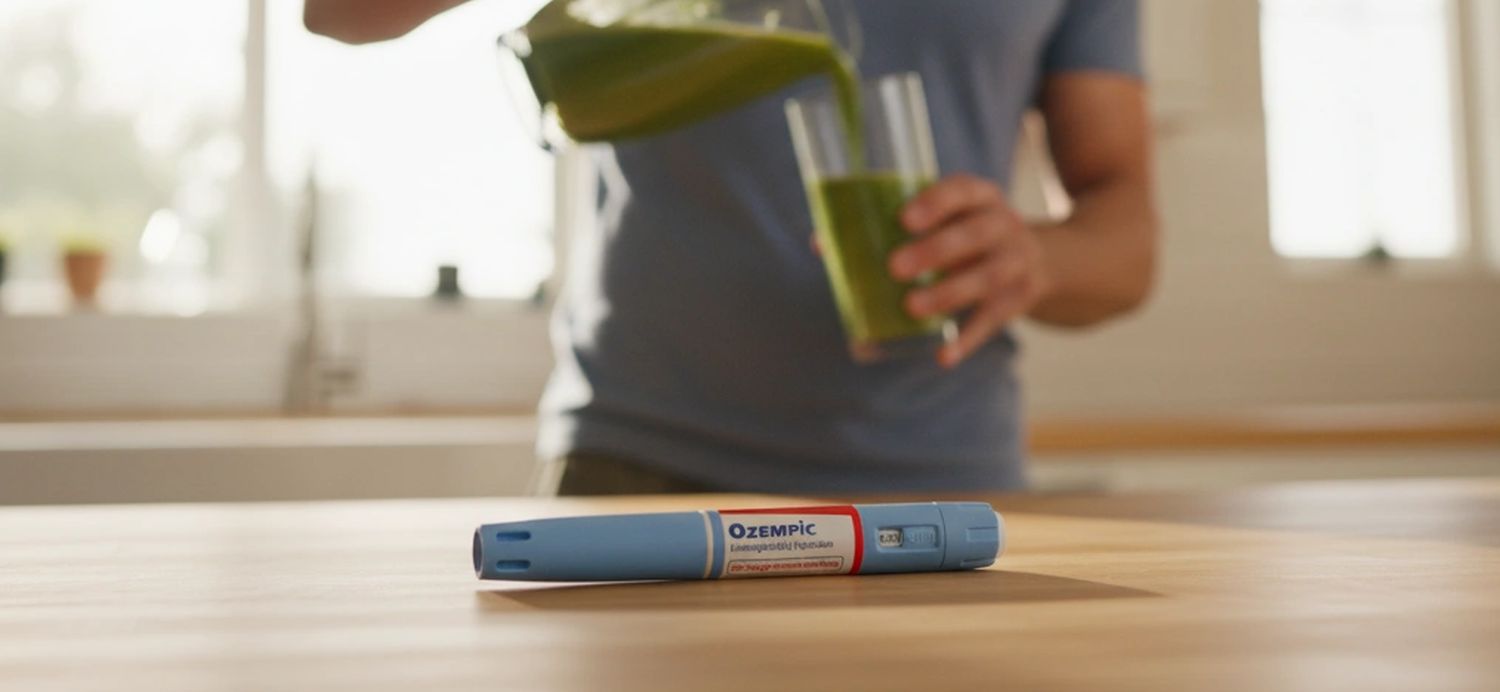
Six months on Ozempic is a significant milestone. By this point, most patients have reached a therapeutic dose, worked through the early adjustment period, and accumulated meaningful weight loss. Clinical data puts average weight loss at the six-month mark somewhere between 8 and 12 percent of starting body weight for patients at doses between 0.5mg and 1mg, with some patients achieving more. But six months is also when plateaus become more common, when questions about long-term use start to surface, and when the next phase of treatment deserves real attention.
What the Six-Month Mark Actually Represents
To understand your results at month six, it helps to think about where you are in the treatment arc. Most patients have spent the first four to eight weeks at 0.25mg to 0.5mg, then gradually increased toward 1mg or higher depending on their provider’s guidance and their response to each dose level. By month six, the majority of patients are at or approaching their maintenance dose, the level at which appetite suppression is consistent and weight loss has found its rhythm.
This is meaningfully different from month three, when many patients were still dose-escalating. Six months represents something closer to steady state, which is why results at this point are a better reflection of how the medication is working for you specifically.
Average Weight Loss at Six Months: What the Data Shows
In the STEP 1 trial, participants on semaglutide 2.4mg lost approximately 10 percent of body weight by week 28, roughly the six-month mark. At the lower doses typical of standard Ozempic prescribing (0.5mg to 1mg), six-month results tend to be somewhat less dramatic but still clinically significant, generally in the 8 to 12 percent range for consistent patients.
For real-world context, consider a patient starting at 240 pounds. Eight percent weight loss at six months represents just over 19 pounds. Twelve percent represents nearly 29 pounds. Both of those outcomes reflect meaningful health improvements beyond aesthetics, including reductions in blood pressure, improved insulin sensitivity, and decreased cardiovascular risk.
The Wegovy weight loss results article provides a useful comparison point, since Wegovy uses the same active ingredient at a higher approved dose and its data illustrates what the upper range of semaglutide results can look like over time.
Why Progress Often Slows Around Month Four to Six
A weight loss plateau somewhere between months three and six is extremely common on Ozempic and doesn’t indicate the medication has stopped working. Several mechanisms explain why this happens.
First, your body adapts to a lower caloric intake by reducing its resting metabolic rate somewhat. This is a normal physiological response to sustained calorie restriction and isn’t specific to Ozempic. Second, as you lose weight, your total daily energy expenditure decreases simply because you’re carrying less mass. Third, appetite suppression at a given dose can become less dramatic over time as your body adjusts to that level of GLP-1 activity.
None of these are reasons to give up on the medication. They’re reasons to reassess. A dose increase, a recalibration of dietary habits, or the addition of structured exercise can break through a plateau at this stage. The Ozempic plateau guide covers the most practical strategies for getting momentum back.
What Body Composition Looks Like at Six Months
Scale weight tells part of the story. Body composition tells the rest. At six months, patients who have maintained adequate protein intake and incorporated some physical activity typically show favorable changes in fat-to-muscle ratio. Visceral fat, the metabolically active fat stored around the abdominal organs, tends to respond particularly well to GLP-1 treatment and is often disproportionately reduced relative to overall weight loss.
Patients frequently report at the six-month mark that their body shape has changed more than the scale number alone suggests. Clothes fit differently, particularly around the waist and midsection. Blood markers including fasting glucose, triglycerides, and blood pressure often show improvement that outpaces what you’d expect from weight loss alone, reflecting semaglutide’s direct metabolic effects beyond calorie reduction.
The Research Behind Six-Month Outcomes
A study published in Nature Medicine by Wadden et al. (2021) examining semaglutide in combination with intensive behavioral therapy found that participants achieved an average weight loss of 16 percent at 68 weeks, with a substantial portion of that progress concentrated in the first six months. The study confirmed that six-month results are a strong predictor of long-term outcomes, making this milestone a meaningful checkpoint for evaluating treatment trajectory.
If You’ve Lost Less Than Expected at Six Months
First, define “less than expected” carefully. Comparing your results to clinical trial averages or someone else’s before-and-after photos can set an unrealistic baseline. Trial participants often receive intensive behavioral support alongside medication, which amplifies results beyond what many real-world patients experience.
That said, if you’ve been consistent with injections at a therapeutic dose for six months and weight loss has been minimal, a few things are worth evaluating. These include whether your dose has been optimized, whether dietary habits are supporting or undermining the medication’s effects, and whether an underlying metabolic factor is limiting your response.
For patients who have plateaued on semaglutide and want to explore whether a more potent option might help, the switching from Ozempic to Mounjaro guide explains what that transition involves and what outcomes the research supports.
Planning the Next Six Months
Month six is a natural checkpoint for a bigger conversation with your provider about long-term treatment goals. Questions worth raising include whether your current dose is optimal, what your target weight loss looks like, and what the plan is for maintaining results once you approach that target.
For patients wondering how long they’ll need to stay on the medication, the how long can you take Ozempic for weight loss article addresses the long-term use question directly, including what happens when patients stop and what maintenance looks like for those who continue.
Six months is not the finish line. For most patients it’s closer to the halfway point of the active weight loss phase. The habits, insights, and physiological changes you’ve accumulated in these first six months are the foundation everything else builds on.
If you’re just starting out and want guidance on whether Ozempic or compounded semaglutide fits your situation, take the intake assessment and connect with a TrimRx provider who can build a plan around your goals.
This information is for educational purposes and is not medical advice. Consult with a healthcare provider before starting any medication. Individual results may vary.

Transforming Lives, One Step at a Time
Keep reading

Ozempic Results After One Year: What Long-Term Use Looks Like
A full year on Ozempic puts you in a category that most weight loss approaches never reach: sustained, medically supported treatment that has had…

Ozempic Results at 3 Months: What to Realistically Expect
Three months into Ozempic, most people are starting to see results that feel genuinely meaningful. By this point you’ve moved through the starting dose,…

How Fast Does Ozempic Work: What to Expect Week by Week
Ozempic starts acting in your system within hours of your first injection, but the effects you actually feel build gradually over weeks. Most people…


