Ozempic Shortage: What to Do and Where to Turn
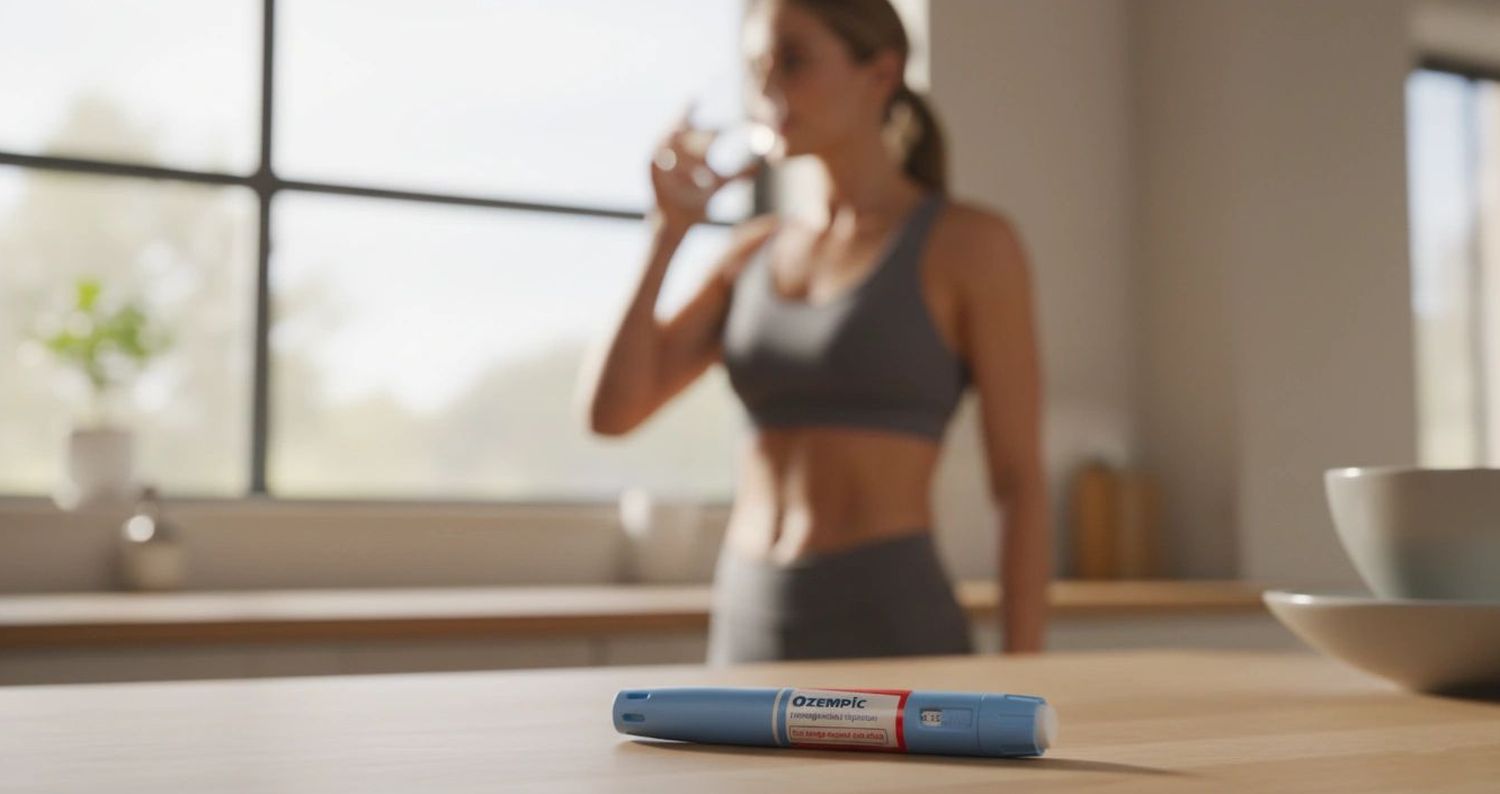
If you’ve shown up to a pharmacy recently and been told your Ozempic isn’t available, you’re not alone. Supply disruptions for GLP-1 medications have affected patients across the country, and the frustration is real. The good news is that a shortage doesn’t have to mean stopping your treatment entirely. Here’s what’s driving the problem, what your options actually are, and how to make a decision that keeps your progress on track.
Why the Shortage Happens
Demand for semaglutide has grown faster than Novo Nordisk’s manufacturing capacity can keep pace with. Ozempic was originally approved for type 2 diabetes management, but its widespread adoption for weight loss, including off-label use, created a surge in prescriptions that outpaced supply. Wegovy, the higher-dose semaglutide formulation approved specifically for weight loss, has faced similar pressures.
The FDA’s drug shortage database has listed semaglutide products at various points since 2022. The shortage status has fluctuated by dose and region, meaning some strengths are available while others aren’t, and what’s in stock at one pharmacy may be unavailable at another across town. This inconsistency makes it hard for patients and providers to plan.
Manufacturing injectable biologics is genuinely complex. Scaling up production takes years, not months, which is why the shortage hasn’t resolved as quickly as patients and providers would like.
What Happens to Your Body During a Gap in Treatment
This is a practical concern worth addressing directly. If you miss one or two doses of Ozempic due to a shortage, the effects are manageable for most people. Semaglutide has a half-life of approximately one week, meaning it stays active in your system for some time after a missed dose. You may notice hunger returning and appetite suppression fading within one to two weeks of your last injection.
If the gap extends to a month or more, weight regain becomes a real possibility. The article on what happens when you stop taking Ozempic covers this in detail, but the short version is that the biological drivers of hunger and appetite return as the medication clears your system. Without behavioral strategies in place, some regain is common.
This is why acting quickly when you first hear about a shortage, rather than waiting until you’ve already missed doses, puts you in a much better position.
Option One: Contact Multiple Pharmacies
This sounds obvious, but many patients don’t do it systematically. Shortage availability varies significantly from pharmacy to pharmacy, and even week to week. Large chain pharmacies and independent compounding pharmacies often have different supply situations. Calling ahead rather than transferring your prescription and then waiting is the more efficient approach.
Your prescriber can also help. Providers who write a high volume of GLP-1 prescriptions often have visibility into which pharmacies in your area are consistently stocked, or they may have a preferred pharmacy partner they work with directly.
Option Two: Ask About Dose Adjustment
If your current dose is unavailable but a lower dose is in stock, some providers will temporarily adjust your prescription to keep you on something rather than nothing. This isn’t the right call for every patient, and it’s not a decision to make unilaterally, but it’s worth asking your prescriber whether a lower dose bridge makes clinical sense for your situation.
The downside is that appetite suppression is dose-dependent, and a lower dose may mean less hunger control during the gap period. The upside is that staying on any amount of semaglutide is generally better than stopping entirely.
Option Three: Switch to Compounded Semaglutide
This is where many patients land, and it’s worth understanding what compounded semaglutide actually is. When the FDA lists a drug as being in shortage, it opens the door for state-licensed compounding pharmacies to legally produce compounded versions of that drug. Compounded semaglutide contains the same active ingredient as Ozempic and Wegovy but is produced by a compounding pharmacy rather than Novo Nordisk.
The article on compounded semaglutide vs Wegovy goes into the key distinctions in depth, but the important points are these: compounded semaglutide is not FDA-approved as a finished product (the active ingredient is), it requires a valid prescription, and quality varies depending on the pharmacy producing it.
For patients who want to understand how to switch from brand Ozempic to a compounded version, this guide on switching from Ozempic to compounded semaglutide walks through the process practically.
Option Four: Consider Tirzepatide
If semaglutide in any form is difficult to access in your area, tirzepatide (brand names Mounjaro and Zepbound) is a different but related medication that works through both GLP-1 and GIP receptor pathways. Clinical trial data suggests tirzepatide produces greater average weight loss than semaglutide, and its supply situation has generally been more stable.
Switching medications isn’t something to do casually. The dosing schedules are different, and the side effect profiles overlap but aren’t identical. Your provider needs to be part of this conversation. But if you’ve been on semaglutide for several months and hit a wall with supply, tirzepatide is a legitimate option rather than a compromise.
Consider this scenario: a patient who has been losing weight steadily on Ozempic for four months faces a two-month shortage with no resolution in sight. Rather than stopping treatment and risking regain, they discuss switching to compounded tirzepatide with their provider, re-establish appetite control, and continue making progress. The semaglutide to tirzepatide switching guide covers what that transition typically looks like.
What to Do Right Now If You’re Affected
A few practical steps, in order of priority:
Call your pharmacy today and ask specifically which semaglutide doses and formulations they currently have in stock. Ask when they expect their next shipment. Get a name if you can.
Contact your prescriber and let them know about the shortage. Ask whether compounded semaglutide or a dose adjustment makes sense as a bridge. Don’t wait for your next scheduled appointment if your supply is running low.
Lean harder on the behavioral strategies that support your treatment. This means prioritizing protein at every meal, staying consistent with movement, and keeping an eye on portions. The appetite suppression from semaglutide makes these habits easier, but building them into your routine now means they’ll hold up better during a gap.
If you’re looking for a more stable supply through a telehealth provider that works with compounding pharmacies directly, exploring your options at TrimRx is worth a few minutes of your time. Providers who specialize in GLP-1 treatment often have more visibility into supply and more flexibility in how they structure your prescription.
A Note on Shortage Scams
When medications are hard to find, bad actors move in. You may see online offers for “Ozempic” at steep discounts from unfamiliar sources, international pharmacies, or social media sellers. These are not safe alternatives. Counterfeit semaglutide has been documented by the FDA, and products from unverified sources carry real risk of contamination, incorrect dosing, or no active ingredient at all.
Legitimate compounded semaglutide comes from a licensed compounding pharmacy operating under state pharmacy board oversight, requires a valid prescription, and is dispensed with clear labeling and dosing instructions. If something doesn’t meet those criteria, it’s not a safe alternative regardless of how it’s marketed.
A shortage is frustrating, but the path forward runs through your prescriber and verified pharmacy partners, not around them.
This information is for educational purposes and is not medical advice. Consult with a healthcare provider before starting any medication. Individual results may vary.

Transforming Lives, One Step at a Time
Keep reading
Optimizing Wellness: How Does Ozempic Help Diabetics and Support Metabolic Health?
Discover how does ozempic help diabetics by regulating insulin, protecting the heart, and managing weight. Learn the science behind semaglutide and start your journey today.

How to Help with Nausea from Ozempic: Practical Strategies for Your Comfort
Learn how to help with nausea from Ozempic with our expert guide. Explore dietary tips, lifestyle changes, and mindful habits to manage side effects effectively.
Your New Beginning: What Happens After Your First Ozempic Shot
Curious about what happens after first ozempic shot? Learn about the biological changes, managing side effects, and shifts in food noise during your first week.


