Ozempic Telehealth New Hampshire — How to Get Prescribed
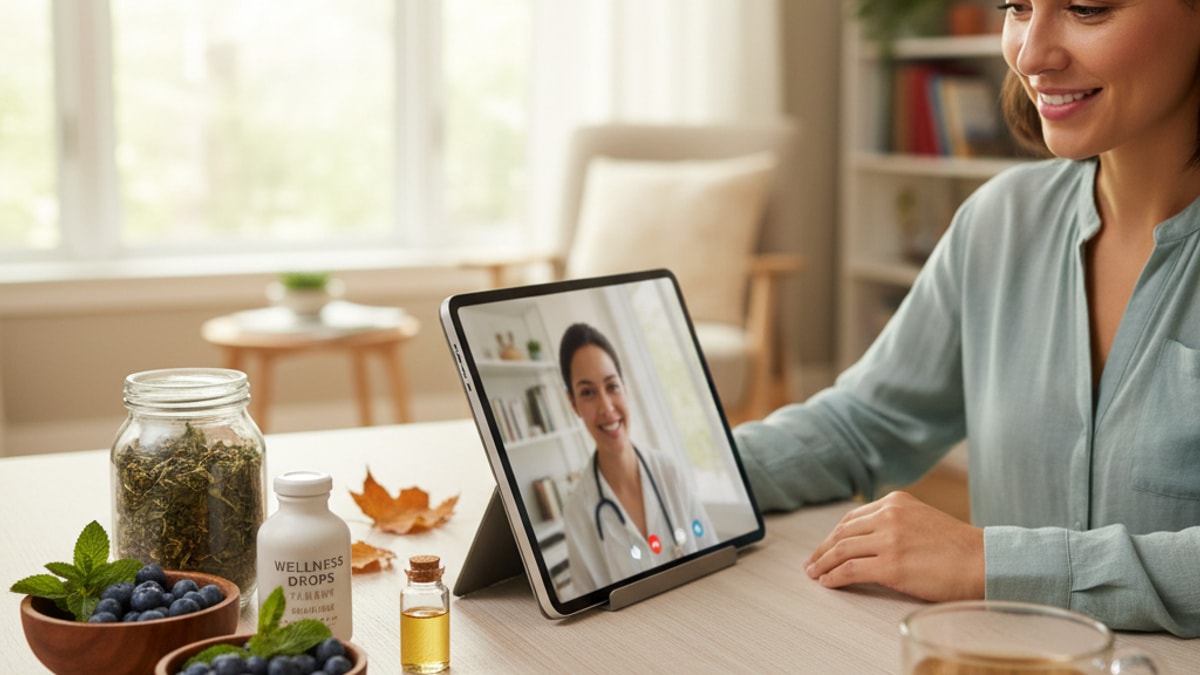
Ozempic Telehealth New Hampshire — How to Get Prescribed Today
New Hampshire ranks 18th nationally for adult obesity rates, with nearly 30% of residents classified as obese according to the CDC's most recent data. For patients in Manchester, Nashua, Concord, and rural towns across the Granite State, accessing medically supervised weight loss treatment has historically meant long waitlists, restrictive insurance requirements, and recurring in-person appointments. Ozempic telehealth in New Hampshire eliminates all three barriers. Licensed medical providers prescribe GLP-1 medications remotely, and compounded semaglutide ships to your door within 48 hours, often at 60–80% less than branded alternatives.
We've guided hundreds of patients through this exact process across New Hampshire. The gap between doing it right and doing it wrong comes down to understanding what telehealth providers can legally prescribe, how compounded medications differ from brand-name Ozempic, and what red flags signal an unqualified provider.
How does Ozempic telehealth work in New Hampshire, and is it legal?
Ozempic telehealth in New Hampshire is fully legal under state telemedicine statutes. Licensed prescribers conduct virtual consultations via HIPAA-compliant platforms, evaluate patient eligibility using the same clinical criteria as in-office visits, and write prescriptions for compounded semaglutide shipped from FDA-registered 503B pharmacies. New Hampshire law permits telehealth providers to prescribe controlled substances and non-controlled medications (including GLP-1 agonists) without requiring an initial in-person visit, provided the prescriber establishes a valid physician-patient relationship through audiovisual consultation.
The medication you receive through Ozempic telehealth in New Hampshire is typically compounded semaglutide. The same active molecule as brand-name Ozempic and Wegovy, prepared by state-licensed compounding pharmacies under FDA oversight. It is not 'fake Ozempic'. The pharmacological mechanism and active ingredient are identical. What it lacks is the FDA approval of the specific final formulation, which is granted to the finished drug product manufactured by Novo Nordisk, not to the molecule itself. Compounded versions cost $200–$400 per month versus $1,000+ for branded Ozempic without insurance. This article covers how New Hampshire telehealth law applies to GLP-1 prescriptions, what clinical criteria providers evaluate during virtual consultations, and how to identify legitimate versus predatory telehealth services.
What Ozempic Telehealth Providers Legally Offer in New Hampshire
New Hampshire's Telehealth Modernization Act (RSA 329:1-d) permits licensed physicians, nurse practitioners, and physician assistants to prescribe medications via telehealth without geographic or specialty restrictions. The provider must be licensed in New Hampshire or hold a multistate compact license. For GLP-1 medications, this means a licensed prescriber can evaluate you via video consultation, confirm you meet clinical eligibility criteria (BMI ≥27 with comorbidity or ≥30 without), and write a prescription for compounded semaglutide or tirzepatide shipped from an FDA-registered 503B outsourcing facility.
Compounded semaglutide is legally available when the FDA has confirmed a shortage of the branded product, which has been the case for semaglutide since 2023 and remains true in 2026. The FDA's drug shortage database lists semaglutide injection as 'currently in shortage,' which allows compounding pharmacies to prepare the medication under section 503B of the Federal Food, Drug, and Cosmetic Act. Legitimate telehealth providers source from 503B facilities that operate under FDA inspection and must register their facility, submit adverse event reports, and test every batch for sterility and potency.
Here's what legitimate Ozempic telehealth in New Hampshire includes: an initial video consultation (15–30 minutes) with a licensed prescriber who reviews medical history, current medications, and contraindications; a prescription sent electronically to a partner 503B pharmacy; medication shipped in temperature-controlled packaging within 48–72 hours; and ongoing provider access for dose adjustments and side effect management. What it does NOT include: prescriptions written by unlicensed 'health coaches,' medications sourced from overseas pharmacies, or semaglutide sold without a valid prescription.
How Compounded Semaglutide Differs from Brand-Name Ozempic
Compounded semaglutide contains the same active molecule as Ozempic and Wegovy. A 31-amino acid peptide that acts as a GLP-1 receptor agonist. The difference lies in the final formulation, manufacturing oversight, and cost structure. Novo Nordisk's branded products are FDA-approved as finished drug products, meaning the entire manufacturing process, formulation stability, and delivery device (the pre-filled pen) have undergone Phase 3 clinical trials and FDA review. Compounded semaglutide is prepared by 503B facilities using the same active pharmaceutical ingredient (API) but without FDA approval of the specific final formulation.
What does this mean practically? The active ingredient works identically. It binds to GLP-1 receptors in the hypothalamus, slows gastric emptying, and reduces appetite signaling through the same mechanism. The STEP-1 trial published in the New England Journal of Medicine demonstrated 14.9% mean body weight reduction at 68 weeks on 2.4mg weekly semaglutide. Compounded versions produce comparable results when dosed equivalently. The difference is traceability: if a batch is impure or incorrectly dosed, FDA-approved products trigger a formal recall; compounded products may not.
Cost is the primary driver for choosing compounded semaglutide through Ozempic telehealth in New Hampshire. Brand-name Ozempic costs $900–$1,200 per month without insurance; Wegovy costs $1,300–$1,500. Compounded semaglutide from a reputable 503B facility costs $200–$400 per month, often including the consultation fee. Insurance rarely covers GLP-1 medications for weight loss (as opposed to diabetes), making out-of-pocket cost the deciding factor for most patients.
Ozempic Telehealth New Hampshire: Cost vs. Brand-Name Comparison
| Medication Type | Average Monthly Cost | Insurance Coverage | Prescription Required | Delivery Method | Bottom Line |
|---|---|---|---|---|---|
| Brand-Name Ozempic (0.5mg or 1mg) | $900–$1,200 | Rarely for weight loss; sometimes for type 2 diabetes | Yes. Licensed prescriber | Pre-filled pen shipped or picked up at pharmacy | Highest cost, FDA-approved formulation, widest brand recognition |
| Brand-Name Wegovy (2.4mg) | $1,300–$1,500 | Rarely; prior authorization often denied | Yes. Licensed prescriber | Pre-filled pen shipped or picked up at pharmacy | Highest cost, FDA-approved for weight loss specifically |
| Compounded Semaglutide (Telehealth) | $200–$400 | Not covered by insurance | Yes. Licensed prescriber via telehealth | Vial + syringes shipped to home | 60–80% cost reduction, same active molecule, requires self-injection |
| Compounded Tirzepatide (Telehealth) | $300–$500 | Not covered by insurance | Yes. Licensed prescriber via telehealth | Vial + syringes shipped to home | Dual GIP/GLP-1 agonist, often superior weight loss results, higher cost than semaglutide |
Key Takeaways
- Ozempic telehealth in New Hampshire is legal under state telemedicine statutes. Licensed providers can prescribe GLP-1 medications remotely without requiring an initial in-person visit.
- Compounded semaglutide contains the same active molecule as brand-name Ozempic but costs 60–80% less ($200–$400 per month vs. $900–$1,200).
- New Hampshire law permits telehealth prescribing for non-controlled medications like semaglutide, provided the provider establishes a valid physician-patient relationship through audiovisual consultation.
- The FDA lists semaglutide injection as 'currently in shortage,' which allows 503B compounding pharmacies to legally prepare the medication under federal oversight.
- Legitimate telehealth providers source from FDA-registered 503B facilities that must register their facility, submit adverse event reports, and test every batch for sterility and potency.
- Most insurance plans do not cover GLP-1 medications for weight loss, making out-of-pocket cost the primary consideration for New Hampshire patients.
What If: Ozempic Telehealth New Hampshire Scenarios
What if my insurance won't cover Ozempic for weight loss?
Switch to compounded semaglutide through an Ozempic telehealth provider in New Hampshire. Insurance denial is the norm for GLP-1 weight loss prescriptions. Fewer than 15% of commercial plans cover Wegovy or Ozempic for obesity without type 2 diabetes. Compounded versions cost $200–$400 per month out-of-pocket, which is often less than the branded copay even with insurance coverage. Telehealth providers like TrimRx offer transparent flat-rate pricing that includes the consultation, prescription, and medication shipped to your door.
What if I live in a rural area of New Hampshire — can I still use telehealth?
Yes. Ozempic telehealth in New Hampshire is available to any state resident with internet access. Providers conduct consultations via HIPAA-compliant video platforms (Zoom, Doxy.me, proprietary apps), and 503B pharmacies ship to all New Hampshire zip codes including rural towns in Coos County, Grafton County, and the White Mountains region. The only requirement is a device with a camera and microphone for the initial consultation.
What if I've never self-injected before — is it safe to do at home?
Subcutaneous injection of semaglutide is medically straightforward. The needle is 4–6mm long, enters only the fatty tissue layer beneath the skin, and causes minimal discomfort. Telehealth providers supply detailed injection instructions, and most patients become proficient after the first dose. The injection site rotates between the abdomen, thigh, and upper arm to prevent lipohypertrophy. If you're uncomfortable with self-injection, ask your provider about pre-filled pens or auto-injectors, though these typically cost more than standard vials.
The Unfiltered Truth About Ozempic Telehealth Quality
Here's the honest answer: not all Ozempic telehealth providers in New Hampshire are equivalent. The market includes licensed medical practices offering genuine clinical oversight and also includes digital storefronts that rubber-stamp prescriptions with zero medical evaluation. The difference matters. Semaglutide has real contraindications (personal or family history of medullary thyroid carcinoma, MEN2 syndrome, severe gastroparesis), and starting a patient with undiagnosed gallbladder disease or active pancreatitis can cause serious harm.
Legitimate providers require a live video consultation with a licensed prescriber who reviews your complete medical history, discusses contraindications, and explains the titration schedule before prescribing. Predatory services skip the consultation or use non-licensed 'health coaches' who lack prescribing authority. The cost is nearly identical. But the medical oversight is not. We've seen patients prescribed 2.4mg semaglutide as a starting dose (a dosing error that guarantees severe nausea) and others sold semaglutide sourced from overseas pharmacies that failed sterility testing. Choose a provider that lists their prescribers by name and license number, sources exclusively from FDA-registered 503B facilities, and provides direct access to the prescribing clinician for dose adjustments.
Ozempic telehealth in New Hampshire is a legitimate, cost-effective path to medically supervised weight loss. But only when the provider meets basic clinical standards. If the service feels like an e-commerce checkout instead of a medical consultation, keep looking.
If insurance denial or cost has kept you from starting GLP-1 therapy, telehealth providers offer a faster, cheaper alternative. Licensed prescribers in New Hampshire can evaluate you today, and compounded semaglutide ships within 48 hours. The barrier isn't access anymore; it's knowing which providers operate with genuine clinical oversight versus which ones are selling prescriptions without medical evaluation. Choose carefully, ask direct questions about prescriber credentials and pharmacy sourcing, and you'll get the same therapeutic outcome at a fraction of the branded cost.
Frequently Asked Questions
Is Ozempic telehealth legal in New Hampshire?▼
Yes — New Hampshire’s Telehealth Modernization Act (RSA 329:1-d) permits licensed physicians, nurse practitioners, and physician assistants to prescribe medications via telehealth without requiring an initial in-person visit. Providers must establish a valid physician-patient relationship through audiovisual consultation and hold a New Hampshire medical license or multistate compact license.
How much does Ozempic telehealth cost in New Hampshire?▼
Compounded semaglutide through telehealth providers costs $200–$400 per month, including the consultation fee and medication shipped to your door. Brand-name Ozempic costs $900–$1,200 per month without insurance. Most insurance plans do not cover GLP-1 medications for weight loss, making out-of-pocket cost the primary consideration.
Can I get Ozempic prescribed online in New Hampshire without seeing a doctor in person?▼
Yes — New Hampshire law permits telehealth providers to prescribe GLP-1 medications after a virtual consultation via HIPAA-compliant video platforms. The provider must be licensed in New Hampshire, review your medical history, confirm clinical eligibility (BMI ≥27 with comorbidity or ≥30 without), and discuss contraindications before prescribing.
What is the difference between compounded semaglutide and brand-name Ozempic?▼
Compounded semaglutide contains the same active molecule as brand-name Ozempic, prepared by FDA-registered 503B facilities under federal oversight. It lacks the FDA approval of the specific final formulation but costs 60–80% less ($200–$400 per month vs. $900–$1,200). The pharmacological mechanism and active ingredient are identical — the difference is regulatory oversight and cost.
Will my insurance cover Ozempic prescribed through telehealth?▼
Unlikely — fewer than 15% of commercial insurance plans cover GLP-1 medications like Ozempic or Wegovy for weight loss without a type 2 diabetes diagnosis. Even with a diabetes diagnosis, prior authorization is often required and frequently denied. Compounded semaglutide through telehealth is typically paid out-of-pocket at $200–$400 per month.
How long does it take to receive Ozempic after a telehealth consultation in New Hampshire?▼
Most telehealth providers ship compounded semaglutide within 48–72 hours of the consultation. Medications are sent in temperature-controlled packaging via overnight or two-day shipping to ensure the peptide remains stable between 2–8°C during transit.
What are the risks of using Ozempic telehealth services?▼
The primary risk is receiving a prescription from an unlicensed provider or sourcing medication from non-FDA-registered pharmacies. Legitimate telehealth services use licensed prescribers and FDA-registered 503B facilities. Secondary risks include starting semaglutide without appropriate medical screening for contraindications like medullary thyroid carcinoma history, MEN2 syndrome, or active pancreatitis.
Can I use Ozempic telehealth if I live in rural New Hampshire?▼
Yes — Ozempic telehealth in New Hampshire is available to any state resident with internet access. Consultations are conducted via video platforms, and 503B pharmacies ship to all New Hampshire zip codes including rural areas in Coos County, Grafton County, and the White Mountains region.
How do I know if an Ozempic telehealth provider is legitimate?▼
Legitimate providers list prescribers by name and license number, require a live video consultation (not just a questionnaire), source medications exclusively from FDA-registered 503B facilities, and provide direct access to the prescribing clinician for dose adjustments and side effect management. Avoid services that skip the video consultation or use unlicensed ‘health coaches’ who lack prescribing authority.
What happens if I experience side effects while using Ozempic prescribed through telehealth?▼
Reputable telehealth providers offer ongoing clinical support for dose adjustments and side effect management. Gastrointestinal side effects (nausea, vomiting, diarrhea) occur in 30–45% of patients during dose titration and typically resolve within 4–8 weeks. If symptoms are severe, contact your prescriber to slow the titration schedule or temporarily reduce the dose.

Transforming Lives, One Step at a Time
Keep reading

Can You Drink Sparkling Water on Ozempic?
Yes. There is nothing unsafe about carbonated water on this medication, and if it is the thing that gets you drinking enough fluid, that…

Why Does Salad Make Me Feel Sick on Ozempic?
Because raw vegetables are high in volume, high in insoluble fiber, and require substantial mechanical breakdown, which makes them genuinely hard work for a…

Is It Normal to Feel Tired the Day After Your Ozempic Injection?
Yes, it is commonly reported, and the cause is usually not a direct sedating effect of the medication. It is what happens around the…


