Ozempic Telehealth West Virginia — How It Works | TrimRx
Ozempic Telehealth West Virginia — How It Works | TrimRx
West Virginia has fewer endocrinologists per capita than nearly any state in the country. Rural counties like Webster, Pocahontas, and McDowell report endocrinology access rates below 0.2 specialists per 10,000 residents. For patients managing type 2 diabetes or pursuing medically supervised weight loss with GLP-1 medications, that geographic reality has historically meant months-long waitlists or multi-hour drives to Charleston or Morgantown. Ozempic telehealth West Virginia changes that entirely: licensed providers conduct remote consultations, prescribe compounded semaglutide or brand-name Ozempic where appropriate, and coordinate home delivery to any address statewide. Usually within 48 hours of approval.
Our team has worked with patients across every West Virginia county. The pattern is consistent: rural access remains the single largest barrier to evidence-based metabolic care. Telehealth doesn't just improve convenience. It eliminates the structural gap between need and availability.
What is Ozempic telehealth, and how does it work in West Virginia?
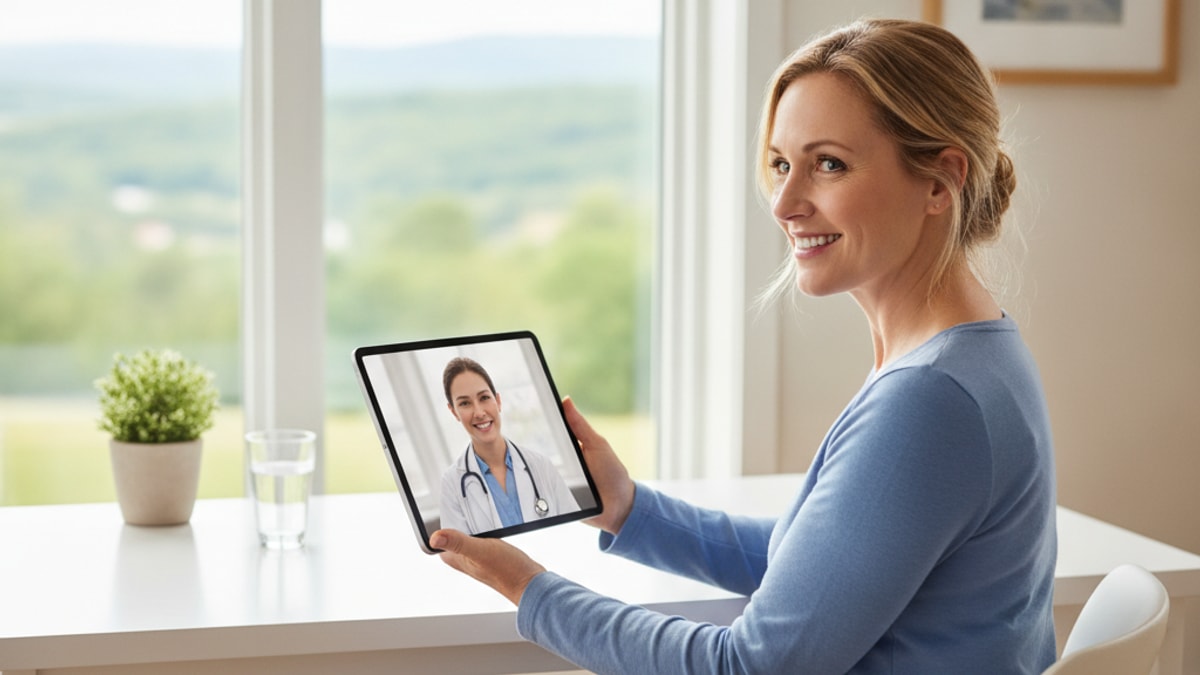
Ozempic telehealth West Virginia allows patients to consult with licensed healthcare providers remotely via video or phone, receive a prescription for semaglutide (Ozempic, Wegovy, or compounded versions), and have the medication shipped directly to their home. West Virginia permits telehealth prescribing under state medical board regulations so long as the provider is licensed in-state and conducts a proper medical evaluation. No in-person visit is required for GLP-1 prescriptions. This eliminates travel barriers for residents in areas with limited endocrinology or bariatric specialist availability.
The single biggest misconception about Ozempic telehealth is that it's 'less legitimate' than in-person care. It's not. The medical evaluation is identical. Providers review health history, current medications, contraindications, and metabolic markers (A1C, BMI, thyroid function if applicable) through structured intake forms and live consultation. What changes is location, not clinical rigor. The rest of this article covers how the process works step by step, what distinguishes compounded from brand-name semaglutide in a telehealth context, and what patients should verify before enrolling in any remote GLP-1 program.
How Ozempic Telehealth West Virginia Works — The Provider to Patient Process
Ozempic telehealth West Virginia follows a structured remote prescribing pathway governed by West Virginia Board of Medicine telehealth regulations. The provider must be licensed in West Virginia or hold an active multi-state compact license, conduct a synchronous (live) consultation via secure video or phone, and document a complete medical evaluation before issuing a prescription. Asynchronous-only providers. Those operating purely through questionnaires without live interaction. Do not meet West Virginia's standard of care for controlled prescribing.
The consultation itself mirrors an in-person metabolic evaluation: providers review BMI, metabolic history (current A1C if diabetic, fasting glucose, thyroid function), current medications, contraindications (personal or family history of medullary thyroid carcinoma, MEN2 syndrome, severe gastroparesis), and patient goals. If semaglutide is appropriate, the provider writes a prescription sent electronically to a partnered pharmacy. Either a traditional retail pharmacy for brand-name Ozempic or Wegovy, or an FDA-registered 503B compounding facility for lower-cost compounded semaglutide. The patient receives the medication via USPS, UPS, or FedEx in temperature-controlled packaging designed to maintain 2–8°C during transit.
Patients in counties like Greenbrier, Raleigh, and Mercer. Areas with limited specialist density. Report the fastest improvement in access through telehealth pathways. Geographic distance is no longer the limiting variable; insurance status and cost are.
Compounded Semaglutide vs Brand-Name Ozempic — What West Virginia Patients Receive
Compounded semaglutide contains the same active molecule as brand-name Ozempic and Wegovy, prepared by FDA-registered 503B outsourcing facilities under USP 795 and 797 sterile compounding standards. It is not 'generic Ozempic'. Generic versions do not yet exist, as Novo Nordisk's patent protection runs through 2032. Compounded versions are legally available when the FDA has confirmed a drug shortage, which has been the case for semaglutide continuously since late 2023.
The pharmacological mechanism is identical: both compounded and brand-name semaglutide act as GLP-1 receptor agonists, binding to incretin receptors in the hypothalamus to suppress appetite while slowing gastric emptying. The clinical difference lies in regulatory oversight: brand-name products undergo batch-by-batch FDA potency verification, while compounded preparations are overseen at the facility level by state pharmacy boards. This doesn't mean compounded semaglutide is unsafe. 503B facilities are federally inspected and must meet cGMP standards. But traceability is lower if a batch issue arises.
Cost is the defining factor for most West Virginia patients: brand-name Ozempic costs $900–$1,200 per month without insurance, and most commercial plans exclude coverage for weight loss indications. Compounded semaglutide through telehealth providers typically costs $250–$400 per month, making it accessible to patients who would otherwise be priced out entirely.
Ozempic Telehealth West Virginia: Eligibility, Contraindications, and Medical Screening
Eligibility for Ozempic telehealth West Virginia follows the same clinical criteria as in-person prescribing: BMI ≥30 kg/m² (or ≥27 kg/m² with one or more weight-related comorbidities such as hypertension, dyslipidemia, or prediabetes), and no absolute contraindications. Absolute contraindications include personal or family history of medullary thyroid carcinoma, MEN2 syndrome, or severe gastroparesis. Relative contraindications. Which require provider judgment. Include active pancreatitis, severe renal impairment (eGFR <30 mL/min), and pregnancy or breastfeeding.
Telehealth providers in West Virginia are required to screen for these contraindications during the intake process and live consultation. Patients who report a family history of thyroid cancer or symptoms of delayed gastric emptying (chronic nausea, early satiety, vomiting undigested food hours after eating) must be evaluated further before semaglutide is prescribed. Providers who skip this step to expedite enrollment are violating West Virginia medical board standards.
The most commonly overlooked contraindication is concurrent use of other incretin-based therapies. Patients already taking DPP-4 inhibitors (sitagliptin, saxagliptin) or other GLP-1 agonists (liraglutide, dulaglutide) cannot safely add semaglutide due to compounded GI side effects and redundant mechanisms. Telehealth providers must reconcile current medications before prescribing.
Ozempic Telehealth West Virginia: Cost, Insurance, and Out-of-Pocket Payment
| Cost Component | Brand-Name Ozempic | Compounded Semaglutide | Bottom Line |
|---|---|---|---|
| Monthly medication cost (no insurance) | $900–$1,200 | $250–$400 | Compounded versions cost 70–80% less than brand-name |
| Insurance coverage likelihood (weight loss indication) | 10–20% of commercial plans | Not covered by insurance | Most commercial plans exclude GLP-1 weight loss coverage entirely |
| Consultation fee (telehealth) | $0–$50 (often waived) | $0–$50 (often waived) | Consultation fees are typically included in monthly subscription models |
| Shipping cost | $0–$15 | Included in monthly fee | Temperature-controlled shipping is standard. Verify cold-chain protocol |
| Lab work requirement | Not required by most providers | Not required by most providers | Optional: baseline A1C, fasting glucose, lipid panel recommended but not mandatory |
The majority of West Virginia residents using Ozempic telehealth pay out-of-pocket for compounded semaglutide because commercial insurance rarely covers GLP-1 medications for weight loss. Medicaid and Medicare Part D exclude obesity pharmacotherapy entirely unless a secondary diabetes diagnosis is documented. For patients with diagnosed type 2 diabetes, some Medicare Advantage and commercial plans do cover brand-name Ozempic. But not Wegovy, which is FDA-approved for weight loss rather than diabetes. This creates a coverage paradox: the same medication prescribed for a different indication determines whether insurance pays.
Patients should verify total monthly cost upfront. Some telehealth providers advertise low medication costs but charge separate consultation fees, lab fees, or shipping fees that push the real price above $500 per month. TrimRx includes consultation, medication, and shipping in one transparent monthly fee with no hidden charges.
Key Takeaways
- Ozempic telehealth West Virginia allows patients statewide to access GLP-1 prescriptions remotely without in-person specialist visits, eliminating geographic barriers in rural counties with fewer than 0.3 endocrinologists per 10,000 residents.
- Compounded semaglutide contains the same active molecule as brand-name Ozempic but costs 70–80% less ($250–$400 per month vs $900–$1,200), making it the most accessible option for patients paying out-of-pocket.
- West Virginia telehealth regulations require a live (synchronous) consultation with a state-licensed provider before prescribing. Asynchronous-only questionnaires do not meet the state's standard of care for controlled prescribing.
- Absolute contraindications include personal or family history of medullary thyroid carcinoma, MEN2 syndrome, and severe gastroparesis. Providers must screen for these during intake and consultation.
- Most commercial insurance plans exclude GLP-1 coverage for weight loss indications, and Medicaid does not cover obesity pharmacotherapy without a documented diabetes diagnosis. Out-of-pocket payment is the norm for West Virginia telehealth patients.
- Medication is shipped in temperature-controlled packaging to maintain 2–8°C during transit. Patients should verify cold-chain protocol and inspect packaging on arrival to ensure the medication was not exposed to temperature excursions.
What If: Ozempic Telehealth West Virginia Scenarios
What If I Live in a Rural County With No Local Pharmacy — Can I Still Use Telehealth?
Yes. Telehealth providers ship directly to your home address regardless of local pharmacy availability. The medication arrives via USPS, UPS, or FedEx in insulated packaging with cold packs designed to maintain refrigeration temperature during transit. Rural counties like Pocahontas, Webster, and Tucker report the highest telehealth utilization precisely because local pharmacy access is limited. If you're concerned about package theft or temperature exposure, arrange for signature-required delivery or hold-for-pickup at the nearest carrier facility.
What If My Insurance Covers Ozempic for Diabetes but Not Weight Loss — Can I Still Get It Through Telehealth?
Yes, but only if you meet clinical criteria for type 2 diabetes (A1C ≥6.5% or fasting glucose ≥126 mg/dL on two separate occasions). Providers cannot prescribe Ozempic under a diabetes indication if you do not have documented diabetes. Doing so constitutes insurance fraud. If your goal is weight loss and you don't have diabetes, compounded semaglutide through telehealth is the appropriate pathway, and you'll pay out-of-pocket. If you do have diabetes, your provider can submit the prescription to your insurance under the diabetes indication, and coverage is more likely.
What If I Miss My Weekly Injection While Traveling — Should I Double the Next Dose?
No. If you miss a dose by fewer than five days, take it as soon as you remember and resume your regular schedule. If more than five days have passed, skip the missed dose entirely and take your next scheduled dose on the original day. Do not double-dose to 'make up' for a missed injection. Semaglutide has a half-life of approximately seven days, meaning one missed dose does not eliminate the medication from your system. Doubling the dose increases nausea risk significantly without improving efficacy.
What If the Medication Arrives Warm — Is It Still Safe to Use?
No. Semaglutide must be stored at 2–8°C; exposure to temperatures above 25°C for more than two hours causes irreversible protein denaturation. If the cold packs in your shipment are fully melted on arrival, or if the packaging feels warm to the touch, do not use the medication. Contact the provider immediately for a replacement. Most telehealth pharmacies include temperature monitoring strips inside the box that change color if the medication was exposed to heat during transit. Check this before opening the vial.
The Unvarnished Truth About Ozempic Telehealth in West Virginia
Here's the honest answer: telehealth access to Ozempic in West Virginia is the most reliable pathway for most patients not because it's convenient, but because the alternative. Finding an in-state endocrinologist accepting new patients within a reasonable drive. Often doesn't exist. Counties like McDowell, Wyoming, and Monroe have zero practicing endocrinologists. Patients in those areas either drive two hours each way to Charleston or Morgantown for an in-person consultation, or they go without care entirely. Telehealth doesn't replace in-person specialist care. It fills the gap where that care is structurally unavailable.
The second truth: compounded semaglutide is not 'off-brand' or inferior. The active molecule is identical to what Novo Nordisk manufactures for Ozempic and Wegovy. What it lacks is the branded packaging, the pen injector device, and the FDA approval of the finished product. For patients paying $300 per month instead of $1,100, that trade-off is not just acceptable. It's the only economically viable option. If the concern is safety, verify that the provider sources from an FDA-registered 503B facility operating under cGMP standards. If they can't name the facility or provide third-party testing documentation, choose a different provider.
If you're in West Virginia and weighing whether to pursue telehealth for GLP-1 therapy, the question isn't whether it's legitimate. It is. The question is whether the provider you're considering follows proper prescribing standards, sources from verified pharmacies, and provides transparent pricing. Those three factors determine whether you're entering a legitimate medical pathway or a shortcut operation trading on the semaglutide shortage. Start your treatment now with a provider that meets all three.
The most common mistake patients make when choosing an Ozempic telehealth provider isn't cost comparison. It's failing to verify that the prescribing physician holds an active West Virginia medical license. Multi-state compact licenses allow providers licensed in one state to practice in others, but only if West Virginia is part of the compact agreement. As of 2026, West Virginia participates in the Interstate Medical Licensure Compact, but the provider must still be credentialed through the compact system. Ask for the provider's NPI number and verify their license status through the West Virginia Board of Medicine online directory before enrolling. If a provider refuses to provide that information, walk away.
Frequently Asked Questions
How does Ozempic telehealth work in West Virginia?▼
Ozempic telehealth in West Virginia allows patients to consult remotely with a licensed provider via video or phone, receive a prescription for semaglutide (Ozempic, Wegovy, or compounded versions), and have the medication shipped directly to their home. The provider must be licensed in West Virginia or hold a multi-state compact license, conduct a live medical evaluation covering health history and contraindications, and send the prescription to a partnered pharmacy. Medication arrives within 48 hours in temperature-controlled packaging to maintain 2–8°C during transit.
Can I get compounded semaglutide through Ozempic telehealth West Virginia?▼
Yes. Compounded semaglutide is the most common option prescribed through telehealth providers in West Virginia because it costs 70–80% less than brand-name Ozempic ($250–$400 per month vs $900–$1,200). It contains the same active molecule prepared by FDA-registered 503B facilities under sterile compounding standards. Compounded versions are legally available while the FDA has confirmed a semaglutide shortage, which has been the case since late 2023.
What are the eligibility requirements for Ozempic telehealth in West Virginia?▼
Eligibility requires BMI ≥30 kg/m² (or ≥27 kg/m² with weight-related comorbidities like hypertension or prediabetes) and no absolute contraindications. Contraindications include personal or family history of medullary thyroid carcinoma, MEN2 syndrome, severe gastroparesis, pregnancy, and breastfeeding. Providers must also screen for concurrent use of other incretin-based therapies (DPP-4 inhibitors, other GLP-1 agonists) which are incompatible with semaglutide.
How much does Ozempic telehealth cost in West Virginia without insurance?▼
Compounded semaglutide through telehealth typically costs $250–$400 per month, including consultation, medication, and shipping. Brand-name Ozempic costs $900–$1,200 per month without insurance. Most commercial insurance plans exclude GLP-1 coverage for weight loss indications, and Medicaid does not cover obesity pharmacotherapy unless a diabetes diagnosis is documented. Out-of-pocket payment is the standard for West Virginia telehealth patients pursuing weight loss.
Does insurance cover Ozempic through telehealth in West Virginia?▼
Insurance coverage is rare for weight loss indications — only 10–20% of commercial plans cover GLP-1 medications for obesity. If you have documented type 2 diabetes, some Medicare Advantage and commercial plans cover brand-name Ozempic under the diabetes indication, but not Wegovy. Medicaid excludes obesity pharmacotherapy entirely. Compounded semaglutide is not covered by any insurance. Most West Virginia telehealth patients pay out-of-pocket.
What side effects should I expect when starting Ozempic through telehealth?▼
Gastrointestinal side effects — nausea, vomiting, diarrhea, constipation — occur in 30–45% of patients during dose escalation and are most pronounced in the first 4–8 weeks. These typically resolve as the body adjusts to higher doses. Mitigation strategies include eating smaller, lower-fat meals and slowing the titration schedule if symptoms are severe. Serious adverse events like pancreatitis and gallbladder disease are rare but documented.
How do I verify my telehealth provider is licensed in West Virginia?▼
Ask for the provider’s NPI number and verify their license status through the West Virginia Board of Medicine online directory. The provider must hold an active West Virginia medical license or a multi-state compact license credentialed through the Interstate Medical Licensure Compact. If a provider refuses to provide this information or cannot confirm their West Virginia credentials, do not proceed with enrollment.
What happens if my Ozempic shipment arrives warm or damaged?▼
Do not use the medication if the cold packs are fully melted on arrival or the packaging feels warm to the touch. Semaglutide exposed to temperatures above 25°C for more than two hours undergoes irreversible protein denaturation. Contact the provider immediately for a replacement. Most shipments include temperature monitoring strips that change color if heat exposure occurred during transit — check this before opening the vial.
Can I use Ozempic telehealth West Virginia if I live in a rural area with no local pharmacy?▼
Yes. Telehealth providers ship directly to your home address via USPS, UPS, or FedEx regardless of local pharmacy availability. Rural counties like Pocahontas, Webster, and Tucker report the highest telehealth utilization because local pharmacy access is limited. Arrange for signature-required delivery or hold-for-pickup at the nearest carrier facility if package theft or temperature exposure is a concern.
Will I regain weight if I stop taking Ozempic prescribed through telehealth?▼
Clinical evidence shows that most patients regain a significant portion of lost weight after discontinuing GLP-1 therapy — the STEP 1 Extension trial found participants regained approximately two-thirds of their lost weight within one year of stopping semaglutide. This reflects the fact that GLP-1 agonists correct a physiological state (impaired satiety signaling) that returns when the medication is removed. Transition planning with your provider can reduce rebound.

Transforming Lives, One Step at a Time
Keep reading

Can You Drink Sparkling Water on Ozempic?
Yes. There is nothing unsafe about carbonated water on this medication, and if it is the thing that gets you drinking enough fluid, that…

Why Does Salad Make Me Feel Sick on Ozempic?
Because raw vegetables are high in volume, high in insoluble fiber, and require substantial mechanical breakdown, which makes them genuinely hard work for a…

Is It Normal to Feel Tired the Day After Your Ozempic Injection?
Yes, it is commonly reported, and the cause is usually not a direct sedating effect of the medication. It is what happens around the…


