Ozempic vs Surgery: Comparing Weight Loss Options
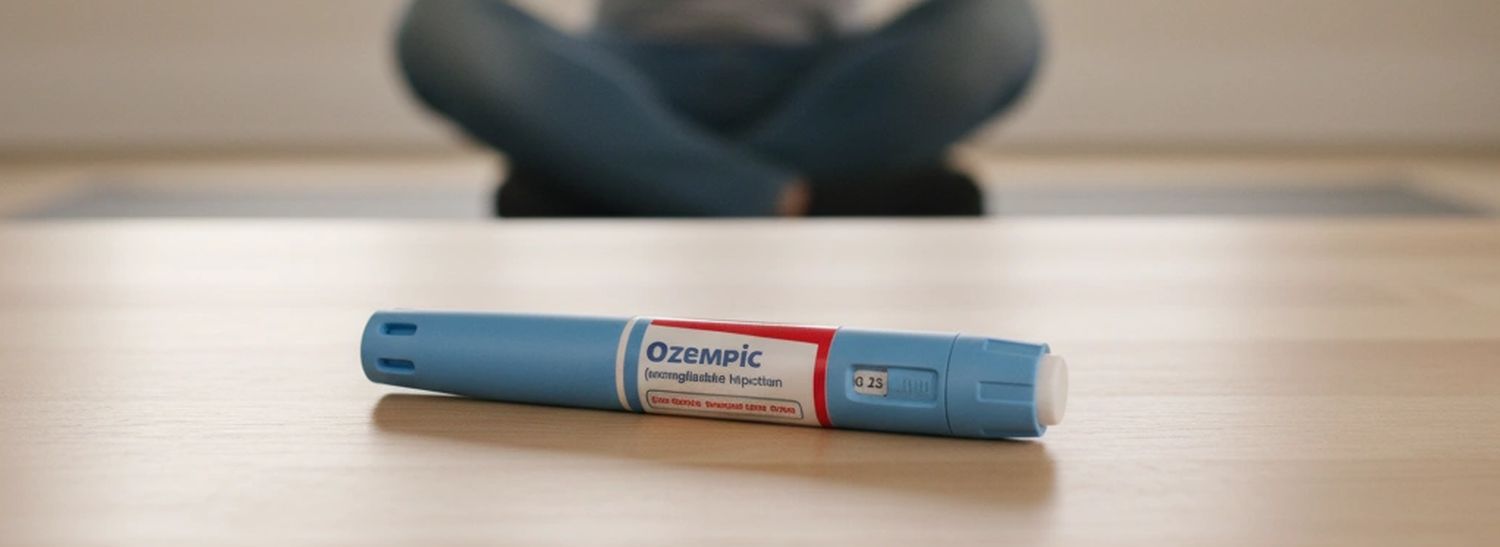
Weight loss surgery has been the gold standard for severe obesity for decades. Then GLP-1 medications like Ozempic arrived, and the conversation shifted. Now patients and providers are weighing a real question: is bariatric surgery still the best path, or can a weekly injection get you to the same place?
The honest answer is that it depends on where you’re starting, what your health goals are, and how much risk you’re willing to accept. Here’s a side-by-side look at both options so you can have a more informed conversation with your provider.
What Ozempic Actually Does
Ozempic is a brand-name GLP-1 receptor agonist containing semaglutide, approved for type 2 diabetes and widely prescribed off-label for weight loss. It works by mimicking a hormone your gut naturally releases after eating, which slows gastric emptying, reduces appetite, and signals your brain that you’re full.
In clinical trials, semaglutide at the higher dose used in Wegovy (2.4 mg weekly) produced average weight loss of about 15% of body weight over 68 weeks. That’s a meaningful result, but it varies considerably from person to person. Some patients lose more, some less, and weight typically returns if the medication is stopped.
You can learn more about what the research shows on semaglutide weight loss timelines and whether long-term use is appropriate for your situation.
What Bariatric Surgery Involves
Bariatric surgery is an umbrella term for several procedures that physically alter the digestive system to reduce food intake, absorption, or both. The most common options are:
Roux-en-Y gastric bypass: Reduces stomach size and reroutes the small intestine. Produces significant weight loss (typically 60-80% of excess weight) and has strong metabolic effects on diabetes, blood pressure, and cholesterol.
Sleeve gastrectomy: Removes roughly 80% of the stomach, leaving a sleeve-shaped pouch. Simpler than bypass with fewer complications but somewhat less dramatic metabolic benefits.
Adjustable gastric band: Less commonly performed today due to lower efficacy and higher revision rates compared to the procedures above.
Surgery requires general anesthesia, a hospital stay, a recovery period of several weeks, and significant dietary and lifestyle changes before and after the procedure.
Comparing the Outcomes
Here’s where things get interesting. Bariatric surgery consistently outperforms Ozempic on raw weight loss numbers, particularly for patients with a BMI over 40.
| Ozempic/Semaglutide | Bariatric Surgery | |
|---|---|---|
| Average weight loss | 10-15% body weight | 25-35% body weight |
| Diabetes remission | Significant improvement | Up to 80% remission rate |
| Durability | Requires ongoing medication | Long-lasting with lifestyle support |
| Reversibility | Fully reversible | Largely permanent |
| Risk level | Low (injectable medication) | Surgical risks apply |
| Upfront cost | Ongoing monthly cost | High one-time cost |
| Recovery time | None | Several weeks |
Surgery produces more dramatic and durable weight loss on average. But Ozempic is non-invasive, reversible, and accessible without a surgical team, hospital, or recovery period.
Who Is Each Option Better For?
This is the question that matters most, and the answer isn’t the same for every patient.
When Ozempic Makes More Sense
Consider this scenario: a patient with a BMI of 34, no major comorbidities, and a preference for avoiding surgery starts semaglutide and loses 12% of body weight over a year. That gets them to a healthy BMI with no procedure, no recovery, and no permanent anatomical changes. For this person, medication is a reasonable first-line approach.
Ozempic tends to be the better starting point when:
- BMI is under 35 with limited comorbidities
- The patient wants to avoid surgical risk
- Prior weight loss attempts have failed but surgery feels premature
- There are contraindications to anesthesia or surgery
- The patient wants to trial a reversible approach first
When Surgery Makes More Sense
Now consider a different patient: BMI of 48, type 2 diabetes that isn’t well-controlled, hypertension, and sleep apnea. Medication alone may not produce sufficient weight loss to meaningfully reverse these conditions. Surgery, in this case, may offer outcomes that medication simply can’t match.
Surgery tends to be the stronger option when:
- BMI is 40 or above, or 35 or above with serious comorbidities
- Metabolic conditions like diabetes need more aggressive intervention
- Previous medical weight loss attempts including GLP-1 medications have been insufficient
- The patient has been thoroughly evaluated and cleared for surgery
The Middle Path: Using Both
A growing number of providers are combining GLP-1 medications with surgery, either to help patients lose weight before a procedure (which reduces surgical risk) or to manage weight regain years after bariatric surgery. Some patients who plateau after surgery find that adding semaglutide or tirzepatide helps them resume progress.
This isn’t a scenario to navigate on your own. It requires close coordination with a bariatric surgeon and a prescribing provider who understands both approaches.
What the Research Shows
A 2022 study published in the New England Journal of Medicine examined the SURMOUNT-1 trial data on tirzepatide and noted that the weight loss achieved in some participants approached outcomes historically associated with bariatric surgery. This was notable because it suggested the gap between medication and surgery may be narrowing, at least for certain populations.
That said, long-term durability data for GLP-1 medications at the 5- and 10-year mark is still being collected. Bariatric surgery has decades of outcome data; these medications don’t yet.
Cost Comparison
Surgery typically runs $15,000 to $25,000 or more out of pocket, though many insurance plans cover it for qualifying patients. The upfront cost is high, but it’s a one-time expense.
Ozempic and Wegovy run $900 to $1,300 per month at retail without insurance coverage. That adds up quickly over time. Compounded semaglutide through a telehealth provider like TrimRx can reduce that cost significantly, making medication-based treatment more financially accessible for patients who don’t qualify for insurance coverage or prefer to avoid surgical costs entirely.
You can explore compounded semaglutide as an option if cost is a primary consideration in your decision.
The Reversibility Factor
One of the most underappreciated differences between these two options is reversibility. Stopping Ozempic returns your body to its pre-treatment state. What happens when you stop is worth understanding before you start, but the option to stop always exists.
Bariatric surgery is largely permanent. The anatomical changes made during a gastric bypass or sleeve gastrectomy are not easily undone. That permanence is part of why results are more durable, but it also means the decision carries more weight.
Making the Decision
Neither option is objectively better. Surgery offers more dramatic and durable results for patients with severe obesity and complex metabolic conditions. Ozempic and related GLP-1 medications offer a less invasive, reversible, and increasingly effective alternative for a broad range of patients.
The right choice depends on your BMI, your comorbidities, your risk tolerance, your financial situation, and what you’ve already tried. A provider who understands both options can help you weigh these factors honestly.
If you’re trying to figure out where you fall, start your assessment to see whether you’re a candidate for GLP-1 treatment through TrimRx.
This information is for educational purposes and is not medical advice. Consult with a healthcare provider before starting any medication. Individual results may vary.

Transforming Lives, One Step at a Time
Keep reading

Ozempic for Men: What’s Different
Men and women lose weight differently. That’s not a controversial statement; it’s biology. Hormonal profiles, fat distribution patterns, muscle mass, and metabolic rates all…

Metformin vs Ozempic for Weight Loss
Metformin has been a cornerstone of diabetes treatment for decades, and it’s often the first medication providers reach for when weight loss is part…

Rybelsus vs Ozempic: Pill vs Injection
Here’s a question that comes up often: if Rybelsus and Ozempic both contain semaglutide, why would you choose one over the other? The same…


