Ozempic vs Wegovy Cost: Why the Price Difference Exists
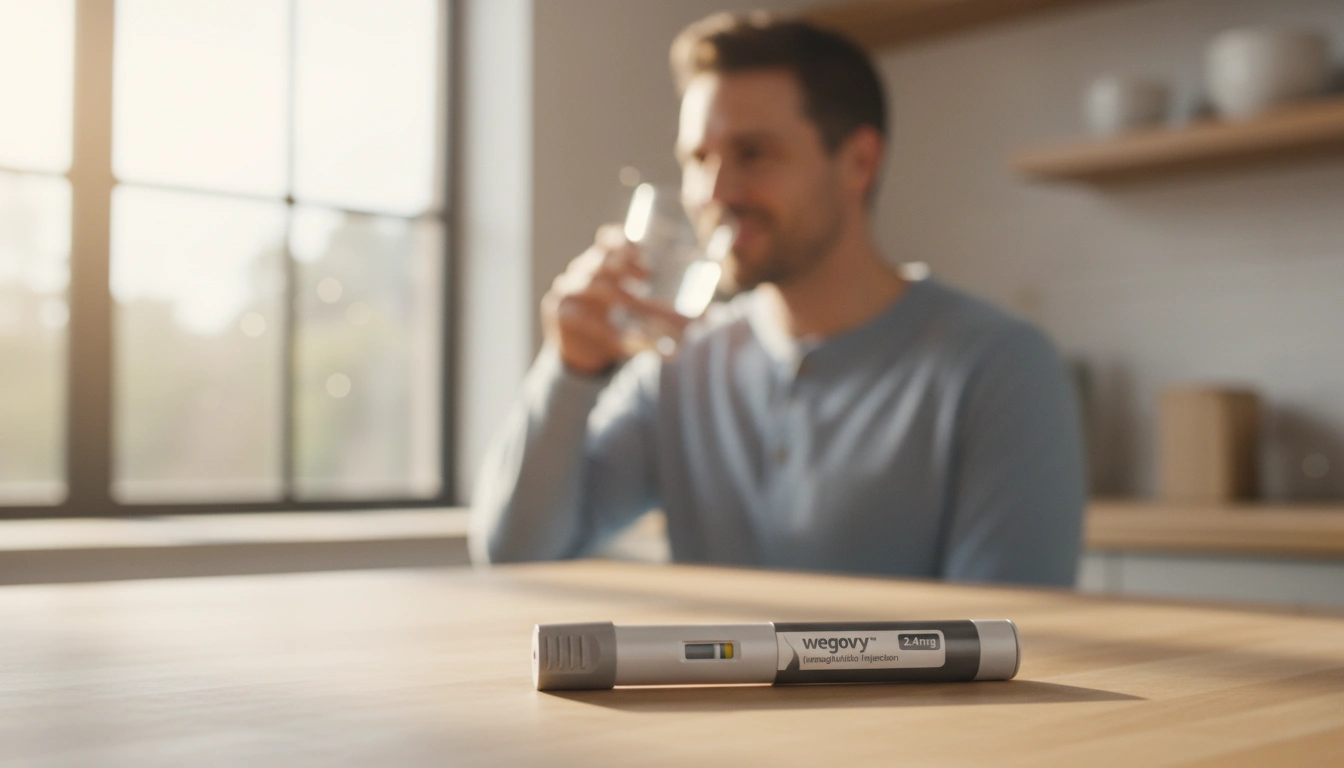
Ozempic and Wegovy both contain semaglutide. They’re made by the same manufacturer, Novo Nordisk, and they work through the same mechanism. Yet their list prices are different, their insurance coverage is handled differently, and the out-of-pocket experience for patients using one versus the other can vary significantly. If you’ve noticed this and wondered what’s actually going on, you’re asking the right question.
Understanding why these two medications are priced and covered differently helps you make a smarter decision about which one to pursue, and whether either brand-name version makes sense for your situation at all.
The Basic Price Breakdown
At retail without insurance, Ozempic lists at roughly $900 to $1,000 per month depending on the dose and pharmacy. Wegovy lists at approximately $1,300 to $1,400 per month. Both contain semaglutide. The price difference isn’t explained by the ingredient itself.
What drives the gap is a combination of approved indications, dosing differences, and how each medication is positioned in the market.
Why They’re Approved for Different Things
Ozempic was approved by the FDA in 2017 for the management of type 2 diabetes. It helps lower blood sugar and carries cardiovascular risk reduction labeling as well. Weight loss is a known effect, but it’s not the primary approved indication.
Wegovy was approved in 2021 specifically for chronic weight management in adults with obesity or overweight with at least one weight-related condition. It uses higher doses of semaglutide than Ozempic, topping out at 2.4mg weekly compared to Ozempic’s maximum of 2mg.
That approval difference matters enormously for pricing and coverage. Novo Nordisk invested substantially in the clinical trials required to earn Wegovy’s weight management approval, and that investment is reflected in the list price. The higher dose also contributes to cost.
How Insurance Treats Them Differently
This is where the practical impact becomes most visible for patients.
Ozempic is widely covered by insurance for patients with type 2 diabetes. Because diabetes is a well-established indication with decades of treatment precedent, most commercial insurers and Medicare Part D plans include Ozempic on their formularies. Patients with a diabetes diagnosis who qualify often pay relatively modest copays.
Wegovy coverage is far more inconsistent. Many commercial insurers either exclude GLP-1 medications for weight loss entirely or require burdensome prior authorization processes. Medicare Part D historically excluded weight loss medications altogether, though this has begun to shift in limited ways.
The result is that a patient with type 2 diabetes might access Ozempic for $25 to $50 per month through insurance, while someone seeking Wegovy for weight loss without the right insurance coverage faces the full list price. Does Insurance Cover Wegovy covers the coverage landscape in detail if you’re trying to determine whether your plan might include it.
The Off-Label Ozempic Situation
Because Ozempic is less expensive and more widely covered than Wegovy, many patients and providers have used it off-label for weight loss. This is legal and common. A provider can prescribe Ozempic to a patient who doesn’t have diabetes if they believe it’s appropriate for that patient’s care.
The catch is insurance. When Ozempic is prescribed off-label for weight loss, many insurers won’t cover it under that indication. You may end up paying out of pocket for Ozempic at a price that’s lower than Wegovy’s list price but still substantial.
For a deeper look at how these two medications compare beyond price, Wegovy Weight Loss Results outlines what the clinical data shows specifically for the weight management indication.
Dose Differences and What They Mean
The dosing difference between Ozempic and Wegovy is real and clinically relevant. Wegovy’s maximum dose of 2.4mg weekly is higher than what’s available through Ozempic, and higher doses generally produce greater weight loss in clinical studies.
Consider this scenario: a patient using Ozempic off-label for weight loss at the 1mg or 2mg dose may see meaningful results, but they’re not accessing the full dose range that Wegovy’s clinical trials were built around. For some patients this matters; for others, lower doses produce sufficient results.
This dose distinction is one reason Novo Nordisk prices Wegovy differently. It’s not just branding. The therapeutic profile, particularly at the 2.4mg maintenance dose, is distinct from what Ozempic offers.
Where Compounded Semaglutide Fits In
Here’s the thing that changes the calculus for many patients: compounded semaglutide sidesteps the Ozempic vs. Wegovy debate entirely.
FDA-registered compounding pharmacies can prepare semaglutide at a range of doses, including doses that match or exceed what’s available through either brand-name product, at prices that are substantially lower than both. Through a telehealth provider like TrimRx, compounded semaglutide typically runs between $179 and $400 per month depending on dose.
This means a patient can access therapeutic semaglutide doses, including higher doses comparable to Wegovy’s range, without paying brand-name prices for either version. The active ingredient is the same. Take the intake quiz to find out whether you’re a candidate.
Savings Programs for Each Medication
Both Ozempic and Wegovy have manufacturer savings cards through Novo Nordisk, and both share the same fundamental limitation: they’re designed for commercially insured patients whose plans cover the medication. Patients on Medicare, Medicaid, or without insurance generally can’t use them.
For patients who do have qualifying commercial insurance, the savings cards can bring monthly costs down considerably. Ozempic Coupon covers the specifics of Ozempic savings programs, and Wegovy Cash Price addresses what you’re actually looking at paying for Wegovy without coverage.
Making the Decision
If you have type 2 diabetes and commercial insurance that covers Ozempic, pursuing it through that coverage channel is probably your most straightforward path. If you’re seeking weight loss and have insurance that covers Wegovy, it’s worth going through the prior authorization process to access the higher-dose version.
If neither of those situations applies to you, which is true for a significant portion of people interested in semaglutide, the brand-name debate becomes somewhat academic. Compounded semaglutide gives you access to the same active ingredient at a price that makes sustained treatment realistic.
Research published in the New England Journal of Medicine (Wilding et al., 2021) showed that semaglutide produced average weight loss of nearly 15 percent of body weight over 68 weeks. Whether you access that through Ozempic, Wegovy, or a compounded version, the underlying pharmacology is the same.
Explore your semaglutide options at TrimRx to find the path that fits your situation and budget.
This information is for educational purposes and is not medical advice. Consult with a healthcare provider before starting any medication. Individual results may vary.

Transforming Lives, One Step at a Time
Keep reading

Ozempic vs Wegovy for Weight Loss: Which Should You Choose?
Two medications, same active ingredient, very different situations. Ozempic and Wegovy both contain semaglutide, both come from Novo Nordisk, and both produce meaningful weight…
Wegovy Savings Card: How It Works and Who Qualifies
The Wegovy savings card sounds like a straightforward solution to a very real problem. Wegovy lists at over $1,300 per month without insurance, and…

How to Appeal an Insurance Denial for Wegovy or Ozempic
Getting denied for Wegovy or Ozempic coverage is frustrating, but it’s also common, and it’s not the end of the road. Insurance denials for…


