Ozempic While Sick: Managing Colds, Flu, and Illness
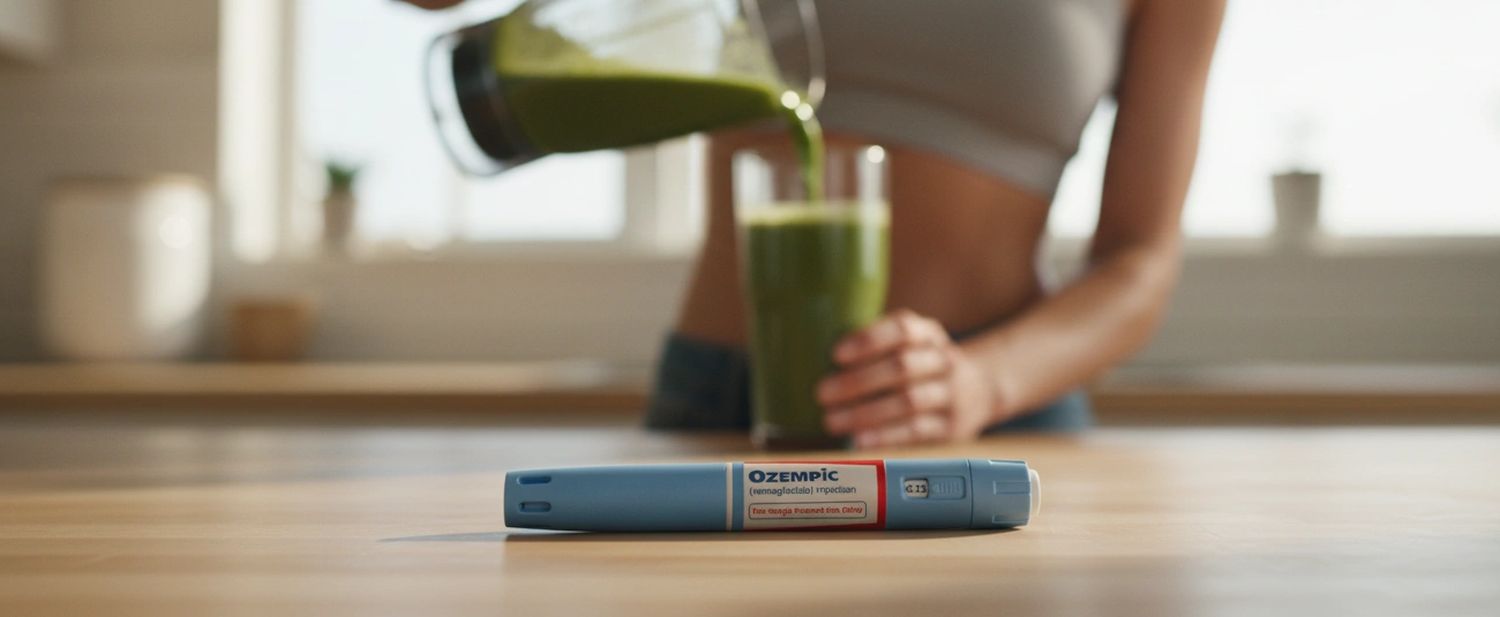
Getting sick while on Ozempic raises questions that don’t always have obvious answers. Should you take your dose as usual? What happens if you can’t keep food or fluids down? Will being sick affect how the medication works? These are practical concerns that come up regularly, and having a clear framework for handling illness during GLP-1 treatment can save you a lot of uncertainty in the moment.
The Core Challenge: Illness Compounds GI Side Effects
The most immediate issue with being sick while on Ozempic is that many common illnesses produce symptoms that overlap directly with semaglutide’s side effect profile. Nausea, vomiting, diarrhea, reduced appetite, and fatigue are all features of both GI illness and early GLP-1 treatment. When the two combine, the experience can be significantly more uncomfortable than either would be alone.
Ozempic already slows gastric emptying. When you’re sick with a stomach bug or flu and your gut is already under stress, that slowed motility means fluids and food move through your system even more slowly than usual. Dehydration risk goes up. Nausea can become more intense. And your ability to maintain the consistent eating and hydration that helps manage GLP-1 side effects is compromised.
Should You Take Your Ozempic Dose When Sick?
This is the question most patients want answered directly, and the honest answer is: it depends on the type and severity of illness, and you should involve your provider in that decision whenever possible.
For Mild Illness (Common Cold, Minor Congestion, Low-Grade Fever)
If your illness doesn’t involve significant GI symptoms and you’re able to eat and drink reasonably normally, taking your scheduled Ozempic dose is generally fine. A cold or upper respiratory infection doesn’t typically interfere with semaglutide’s mechanism or create meaningful additional risk. Stay well hydrated, eat what you can tolerate, and monitor how you feel after the injection.
For GI Illness (Stomach Bug, Vomiting, Diarrhea)
This is where more caution is warranted. If you’re actively vomiting, have significant diarrhea, or can’t keep fluids down, taking your Ozempic dose adds a layer of GI burden on top of an already stressed digestive system. More practically, severe dehydration combined with semaglutide’s effects can become a genuine medical concern.
Consider this scenario: a patient is three months into semaglutide treatment and comes down with a 48-hour stomach virus. They’re vomiting several times a day and can barely keep water down. Their scheduled injection day falls on day two of the illness. In this situation, most providers would recommend skipping or delaying that week’s dose until the acute illness resolves, then resuming the normal schedule.
For Fever and Flu
Moderate to high fever with body aches, significant fatigue, and reduced appetite can make the GI effects of Ozempic harder to tolerate. It also complicates hydration, which is already one of the more important management considerations on semaglutide. If you have the flu and your scheduled dose day arrives, contacting your provider for guidance is the right move rather than making the call independently.
What Happens If You Skip a Dose During Illness?
Ozempic has a long half-life of approximately one week, which is why it’s dosed weekly rather than daily. Missing a single dose during illness doesn’t mean the medication leaves your system immediately or that your progress is lost. The effect tapers gradually.
If you miss a dose, the general guidance is to take it as soon as you’re feeling well enough, provided your next scheduled dose is at least two days away. If your next dose is within two days, skip the missed dose and resume your regular schedule. Don’t double up to compensate.
One week off semaglutide won’t undo your progress. Appetite may return somewhat during that gap, which is worth knowing so it doesn’t feel alarming. It’s a temporary shift, not a sign the medication has stopped working.
Managing Hydration When Sick on Ozempic
Hydration is always important on GLP-1 medications, but it becomes more pressing during illness. When vomiting or diarrhea is present alongside semaglutide’s already-reduced thirst signals, dehydration can develop faster than you’d expect.
Practical strategies during illness include sipping small amounts of fluid frequently rather than trying to drink large volumes at once. Electrolyte solutions like Pedialyte or low-sugar sports drinks help replace what’s lost through vomiting or diarrhea more effectively than plain water alone. Broth, diluted juice, and herbal tea are easier on a stressed stomach than solid food and still contribute to fluid intake.
If you can’t keep any fluids down for more than 12 hours, that’s a situation that warrants a call to your provider or, depending on severity, urgent care.
Eating While Sick on Ozempic
Ozempic already suppresses appetite significantly. Illness suppresses it further. The combination can make eating feel completely unappealing, but complete food restriction during illness slows recovery and can contribute to the weakness and fatigue that makes being sick feel so miserable.
Focus on small, easily digestible foods when you can tolerate them. Plain crackers, toast, rice, bananas, and applesauce are gentler on a slowed, stressed gut than rich or high-fat foods. Protein matters for recovery, but during acute illness even a small amount of easily digestible protein, like broth or a soft-boiled egg, is better than nothing.
Medications to Watch During Illness
Over-the-counter cold and flu medications are worth a brief mention. Many contain ingredients that can interact with conditions relevant to semaglutide patients. Decongestants like pseudoephedrine can raise blood pressure and heart rate. NSAIDs like ibuprofen can affect kidney function, which is relevant for patients on multiple medications. Antihistamines can cause drowsiness that compounds the fatigue already present on GLP-1 treatment.
None of these are automatic contraindications, but they’re worth flagging with your provider or pharmacist, particularly if you’re managing other conditions alongside your GLP-1 treatment.
Getting Back on Track After Illness
Once you’re feeling better and resuming normal eating and hydration, semaglutide typically picks back up where it left off without requiring any special restart protocol. If you skipped a dose during illness and are resuming, follow the standard missed dose guidance: take your next dose on your regular scheduled day and continue from there.
Some patients notice slightly increased appetite or reduced satiety in the days after illness, particularly if they missed a dose. This is temporary and resolves once the medication is back at steady state, usually within a week.
For a broader look at how GLP-1 medications interact with overall health and wellbeing during treatment, the TrimRx clinical team is available to answer specific questions about managing your medication through illness and other disruptions to your routine.
If you haven’t started treatment yet and want to understand how semaglutide or tirzepatide might fit your health profile, the TrimRx intake assessment is a good place to begin that conversation.
This information is for educational purposes and is not medical advice. Consult with a healthcare provider before starting any medication. Individual results may vary.

Transforming Lives, One Step at a Time
Keep reading

Does Ozempic Affect Sleep: What Patients Experience
Sleep changes on Ozempic catch a lot of patients off guard. You might expect nausea or reduced appetite, but disrupted rest isn’t something most…

Ozempic and Gas: Why It Happens and How to Manage It
Gas is one of those Ozempic side effects that people don’t always bring up with their doctor but absolutely notice. Excess flatulence, bloating, and…

Ozempic and Burping: Why It Happens and How to Stop It
If you’ve started Ozempic and suddenly find yourself burping far more than usual, you’re in good company. Excessive belching is one of the more…


