TrimRx's Blog
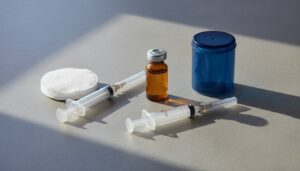
Subcutaneous vs Intramuscular Testosterone
On paper, the difference is simple. Subcutaneous testosterone goes into fat beneath the skin. Intramuscular testosterone goes into muscle.

Stress Cortisol and Testosterone
At 11:40 p.m., he is still answering work messages. His shoulders are tight. His mind will not slow down.


SSRIs for Premature Ejaculation Explained
The old explanation says antidepressants help premature ejaculation because the problem is “all in your head.” That misses the point.

Spironolactone for Hair Loss
The widening part usually announces itself in small ways: more hair in the shower, a thinner crown, a ponytail that no longer feels as substantial.

Smoking and Erectile Dysfunction
A cigarette can change the conditions for an erection before a person notices anything wrong elsewhere. Nicotine acts quickly on blood vessels.

Sleep and Testosterone: How Rest Affects Male Hormones
At 2:17 in the morning, you reach for your phone without fully waking up.


Sildenafil vs Viagra Brand: What Is the Difference?
Is sildenafil the same as Viagra? Yes. Viagra is the brand name.


