Photo Food Logging: Lower-Effort Tracking That Works
Introduction
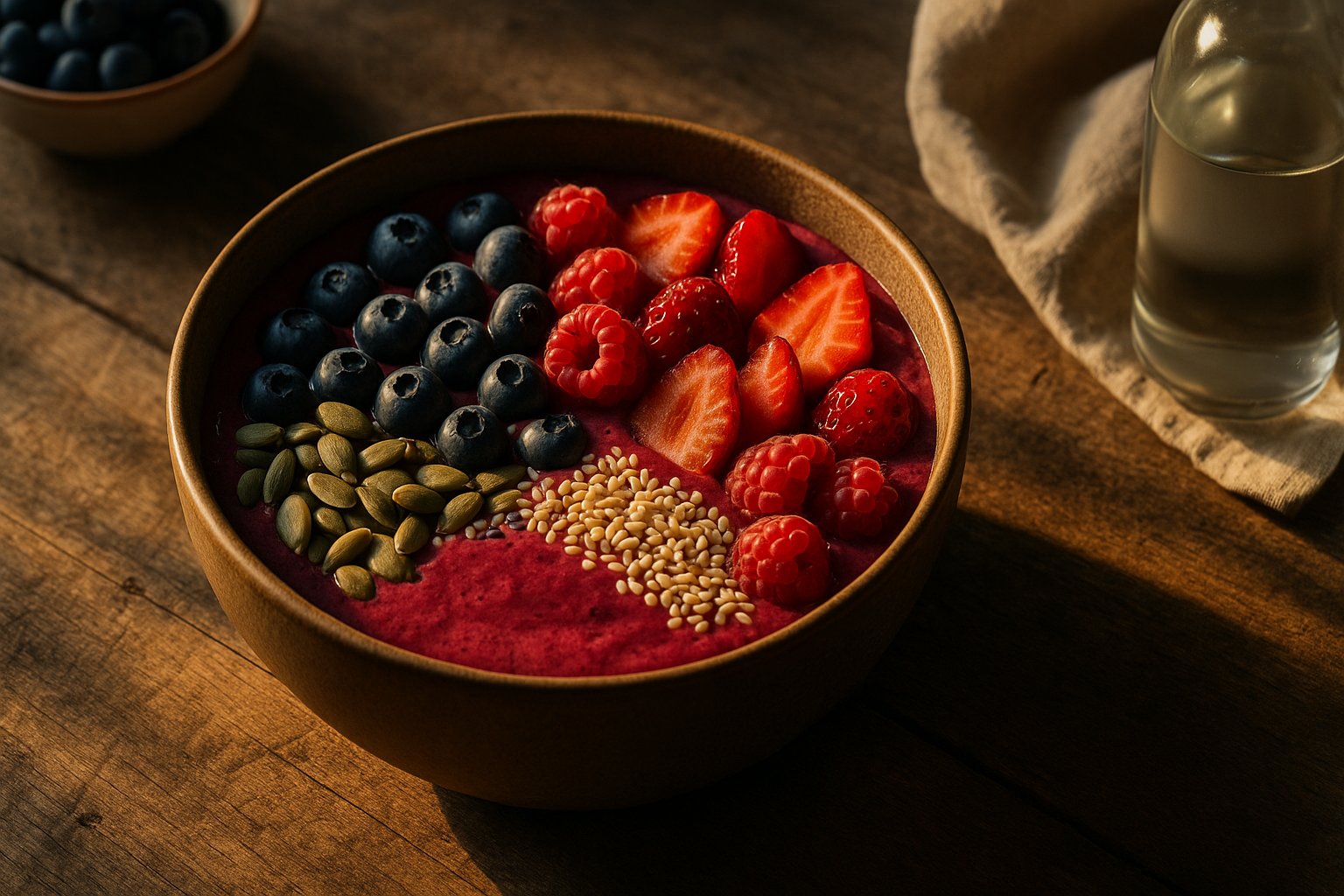
Photo food logging is one of the lowest-effort ways to track eating, and that low effort is exactly why it works on a GLP-1. Instead of typing every ingredient into an app, you snap a picture of your plate. The whole process takes a few seconds, which means you are far more likely to keep doing it on the low-appetite, low-energy days when detailed logging falls apart.
The method trades precision for sustainability, and on a GLP-1 that is often the right trade. The medication handles much of the appetite control, so you do not need exact calorie counts as much as you need awareness and consistency. For anyone on Ozempic®, Wegovy®, Mounjaro®, or Zepbound®, a photo log is a realistic way to stay engaged without burning out.
At TrimRx, we believe the best tracking method is the one you keep doing. If you want to see whether a personalized program fits you, you can take the free assessment quiz.
At TrimRx, we believe that understanding your options is the first step toward a more manageable health journey. You can take the free assessment quiz if you’re ready to see whether a personalized program is a fit for you.
What Is Photo Food Logging?
Photo food logging is tracking your meals by taking a picture of each one instead of entering every item into an app. The photo itself becomes the record, capturing what and roughly how much you ate in a couple of seconds.
Quick Answer: Photo food logging means snapping a picture of each meal instead of entering every item, which is far lower effort than detailed tracking.
The appeal is simplicity. Traditional logging requires identifying each food, estimating portions, and entering them, which is a real chore. A photo skips all of that. You point your phone at the plate and you are done. You can keep the photos in a dedicated album or use an app that organizes them. The result is a visual food diary that builds awareness and gives you something to review later, without the friction that causes most people to quit detailed tracking.
Why Does Photo Logging Work Well on a GLP-1?
It works because reduced appetite and energy make detailed logging hard to sustain, and a photo takes almost no effort. On a GLP-1, the motivation to log a complex meal often disappears alongside hunger, and that is exactly when a quick photo still gets done.
The medication does much of the appetite control, so precise calorie counting matters less than simply staying aware of what you eat. A photo log keeps that awareness alive with minimal effort, which means it survives the low days that derail other methods. It also creates a visual record of whether you ate at all, which is useful on a GLP-1 where some days you eat very little. The low barrier is the whole point, since consistency beats precision for most people on these medications.
What Are the Benefits of a Photo Food Log?
The main benefits are low effort, built-in awareness, and a reviewable record of patterns. Each addresses a common tracking problem in a way that suits GLP-1 eating.
Low effort keeps you consistent, which is the single biggest factor in whether tracking helps. The act of photographing food also creates a pause that builds mindfulness, making you more aware of what and how much you are eating. Over time, the album becomes a record you can scroll back through to spot patterns, like noticing you skip protein on busy days or eat very little on dose-increase days. You get much of the value of tracking, awareness and pattern recognition, without the precise numbers that make traditional logging feel like work.
What Are the Limits of Photo Logging?
The main limit is precision, since a photo does not give you exact calories or protein grams. If you need precise numbers for a specific goal, photo logging alone will not provide them.
A photo shows roughly what you ate but not the exact macros, so you cannot confirm a precise protein total from the image alone. This matters because protein is the priority on a GLP-1, and “looks like enough” is not always accurate. The fix is pairing the photo with a quick protein note, which keeps the effort low while adding the one number that matters most. Photo logging is best understood as an awareness and consistency tool, not a precision instrument. For most GLP-1 users that trade is worthwhile, but know what you are giving up.
Key Takeaway: A photo log builds awareness and creates a record you can review for patterns, even without exact numbers.
How Do You Combine Photo Logging with Protein Tracking?
Pair the photo with a quick mental or written protein estimate, so you keep effort low while tracking the number that matters. The photo confirms you ate and captures the meal, while a brief note tracks whether you hit your protein target.
A simple approach: take the photo, then add a quick estimate of the protein, like “chicken, about 30 grams.” This takes seconds and gives you the one metric that protects muscle on a GLP-1, where the target is 25-35 grams per meal. Some apps let you photograph a meal and add a quick protein note in one place. Others use the camera roll plus a simple running tally. Either way, the combination keeps logging fast enough to sustain while ensuring you do not lose track of protein, which is the part that genuinely affects your results.
Who Is Photo Logging Best For?
Photo logging is best for people who find detailed tracking exhausting but do not want to track nothing at all. It is a sustainable middle ground between obsessive logging and flying blind.
It suits GLP-1 users especially well because the medication reduces the need for precise calorie counting, leaving awareness and protein as the main goals. It also helps people who have a history of getting overwhelmed or fixated by detailed tracking, since the lower effort and reduced number focus can feel healthier. People who genuinely need exact macros for a specific reason may want to add more structure. But for the large group who simply want to stay aware and consistent without the burden of full logging, a photo log paired with a protein note is often the right fit.
The Path Forward with Sustainable Tracking
Photo food logging gives you awareness and consistency at a fraction of the effort of detailed tracking, which is exactly what survives the low-appetite days of GLP-1 treatment. Paired with a quick protein note, it covers the metric that matters most.
At TrimRx, our programs pair compounded GLP-1 treatment with practical guidance on building habits you can actually keep, including low-effort tracking that supports rather than stresses you. If you want to see how a personalized plan fits your life, the free assessment quiz is a simple starting point. The goal is a method light enough that you never have a reason to quit.
Bottom line: Photo logging is a sustainable middle ground between obsessive tracking and tracking nothing at all.
FAQ
What Is Photo Food Logging?
Photo food logging is tracking meals by taking a picture of each one instead of entering every item into an app. The photo becomes a visual record of what and roughly how much you ate, capturing it in a couple of seconds.
Does Photo Logging Work on a GLP-1?
Yes, well. Reduced appetite and energy make detailed logging hard to sustain, while a photo takes almost no effort, so it survives the low days. The medication handles much of the appetite control, so awareness matters more than exact calorie counts.
Can I Track Protein with Photo Logging?
Photos alone do not show exact protein, so pair each one with a quick note like “chicken, about 30 grams.” This keeps effort low while capturing the metric that protects muscle, with a target of 25-35 grams of protein per meal on a GLP-1.
Is Photo Logging as Good as Detailed Tracking?
It trades precision for sustainability. You lose exact calorie and macro numbers but gain awareness and consistency that detailed tracking often loses to burnout. For most GLP-1 users, who need awareness and protein more than precise counts, that trade is worthwhile.
Who Should Use Photo Food Logging?
It suits people who find detailed tracking exhausting but want to stay aware, and anyone with a tendency to fixate on numbers. It fits GLP-1 users especially, since the medication reduces the need for precise calorie counting and leaves awareness and protein as the priorities.
What App Should I Use for Photo Food Logging?
You can use a simple camera-roll album or an app that organizes meal photos and lets you add a quick protein note. The exact tool matters less than keeping it low effort, since the whole point is a method light enough that you keep doing it.
Disclaimer: This content is for informational purposes only and does not constitute medical advice. It is not intended to diagnose, treat, cure, or prevent any disease or condition. Individual results may vary. Always consult a qualified healthcare professional before starting any weight loss program or medication.

Transforming Lives, One Step at a Time
Keep reading
What Labs Should Your Doctor Run Now That You’re on a GLP-1?
There is no universal panel, and anyone handing you a fixed list is guessing about your situation. What gets checked depends on what conditions…
Can’t Eat Enough Protein on a GLP-1? Why It Matters and What Helps
This is one of the most common difficulties on these medications, and the tension in your question is real: protein is the thing most…
Type 2 Diabetes Medications and a New GLP-1: What to Tell Your Doctor
Tell whoever prescribed the GLP-1 exactly what diabetes medications you take, at what doses, before your first injection. That conversation needs to happen first,…


