Popcorn on Ozempic: Navigating Your Food Choices for Weight Loss Success
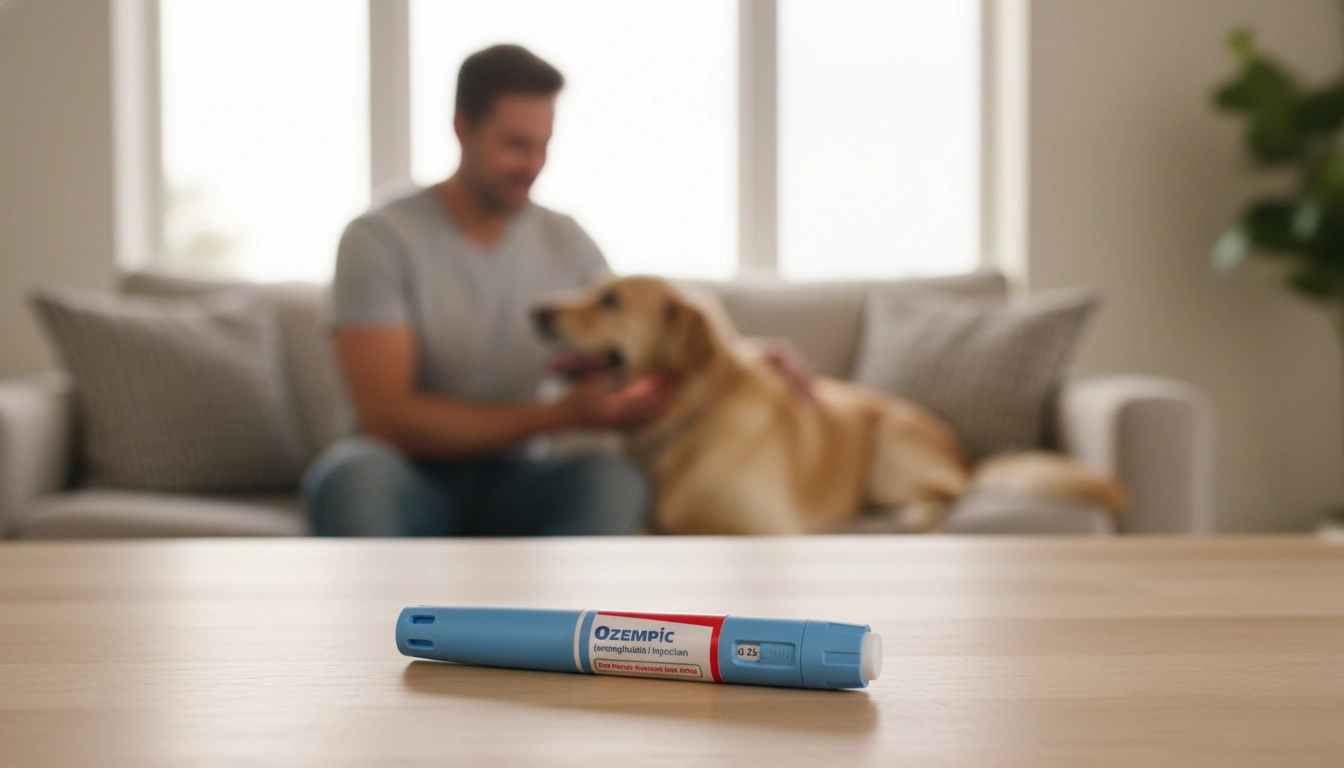
Introduction
Embarking on a weight loss journey often means re-evaluating our relationship with food. It’s a path filled with new habits, conscious choices, and sometimes, a longing for familiar comforts. If you’re navigating this path with medications like Ozempic, a common question arises: can I still enjoy my favorite snacks, such as popcorn? This query speaks to a broader need for clarity around dietary choices while on GLP-1 receptor agonists, which profoundly impact digestion and satiety. Understanding how these medications interact with the foods we consume is paramount to maximizing their benefits and minimizing potential discomfort.
At TrimRx, our journey began with a shared vision to help individuals embrace healthier lifestyles by merging cutting-edge telehealth innovations with effective weight loss solutions. Our platform is a user-friendly and supportive space where individuals receive personalized, medically supervised care—all designed to make sustainable weight loss attainable and tailored to the individual. We believe that sustainable weight loss should be achieved through science, empathy, and a transparent approach. This blog post aims to shed light on how to make informed dietary decisions, including whether popcorn fits into your plan, while highlighting our commitment to your well-being.
This comprehensive guide will delve into the mechanisms of GLP-1 medications like Ozempic, explore the specific considerations for various food types, and provide practical strategies for building a supportive eating plan. We will address the role of fiber, fats, and sugars in your diet and how they interact with the medication’s effects, ensuring you have the knowledge to make choices that align with your health goals. Our goal is to empower you with actionable insights, helping you navigate your weight loss journey with confidence and support. By the end of this article, you will have a clearer understanding of how to enjoy a balanced diet, including snacks like popcorn, while effectively managing your weight with medications and the comprehensive support we offer.
Understanding GLP-1 Medications and Their Impact on Your Body
Glucagon-like peptide-1 (GLP-1) receptor agonists, such as Ozempic (semaglutide), have emerged as significant tools in both diabetes management and weight loss. These medications mimic the action of a natural hormone, GLP-1, which plays a crucial role in several bodily functions related to metabolism and appetite. To truly understand how to optimize your diet while on these medications, it’s essential to grasp their multifaceted mechanisms.
The Science Behind GLP-1 Agonists
GLP-1 receptor agonists work in several key ways:
Regulating Blood Sugar Levels
For individuals managing type 2 diabetes, GLP-1s stimulate insulin release in a glucose-dependent manner, meaning insulin is secreted only when blood sugar levels are high. This helps to lower blood glucose without significantly increasing the risk of hypoglycemia. Simultaneously, they reduce glucagon secretion, a hormone that raises blood sugar, further contributing to stable glucose levels. Medications like Ozempic, Mounjaro®, Zepbound®, and Wegovy® are at the forefront of this therapeutic approach, with specific FDA approvals reflecting their distinct indications for blood sugar regulation and/or weight management. We ensure that our medication offerings, including these branded options, are provided through FDA-registered, inspected, and approved pharmacies.
Slowing Gastric Emptying
One of the most impactful effects of GLP-1s on diet is the slowing of gastric emptying. This means that food remains in your stomach for a longer period before moving into the small intestine. This physiological change contributes to an extended feeling of fullness and satiety, helping to reduce overall food intake. While beneficial for weight loss, this slower digestion can also influence how your body tolerates certain foods, potentially leading to gastrointestinal discomfort if not managed correctly.
Reducing Appetite and Cravings
Beyond the physical sensation of fullness, GLP-1s also act on the brain’s appetite centers, influencing signals that regulate hunger and satiety. This can lead to a significant reduction in appetite and a decrease in cravings, making it easier to adhere to a reduced-calorie diet. This dual action—slowing digestion and altering hunger signals—makes GLP-1 medications powerful allies in sustainable weight management.
Why Food Choices Matter More on GLP-1s
Given these profound changes in digestion and appetite, your food choices become even more critical when taking medications like Ozempic. The medication fundamentally alters how your body processes and responds to food. Poor food choices can exacerbate common side effects such as nausea, bloating, constipation, or diarrhea. Conversely, selecting nutrient-dense foods can enhance the medication’s effectiveness, improve your comfort, and ensure you receive adequate nutrition despite reduced intake. Our approach at TrimRx emphasizes this holistic view, offering a comprehensive service that includes doctor consultations, medication, lab work, unlimited support, and shipping with no hidden fees, all designed to guide you through this transformative journey.
Understanding these impacts forms the foundation for making informed decisions about your diet. It’s not just about what you eat, but how your body processes it, and how those processes are now modulated by the medication. For those seeking a tailored plan that considers these intricacies, we encourage you to take our free assessment quiz to see if you qualify for our personalized weight loss programs, which may include options like Compounded Semaglutide, Oral Semaglutide, or Compounded Tirzepatide.
The Popcorn Question: Can I Eat Popcorn While on Ozempic?
The question of whether “can I eat popcorn while on Ozempic” is a frequent one, symbolizing a common desire to maintain enjoyable routines while embarking on a new health regimen. The short answer is often yes, but with crucial caveats related to preparation, portion size, and individual tolerance.
Popcorn: A Whole Grain Perspective
Popcorn, in its simplest form, is a whole grain. Whole grains are generally recognized for their health benefits, including being rich in dietary fiber, which is vital for digestive health and can contribute to feelings of fullness. A typical 3-cup serving of air-popped popcorn contains a notable amount of fiber, along with antioxidants and other nutrients. This nutritional profile makes plain popcorn a potentially beneficial snack for many.
However, the impact of popcorn on individuals taking GLP-1 medications like Ozempic is nuanced due to the medication’s effect on gastric emptying. The fiber content, while usually advantageous, can sometimes contribute to discomfort when digestion is slowed.
Preparation: The Deciding Factor
The way popcorn is prepared is perhaps the most significant determinant of its suitability while on Ozempic:
- Plain, Air-Popped Popcorn: This is generally the most recommended option. Without added butter, excessive oils, sugar, or heavy seasonings, air-popped popcorn remains a low-calorie, high-fiber snack. This aligns well with the dietary principles often encouraged on GLP-1s, focusing on nutrient density and avoiding ingredients that could exacerbate gastrointestinal issues.
- Buttered or Oily Popcorn: The addition of butter or excessive oil significantly increases the fat content. High-fat foods are known to slow digestion further and can be particularly problematic for individuals on Ozempic. The combination of already slowed gastric emptying from the medication and the inherent slow digestion of fats can lead to increased nausea, bloating, and prolonged feelings of uncomfortable fullness.
- Sweetened Popcorn (e.g., Caramel Corn): Sweetened varieties introduce a large amount of added sugars. While GLP-1s help regulate blood sugar, consuming excessive simple sugars can still lead to rapid spikes, counteracting some of the medication’s benefits for glucose control. For those focused on weight loss, these calorie-dense, low-nutrient options are also counterproductive.
- Heavily Seasoned Popcorn: Some seasonings can be high in sodium, artificial flavors, or even fat, which should be monitored. Spicy seasonings might also irritate a sensitive stomach, which can be more pronounced on GLP-1s.
Individual Tolerance and Portion Control
Even with ideal preparation, individual tolerance to popcorn can vary widely. Some patients on Ozempic report no issues with plain popcorn, while others find that its bulkiness and fiber content lead to uncomfortable bloating or a persistent feeling of being overfull. This is largely due to the delayed gastric emptying, where a volume of food that once felt manageable now sits in the stomach for an extended period.
Therefore, moderation and careful observation are key. Starting with very small portions (e.g., 1-2 cups of air-popped popcorn) and monitoring your body’s response is a sensible approach. If you experience discomfort, it may be best to temporarily reduce or avoid popcorn, or explore alternative snacks. This personalized approach to diet is at the core of our philosophy at TrimRx, recognizing that every individual’s journey is unique. We provide ongoing support and guidance through our programs, enabling you to discover what truly works best for your body.
Navigating Side Effects and Optimizing Your Diet
The effectiveness of GLP-1 medications in weight management is undeniable, but it often comes with a period of adjustment as your body acclimates to their effects. Common gastrointestinal side effects can range from mild to significant, underscoring the importance of strategic dietary choices. Understanding which foods to embrace and which to limit can make a substantial difference in managing these symptoms and enhancing your overall well-being.
Common Gastrointestinal Side Effects and Dietary Triggers
GLP-1s like Ozempic, Compounded Semaglutide, and Compounded Tirzepatide work by slowing gastric emptying and affecting appetite. While beneficial, these mechanisms can also lead to:
- Nausea and Vomiting: Often triggered by eating too much, too quickly, or consuming rich, fatty, or sugary foods that are difficult to digest.
- Bloating and Abdominal Discomfort: Can be worsened by high-fat foods, carbonated beverages, and some high-fiber foods, especially when digestion is slow.
- Constipation: A common side effect that can be exacerbated by inadequate fluid intake and insufficient dietary fiber from beneficial sources, or paradoxically, by excessive intake of certain difficult-to-digest fibers.
- Diarrhea: Less common but can occur, often linked to very high-fat meals or food sensitivities.
To mitigate these, we recommend focusing on foods that support a gentle digestive process while providing ample nutrition.
Foods to Prioritize for Comfort and Effectiveness
When using GLP-1 medications, prioritizing nutrient-dense, easily digestible foods is crucial. We empower our members to make these informed choices, knowing that a balanced diet complements the medication’s action.
Lean Proteins
Protein is paramount on a GLP-1 journey. Since these medications can significantly reduce overall food intake, ensuring adequate protein helps preserve muscle mass during weight loss, a critical component of healthy metabolism. Aim for 1.2-1.5 grams of protein per kilogram of body weight daily, and try to eat protein first at each meal.
- Examples: Skinless chicken or turkey breast, fish (like cod, salmon, or tuna), tofu, lentils, beans, low-fat Greek yogurt, cottage cheese, and leaner cuts of beef or pork.
- Benefits: Promotes satiety, supports muscle maintenance, and provides essential amino acids without excessive fat that could slow digestion.
Non-Starchy Vegetables
These vegetables are high in fiber, vitamins, and minerals but low in calories, making them excellent for satiety and nutrient intake without causing blood sugar spikes.
- Examples: Leafy greens (spinach, kale), broccoli, cauliflower, bell peppers, cucumbers, zucchini, asparagus, and mushrooms.
- Benefits: Aids digestion, provides vital micronutrients, and helps manage blood sugar levels, complementing the action of medications like Ozempic, Zepbound®, or Wegovy®.
Healthy Fats
While high-fat foods should be limited, incorporating healthy fats in moderation is important for nutrient absorption and satiety. These should be consumed in smaller quantities, especially early in treatment.
- Examples: Avocado, olive oil, nuts (almonds, walnuts – in small, measured portions), and seeds (chia, flax – also in moderation).
- Benefits: Supports overall health, provides sustained energy, and helps absorb fat-soluble vitamins.
Whole Grains (in Moderation)
Whole grains, including plain popcorn, can provide fiber and sustained energy. However, their intake should be carefully managed due to potential bulkiness and impact on gastric emptying.
- Examples: Brown rice, quinoa, oatmeal, and plain, air-popped popcorn.
- Benefits: Source of fiber, supports gut health, and offers a steadier release of glucose compared to refined grains.
Foods to Moderate or Avoid
To minimize side effects and optimize medication efficacy, certain food groups are best limited or avoided, especially during the initial phases of treatment.
Sugary Foods and Beverages
These can lead to rapid blood sugar spikes, counteract GLP-1 effects, and often contribute excess calories without significant nutrition.
- Examples: Sodas, sweetened juices, candy, cakes, cookies, and highly processed desserts.
High-Fat and Fried Foods
These are notorious for slowing digestion and are primary culprits for nausea, bloating, and indigestion on GLP-1s.
- Examples: Fried chicken, greasy fast food, pizza, creamy sauces, rich pastries, and fatty cuts of red meat.
Highly Processed Foods
Often high in unhealthy fats, sugars, and sodium, these offer minimal nutritional value and can exacerbate GI symptoms.
- Examples: Packaged snacks, processed meats, instant meals, and many convenience foods.
Alcohol
Alcohol can irritate the stomach and interfere with blood sugar regulation. It’s generally advisable to limit or avoid alcohol while on GLP-1 medications due to potential for increased stomach upset.
Making these dietary shifts can feel challenging, but you don’t have to navigate it alone. Our compassionate care respects every individual’s unique journey, combining advanced medical science with modern technology. For those who are not yet ready for prescription medications or wish for additional support, our immediate support supplements, GLP-1 Daily Support and Weight Loss Boost, are available to support overall wellness during your weight loss journey.
Crafting Your Personalized Diet on Ozempic with TrimRx
Embracing a weight loss journey with medications like Ozempic, Wegovy®, or our specialized compounded options is a transformative experience that thrives on personalization. At TrimRx, we understand that every individual’s body, preferences, and challenges are unique. Our approach is centered around creating a sustainable, effective plan that seamlessly integrates with your lifestyle while optimizing the benefits of your medication.
The Power of Individualized Care
General dietary guidelines offer a starting point, but true success lies in customization. What works well for one person on a GLP-1 medication might cause discomfort for another. Factors such as your specific medical history, pre-existing digestive sensitivities, activity level, and even cultural food preferences all play a role in defining the “best” diet for you. This is why our model emphasizes a medically supervised, personalized approach.
Our process begins with understanding you. We don’t believe in one-size-fits-all solutions. Instead, we offer a pathway to a tailored plan that considers your unique physiological responses to medication and food. This personalized approach helps mitigate side effects, maximize weight loss, and ensure nutritional adequacy.
Key Strategies for a Supportive Eating Plan
Beyond specific food choices, adopting certain eating habits can significantly enhance your experience on GLP-1 medications:
Mindful Eating and Portion Control
The slowed gastric emptying caused by medications like Compounded Semaglutide or Oral Tirzepatide means that your stomach takes longer to signal fullness. This offers a unique opportunity to practice mindful eating.
- Eat Slowly: Savor each bite, allowing your body time to register satiety. Put your fork down between bites.
- Start Small: Serve yourself smaller portions than you typically would. Wait 15-20 minutes before considering a second helping. You might be surprised at how satisfied you feel with less.
- Listen to Your Body: Pay close attention to hunger and fullness cues. Distinguish between true hunger and emotional eating or cravings.
Hydration is Non-Negotiable
Adequate fluid intake is crucial for several reasons:
- Digestion: Water aids in the smooth passage of food through the digestive tract, which is especially important when gastric emptying is slowed, helping to prevent constipation.
- Satiety: Sometimes, what feels like hunger is actually thirst. Drinking water before meals can help reduce overall food intake.
- Managing Side Effects: Staying well-hydrated can help alleviate nausea and fatigue, common side effects of GLP-1 medications.
- Recommendation: Aim for at least 8 glasses of water daily, and more if you are physically active or in a warm climate.
Timing of Meals and Snacks
Some individuals find that spreading their food intake across smaller, more frequent meals throughout the day works better than three large meals. This can help prevent overfilling the stomach and reduce the likelihood of discomfort. Experiment with meal timing to find what feels best for your body and your schedule.
Keep a Food Journal
Tracking what you eat, when you eat it, and how you feel afterward can provide invaluable insights. A food journal can help you identify trigger foods that cause discomfort and recognize patterns that contribute to your success. This self-awareness is a powerful tool in refining your personalized diet.
How TrimRx Supports Your Journey
At TrimRx, our innovative and trustworthy platform is designed to provide comprehensive support every step of the way. We partner with FDA-registered and inspected pharmacies to ensure the safe and reliable delivery of your weight loss medications, which may include Compounded Semaglutide, Oral Semaglutide, Ozempic®, Compounded Tirzepatide, Oral Tirzepatide, Mounjaro®, Zepbound®, and Wegovy®. It must be clear that TrimRx partners with these pharmacies for the shipping of weight loss medications and does not provide actual medical supervision; however, our comprehensive service includes expert doctor consultations and unlimited support to guide you.
Our personalized programs begin with a free assessment quiz to determine your eligibility and tailor a treatment plan specifically for you. This commitment to transparent service—highlighting that our approach remains consistent regardless of dosage changes—and our focus on safety by working exclusively with FDA-registered and inspected pharmacies, ensures a supportive environment for your weight loss goals.
For those looking for additional daily support or quick-access options, we also offer our specialized supplements. Consider our GLP-1 Daily Support to help maintain healthy metabolic function and our Weight Loss Boost for enhancing energy and fat metabolism. These supplements are designed to complement your weight loss journey and are available for immediate purchase without requiring a quiz.
Our Commitment to Your Weight Loss Success
Embarking on a weight loss journey is a significant undertaking, and at TrimRx, we are dedicated to being your steadfast partner. Our vision, born from a desire to merge cutting-edge telehealth with effective weight loss solutions, is focused entirely on you. We believe that sustainable weight loss should be achieved through science, empathy, and a transparent approach, providing a user-friendly and supportive space where individuals receive personalized, medically supervised care.
Our brand is empathetic, innovative, trustworthy, supportive, results-oriented, and personalized. We offer compassionate care that respects every individual’s unique journey by combining advanced medical science with modern technology. We are committed to transparent service, highlighting that our approach remains consistent regardless of dosage changes. Your safety is paramount, which is why we work exclusively with FDA-registered and inspected pharmacies for the shipping of weight loss medications. While TrimRx partners with these pharmacies for medication delivery, we do not provide actual medical supervision; however, our comprehensive service includes doctor consultations, medication, lab work, unlimited support, and shipping with no hidden fees, ensuring a holistic and supportive experience.
We provide access to a range of clinically proven solutions, including Compounded Semaglutide, Oral Semaglutide, Ozempic®, Compounded Tirzepatide, Oral Tirzepatide, Mounjaro®, Zepbound®, and Wegovy®. To discover which personalized treatment plan is right for you, we encourage you to take our free assessment quiz. For immediate support that complements your weight loss efforts, consider our GLP-1 Daily Support supplement. Additionally, our Weight Loss Boost offers a convenient way to enhance your metabolic health and energy. These quick-access supplements are available for immediate purchase to support overall wellness during the weight loss journey.
We are here to guide you, offering the tools, knowledge, and support needed to achieve and maintain a healthier lifestyle. Your success is our mission, and we are committed to providing the highest quality of care and comprehensive solutions for safe, effective weight loss.
Conclusion
Navigating your diet while on medications like Ozempic requires thoughtful consideration and a personalized approach, especially when it comes to beloved snacks like popcorn. We’ve explored how GLP-1 receptor agonists impact your body’s digestion and appetite, underscoring the importance of mindful food choices. Plain, air-popped popcorn can indeed be a part of a balanced diet on Ozempic, provided it’s consumed in moderation and you remain attentive to your body’s unique responses. The key lies in avoiding high-fat, high-sugar preparations that can exacerbate common gastrointestinal side effects and undermine your weight loss goals.
Prioritizing lean proteins, non-starchy vegetables, and healthy fats, while managing portion sizes and staying well-hydrated, forms the cornerstone of a supportive eating plan. This strategic approach not only helps to mitigate discomfort but also enhances the overall effectiveness of your medication, paving the way for sustainable weight loss.
At TrimRx, we are dedicated to supporting you through every step of this journey. Our platform offers personalized, medically supervised care, integrating cutting-edge telehealth with effective weight loss solutions. We believe that with the right guidance, education, and support, you can achieve your health goals safely and effectively. Whether you’re seeking a tailored prescription plan or complementary immediate-support supplements, we provide the resources to empower your success. We encourage you to continue learning, experimenting with foods that make you feel your best, and leveraging the expert support available through our comprehensive programs. Your path to a healthier, more vibrant life is within reach.
Frequently Asked Questions
What foods should I absolutely avoid while taking Ozempic to prevent side effects?
While no foods are strictly “forbidden” by the FDA label for Ozempic, it’s highly recommended to significantly limit or avoid foods that are high in fat (especially fried or greasy foods), high in sugar (sugary drinks, desserts, candies), and highly processed foods. These types of foods tend to slow digestion further and can intensely worsen common GLP-1 side effects such as nausea, vomiting, bloating, and abdominal discomfort. Spicy foods and excessive alcohol can also irritate the digestive system, making discomfort more pronounced.
How does popcorn’s fiber content interact with Ozempic’s effect on digestion?
Popcorn is a good source of dietary fiber, which is generally beneficial for gut health. However, because Ozempic slows gastric emptying, high-fiber foods like popcorn can sit in the stomach for a longer duration. While fiber is important for preventing constipation (a potential side effect), for some individuals, too much bulk from high-fiber foods might lead to uncomfortable fullness, bloating, or even increased gas, particularly if not consumed with adequate hydration. Plain, air-popped popcorn in small portions is usually tolerated best, but individual responses vary.
Can I drink diet soda or coffee while on Ozempic?
There are no known direct interactions between diet sodas or coffee and GLP-1 medications. However, both can potentially exacerbate gastrointestinal side effects for some individuals. Carbonated beverages like diet soda can contribute to bloating and gas. Coffee, particularly when consumed in large amounts, can stimulate the digestive system, potentially worsening nausea, cramping, or diarrhea for sensitive individuals. It’s advisable to monitor your body’s reaction to these beverages and adjust your intake accordingly. Opting for plain water or unsweetened herbal teas is often a gentler alternative.
How can TrimRx help me create a personalized diet plan while on Ozempic?
At TrimRx, we offer a comprehensive, personalized approach to weight loss that integrates medically supervised care with dietary guidance. Our platform provides doctor consultations and unlimited support to help you understand how Ozempic or other GLP-1 medications interact with your diet. We encourage you to take our free assessment quiz to determine your eligibility for our personalized programs, which can include various prescription weight loss medications. Our team will guide you in making informed food choices, managing side effects, and developing sustainable eating habits tailored to your unique needs, ensuring you receive a holistic and supportive experience.

Transforming Lives, One Step at a Time
Keep reading
Ozempic Results After One Year: What Long-Term Use Looks Like
A full year on Ozempic puts you in a category that most weight loss approaches never reach: sustained, medically supported treatment that has had…

Ozempic Results at 6 Months: Progress and What Comes Next
Six months on Ozempic is a significant milestone. By this point, most patients have reached a therapeutic dose, worked through the early adjustment period,…

Ozempic Results at 3 Months: What to Realistically Expect
Three months into Ozempic, most people are starting to see results that feel genuinely meaningful. By this point you’ve moved through the starting dose,…


