Post-Workout Nutrition on a Suppressed Appetite
Introduction
Post-workout nutrition on a GLP-1 medication comes down to one problem: your muscles want protein at the exact moment your appetite wants nothing. Semaglutide and tirzepatide suppress hunger and slow gastric emptying, so the classic big recovery meal often feels impossible. Skipping it entirely, though, costs you muscle over time.
The fix is not forcing down chicken breasts you don’t want. It’s choosing formats and timing that work with the medication: smaller, leaner, often liquid, and scheduled around when your appetite naturally shows up.
This guide gives you specific gram targets, food choices that sit well on a slowed stomach, and backup plans for the days when eating after training just isn’t happening.
At TrimRx, we think the patients who do best are the ones who understand the practical side of treatment, not just the prescription. If you’re curious whether a personalized GLP-1 program fits you, the free assessment quiz is the place to start.
At TrimRx, we believe that understanding your options is the first step toward a more manageable health journey. You can take the free assessment quiz if you’re ready to see whether a personalized program is a fit for you.
Why Does Post-workout Protein Matter More on GLP-1 Therapy?
Because your total daily protein is already under pressure. Resistance training raises muscle protein synthesis for roughly 24 to 48 hours, and that process needs amino acids to build with. On a GLP-1 medication, many patients unintentionally cut protein along with everything else, sometimes eating half their previous intake.
Quick Answer: Post-workout protein matters more on a GLP-1 medication, not less, because total daily intake is already squeezed by appetite suppression.
Research on significant weight loss shows that without countermeasures, lean tissue can account for 20 to 40 percent of total weight lost. The STEP 1 trial (Wilding 2021, New England Journal of Medicine) produced an average 14.9 percent body weight reduction over 68 weeks, and sub-analyses confirmed lean mass was part of that loss. Training provides the stimulus to keep muscle. Protein provides the material. Post-workout is simply the easiest scheduled moment to bank 25 to 40 grams of it.
Is the 30-minute Anabolic Window Real?
Not in the way gym culture sold it. Controlled studies comparing immediate versus delayed post-workout protein find little difference in muscle growth when total daily protein is matched. A review of the timing literature by Schoenfeld and Aragon concluded the window, if it exists, spans several hours around training, not 30 minutes.
But here’s the GLP-1 twist: for you, the window is a scheduling tool, not a biochemical emergency. Appetite-suppressed patients who don’t plan protein moments simply miss them. Treating the two hours after training as a non-negotiable protein appointment is less about anabolic magic and more about making sure the grams happen at all.
How Much Protein Do You Actually Need After Training?
Target 25 to 40 grams of high-quality protein per post-workout feeding, inside a daily total of 1.2 to 1.6 grams per kilogram of body weight. For a 200-pound (91 kg) person, that’s roughly 110 to 145 grams per day.
Why that per-meal range? Studies on muscle protein synthesis show responses largely plateau around 0.4 grams per kilogram per meal for most people, which lands near 30 to 40 grams. Older adults need the higher end because of anabolic resistance. Going far beyond 40 grams in one sitting isn’t harmful, but on a suppressed appetite it’s usually not achievable either, so spread the rest across the day.
What Foods Sit Well on a Slowed Stomach After Training?
Lean protein plus fast carbohydrates, low in fat and fiber, ideally with some liquid component. Slowed gastric emptying means high-fat meals linger and can trigger nausea, especially within a day or two of your injection.
Good post-workout options on GLP-1 therapy:
- Whey protein shake with a banana: 30 to 35 g protein, digests quickly, almost always tolerable
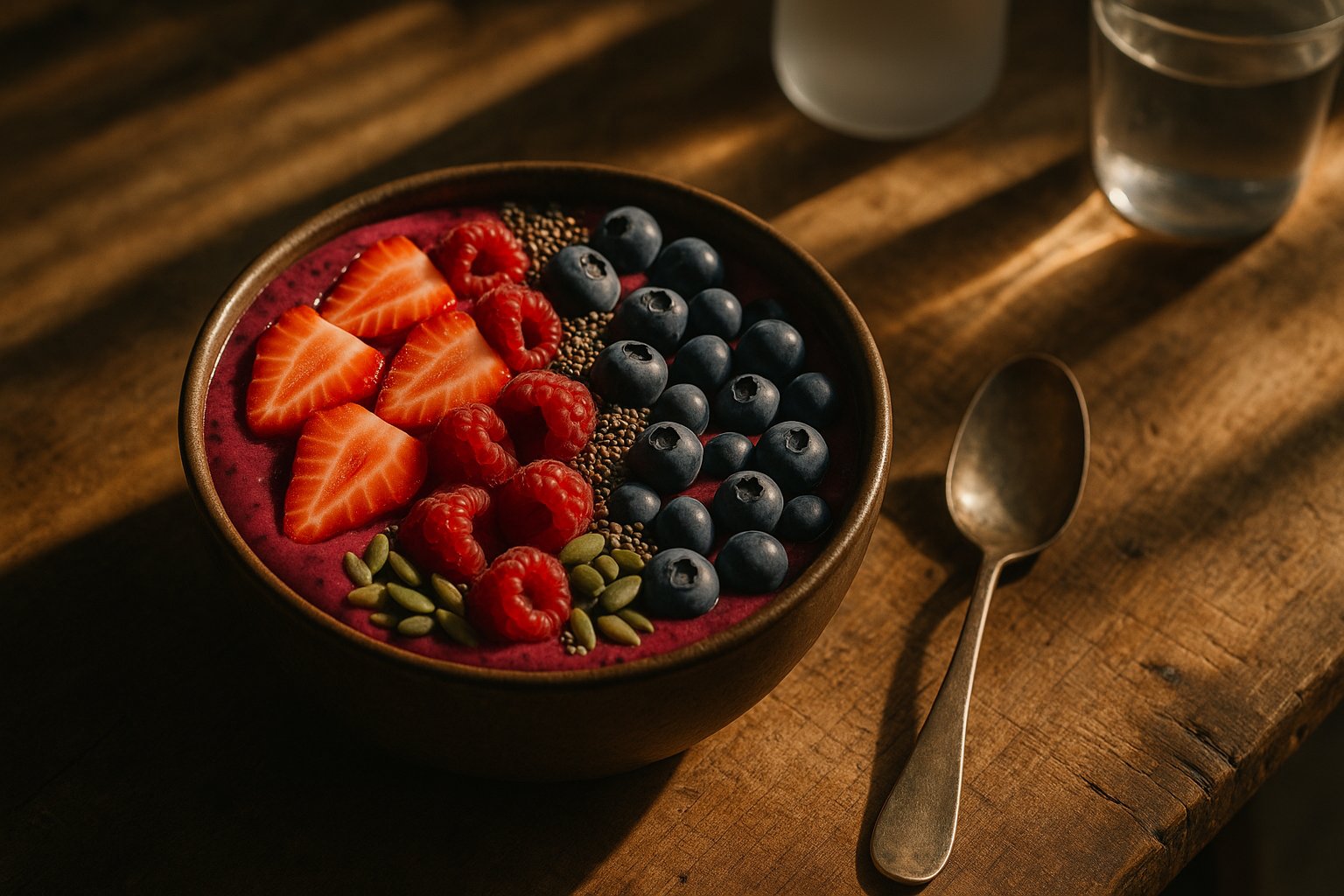
- Greek yogurt with berries and honey: about 17 to 20 g protein per cup
- Chocolate milk plus a scoop of whey: classic recovery ratio of carbs to protein
- Egg whites scrambled with white rice: low fat, gentle, easy volume control
- Kefir smoothie with frozen fruit: adds probiotics, helpful for GLP-1 digestive complaints
- Lean deli turkey on white bread: when you want actual food, not a shake
What to avoid in the post-workout slot: fried food, heavy cream sauces, large red-meat portions, and big salads. Fat and fiber both slow an already slow stomach.
Are Protein Shakes Good Enough, or Do You Need Real Food?
Shakes are not a compromise; on GLP-1 therapy they’re often the optimal tool. Liquids empty from the stomach faster than solids, bypass much of the early fullness signal, and let you hit 30 grams in two minutes of sipping.
Whey is the best-studied option, with a complete amino acid profile and roughly 2.5 to 3 grams of leucine per 25-gram serving, which is the trigger dose most research associates with maximal muscle protein synthesis. Casein digests slower and works better before bed. Plant blends (pea plus rice) work fine if you add a slightly larger serving, around 35 to 40 grams, to match the leucine content.
One honest caveat: relying on shakes for more than one or two feedings a day crowds out micronutrients from whole food. Use them where they solve a real problem, mainly post-workout and breakfast.
Key Takeaway: Slowed gastric emptying means heavy, fatty post-workout meals can sit uncomfortably; lean protein plus easy carbs digests better.
What About Carbohydrates After Training?
Carbs after training help, but they’re the second priority. Glycogen, the stored carbohydrate in muscle, refills over 24 hours with normal eating; you only need aggressive carb timing if you train the same muscles twice in one day.
A practical target is 30 to 60 grams of easy carbohydrate with your post-workout protein: a banana, rice, fruit juice, or toast. There’s a bonus for GLP-1 users: pairing carbs with protein blunts the lightheadedness some patients report when training in a large calorie deficit. If your workouts feel flat, adding 20 to 30 grams of carbs 60 to 90 minutes before training often fixes it faster than anything else.
What If You Have Zero Appetite After Working Out?
Move the workout, shrink the meal, or go liquid. In that order of preference:
- Retime training so it ends 30 to 60 minutes before whichever meal you naturally eat best. Many GLP-1 patients eat best at midday; a late-morning workout feeds straight into that.
- Split the feeding: 15 grams of protein right after training, another 15 to 20 grams an hour later. Two small doses beat one skipped large one.
- Default to liquid: even on the worst appetite days, most patients can sip a shake over 20 minutes.
Also check your injection timing. Appetite suppression and nausea typically peak in the 24 to 48 hours after a weekly dose. Scheduling your hardest training sessions on days 4 through 6 of your injection cycle, when side effects are mildest, is a simple win our guide to training around injection day covers in detail.
How Does Hydration and Electrolyte Status Fit In?
Dehydration stacks on top of GLP-1 side effects and makes post-workout nausea worse. You drink less when you eat less, fluid intake drops with food intake, and a sweaty session can leave you 1 to 2 percent dehydrated, enough to measurably hurt performance and amplify queasiness.
Practical targets: 16 to 24 ounces of fluid in the two hours after training, with sodium if you sweat heavily (a pinch of salt in your shake, or an electrolyte packet). Patients on GLP-1 medications who report headaches and fatigue after workouts are often fixing a hydration problem, not a calorie problem.
The Path Forward
You don’t need a perfect post-workout meal. You need a repeatable one: 25 to 40 grams of lean or liquid protein, some easy carbs, fluid with sodium, all within a couple hours of training, on a schedule that respects your injection cycle. That formula protects muscle through the entire weight-loss phase.
TrimRx pairs compounded semaglutide and tirzepatide with clinical oversight, so questions like protein targets and side-effect timing get answered by a care team rather than a forum thread. If you’re weighing your options, the free assessment quiz shows you whether a personalized program is a fit before you commit to anything.
Bottom line: If you can’t eat after training, train closer to your largest natural meal instead.
FAQ
How Soon After a Workout Should I Eat on a GLP-1 Medication?
Within about two hours is a sensible habit, though research shows total daily protein matters more than precise timing. The practical reason to keep the window: appetite-suppressed patients who don’t schedule protein tend to miss it entirely.
Can I Just Train Fasted and Eat Later?
You can, and fasted training won’t burn meaningful muscle in a single session. The risk is the pattern: if “later” reliably becomes a skipped feeding because your appetite never arrives, fasted training is costing you protein. Anchor training to your best meal of the day.
Is 20 Grams of Protein Enough After Lifting?
It’s a workable floor, especially for smaller individuals. Research suggests muscle protein synthesis responses plateau near 0.4 g per kilogram per meal, so a 150-pound person does fine at 25 to 27 grams while a 220-pound person benefits from 35 to 40.
Do Protein Shakes Cause Nausea on Semaglutide or Tirzepatide?
Usually the opposite; liquids tolerate better than solids on a slowed stomach. If shakes do bother you, try thinner mixes (more water), sip over 20 minutes instead of chugging, and avoid very high-fat additions like heavy peanut butter scoops near injection day.
Should I Eat Differently on Injection Day?
Most patients do best keeping injection-day meals small, lean, and bland, then placing bigger training sessions and bigger feedings on days 4 to 6 when side effects fade. Your appetite cycle becomes predictable after a few weeks; plan around it.
What’s the Best Cheap Post-workout Option?
Milk. A pint of skim or low-fat milk delivers about 16 grams of protein plus carbs and fluid for under a dollar. Add a basic whey scoop and you’re at 40 grams for roughly $1.50, which beats any branded recovery product on cost per gram.
Disclaimer: This content is for informational purposes only and does not constitute medical advice. It is not intended to diagnose, treat, cure, or prevent any disease or condition. Individual results may vary. Always consult a qualified healthcare professional before starting any weight loss program or medication.

Transforming Lives, One Step at a Time
Keep reading
What Labs Should Your Doctor Run Now That You’re on a GLP-1?
There is no universal panel, and anyone handing you a fixed list is guessing about your situation. What gets checked depends on what conditions…
Can’t Eat Enough Protein on a GLP-1? Why It Matters and What Helps
This is one of the most common difficulties on these medications, and the tension in your question is real: protein is the thing most…
Type 2 Diabetes Medications and a New GLP-1: What to Tell Your Doctor
Tell whoever prescribed the GLP-1 exactly what diabetes medications you take, at what doses, before your first injection. That conversation needs to happen first,…


