Postpartum Weight Loss: Is Ozempic Safe?
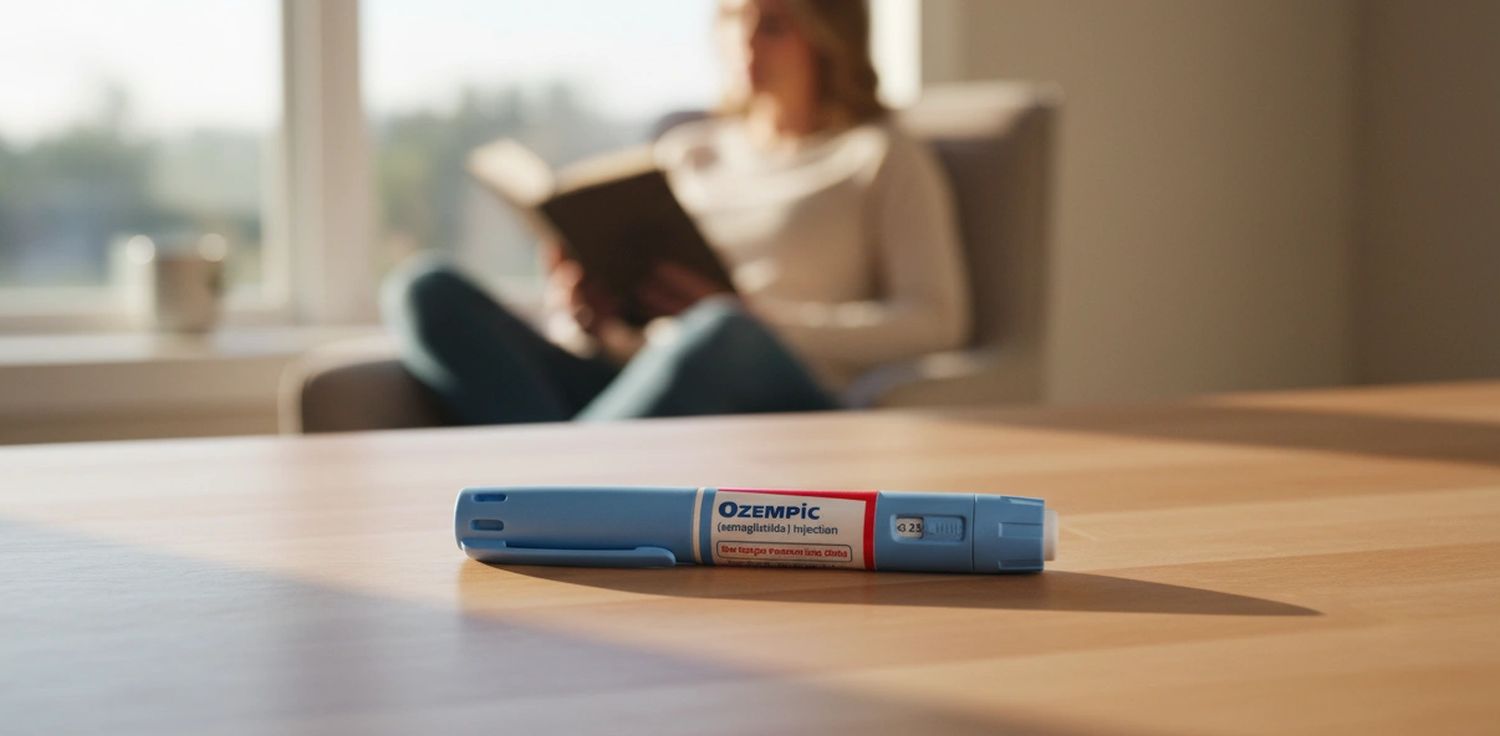
The postpartum period is one of the most physically and emotionally demanding stretches of a woman’s life, and for many new mothers, weight retained after pregnancy becomes a source of real frustration. Ozempic and other GLP-1 medications have become go-to options for weight loss in recent years, so it’s natural to wonder whether they’re appropriate after having a baby. The answer depends heavily on one factor: whether you’re breastfeeding. Here’s what new mothers need to know before making any decisions about GLP-1 medications postpartum.
The Core Safety Question
Semaglutide, the active ingredient in Ozempic and Wegovy, has not been studied in breastfeeding women. Animal studies have shown that semaglutide is present in breast milk, and given that GLP-1 receptors exist in developing tissues, the potential effects on a nursing infant are unknown.
Because of this, virtually every major medical organization and medication manufacturer recommends against using semaglutide while breastfeeding. This isn’t a conservative overcaution, it reflects a genuine absence of safety data in this population. When there’s no evidence of safety, the default position for a nursing infant is avoidance.
If you are not breastfeeding, the calculus changes. Women who have chosen not to breastfeed or have finished breastfeeding can discuss GLP-1 medications with their provider without this particular concern. Timing still matters, but the primary barrier is removed.
What About Non-Breastfeeding Mothers
For mothers who aren’t breastfeeding, the question shifts to readiness. Most providers recommend waiting at least six to eight weeks postpartum before starting any weight loss medication, and some prefer to wait until the three-month mark. The reasons are practical: the postpartum body is still recovering from delivery, hormone levels are stabilizing, sleep deprivation is affecting metabolism and appetite regulation, and nutritional needs remain elevated even without breastfeeding.
Starting a medication that significantly reduces appetite during this window can interfere with recovery and create nutritional gaps at a time when the body still needs support. That said, women who are well past the initial recovery phase, fully healed, not breastfeeding, and carrying significant postpartum weight may be reasonable candidates for GLP-1 treatment with provider guidance.
Consider this scenario: a 34-year-old mother who delivered eight months ago, chose not to breastfeed, and retained 40 pounds from her pregnancy discusses her options with her provider. Her blood pressure is elevated, her fasting glucose is borderline, and previous attempts at diet-based weight loss have stalled. Her provider determines she’s a good candidate for compounded semaglutide. That context, medical need, adequate time since delivery, no breastfeeding, makes her situation meaningfully different from a mother six weeks postpartum who is nursing.
Why Postpartum Weight Loss Is Harder Than It Looks
Popular culture tends to present postpartum weight loss as straightforward, but the biology tells a different story. During pregnancy, the body deliberately increases fat storage, particularly in the hips, thighs, and abdomen, as an energy reserve for breastfeeding. After delivery, hormonal shifts, disrupted sleep, elevated cortisol from the stress of new parenthood, and changes in eating patterns all work against easy weight loss.
Sleep deprivation alone has a measurable effect on weight. Research has shown that inadequate sleep increases ghrelin (the hunger hormone) and decreases leptin (the satiety hormone), creating a physiological drive to eat more. New mothers dealing with nighttime wake-ups are operating in a metabolic environment that actively resists weight loss.
This context matters because it means postpartum weight retention isn’t a personal failing. It’s a predictable biological response. GLP-1 medications can eventually address some of these signals, but they don’t fix sleep deprivation or the stress physiology of early parenthood.
Safe Alternatives During the Breastfeeding Period
If you’re breastfeeding and eager to support gradual weight loss, there are approaches that don’t involve medication. None of them are as fast as GLP-1 treatment, but they’re safe and meaningfully effective when applied consistently.
Breastfeeding itself burns roughly 300–500 calories per day, which supports gradual weight loss without any additional intervention for many women. The key word is gradual. Aggressive caloric restriction while nursing reduces milk supply and leaves mothers depleted.
Protein-forward eating supports satiety and muscle retention without requiring severe caloric cuts. Aiming for 100g of protein daily helps maintain lean mass while supporting milk production.
Light to moderate exercise, particularly walking and resistance training, supports weight loss without the cortisol spike that high-intensity training can produce in sleep-deprived new mothers.
Reconnecting with a provider around month three to six postpartum to discuss where you are and what support makes sense is a reasonable plan for mothers who want to think ahead to GLP-1 treatment after weaning.
Planning Ahead: When Can You Start GLP-1 Treatment
For mothers who plan to breastfeed for a defined period and want to use GLP-1 medications afterward, planning the transition is straightforward. Once breastfeeding is fully stopped, semaglutide clears from breast milk relatively quickly. Most providers suggest waiting one to two weeks after the last feeding before starting, though this is an area where individual provider guidance matters.
The Wegovy for women article covers what women can expect from semaglutide treatment more broadly, including timelines and results data that’s relevant for postpartum planning.
For mothers with PCOS who also experienced postpartum weight retention, weight loss for women with PCOS addresses the specific hormonal considerations that often make postpartum weight loss even harder in that population.
The Emotional Side of Postpartum Weight
It’s worth naming something that doesn’t always make it into clinical discussions: the emotional weight of postpartum body changes is real and significant. Many women feel pressure to “bounce back” quickly, and when that doesn’t happen, the frustration can compound the already difficult adjustment to new parenthood.
GLP-1 medications are a legitimate tool, but they work best when the timing is right, the body is ready, and the decision is made from a place of information rather than urgency. Rushing into medication before the body has had adequate recovery time, or while still breastfeeding, can create more problems than it solves.
Getting Started When the Time Is Right
When you’re ready to explore GLP-1 treatment, TrimRx makes the process simple. An online intake reviews your health history, a licensed provider assesses your candidacy, and medication is delivered to your door. The compounded semaglutide program offers a significantly more affordable entry point than brand medications.
To find out whether you’re a candidate, take the intake assessment when you’re ready to take that step.
This information is for educational purposes and is not medical advice. Consult with a healthcare provider before starting any medication. Individual results may vary.

Transforming Lives, One Step at a Time
Keep reading

Thyroid Issues and Ozempic: Safety Considerations
If you have a thyroid condition and you’re considering Ozempic or another GLP-1 medication for weight loss, you’ve probably come across some alarming language…

Ozempic While Trying to Conceive: What to Know
If you’re trying to get pregnant and also managing your weight with Ozempic, you’re navigating a genuinely complex situation. The short answer: most providers…

Ozempic and Menopause: What to Expect When Hormones and GLP-1s Intersect
Menopause and weight gain have a well-documented relationship, and for many women, the years surrounding this transition represent the first time in their lives…


