Do You Need to Prime Ozempic Pen Every Time?
Introduction
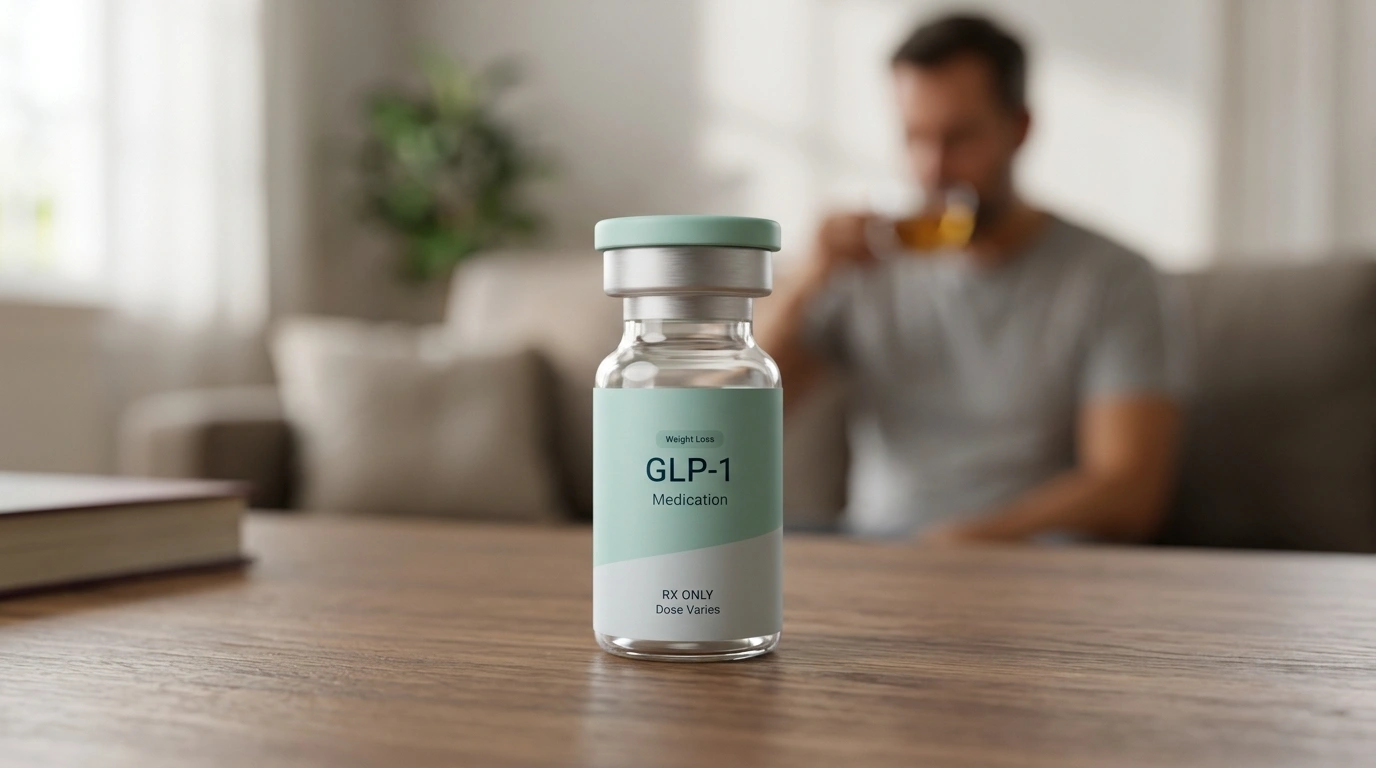
Standing in your kitchen with a new prescription can feel both exciting and overwhelming. You want to make sure you are doing everything correctly to support your health journey, but the technical steps of using a medication pen can be confusing. One of the most common questions people ask when starting Ozempic® (semaglutide) is whether they need to perform a flow check—often called “priming”—before every single dose. At TrimRx, we understand that these small details matter for your confidence and your results. If you are still figuring out whether this treatment path is right for you, start with our free assessment quiz to see what comes next. This guide will clarify the priming process, explain why it is necessary for a new pen, and help you avoid wasting precious medication. The short answer is that you only need to prime a brand-new pen once, rather than before every injection.
Quick Answer: You do not need to prime your Ozempic pen every time you use it. You only need to perform the “flow check” (priming) before the very first injection from a brand-new pen to remove air and ensure the medicine is flowing.
What Does It Mean to Prime an Ozempic Pen?
Priming is the process of preparing a medical device to ensure it delivers the correct amount of medication. In the context of the Ozempic® pen, this is officially called a “flow check.” This step ensures that the air trapped inside the needle and the pen’s reservoir is removed. When the air is gone, the medication can move freely through the needle as soon as you press the button.
Ozempic® contains semaglutide, which is a GLP-1 receptor agonist. A GLP-1 receptor agonist is a type of medication that mimics a natural hormone in your body called glucagon-like peptide-1. For a deeper look at how that hormone supports appetite and blood sugar regulation, you can also read our GLP-1 explainer. This hormone helps regulate your blood sugar and slows down how quickly your stomach empties, which may support weight loss by making you feel full longer. Because this medication is highly concentrated, receiving the exact prescribed dose is essential for your treatment plan.
When you receive a new pen from the pharmacy, there is often a small gap or air bubble between the medication and the tip of the needle. If you do not clear this gap, your first dose might be slightly less than what your doctor intended. By performing a flow check, you confirm that the pen’s internal mechanism is working and that the liquid is ready to be dispensed.
The One-Time Priming Rule
The most important rule to remember is that priming is a “first-use-only” step. Once you have successfully primed a new pen and seen a drop of liquid appear at the needle tip, the internal system is primed for the remaining doses in that specific pen. You do not need to repeat this process for your second, third, or fourth weekly injections from that same pen.
Repeating the priming process every time is not just unnecessary; it can actually lead to problems with your supply. Each pen is manufactured to hold a specific amount of semaglutide. If you prime the pen before every dose, you are essentially “squandering” a small amount of medicine into the air each time. Over the course of a month, this can add up, and you may find that the pen runs out of medication before you reach your final dose.
Key Takeaway: Priming is a one-time setup for each new pen. After the initial flow check, simply attach a new needle and dial your prescribed dose for all subsequent injections from that pen.
Step-by-Step: How to Prime a New Pen Correctly
Performing a flow check is a simple process, but it requires attention to detail. Follow these steps when you open a fresh Ozempic® pen for the first time.
Step 1: Prepare the Pen and Needle
Start by washing your hands thoroughly. Remove the pen cap and check the medication inside the window. The liquid should be clear and colorless. If it looks cloudy or has particles in it, do not use the pen. Take a new disposable needle, peel off the paper tab, and screw the needle straight and tight onto the pen.
Step 2: Remove the Needle Caps
Every needle comes with two caps: a large outer cap and a small inner cap. Pull off the outer cap and set it aside (you will need this later to safely remove the needle). Then, pull off the inner needle cap and throw it away. You should now see the bare needle.
Step 3: Dial the Flow Check Symbol
Turn the dose selector at the end of the pen. Instead of turning it to a number (like 0.25 or 0.5), look for the flow check symbol. This symbol looks like two small dots and a line, or a “drop” icon depending on your specific pen version. Align this symbol with the dose pointer.
Step 4: Perform the Flow Check
Hold the pen with the needle pointing upward. This helps any air bubbles rise to the top. Press and hold the dose button all the way in until the dose counter returns to 0. Watch the tip of the needle closely.
Step 5: Confirm the Drop
A small drop of medication should appear at the needle tip. This confirms the pen is ready. If a drop does not appear, turn the selector back to the flow check symbol and try again. You can repeat this up to six times. If a drop still does not appear after six tries, the needle may be blocked, and you should replace it with a new one before trying one last time.
Why You Should Not Prime Every Time
It is a common misconception that “checking the flow” before every injection is a safer way to use the pen. However, medical professionals and the manufacturer advise against this for several reasons.
Avoiding Medication Waste
Semaglutide is a specialized medication. Each pen is filled with a precise volume intended to last for a specific number of doses (usually four). The “extra” liquid in the pen is very minimal. If you prime before every dose, you are clicking the dial and releasing fluid that is meant for your body. This often results in the pen “locking” or running dry before your last scheduled dose of the month, which can disrupt your treatment consistency.
Accurate Dosing
The Ozempic® pen is a highly engineered mechanical device. It is designed to deliver a specific volume once the internal piston is engaged. Priming once removes the initial air. After that, the piston stays in contact with the medication. Every time you dial a dose thereafter, the pen is already “loaded” and ready. Over-priming does not make the dose more accurate; it only depletes the reservoir.
Needle Safety and Hygiene
Every injection requires a fresh, sterile needle. If you were to prime every time, you might feel tempted to use the same needle for the “check” and then the injection. While the medication itself is the same, manipulating the pen more than necessary increases the risk of accidental needle sticks or contamination. If you are interested in the broader injection process, our step-by-step Ozempic injection guide walks through the routine in more detail. Attach the needle, dial the dose, and inject—this streamlined process is safer and more effective.
What Happens if You Forget to Prime a New Pen?
If you are new to the program and forget to prime your first pen, do not panic. It is a common mistake. If you skip the flow check on a brand-new pen, the most likely outcome is that the first dose you receive will be slightly smaller than intended because a tiny amount of air was injected instead of liquid.
Because semaglutide builds up in your system over several weeks, one slightly lower dose is unlikely to ruin your progress. However, it can lead to inconsistent blood sugar levels or a slight decrease in the medication’s appetite-suppressing effects for that week. The main goal of our personalized programs is consistency. If you realize you forgot to prime, simply make a note to do it correctly when you start your next new pen. If you are wondering whether treatment is a fit, you can always return to our free assessment quiz to review your options.
Bottom line: Skipping the initial prime once isn’t a medical emergency, but doing it correctly ensures you get the full amount of medication you were prescribed.
Managing Your Injection Routine
Creating a consistent routine is the best way to ensure you are using your medication safely. Many people find it helpful to keep a small “injection diary” or use an app to track which day they injected and whether they started a new pen that week.
At TrimRx, we believe that education is the foundation of a successful weight loss journey. When you use a telehealth platform like ours, you have access to guidance that helps you navigate these technical steps. Whether you are using compounded semaglutide or branded options like Ozempic® or Wegovy®, the principles of subcutaneous (under the skin) injections remain similar. If you want to see how the full treatment process works, our guide to getting GLP-1 weight loss treatment is a helpful next read.
Injection Site Rotation
Regardless of whether you are priming a new pen or using an already primed one, always rotate your injection sites. The best places are the front of your thighs, the front of your waist (abdomen), or the upper arm. If you want a deeper look at where semaglutide is typically injected, our semaglutide injection site guide covers the common options in detail.
- Avoid the belly button: Stay at least two inches away from your navel.
- Switch sides: If you injected in your right thigh last week, try the left thigh or the abdomen this week.
- Check the skin: Never inject into skin that is bruised, tender, red, or hard.
Needle Disposal
Safety does not end once the medication is in your system. After your injection, you must safely remove the needle. Use the large outer needle cap to unscrew the needle without touching the point. Dispose of the used needle in a sharps container. Do not throw needles into the regular household trash, as this poses a risk to sanitation workers and your family.
Troubleshooting Your Pen
Sometimes, even when you follow the steps perfectly, the pen might not behave as expected. Knowing how to troubleshoot can save you a lot of frustration.
The Dose Selector Won’t Turn
If you find that the dose selector is hard to turn or won’t reach your prescribed dose, the pen is likely empty. Ozempic® pens are designed to stop turning once the remaining medication is less than a full dose. Do not force the dial. If the pen is empty, it is time to start a new one. This is also when you would perform your one-time priming step again.
No Drop Appears During Priming
If you have dialed the flow check symbol and pressed the button but no drop appears, first check your needle. Is it screwed on straight? If it is, try the flow check one more time. You can do this up to six times with the same needle. If you still see nothing, change the needle. Sometimes a needle can be manufactured with a defect that prevents flow. A fresh needle usually solves the problem.
The Liquid Looks Different
Always look at the medication through the pen’s window before you even think about priming. The liquid should be as clear as water. If you notice any of the following, do not use the pen and contact your pharmacist:
- Cloudiness or “milky” appearance.
- Change in color (it should not be yellow or brown).
- Visible flakes or particles floating in the liquid.
Storage and Handling for Better Performance
How you store your medication can affect how the pen functions mechanically. If the medication is stored improperly, it could degrade or the pen mechanism could become compromised.
Temperature Control
Unused pens should always be kept in the refrigerator. However, you should never freeze them. If a pen has been frozen, the internal structure of the semaglutide protein can break down, making it ineffective.
Once you have started using a pen (and performed your initial prime), you can keep it at room temperature (up to 86°F) or in the refrigerator for up to 56 days. Many people prefer to keep their “in-use” pen at room temperature because cold medication can sometimes sting slightly during injection.
Light Protection
Keep the pen cap on when you are not using it. Semaglutide is sensitive to light. Leaving the pen sitting on a sunny windowsill can cause the medication to lose its potency. A dark drawer or a dedicated spot in your refrigerator door is usually the best choice.
Supporting Your Journey with TrimRx
Starting a GLP-1 medication is a big step toward better metabolic health. While the technical side of using a pen—like knowing when to prime—is important, it is only one part of the bigger picture. At TrimRx, we focus on a comprehensive approach that combines these modern medications with clinical oversight and personalized support.
Our mission is to make the process as transparent and stress-filled as possible. We provide a telehealth-first experience, meaning you can complete your assessment and consult with licensed providers from the comfort of your home. We connect you with programs that include the medication, the necessary supplies, and the ongoing support you need to feel confident in your routine. If you want nutritional support alongside a prescription program, the GLP-1 Daily Support supplement is one option to explore. For added support during your broader weight loss journey, you can also review the Weight Loss Boost supplement.
When you join a program through us, you aren’t just getting a prescription; you are getting a dedicated team. We help you understand the nuances of your treatment, from managing potential side effects to mastering your injection technique. This personalized care is designed to help you achieve sustainable results without the guesswork.
Moving Toward Sustainable Health
Understanding the “why” behind your medication routine helps remove the anxiety that often accompanies weight loss treatments. Priming your Ozempic® pen is a vital safety check, but it is a tool meant to be used sparingly. By priming only once per new pen, you ensure you get every drop of the medication you need to support your goals.
Whether you are just starting out or have been on your journey for months, remember that consistency is your greatest ally. Focus on the small habits—like proper priming, site rotation, and healthy lifestyle choices—and the larger results will follow. If you want to see whether a prescription program may be the right next step, the free assessment quiz is the easiest place to begin. If you ever feel uncertain, your healthcare provider is your best resource for clinical advice tailored to your specific health profile.
Key Takeaway: Your weight loss journey is a marathon, not a sprint. Mastering the technical aspects of your medication today builds the foundation for long-term success tomorrow.
FAQ
Does Ozempic need to be primed before every use?
No, you do not need to prime the pen before every dose. You only need to perform the “flow check” (priming) when you are using a brand-new pen for the very first time. For all following doses from that same pen, you simply attach a new needle and dial your dose.
What happens if I prime my pen every time?
If you prime the pen before every injection, you will likely run out of medication before you finish your four weekly doses. The pen is filled with a specific amount of semaglutide, and repeated priming wastes small amounts of the drug, which can lead to the pen being empty when you still have doses left.
How do I know if my Ozempic pen is primed?
A pen is considered primed when you have dialed the flow check symbol, pressed the button, and seen a small drop of liquid appear at the tip of the needle. This drop confirms that the air has been removed and the medication is ready to flow through the needle.
What if no drop appears after I try to prime the pen?
If no drop appears after your first attempt, you can repeat the flow check up to six times. If there is still no drop, you should replace the needle with a fresh one and try again. If a new needle doesn’t fix the issue, do not use the pen and contact your healthcare provider or pharmacist for assistance. If you are ready to take the next step, you can also use the free assessment quiz to get started.
Disclaimer: This content is for informational purposes only and does not constitute medical advice. It is not intended to diagnose, treat, cure, or prevent any disease or condition. Individual results may vary. Always consult a qualified healthcare professional before starting any weight loss program or medication.

Transforming Lives, One Step at a Time
Keep reading
Want to Stop Ozempic but Your Provider Says Stay? How to Discuss It
Lead with your actual reason, because the conversation usually goes wrong when you argue about the evidence instead. Your provider is not wrong about…

Regained Weight After Stopping Ozempic? Don’t Restart at Your Old Dose
No. Whatever else you do, do not pick up where you left off. Tolerance to a GLP-1 is not assumed to persist through a…

Eating Less Than Ever on Ozempic but the Scale Won’t Move
Whatever else is true here, the answer is not to eat less. That needs saying first, because it is the direction this situation pushes…


