Does Compounded Semaglutide Need to Be Refrigerated?
Introduction
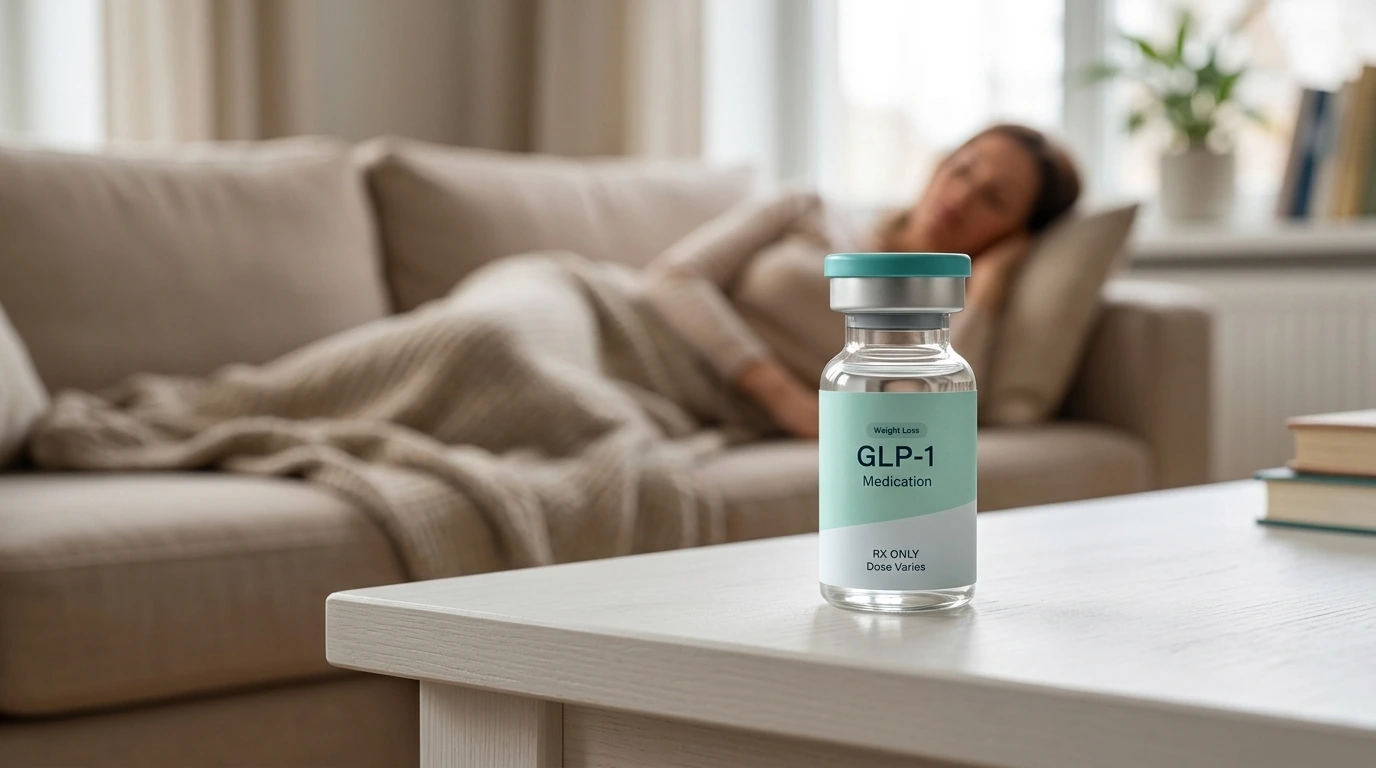
Starting a weight loss journey often involves learning a new set of habits, from adjusting your nutrition to managing a medication schedule. If you have recently received a shipment of compounded semaglutide, you may find yourself standing in your kitchen, vial in hand, wondering exactly where it needs to go. Proper storage is more than just a suggestion; it is a critical part of ensuring your treatment remains effective and safe.
At TrimRx, we believe that understanding the logistics of your medication is just as important as the clinical support you receive. This article will explain the specific refrigeration requirements for compounded semaglutide, the science behind why temperature matters, and how to protect your medication during travel or power outages. By following these evidence-based storage guidelines, you can feel confident that your personalized program is working exactly as intended.
Quick Answer: Yes, compounded semaglutide must be refrigerated. It should be stored between 36°F and 46°F (2°C to 8°C) to maintain the stability and potency of the medication.
Why Temperature Matters for Semaglutide
To understand why refrigeration is necessary, it helps to know what semaglutide actually is. Semaglutide belongs to a class of medications called GLP-1 receptor agonists. GLP-1, or glucagon-like peptide-1, is a hormone naturally produced in your body that helps regulate appetite and blood sugar. The medication version is a peptide, which is essentially a string of amino acids.
Peptides are delicate biological structures. They are held together by chemical bonds that can be broken down by heat, light, or vigorous movement. When these bonds break, the medication “denatures.” This means the molecular shape changes, and it can no longer fit into the receptors in your body correctly. If the semaglutide denatures, it may lose its effectiveness, meaning you might not see the weight loss results you expect.
The Cold Chain Process
Maintaining a “cold chain” refers to the uninterrupted series of temperature-controlled production, storage, and distribution activities. From the moment the medication is prepared at an FDA-registered compounding pharmacy to the moment it arrives at your door, it is kept within a specific temperature range. Keeping it in your refrigerator at home is simply the final link in this chain.
For more guidance, review these compounded semaglutide storage recommendations.
Storage Requirements for Compounded Semaglutide
Compounded semaglutide is a personalized medication prepared by a licensed pharmacist to meet a specific prescription. Because it is often provided in a multi-dose vial rather than a pre-filled pen like some branded medications, the storage needs can be slightly more strict.
The Ideal Temperature Range
For maximum stability, you should keep your medication in a refrigerator set between 36°F and 46°F. This range prevents the peptide from breaking down while also ensuring the liquid does not freeze.
If you are considering a prescription weight loss program, you can complete a free eligibility assessment to discuss whether treatment may be appropriate for you.
Where to Place the Vial
Not all areas of a refrigerator are created equal. The temperature near the door fluctuates every time you open it to grab a snack or a drink. To keep your medication stable:
- Store the vial on a middle shelf.
- Keep it toward the back of the shelf, but not touching the very back wall, where it might freeze.
- Avoid the crisper drawers or the door shelves.
Protection from Light
In addition to heat, light can also degrade semaglutide. Most compounded medications come in amber-colored vials or are wrapped in protective packaging. It is best to keep the vial inside its original box or a small, opaque container within your refrigerator to shield it from the light that turns on every time the door is opened.
Key Takeaway: Compounded semaglutide is a fragile peptide that requires consistent refrigeration between 36°F and 46°F to remain potent and effective for your weight loss journey.
Compounded vs. Branded Storage Differences
It is common for individuals to compare the storage instructions of compounded semaglutide with branded versions like Ozempic® or Wegovy®. While the active ingredient is the same, the delivery methods and formulations differ.
Branded medications often come in specialized injector pens. Some of these pens, such as Ozempic®, are designed to be stable at room temperature for up to 56 days after the first use. However, compounded semaglutide is typically provided in a glass vial and does not always contain the same concentration of preservatives found in mass-produced branded pens.
Because compounded medications are prepared for the individual, they may have a shorter “beyond-use date” (BUD) than the expiration dates found on commercial products. You should always follow the specific storage instructions printed on your pharmacy label, as these are tailored to the specific formulation you received.
For additional information about expiration timelines, see this guide to when compounded semaglutide expires in the refrigerator.
Note: While branded medications like Wegovy® and Mounjaro® have specific room-temperature allowances, you should never assume those same rules apply to your compounded medication. Always defer to the instructions provided by your healthcare team or the compounding pharmacy.
Handling the Medication During Use
When it is time for your weekly dose, you will need to remove the vial from the refrigerator. While the medication should be kept cold most of the time, a few minutes at room temperature while you prepare your dose is perfectly safe.
Tips for Safe Handling:
- Wash your hands: Always begin with clean hands to prevent contaminating the vial.
- Swab the top: Use an alcohol prep pad to clean the rubber stopper of the vial before inserting a needle.
- Be gentle: Do not shake the vial. Shaking can cause bubbles and potentially damage the delicate peptide structures. Instead, if the liquid needs to be mixed, gently roll the vial between your palms.
- Return to the fridge: Once you have drawn your dose, place the vial back in its designated spot in the refrigerator immediately.
What Happens if the Medication Gets Too Warm?
Life happens—perhaps you left the vial on the counter after your dose, or there was a brief power outage. If compounded semaglutide is exposed to temperatures above 86°F, it should generally be discarded.
If the medication stays at “room temperature” (around 68°F to 77°F) for a short period, it may still be safe to use, but its shelf life will be significantly reduced. Exposure to heat accelerates the breakdown of the peptide. If you suspect your medication has been kept out of the refrigerator for more than 24 hours, it is best to consult with a healthcare professional before your next dose.
For a broader overview of storage concerns, read about what to do when compounded semaglutide is left out of the fridge.
Signs of Spoilage
Before every injection, you should visually inspect the liquid in the vial. Compounded semaglutide should typically be clear and colorless. You should not use the medication if you notice:
- Cloudiness: The liquid looks milky or opaque.
- Particulates: You see tiny “flakes” or clumps floating in the liquid.
- Discoloration: The liquid has turned yellow, brown, or any other color.
- Frozen liquid: If the medication has frozen, do not thaw it and use it. Freezing permanently damages the peptide structure.
Traveling with Compounded Semaglutide
Maintaining a consistent routine is key to long-term success, and that includes taking your medication while traveling. Whether you are flying or going on a road trip, you can keep your semaglutide at the correct temperature with a little preparation.
For more detailed planning, review this guide to traveling with compounded semaglutide.
Using a Travel Cooler
Invest in a small, insulated medical travel bag. These are often designed specifically for insulin or GLP-1 medications and include reusable gel ice packs.
- Avoid direct contact: Ensure the vial is not touching the ice pack directly to prevent freezing. Wrap the vial in a small piece of bubble wrap or keep it in its box.
- Monitor the temperature: If possible, use a small digital thermometer inside the travel bag to ensure it stays within the safe range.
Air Travel and TSA
You are permitted to travel with your medication and associated supplies, such as syringes.
- Carry-on only: Never put your medication in checked luggage. The cargo hold of an airplane can experience extreme temperature fluctuations, from freezing to intense heat.
- Security screening: Notify the TSA officer that you are carrying a medically necessary liquid and syringes. It is helpful to keep the medication in its original packaging with the prescription label attached.
- X-rays: Research suggests that standard airport X-ray machines do not damage GLP-1 medications, but you can always request a visual inspection if you prefer.
You can also review this overview of GLP-1 medication travel and TSA storage considerations.
Managing Power Outages
If the power goes out at home, your refrigerator will stay cold for a limited amount of time. Generally, a closed refrigerator will keep food and medication safe for about four hours.
If the outage lasts longer:
- Keep the door closed: Every time you open the fridge, cold air escapes.
- Use a cooler: Transfer the medication to a small cooler with ice packs if the outage exceeds four hours.
- Check the temp: Once power is restored, check the temperature of the fridge. If it rose above 56°F for an extended period, contact your provider or the pharmacy for guidance.
Accidental Freezing: A Major No-No
While heat is the primary enemy of semaglutide, extreme cold is equally damaging. If your refrigerator is set too low or the vial is pushed against the back cooling element, the medication might freeze.
Freezing causes the water in the solution to expand, which physically tears the peptide molecules apart. Even if the medication looks normal once it thaws, the chemical structure is compromised. Using frozen-then-thawed semaglutide is likely to result in zero therapeutic effect and could potentially cause irritation at the injection site. If your vial has any ice crystals in it, it must be replaced.
Bottom line: Consistent cooling is mandatory, but freezing is destructive; always store your vial in the center of the refrigerator to avoid temperature extremes.
Safe Disposal of Expired or Damaged Medication
If your medication has reached its beyond-use date, has been left out in the heat, or shows signs of spoilage, it must be disposed of properly. Do not pour the liquid down the drain or flush it down the toilet.
For the vial itself, you can generally dispose of it in your household trash once the liquid has been neutralized or if the pharmacy provides specific instructions. However, the syringes used for injection must always be placed in a puncture-resistant sharps container. This prevents accidental needle sticks for you, your family, and waste management workers.
The TrimRx Approach to Medication Management
We understand that managing a medical weight loss program involves more than just receiving a prescription. It requires clear communication and support every step of the way. When you choose a program through us, you are not just getting access to GLP-1 medications like compounded semaglutide or compounded tirzepatide; you are getting a dedicated team.
Our platform connects you with licensed healthcare providers who specialize in metabolic health. They help determine your eligibility through a comprehensive online assessment and tailor a plan to your unique needs. We work exclusively with FDA-registered and inspected compounding pharmacies to ensure that the medication shipped to your door meets high standards of quality and safety.
Because we prioritize a telehealth-first model, you have 24/7 access to specialists who can answer your questions—whether you are concerned about a side effect or simply need to double-check your storage temperature. We are here to ensure your journey is as smooth and effective as possible.
How to Get Started
If you are ready to explore how GLP-1 medications can support your weight loss goals, the process is simple and transparent. We have designed our program to remove the traditional barriers to care, such as long waiting room times and confusing insurance hurdles.
Step 1: Complete the Free Assessment
The first step is a detailed health quiz. This allows our partner providers to review your medical history, current BMI, and weight loss goals. You can take the free assessment quiz to begin.
Step 2: Clinical Review
A licensed provider will review your information to determine if a GLP-1 medication like compounded semaglutide is appropriate for you. They will consider any contraindications and ensure the program is safe for your specific health profile.
Step 3: Personalized Treatment Plan
If approved, a personalized plan is created. This includes your prescription, which is sent to a partner compounding pharmacy. Your medication is then prepared and shipped directly to your home in temperature-controlled packaging.
Step 4: Ongoing Support
Once you begin your program, you have unlimited access to our support team and clinical specialists. We help you manage your dosage, navigate any side effects, and provide the resources you need for sustainable lifestyle changes.
Myth: Compounded semaglutide can be stored on the counter like some other medications.
Fact: Unlike some pills or topical creams, semaglutide is a protein-based peptide that will break down and lose effectiveness if not kept refrigerated.
Maximizing Your Results
While refrigeration keeps your medication potent, your lifestyle choices keep your progress moving forward. GLP-1 medications are powerful tools that work best when combined with healthy habits.
Nutrient Support
Some individuals find that as their appetite decreases, it becomes more challenging to get all the necessary nutrients. We offer quick-access supplements like Weight Loss Boost supplement to help bridge the gap. These are available for immediate purchase and do not require a medical assessment.
Hydration and Protein
Staying hydrated is essential when using semaglutide, as it helps the kidneys process the medication and can mitigate some common digestive side effects. Focusing on lean protein intake also helps preserve muscle mass as you lose weight, ensuring that the weight you lose comes primarily from fat stores.
Consistency is Key
Missing doses or using a medication that has lost its potency due to poor storage can stall your progress. By keeping your vial refrigerated and following your provider’s dosing schedule, you maintain steady levels of the medication in your system, which is vital for appetite regulation.
Conclusion
Taking care of your medication is a fundamental part of taking care of yourself. Compounded semaglutide is a sophisticated biological tool that requires a cold environment to remain stable. By keeping your vial in the center of your refrigerator, protecting it from light, and being mindful during travel, you ensure that every dose you take is at its full strength.
At TrimRx, our mission is to empower you with the tools, the science, and the professional support needed for a sustainable health transformation. We believe in a transparent, empathetic approach where you are never left guessing about your treatment. If you are ready to take the next step toward a healthier version of yourself, we invite you to begin your personalized assessment.
FAQ
How long can compounded semaglutide stay out of the fridge?
Generally, compounded semaglutide should not be left at room temperature for more than a few hours. While some branded pens have longer room-temperature stability, compounded vials often lack the same preservatives and should be returned to the refrigerator immediately after your dose. If your vial has been left out overnight, contact your healthcare provider or the pharmacy to see if it is still safe to use.
Can I use semaglutide if it has been frozen?
No, you should never use semaglutide that has been frozen. The freezing process breaks the chemical bonds of the peptide, rendering the medication ineffective. Even if it looks clear after thawing, the molecular structure is permanently damaged, and it will not provide the intended weight loss benefits.
What is the best way to travel with my medication?
The best way to travel is to use a small, insulated medical cooler bag with a gel ice pack. Ensure the vial is wrapped so it does not directly touch the ice pack, which could cause it to freeze. Always keep your medication in your carry-on bag when flying to avoid the extreme temperature changes found in the plane’s cargo hold.
How do I know if my compounded semaglutide has gone bad?
You should inspect the liquid in the vial before every injection. If the medication appears cloudy, discolored (yellow or brown), or contains any visible particles or flakes, it has likely spoiled or denatured. In these cases, do not inject the medication and reach out to your provider for a replacement.
Disclaimer: This content is for informational purposes only and does not constitute medical advice. It is not intended to diagnose, treat, cure, or prevent any disease or condition. Individual results may vary. Always consult a qualified healthcare professional before starting any weight loss program or medication.

Transforming Lives, One Step at a Time
Keep reading

Staying on Semaglutide Long Term: Keeping Side Effects From Returning
The good news is that this is usually easier than you are imagining. Gastrointestinal effects in this class concentrate in the first weeks and…
First Month After Stopping Semaglutide at Goal Weight
Appetite comes back before the weight does, and the gap between those two things is the whole story of the first month. Most people…

Losing Slower Than the Trials? Are You a Semaglutide Non-Responder?
Almost certainly not. Losing less than a published average is the experience of roughly half the people in any trial, because that is what…


